
Introduction
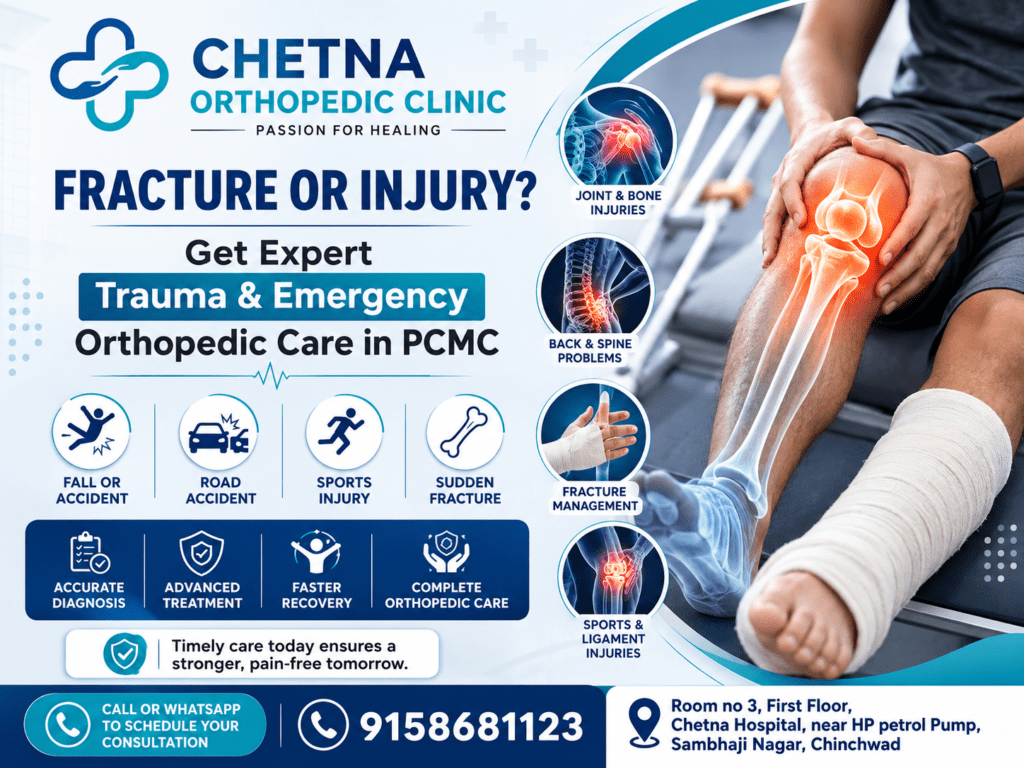
Orthopedic Surgeon Bone, joint, and muscle problems are common. They can affect people of all ages. Additionally, these problems may cause pain, stiffness, or difficulty in daily activities..
For example, Common issues include knee pain, sports injuries, arthritis, back pain, and fractures.Therefore, early treatment can help manage pain and improve movement.
An experienced orthopedic surgeon can identify the cause of your problem. The doctor can suggest the right treatment based on your condition.
Additionally, orthopedic surgeons treat problems related to bones, joints, muscles, and the spine. Modern orthopedic care includes both surgical and non-surgical treatments. These options help patients reduce pain and improve movement.
If you live in Sambhaji Nagar, Akurdi, Nigdi, Yamuna Nagar, Bhosari MIDC, or nearby areas of Pimpri-Chinchwad, expert orthopedic care is easily available. Early consultation can support better bone and joint health.
Moreover, At Chetna Multispecialty Hospital, Dr. Nirmal Patil provides patient-focused orthopedic care using evidence-based treatment approaches tailored to each individual’s needs.
In this article, you’ll learn about common orthopedic conditions, warning signs, diagnosis, when to consult an orthopedic surgeon, and how early treatment can help you return to an active, pain-free lifestyle.
Table of Contents
- Why This Topic Matters
- Common Orthopedic Conditions and Causes
- Signs and Symptoms
- When Should You See an Orthopedic Surgeon?
- Diagnosis
Why This Topic Matters
Orthopedic problems are common health concerns. They can affect children, adults, athletes, and older people.As a result, these conditions may cause pain and limit daily activities.
However, Ignoring bone or joint pain can lead to worsening symptoms, reduced mobility, and complications that may require more extensive treatment later.
Who Can Be Affected?
- Older adults with arthritis
- Athletes with sports injuries
- Office workers with neck and back pain
- Children with bone injuries
- People involved in physically demanding jobs
- Individuals recovering from accidents
Why Early Consultation Matters
Consulting an orthopedic surgeon early offers several benefits:
- Accurate diagnosis
- Early pain relief
- Better joint function
- Faster recovery
- Reduced risk of permanent damage
- Improved quality of life
- Personalized treatment planning
Therefore, Early treatment often helps patients avoid complications and, in some cases, may reduce the need for surgery.
Common Orthopedic Conditions and Causes
These conditions may develop suddenly due to injury or gradually because of age-related wear and tear.
Common Conditions
- Knee pain
- Hip pain
- Shoulder pain
- Back pain
- Neck pain
- Arthritis
- Fractures
- Sports injuries
- Ligament injuries
- Tendon injuries
- Frozen shoulder
- Carpal tunnel syndrome
- Osteoporosis
- Joint stiffness
Common Causes
- Aging
- Sports injuries
- Road traffic accidents
- Falls
- Obesity
- Poor posture
- Repetitive movements
- Heavy lifting
- Weak muscles
- Vitamin D deficiency
- Calcium deficiency
- Inflammatory diseases
- Genetic factors
Certain occupations involving prolonged standing, sitting, or repetitive physical work may also increase the risk of orthopedic problems.
For reliable information about bone, joint, and muscle conditions, patients can refer to resources from the American Academy of Orthopaedic Surgeons (AAOS).
Signs and Symptoms
In many cases, these disorders develop gradually, but some symptoms require immediate medical attention.
Common Symptoms
- Persistent joint pain
- Swelling around joints
- Stiffness
- Reduced flexibility
- Difficulty walking
- Muscle weakness
- Back pain
- Neck pain
- Shoulder discomfort
- Knee pain while climbing stairs
- Hip pain during movement
- Limited range of motion
Warning Signs
Seek medical advice if you experience:
- Pain lasting more than a few days
- Difficulty bearing weight
- Recurrent joint swelling
- Frequent joint instability
- Pain that interrupts sleep
- Difficulty performing routine activities
- Persistent numbness or tingling
- Reduced grip strength
Symptoms That May Become Serious
Consult an orthopedic surgeon immediately if you notice:
- Severe pain after an injury
- Visible deformity
- Suspected fracture
- Inability to move a limb
- Sudden joint swelling
- Severe back pain with numbness or weakness
- Loss of bladder or bowel control with back pain (medical emergency)
- High fever with a swollen, painful joint
Prompt medical evaluation can help prevent long-term complications and improve treatment outcomes.
When Should You See an Orthopedic Surgeon?
Many people ignore bone and joint pain, hoping it will improve on its own. However, persistent symptoms should not be overlooked.
You should consult an orthopedic surgeon if you have:
- Joint pain lasting more than one week
- Chronic back or neck pain
- Difficulty walking
- Reduced joint movement
- Frequent sports injuries
- Recurrent fractures
- Swelling that does not improve
- Joint locking or instability
- Pain affecting daily activities
- Persistent pain despite rest or medication
Early evaluation allows your doctor to identify the underlying cause and recommend the most appropriate treatment before the condition worsens.
Diagnosis
A proper diagnosis is the foundation of effective orthopedic treatment. Your orthopedic surgeon will evaluate your symptoms, medical history, and physical condition before recommending further tests if needed.
Common Diagnostic Methods
- Detailed medical history
- Physical examination
- Joint movement assessment
- Muscle strength testing
- Neurological examination
- X-rays
- MRI scan
- CT scan
- Ultrasound (for selected soft tissue conditions)
- Bone density test (when osteoporosis is suspected)
- Blood tests (to evaluate infection or inflammatory conditions)
What to Expect During Your Consultation
During your appointment, your orthopedic surgeon may:
- Ask about your symptoms and their duration
- Review any previous injuries or medical conditions
- Examine the affected joint or limb
- Assess your mobility and range of motion
- Recommend imaging or laboratory tests if necessary
- Discuss a personalized treatment plan based on your diagnosis
An accurate diagnosis helps ensure that treatment is tailored to your condition, lifestyle, and recovery
goals.
Treatment Options
Treatment for orthopedic conditions depends on the underlying cause, severity of symptoms, age, activity level, and overall health. An experienced orthopedic surgeon aims to relieve pain, restore movement, and improve your quality of life using the most appropriate treatment plan.
Non-Surgical Treatments
Fortunately, many orthopedic conditions can be managed without surgery, especially when diagnosed early.
- Pain-relieving medications (as prescribed by your doctor)
- Anti-inflammatory medicines
- Physiotherapy and rehabilitation
- Joint strengthening exercises
- Activity modification
- Weight management
- Braces, splints, or supportive devices
- Hot and cold therapy
- Lifestyle modifications
Surgical Treatments
When conservative treatments do not provide adequate relief or in cases of severe injury, surgery may be recommended.
Common orthopedic procedures include:
- Fracture fixation
- Arthroscopic (keyhole) surgery
- Ligament reconstruction
- Tendon repair
- Joint replacement surgery (Hip or Knee)
- Spine surgery (when clinically indicated)
- Hand and wrist procedures
Your orthopedic surgeon will explain the benefits, risks, expected recovery time, and rehabilitation process before recommending surgery.
Rehabilitation After Treatment
Recovery is just as important as treatment itself.
A rehabilitation plan may include:
- Guided physiotherapy
- Strength-building exercises
- Balance training
- Walking practice
- Pain management
- Regular follow-up visits
- Gradual return to daily activities
Following your doctor’s advice improves recovery and helps prevent future injuries.
Lifestyle Tips for Healthy Bones and Joints
Furthermore, simple lifestyle changes can significantly improve orthopedic health.and reduce the risk of injuries.
12 Expert Tips
- Stay physically active every day.
- Maintain a healthy body weight.
- Eat calcium-rich foods regularly.
- Get enough Vitamin D through safe sunlight exposure and diet.
- Practice good posture while sitting and standing.
- Stretch before and after exercise.
- Wear supportive footwear.
- Avoid lifting heavy objects incorrectly.
- Take breaks during prolonged sitting.
- Quit smoking and limit alcohol intake.
- Stay hydrated throughout the day.
- Attend regular orthopedic check-ups if you have chronic joint problems.
Even small daily habits can make a big difference in protecting your bones and joints.
Prevention Tips
Although not every orthopedic condition can be prevented, many can be avoided with healthy habits.
Ways to Reduce Your Risk
- Exercise regularly to improve strength and flexibility.
- Maintain a healthy weight to reduce stress on joints.
- Wear protective gear during sports.
- Use proper lifting techniques.
- Keep your home free from fall hazards.
- Avoid prolonged sitting without movement.
- Eat a balanced diet rich in calcium and protein.
- Manage chronic conditions such as diabetes or osteoporosis.
- Seek treatment promptly after injuries.
- Follow your doctor’s rehabilitation advice after fractures or surgery.
Preventive care is one of the best ways to maintain mobility and independence as you age.
Regular physical activity helps maintain bone and joint health. The Centers for Disease Control and Prevention (CDC) also provides guidance on staying active and preventing health problems.
Nutrition for Strong Bones and Joints
A balanced diet plays a key role in maintaining healthy bones, muscles, and joints.
Drink plenty of water throughout the day and limit highly processed foods, sugary beverages, and excessive salt intake.
| Nutrient | Benefits | Food Sources |
|---|---|---|
| Calcium | Builds and maintains strong bones | Milk, yogurt, cheese, ragi, tofu |
| Vitamin D | Helps absorb calcium | Sunlight, fortified milk, egg yolk, fatty fish |
| Protein | Supports muscle repair and healing | Eggs, pulses, chicken, fish, paneer |
| Vitamin C | Promotes collagen formation | Oranges, amla, guava, kiwi, lemons |
| Magnesium | Supports bone health | Nuts, seeds, spinach, whole grains |
| Phosphorus | Strengthens bones and teeth | Dairy products, fish, lentils |
| Omega-3 Fatty Acids | May help reduce inflammation | Salmon, flaxseeds, walnuts |
| Zinc | Supports tissue healing | Pumpkin seeds, legumes, seafood |
Exercise & Healthy Habits
Healthy bones and joints require regular movement and a balanced lifestyle.
Physical Activity
Aim for at least 150 minutes of moderate physical activity each week, as recommended by your healthcare provider.
Suitable exercises include:
- Walking
- Cycling
- Swimming
- Yoga
- Stretching
- Low-impact aerobics
- Strength training (under professional guidance)
Prioritize Quality Sleep
Sleep allows your body to repair muscles and tissues.
- Aim for 7–9 hours of sleep each night.
- Maintain a consistent sleep schedule.
- Use a supportive mattress and pillow if you experience back or neck discomfort.
Manage Stress
Chronic stress can contribute to muscle tension and worsen pain.
Helpful stress-management techniques include:
- Deep breathing exercises
- Meditation
- Mindfulness
- Gentle yoga
- Spending time outdoors
- Pursuing hobbies
Stay Hydrated
Water supports joint lubrication and overall body function.
- Drink adequate fluids throughout the day.
- Increase water intake during exercise or hot weather.
Maintain Healthy Daily Habits
- Warm up before physical activity.
- Cool down after exercise.
- Avoid smoking.
- Limit alcohol consumption.
- Follow your doctor’s recommendations if you have an existing orthopedic condition.
Symptoms You Should Never Ignore
Some symptoms require prompt medical evaluation by an orthopedic surgeon.
Seek medical attention if you experience:
- Severe pain after a fall or accident
- Sudden inability to walk
- Visible bone or joint deformity
- Persistent swelling that does not improve
- Joint redness with fever
- Numbness or weakness in the arms or legs
- Loss of bladder or bowel control associated with back pain (medical emergency)
- Inability to bear weight on a limb
- Recurrent joint dislocations
- Severe pain that wakes you from sleep
Early medical assessment can help prevent complications and improve recovery.
Myth vs. Fact
| Myth | Fact |
|---|---|
| Only older adults need an orthopedic surgeon. | Orthopedic conditions can affect children, athletes, and adults of all ages. |
| Surgery is always the first treatment option. | Many conditions improve with medication, physiotherapy, and lifestyle changes. |
| Joint pain is a normal part of aging. | Persistent joint pain should always be evaluated by a healthcare professional. |
| Exercise worsens arthritis. | Appropriate exercise often helps reduce stiffness and improve joint function. |
| Bone fractures always heal on their own. | Many fractures require proper medical treatment to heal correctly. |
| Rest is the best treatment for all orthopedic injuries. | Controlled movement and rehabilitation are often essential for recovery. |
Wellness Checklist
Use this checklist to support long-term bone and joint health:
✅ Seek medical advice if pain persists or worsens.
✅ Schedule regular orthopedic check-ups if you have chronic joint problems.
✅ Maintain a healthy body weight.
✅ Exercise most days of the week.
✅ Eat a balanced diet rich in calcium and protein.
✅ Get enough Vitamin D.
✅ Stay hydrated every day.
✅ Practice good posture while working.
✅ Stretch before and after exercise.
✅ Wear appropriate footwear.
✅ Avoid smoking.
✅ Limit alcohol consumption.
✅ Follow your prescribed treatment and physiotherapy plan.
✅ Prevent falls by keeping your home safe.
Frequently Asked Questions (FAQs)
1. What does an orthopedic surgeon treat?
An orthopedic surgeon diagnoses and treats conditions affecting the bones, joints, muscles, ligaments, tendons, and spine. Common conditions include fractures, arthritis, sports injuries, back pain, neck pain, and joint disorders.
2. When should I consult an orthopedic surgeon?
You should see an orthopedic surgeon if you have persistent joint or bone pain, swelling, limited movement, repeated injuries, difficulty walking, or pain that does not improve with rest or basic treatment.
3. Do all orthopedic conditions require surgery?
No. Many orthopedic problems can be successfully managed with medications, physiotherapy, lifestyle changes, supportive braces, and rehabilitation. Surgery is usually recommended only when conservative treatments are not effective or when the condition requires surgical intervention.
4. How can I keep my bones and joints healthy?
Regular exercise, a balanced diet rich in calcium and vitamin D, maintaining a healthy weight, good posture, adequate hydration, and avoiding smoking all contribute to better bone and joint health.
5. What should I expect during my first orthopedic consultation?
Your orthopedic surgeon will review your medical history, discuss your symptoms, perform a physical examination, and may recommend imaging tests such as X-rays or MRI scans if required. Based on the findings, a personalized treatment plan will be discussed.
6. Can sports injuries be treated without surgery?
Yes. Many sports injuries respond well to rest, physiotherapy, activity modification, and rehabilitation. However, severe ligament tears, fractures, or tendon injuries may require surgery.
7. How long does recovery take after orthopedic surgery?
Recovery depends on the type of surgery, your overall health, and your rehabilitation program. Your orthopedic surgeon will provide a recovery timeline tailored to your specific condition.
8. Does age increase the risk of orthopedic problems?
Yes. As people age, the risk of osteoarthritis, osteoporosis, joint degeneration, and fractures increases. Regular medical check-ups and preventive care can help maintain bone and joint health.
Why Choose Dr. Nirmal Patil?
When it comes to bone and joint health, choosing the right orthopedic surgeon is essential. Dr. Nirmal Patil provides patient-focused orthopedic care. He focuses on accurate diagnosis, suitable treatment, and long-term recovery.
Patients from Sambhaji Nagar, Akurdi, Nigdi, Yamuna Nagar, Shahu Nagar, Bhosari MIDC, Kalewadi, Triveni Nagar, Mohan Nagar, Pimpri Colony, Thermax Chowk, and surrounding areas trust Chetna Multispeciality Hospital for quality orthopedic services.
Why Patients Choose Dr. Nirmal Patil
- Expertise in diagnosing and managing a wide range of orthopedic conditions
- Personalized treatment plans based on individual needs
- Emphasis on conservative treatment whenever appropriate
- Comprehensive care from diagnosis through rehabilitation
- Patient-focused
doctor visit with clear communication - Modern diagnostic support and coordinated multidisciplinary care
- Commitment to improving mobility, function, and quality of life
Doctor Information
👨⚕️ Doctor Name: Dr. Nirmal Patil
🦴 Specialization: Orthopedic Surgeon
🏥 Hospital: Chetna Multispeciality Hospital
📍 Address:
Ground Floor, Chetna Hospital, Sambhaji Nagar Road, Chinchwad, Pimpri-Chinchwad, Pune, Maharashtra – 411019
📞 Phone: 9158681123
🌐 Website: https://chetnahospital.co.in/
👨⚕️ Doctor Profile: https://chetnahospital.co.in/doctor/dr-nirmal-patil-orthopedic-spine-surgeon-pcmc-pune/
Book Your Doctor Visit
If you are experiencing persistent bone, joint, muscle, or spine pain, don’t delay seeking professional care. Early diagnosis and timely treatment can help prevent complications and support a faster recovery.
Schedule your appointment with Dr. Nirmal Patil at Chetna Multispeciality Hospital and take the first step toward better bone and joint health.
Conclusion
Bone and joint problems can significantly affect your mobility, independence, and overall quality of life. Fortunately, many orthopedic conditions can be effectively managed when diagnosed early and treated appropriately.
Whether you are dealing with arthritis, sports injuries, fractures, chronic back pain, or joint discomfort, consulting an experienced orthopedic surgeon can help you receive the right diagnosis and a personalized treatment plan.
At Chetna Multispeciality Hospital, Dr. Nirmal Patil is dedicated to delivering compassionate, evidence-based orthopedic care tailored to each patient’s needs. With a focus on restoring movement, relieving pain, and improving long-term health, the goal is to help every patient return to an active and fulfilling lifestyle.
If you have ongoing bone or joint concerns, book an appointment with Dr. Nirmal Patil today and take the first step toward healthier movement and a better quality of life.