








Orthopedic Rehabilitation in PCMC plays an important role in helping people recover from knee pain, back pain, shoulder problems, joint injuries, fractures, and orthopedic surgeries. Physiotherapy combines clinical assessment, therapeutic exercises, manual therapy, and other appropriate rehabilitation techniques to help improve movement, strength, flexibility, and day-to-day function.
At Chetna Hospital in Chinchwad, Pimpri-Chinchwad, patients can access orthopedic rehabilitation and physiotherapy services through Next Gen Rehab & Physi Centre. Rehabilitation plans are tailored according to the person’s condition, functional needs, and stage of recovery.
Quick Answer
Orthopedic rehabilitation in PCMC is a structured physiotherapy and recovery approach designed to help improve movement, strength, flexibility, balance, and everyday function after orthopedic injuries, musculoskeletal problems or orthopedic surgery.
Physiotherapy may be useful for knee pain, back pain, shoulder stiffness, joint problems, sports injuries, fractures and postoperative rehabilitation. Treatment is individualized according to the patient’s condition, physical assessment, medical history, and recovery goals.
At Next Gen Rehab & Physi Centre, Chetna Hospital, Chinchwad, rehabilitation services include therapeutic exercises, manual therapy, electrotherapy, and other physiotherapy techniques selected according to individual requirements.
Medically Reviewed By
Dr. Nirmal Patil
Consultant Orthopaedic Spine Surgeon | Orthopedic Surgeon in Pimpri-Chinchwad, Pune
Dr. Nirmal Patil is a Consultant Orthopaedic Spine Surgeon at Chetna Hospital, Chinchwad, Pimpri-Chinchwad, Pune. His areas of clinical practice include spine care, back and neck pain, cervical spine conditions, disc problems, minimally invasive spine procedures, and orthopedic spine conditions.
Qualifications: MBBS, MS (Orthopaedics), MRCS (UK), DNB (Orthopaedics), MNAMS, SICOT Orthopaedics Diploma (Belgium), Advanced Diploma in Spine Surgery (UK)
Professional Affiliations: AO Spine, EuroSpine and ASSI
Experience: 9+ years
Medical Review Note: This article has been medically reviewed for general educational purposes. Individual diagnosis and treatment recommendations should be based on an appropriate clinical assessment.
What Is Orthopedic Rehabilitation?
Orthopedic rehabilitation focuses on improving physical function when an orthopedic condition, injury, surgery or musculoskeletal problem affects normal movement.
A rehabilitation program may work toward improving:
- Joint mobility
- Muscle strength
- Flexibility
- Balance
- Coordination
- Movement control
- Walking ability
- Functional independence
- Gradual return to normal activities
The rehabilitation plan depends on the individual’s condition and goals. Someone recovering from a fracture or joint replacement may require a different program from someone experiencing back or shoulder pain.
Who May Need Orthopedic Rehabilitation?
Orthopedic rehabilitation may be considered for people experiencing problems involving the bones, joints, muscles, ligaments, tendons, and related soft tissues.
Common situations include:
Knee Problems
Physiotherapy may be considered for:
- Knee pain
- Knee stiffness
- Weakness around the knee
- Sports-related knee injuries
- Difficulty walking
- Difficulty climbing stairs
- Difficulty squatting
- Recovery after knee surgery
Back Problems
Rehabilitation may be part of care for people experiencing:
- Lower back pain
- Back stiffness
- Reduced mobility
- Muscle weakness
- Movement-related discomfort
- Difficulty performing everyday activities
Persistent or severe back pain should be appropriately assessed to determine the possible cause and suitable treatment.
Shoulder Problems
Shoulder rehabilitation may be useful for people experiencing:
- Shoulder stiffness
- Reduced range of motion
- Shoulder weakness
- Certain shoulder injuries
- Recovery following orthopedic procedures
- Difficulty reaching or lifting
Joint Problems
Rehabilitation may also address movement and functional limitations involving the:
- Hip
- Knee
- Shoulder
- Ankle
- Elbow
- Wrist
Physiotherapy for Knee Pain in PCMC
Knee pain can interfere with walking, climbing stairs, standing, sitting, squatting and exercising.
A physiotherapy assessment may consider:
- Knee movement
- Muscle strength
- Flexibility
- Balance
- Walking pattern
- Functional limitations
Depending on the condition, rehabilitation may include strengthening exercises, mobility exercises, balance training and gradual functional activities.
The exercise program can be adjusted according to the patient’s progress and response.
Physiotherapy for Back Pain in Pimpri-Chinchwad
Back pain can have different causes, and treatment should be individualized according to the patient’s symptoms and assessment.
Physiotherapy may focus on:
- Improving mobility
- Appropriate strengthening
- Flexibility
- Movement control
- Functional activities
- Gradual return to normal activity
A physiotherapist can assess movement and function and develop an appropriate rehabilitation program.
When Should Back Pain Be Medically Assessed?
Prompt medical assessment may be required when back pain is associated with concerning symptoms such as:
- New bladder or bowel problems
- Significant or progressive weakness
- Numbness around the groin or saddle region
- Severe symptoms following significant trauma
- Fever or other concerning symptoms
Shoulder Rehabilitation in PCMC
Shoulder problems can affect dressing, reaching, lifting, working, sleeping and exercising.
Depending on the cause, rehabilitation may include:
Mobility Exercises
Exercises may help gradually improve restricted movement.
Strengthening
Appropriate strengthening can help improve muscle capacity and shoulder control.
Functional Training
Exercises can progress toward activities required at home, work or during sports.
Activity Guidance
Patients may receive guidance regarding activity modification and gradual progression during recovery.
Joint Rehabilitation in Chinchwad
Joint rehabilitation focuses on improving movement and physical function.
Depending on the condition, rehabilitation may address:
- Joint mobility
- Muscle strength
- Flexibility
- Balance
- Walking
- Stair climbing
- Squatting
- Daily activities
- Return to exercise
The rehabilitation program should be individualized according to the patient’s condition and progress.
Orthopedic Rehabilitation After Surgery
Physiotherapy may form an important part of recovery following many orthopedic procedures.
Depending on the procedure, rehabilitation may focus on:
- Restoring appropriate movement
- Improving mobility
- Rebuilding muscle strength
- Improving balance and coordination
- Improving functional movement
- Gradually returning to normal activities
The timing and intensity of rehabilitation should follow the treating surgeon’s recommendations.
Physiotherapy and Rehabilitation Services at Chetna Hospital
Next Gen Rehab & Physi Centre at Chetna Hospital, Chinchwad provides physiotherapy and rehabilitation services for people working toward improved mobility, strength, and functional recovery.
The centre provides rehabilitation for orthopedic, neurological, and sports-related conditions, along with postoperative rehabilitation when appropriate.
Orthopedic Rehabilitation
Orthopedic rehabilitation programs may support recovery following:
- Orthopedic surgery
- Fractures
- Musculoskeletal injuries
- Joint problems
- Mobility limitations
The focus is on restoring function and helping patients work toward their individual rehabilitation goals.
Neurological Rehabilitation
The rehabilitation centre also provides specialized physiotherapy services for people with neurological conditions.
Depending on the condition, rehabilitation may focus on:
- Motor skills
- Mobility
- Balance
- Functional independence
Sports Injury Rehabilitation
Sports rehabilitation can help individuals gradually work toward returning to physical activity following an appropriate assessment of their injury.
Rehabilitation may focus on:
- Mobility
- Strength
- Balance
- Movement control
- Functional training
- Gradual return to activity
Physiotherapy Treatments Available at Next Gen Rehab & Physi Centre
Depending on the patient’s condition and physiotherapist’s assessment, available treatments and modalities include:
Pain Management and Physiotherapy Modalities
- Interferential Therapy (IFT)
- Short Wave Diathermy (SWD)
- Long Wave Diathermy (LWD)
- Ultrasound Therapy
- Galvanic Stimulation
- Faradic Stimulation
- Russian Current
- Continuous Passive Movement (CPM)
- Transcutaneous Electrical Nerve Stimulation (TENS)
- Cervical Traction
- Lumbar Traction
- Infrared Ray (IRR)
- Cryotherapy
- Dry Needling
- Electrical Muscle Stimulation
Not every treatment is appropriate for every patient. The physiotherapy team can determine suitable modalities based on the individual’s condition.
Therapeutic Exercises and Rehabilitation Equipment
Next Gen Rehab & Physi Centre also provides access to rehabilitation equipment and exercise-based approaches, including:
- Staircase training
- Theraband exercises
- Parallel bar
- Gait training
- Stability trainers
- Kinesio taping
- Rigid taping
- Mobilization techniques
- Balance balls
- Treadmill
- Cross trainer
- Elliptical trainer
- Stationary cycles
These tools can be incorporated into a rehabilitation program according to the patient’s functional requirements.
Manual Therapy and Therapeutic Exercise
Manual therapy may be used as part of physiotherapy to address appropriate movement and mobility limitations.
Depending on the patient’s assessment, physiotherapy may incorporate mobilization approaches such as:
- Mulligan techniques
- Maitland techniques
- Kaltenborn techniques
Therapeutic exercises may also be used to improve:
- Strength
- Flexibility
- Mobility
- Endurance
- Balance
- Functional movement
Postoperative Rehabilitation
Recovery following orthopedic surgery may require a structured rehabilitation program.
Next Gen Rehab & Physi Centre provides postoperative physiotherapy support for appropriate cases, including rehabilitation following:
- Joint replacement procedures
- Spine surgeries
- Orthopedic procedures
- Fracture-related treatment
The rehabilitation program should be coordinated with the treating medical team when required.
Physiotherapy Care Team at Chetna Hospital
Dr. Shruti Gupta
Physiotherapist at Chetna Hospital
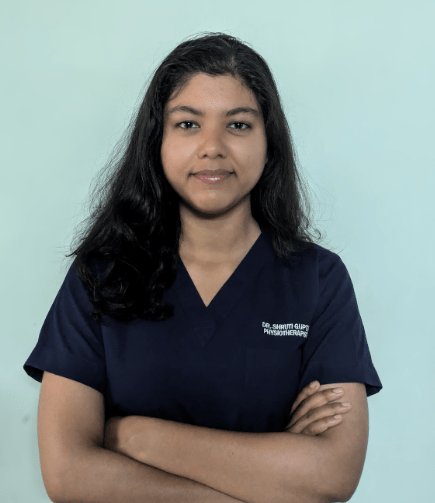
Dr. Shruti Gupta is a physiotherapist associated with Chetna Hospital. Her profile can be linked to the hospital’s physiotherapy and rehabilitation services for patients looking for professional physiotherapy care in Chinchwad and Pimpri-Chinchwad.
Profile:
https://chetnahospital.co.in/doctor/dr-shruti-gupyta/
Dr. Sanskruti Kale
Physiotherapist at Chetna Hospital
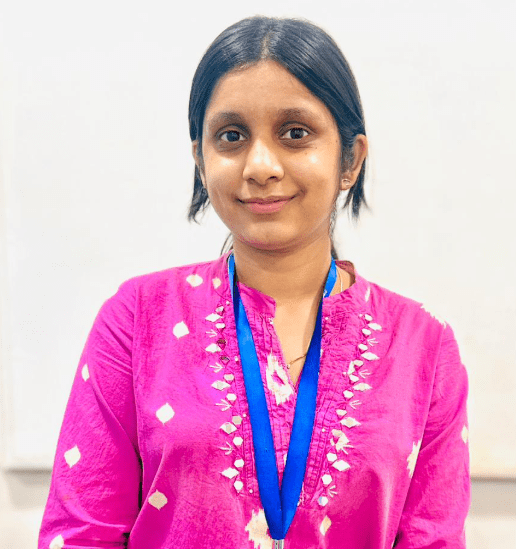
Dr. Sanskruti Kale is a physiotherapist associated with Chetna Hospital and provides physiotherapy and rehabilitation care as part of the hospital’s rehabilitation services.
Profile:
https://chetnahospital.co.in/doctor/dr-sanskruti-kale/
What Happens During an Orthopedic Physiotherapy Assessment?
An initial physiotherapy assessment may include discussion about:
- Current symptoms
- Previous injuries
- Medical history
- Previous surgeries
- Current activity level
- Work requirements
- Sports activities
- Activities that have become difficult
The physiotherapist may also assess:
- Range of motion
- Muscle strength
- Flexibility
- Balance
- Movement patterns
- Functional ability
The assessment can help the physiotherapist develop an individualized rehabilitation plan.
How Long Does Orthopedic Rehabilitation Take?
There is no fixed recovery timeline for every patient.
Recovery can depend on:
- Type of condition
- Severity of the problem
- Type of injury
- Whether surgery was performed
- Muscle strength
- Mobility
- Activity level
- Treatment consistency
- Individual rehabilitation goals
Some patients may require a shorter rehabilitation program, while recovery following significant injury or surgery may take longer.
Your orthopedic specialist or physiotherapist can provide individualized guidance after assessment.
Orthopedic Rehabilitation Near Me in PCMC
People searching for orthopedic rehabilitation near me, physiotherapy near me, knee physiotherapy in PCMC, back pain physiotherapy in Chinchwad, shoulder physiotherapy near me, or joint rehabilitation in Pimpri-Chinchwad can consider a physiotherapy centre that provides individualized assessment and rehabilitation planning.
For people living within a wider 5–15 km local search area, relevant PCMC localities include:
- Chinchwad
- Pimpri
- Akurdi
- Nigdi
- Bhosari
- Yamuna Nagar
- Shahu Nagar
- Kalewadi
- Triveni Nagar
- Mohan Nagar
- Pimpri Colony
- Thermax Chowk
- Wakad
- Tathawade
- Punawale
- Ravet
- Kiwale
- Pimple Saudagar
- Pradhikaran
Next Gen Rehab & Physi Centre is located at Chetna Hospital, Room 1, Nigdi Bhosari Road, near HP Petrol Pump, Sambhajinagar, Chinchwad, Pimpri-Chinchwad, Maharashtra 411019.
When Should You Consider Orthopedic Rehabilitation?
Consider an orthopedic rehabilitation assessment if an orthopedic or musculoskeletal problem is affecting your ability to:
- Walk normally
- Climb stairs
- Bend or squat
- Move your shoulder
- Use an affected joint
- Exercise
- Perform daily activities
- Return to work or sports after an injury or surgery
If symptoms are severe, sudden, unexplained or associated with significant weakness, numbness, deformity, major swelling or other concerning symptoms, seek appropriate medical evaluation.
Why Choose Physiotherapy and Rehabilitation at Chetna Hospital?
Next Gen Rehab & Physi Centre focuses on individualized physiotherapy and rehabilitation.
Key aspects of the service include:
- Experienced physiotherapy professionals
- Individualized rehabilitation planning
- Orthopedic rehabilitation
- Sports injury rehabilitation
- Neurological rehabilitation
- Postoperative rehabilitation
- Therapeutic exercise
- Manual therapy
- Rehabilitation equipment
- Selected electrotherapy and other modalities
The rehabilitation approach can be adjusted according to the patient’s condition, functional limitations and recovery goals.
Frequently Asked Questions About Orthopedic Rehabilitation
Orthopedic rehabilitation is a structured approach using physiotherapy and rehabilitation strategies to help improve movement, strength, flexibility and function following orthopedic conditions, injuries or surgery.
Physiotherapy may help people with certain knee conditions by addressing strength, mobility, balance and movement limitations. The appropriate treatment depends on the underlying cause.
Physiotherapy can be part of treatment for many types of back pain. An appropriate assessment helps determine suitable exercises and whether further medical evaluation is required.
Depending on the cause, physiotherapy may help improve shoulder mobility, strength and functional movement through an individualized rehabilitation program.
Yes. Physiotherapy is often included in recovery plans following many orthopedic procedures. The timing and progression should follow the treating surgeon’s recommendations.
Rehabilitation may be part of recovery after a fracture once the treating medical team determines that movement and exercise are appropriate.
Recovery time varies according to the condition, severity, treatment received, and individual response to rehabilitation.
Depending on the patient’s condition, available services include therapeutic exercise, manual therapy, mobilization, electrotherapy modalities, traction, cryotherapy, dry needling, taping, gait training, and other rehabilitation approaches.
Yes. Next Gen Rehab & Physi Centre at Chetna Hospital provides physiotherapy and rehabilitation services in Chinchwad, Pimpri-Chinchwad.
The physiotherapy team includes physiotherapists such as Dr. Shruti Gupta and Dr. Sanskruti Kale. Patients should use the individual doctor profiles for verified professional details.
It depends on the symptoms. An orthopedic surgeon may be appropriate for significant injury, suspected structural problems, persistent symptoms, or conditions requiring specialist evaluation. A physiotherapist can assess many musculoskeletal movement and functional problems and provide rehabilitation when appropriate.
Yes. Orthopedic specialists and physiotherapists can have complementary roles. When appropriate, the orthopedic diagnosis and treatment plan can be coordinated with rehabilitation goals.
Conclusion
Orthopedic rehabilitation in PCMC can support people working toward improved movement, strength, flexibility, and everyday function after orthopedic injuries, surgery, or musculoskeletal problems.
Whether you are experiencing knee pain, back pain, shoulder stiffness, joint problems, a sports injury, or postoperative mobility limitations, an individualized assessment can help determine an appropriate rehabilitation approach.
At Next Gen Rehab & Physi Centre, Chetna Hospital, Chinchwad, physiotherapy and rehabilitation services are available for orthopedic, sports-related, neurological, and postoperative rehabilitation needs.
For orthopedic and spine-related concerns, Dr. Nirmal Patil, Consultant Orthopaedic Spine Surgeon at Chetna Hospital, can provide appropriate specialist evaluation when required.
For physiotherapy and rehabilitation, patients can consult the physiotherapy team, including Dr. Shruti Gupta and Dr. Sanskruti Kale, according to their individual rehabilitation needs.
Contact Next Gen Rehab & Physi Centre, Chetna Hospital, Chinchwad, Pimpri-Chinchwad, Pune, to schedule an appointment.
2 Comments
Cauda Equina Syndrome: Spinal Emergency Red Flags in Pune - Chetna Hospital
[…] risk of permanent disability, according to the Royal Free leaflet, which is why speed matters. Our orthopaedic rehabilitation team supports patients through this phase. Individual outcomes […]
Varicose Veins: Symptoms, Laser Treatment & When to See a Surgeon in Chinchwad, PCMC - Chetna Hospital
[…] the working day, shift your weight, walk a few steps when you can and take sitting breaks. Our rehabilitation team can guide you on safe leg exercise if you also have joint or back […]