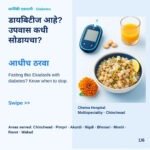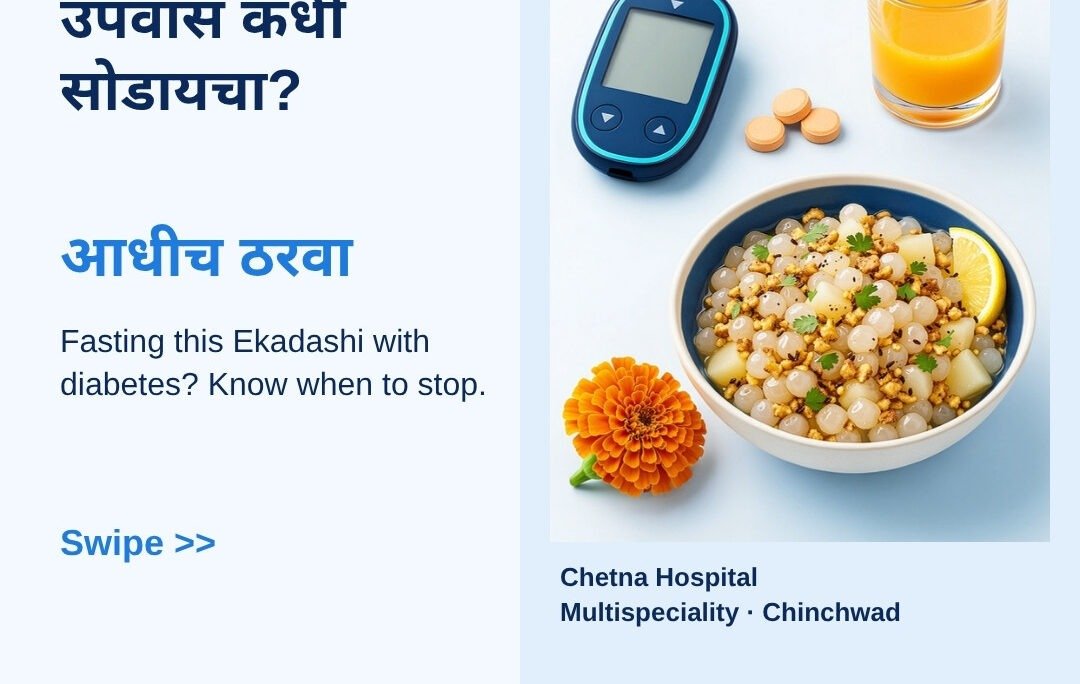
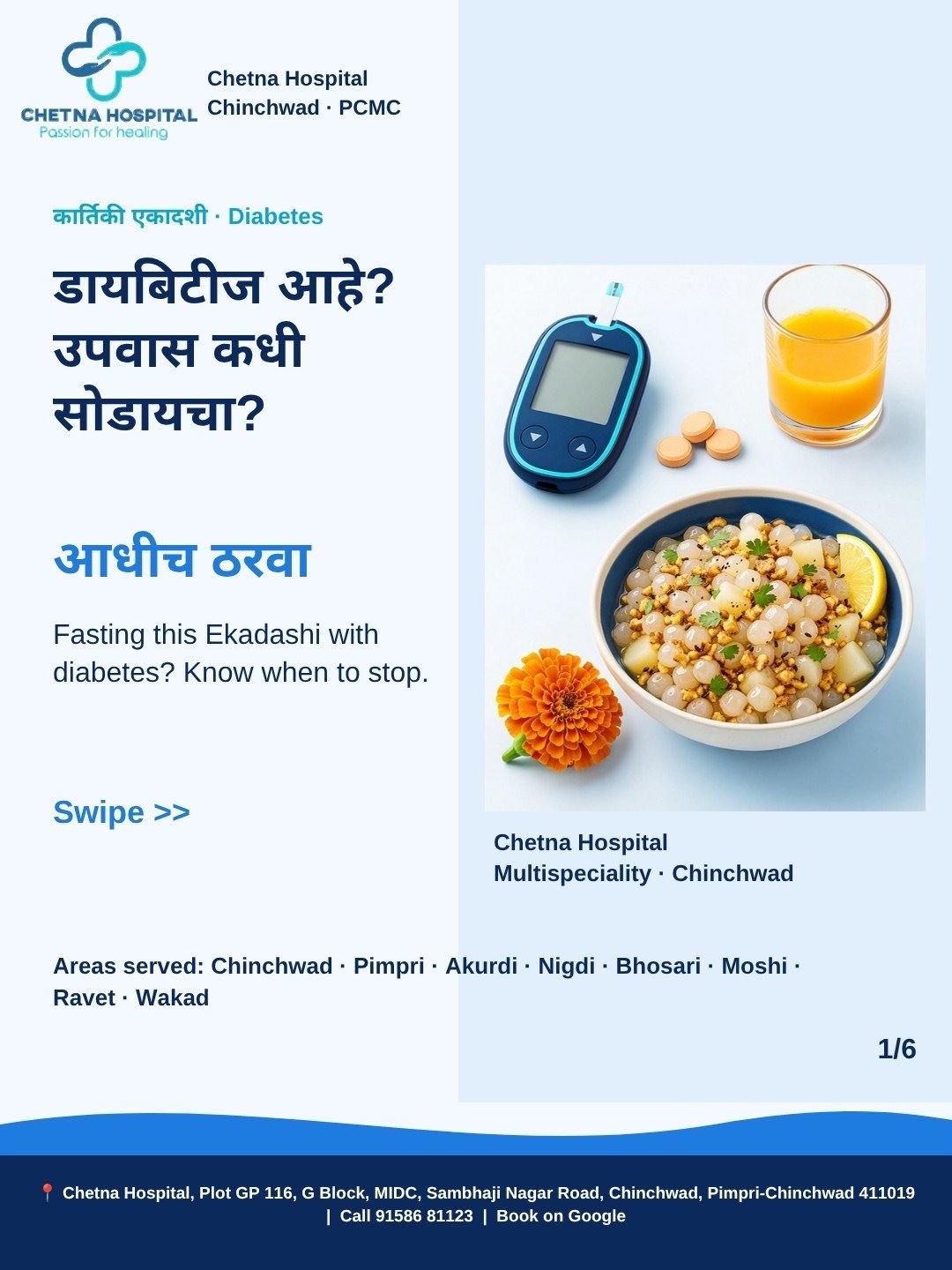
Fasting with diabetes can drop your blood sugar too low, especially if you take insulin or tablets such as gliclazide. Stop the fast at once if you feel shaky, sweaty, dizzy or confused, or if your meter shows a low reading. Take juice or glucose, recheck in 10 to 15 minutes, and talk to your doctor before the next fast.
Call 91586 81123Get Directions
Key takeaways
- Talk to your doctor before you fast, not on the day.
- Never stop or change diabetes medicines by yourself.
- Check your sugar more often on a fast day.
- Keep juice or glucose tablets with you at the temple and at home.
- Shaking, sweating or confusion means the fast should end now.
In this article
- Is fasting with diabetes safe?
- Who is most at risk of a hypo when fasting with diabetes?
- How to plan fasting with diabetes before Ekadashi
- When to stop fasting with diabetes
- What to do straight away if your sugar drops
- Ekadashi slides: when to stop the fast
- When does fasting with diabetes need a doctor?
- What patients say on Google
- Consultation near you
- Frequently asked questions
Many families in Chinchwad, Pimpri, Nigdi and Akurdi keep a fast for Kartiki Ekadashi. For a person with diabetes, a long gap without food can change how their medicines work. This guide explains the warning signs and the simple steps that keep a fast day safe. It follows advice from the NHS.
Why this is in the news now: Kartiki Ekadashi falls on 20 November 2026, as listed in this Ekadashi festival guide. Tulsi Vivah follows the next day, and many homes plan fasts, visits and festive meals across the weekend.
Is fasting with diabetes safe?
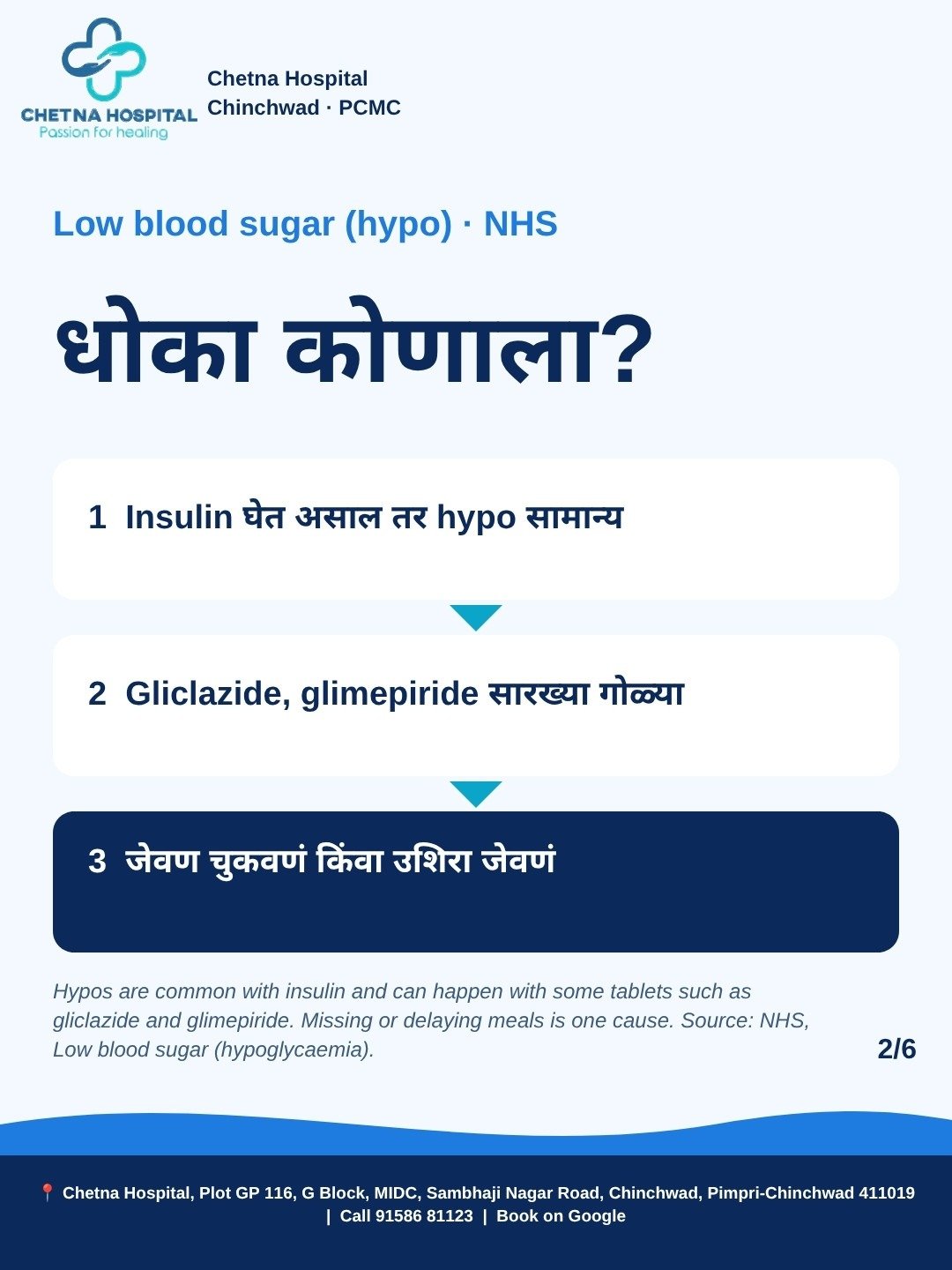
It depends on your treatment. Diabetes medicines lower blood sugar. When you also stop eating, your sugar can fall further than usual. A very low level is called a hypo, short for hypoglycaemia.
The NHS says a hypo is usually a blood sugar level below 4mmol/L. It also lists skipping or delaying a meal as a common cause. So a fast is not automatically unsafe, but it does need a plan. The right plan is different for each person. That is why your own doctor should guide it.
Some people treat their diabetes with diet alone or with medicines that rarely cause a hypo. Others take medicines that carry a higher risk. If you are not sure which group you are in, ask before the fast.
Who is most at risk of a hypo when fasting with diabetes?
The NHS names a few groups who need extra care:
- people who take insulin, because hypos are common with it
- people who take sulfonylurea tablets, such as gliclazide or glimepiride
- anyone who skips or delays meals, or is more active than usual
- anyone who drinks alcohol
The NHS page on gliclazide explains that this tablet can cause low blood sugar. On a fast day, the dose you take in the morning still works, even if you eat nothing.
How to plan fasting with diabetes before Ekadashi
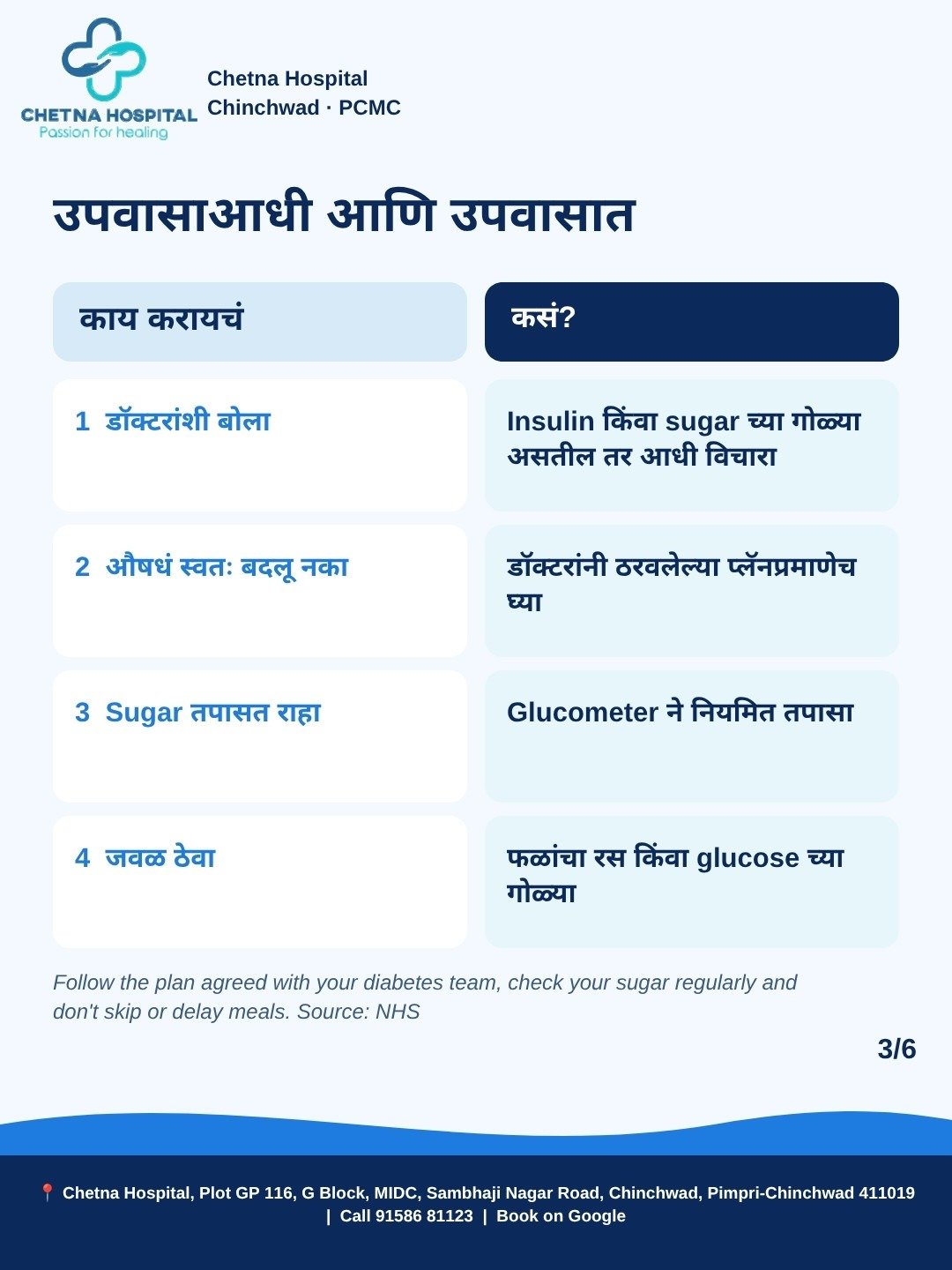
Good planning starts a few days before the fast. Book a check-up and take your medicine list with you. Then ask your doctor three clear questions:
- Is it safe for me to fast this time?
- Do my medicines or their timing need to change on the fast day?
- What sugar reading should make me stop the fast?
Write the answers down and keep them on your phone. On the fast day, check your sugar more often than usual. Carry your meter, juice or glucose tablets in your bag. Tell someone at home or at the temple that you have diabetes and what to do if you feel unwell.
Drink enough water through the day unless your doctor has told you to limit fluids. Our guide on drinking water in winter explains why people often drink less in the cool months. Also avoid very heavy, sweet meals at the end of the fast, as these can push sugar up sharply.
When to stop fasting with diabetes
Decide your stop rule before the fast begins. Then follow it, even if you have only a few hours left. A fast is never worth a fall or a trip to the emergency room.
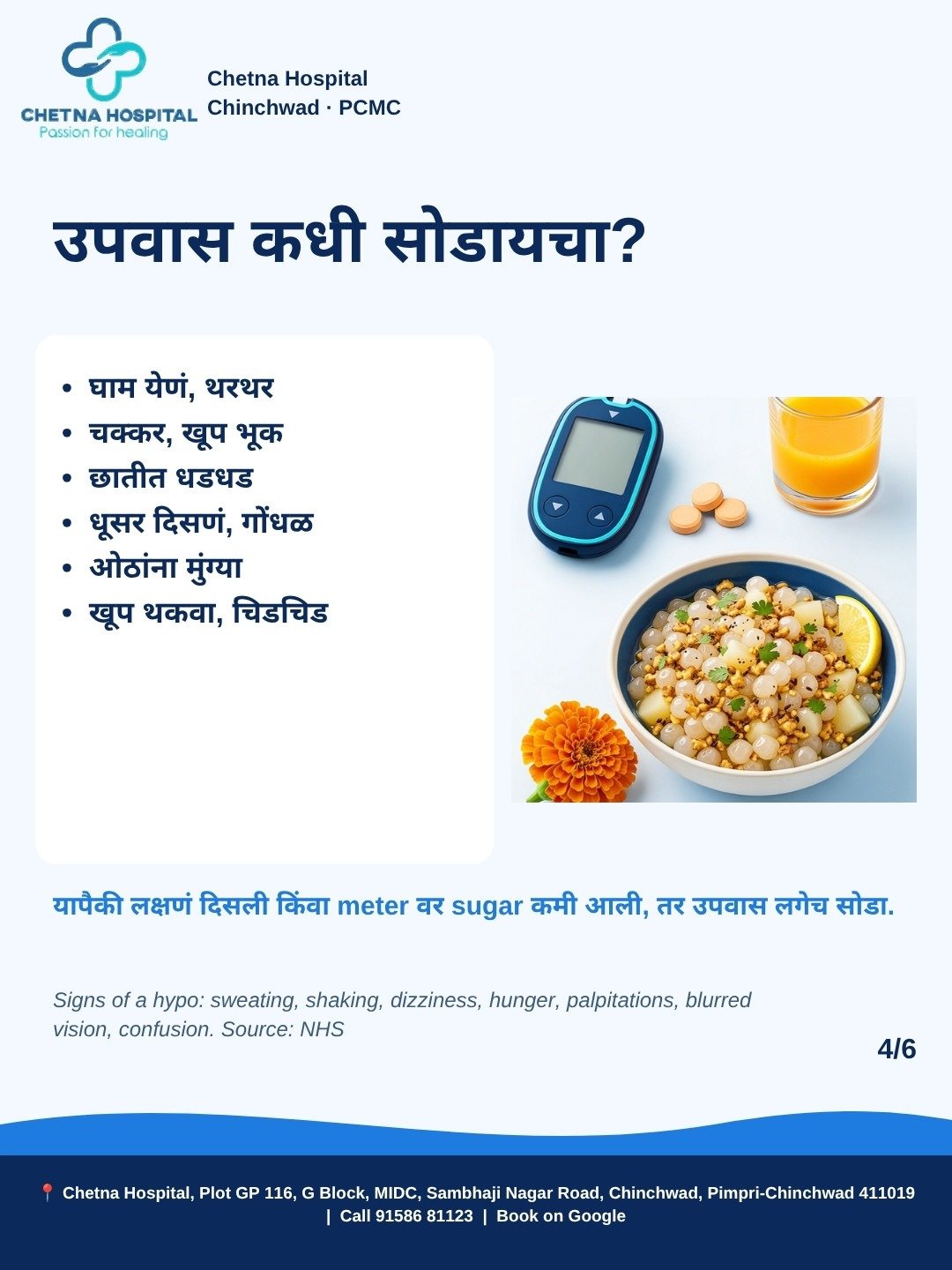
Stop the fast at once if you notice any of these signs, which the NHS lists for a hypo:
- feeling hungry, sweaty or shaky
- feeling dizzy, anxious or irritable
- tingling lips or a pounding heartbeat
- feeling very tired or weak
- blurred vision or trouble thinking clearly
Also stop if your meter shows a low reading, even when you feel fine. Some people get few warning signs. In that case, the meter is your best guide.
What to do straight away if your sugar drops
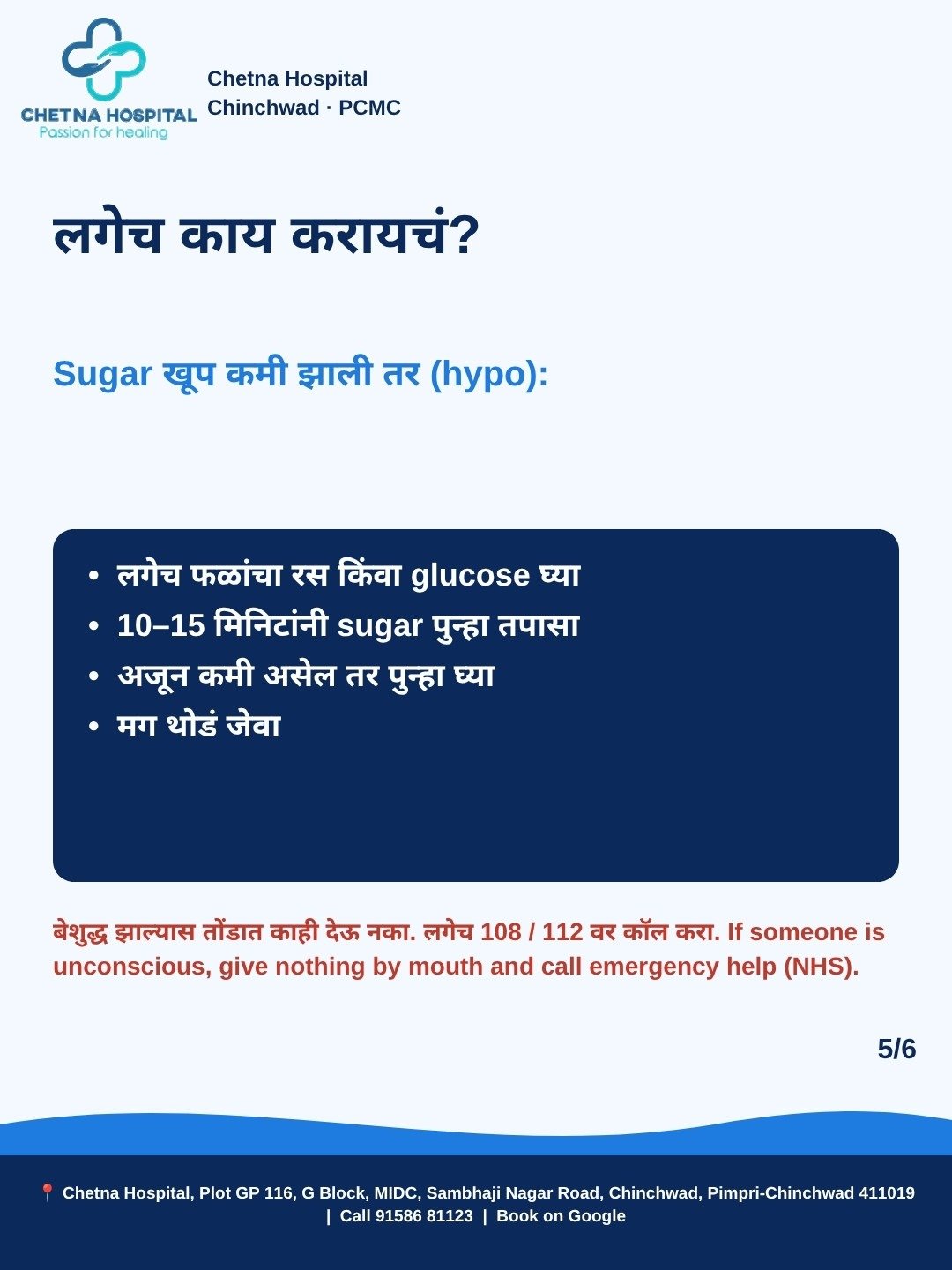
The NHS gives clear steps for a hypo. Follow them in this order:
- Have a sugary drink, such as a small glass of fruit juice, or take glucose tablets.
- Check your sugar again after 10 to 15 minutes.
- If it is still low, take another sugary drink or more glucose and recheck.
- Once your sugar is back up, eat a proper snack or meal, such as a sandwich or biscuits.
Do not go back to the fast once you have treated a hypo. Instead, rest and keep checking your sugar. Then tell your doctor what happened before you plan another fast.
Emergency: if a person with diabetes becomes drowsy, confused or unconscious, do not give them food or drink by mouth. Lay them on their side in the recovery position. Use a glucagon injection only if they have one and you know how. Then call 108 or 112 at once.
Ekadashi slides: when to stop the fast
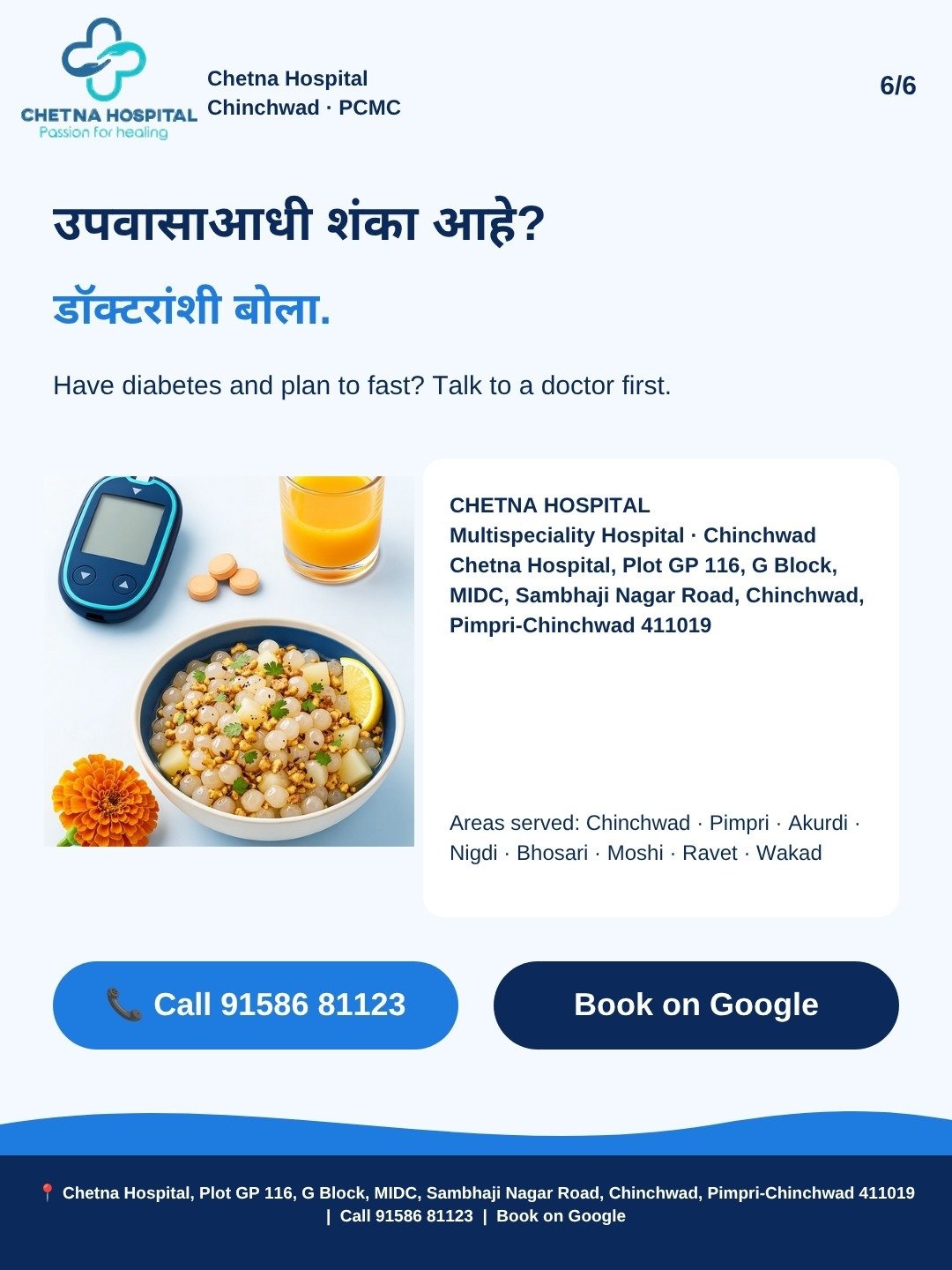
Swipe through these slides, or save them to share with family members who fast.
When does fasting with diabetes need a doctor?
Fasting with diabetes needs a doctor’s advice before the day, and sometimes after it. See a doctor soon if:
- you had a hypo during a past fast
- you have frequent hypos on normal days
- you are not sure which medicines you take or how they work
- your sugar stays high after the festival meals
People with diabetes also have a higher chance of heart disease, so keep up regular check-ups. Our cardiology department sees patients with heart problems. Cold mornings can also make joints feel stiff, as our article on morning joint stiffness explains. You can see all our departments on the services page.
What patients say on Google
“fast clean and professional, i was seen very close to my appointment time”
Tukaram R., Google review, October 2026, 5 stars
“Dr is very genuine solves all quiries and very helpful”
Tejas K., Google review, October 2026, 5 stars
Read all Google reviews. Individual experiences vary.
Consultation near you
Chetna Hospital: Plot GP 116, G Block, MIDC, Sambhaji Nagar Road, Chinchwad, Pimpri-Chinchwad 411019. Call 91586 81123 or get directions. You can also use our contact page.
Areas served: Chinchwad, Pimpri, Akurdi, Nigdi, Ravet, Wakad, Hinjewadi, Pimple Saudagar, Thergaon, Tathawade, Punawale, Moshi and Bhosari.
Frequently asked questions
Can I keep an Ekadashi fast if I have diabetes?
Many people can, with planning. Speak to the doctor who treats your diabetes a few days before the fast. Your medicines or the timing of doses may need a change, and only your doctor should decide that.
What blood sugar level counts as a hypo?
The NHS says a hypo is usually a blood sugar level below 4mmol/L. Your diabetes team may give you a different target, so follow the plan they agreed with you.
Should I skip my diabetes tablets on a fast day?
Do not stop or change any diabetes medicine on your own. Some tablets, such as gliclazide and glimepiride, can cause a hypo when meals are skipped, so ask your doctor what to do.
What should I take if my sugar drops during the fast?
The NHS advises a sugary drink such as fruit juice, or glucose tablets. Check your sugar again after 10 to 15 minutes and repeat if it is still low. Then end the fast and eat a proper snack or meal.
Is fasting with diabetes riskier if I use insulin?
Yes. The NHS says hypos are common in people who take insulin. If you use insulin, do not plan a fast without first talking to your doctor or diabetes team.
Have diabetes and plan to fast? Talk to a doctor before the fast day, not during it.
Call 91586 81123Get Directions

About Chetna Hospital
Chetna Hospital is in G Block, MIDC, Chinchwad, and serves families across Pimpri-Chinchwad. Its departments include cardiology, orthopaedics, dermatology and dialysis. Call 91586 81123 to book a visit.
Sources
This article is general health information and does not replace a medical consultation.
Last updated 20 November 2026