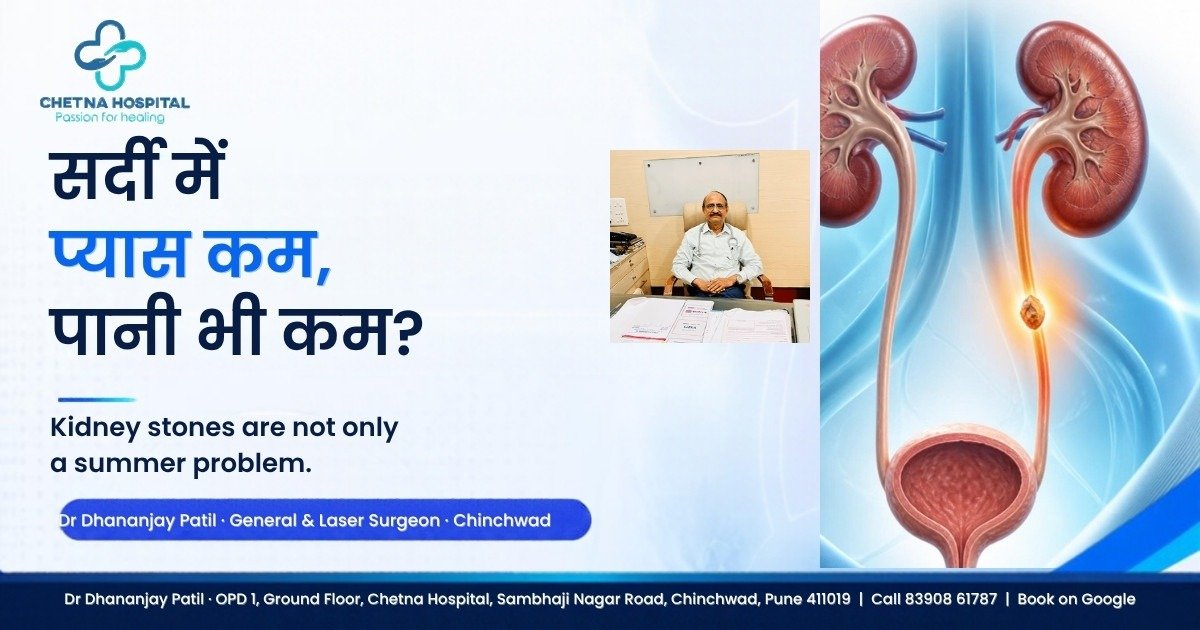
Kidney Stone Treatment in Chinchwad: Why Winter Thirst Can Fool You
Kidney stone treatment in Chinchwad, PCMC starts with a simple habit: drink enough water every day, even in cold weather when you feel less thirsty. The NHS lists not drinking enough water as a risk for kidney stones. If you have pain in your side or lower back that spreads to the groin, or stone pain with a fever or shivering, see a general surgeon such as Dr Dhananjay Patil at Chetna Hospital, Chinchwad.
Call 83908 61787 · WhatsApp · Directions on Google Maps
OPD 1, Ground Floor, Chetna Hospital, Sambhaji Nagar Road, Next to Pimpri Chinchwad Sahakari Bank, Sambhajinagar, Chinchwad, Pune 411019
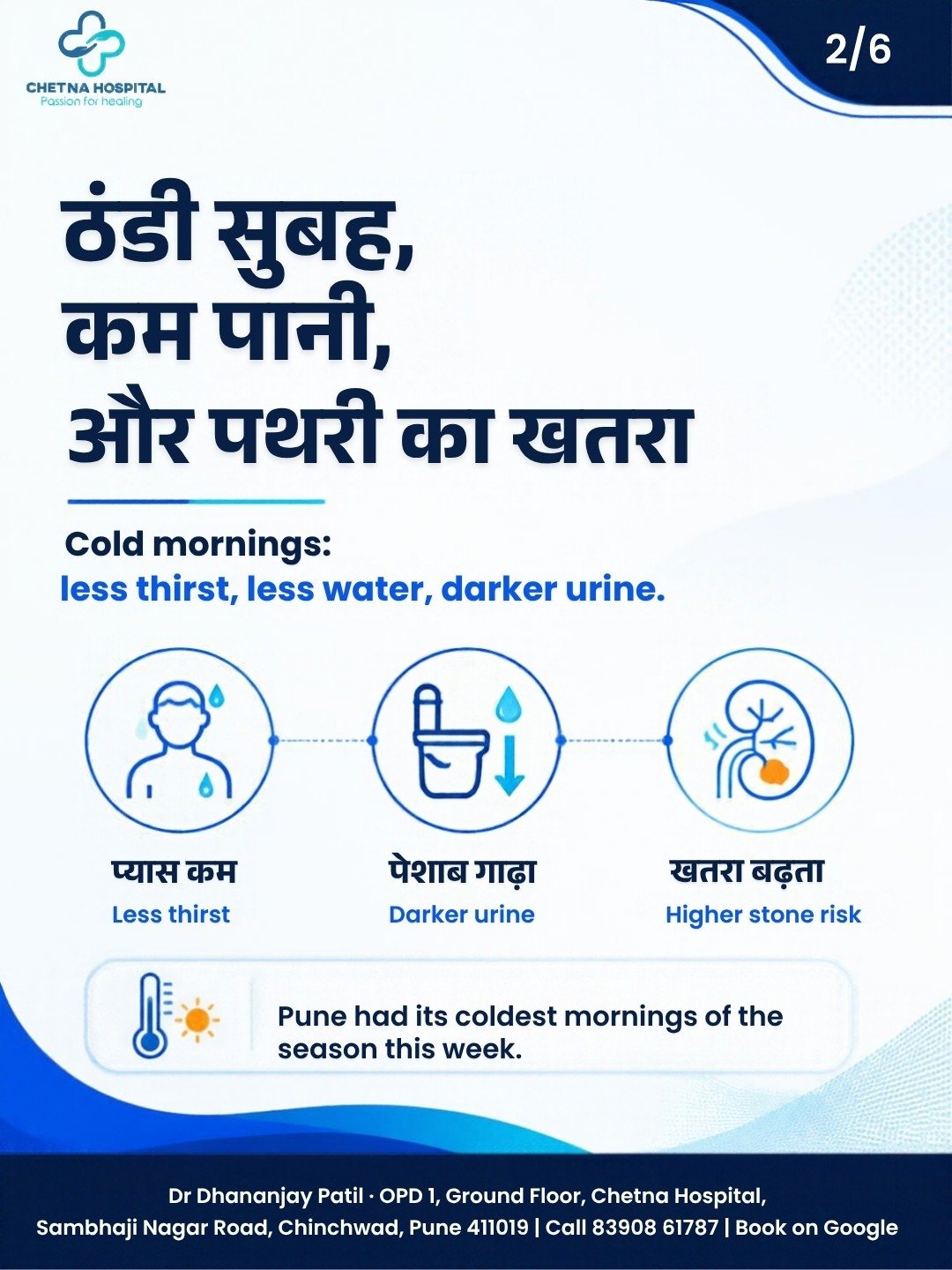
Why this is in the news now: Pune has just had its coldest mornings of the season, and the weather office expects the chill to continue. Cold weather is when many people quietly cut down on water.
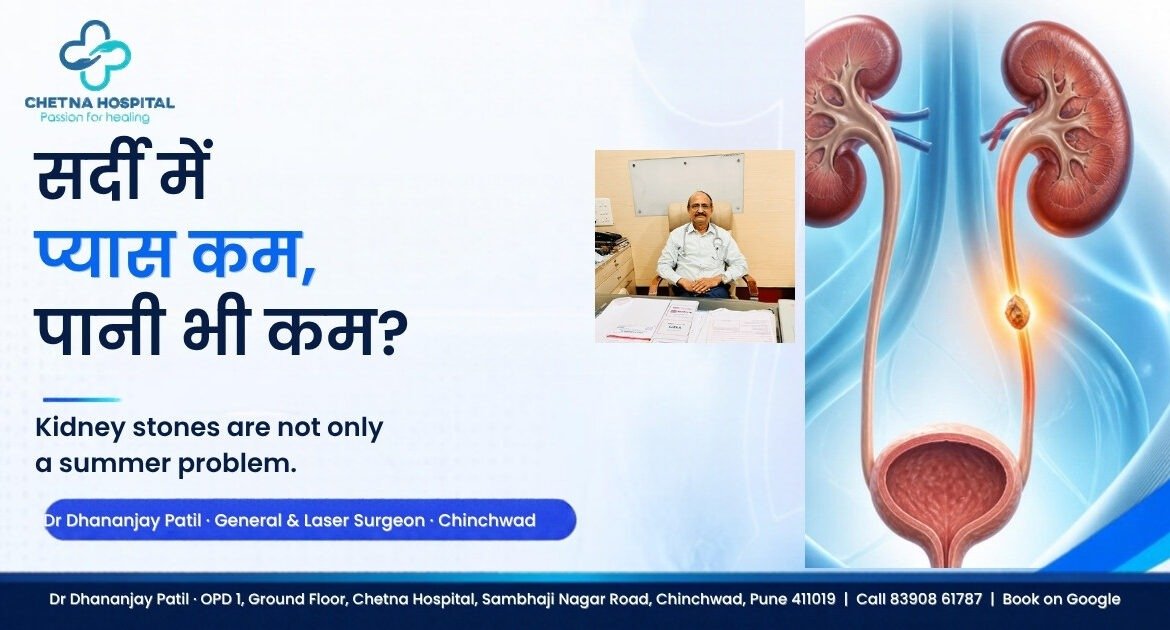
Kidney stones are not only a summer problem
Kidney stones form from a build-up of chemicals in the urine. The NHS page on kidney stones lists not drinking enough water to stay hydrated as one of the things that raise the risk, along with some medicines and a past history of stones. The US National Institute of Diabetes and Digestive and Kidney Diseases (NIDDK) puts it plainly: “drinking enough liquid, mainly water, is the most important thing you can do to prevent kidney stones.”
In summer, thirst reminds people to drink. In winter it often does not. Cold mornings, hot tea instead of water, and fewer trips to the water bottle at work can all add up to less fluid through the day, and darker, more concentrated urine.
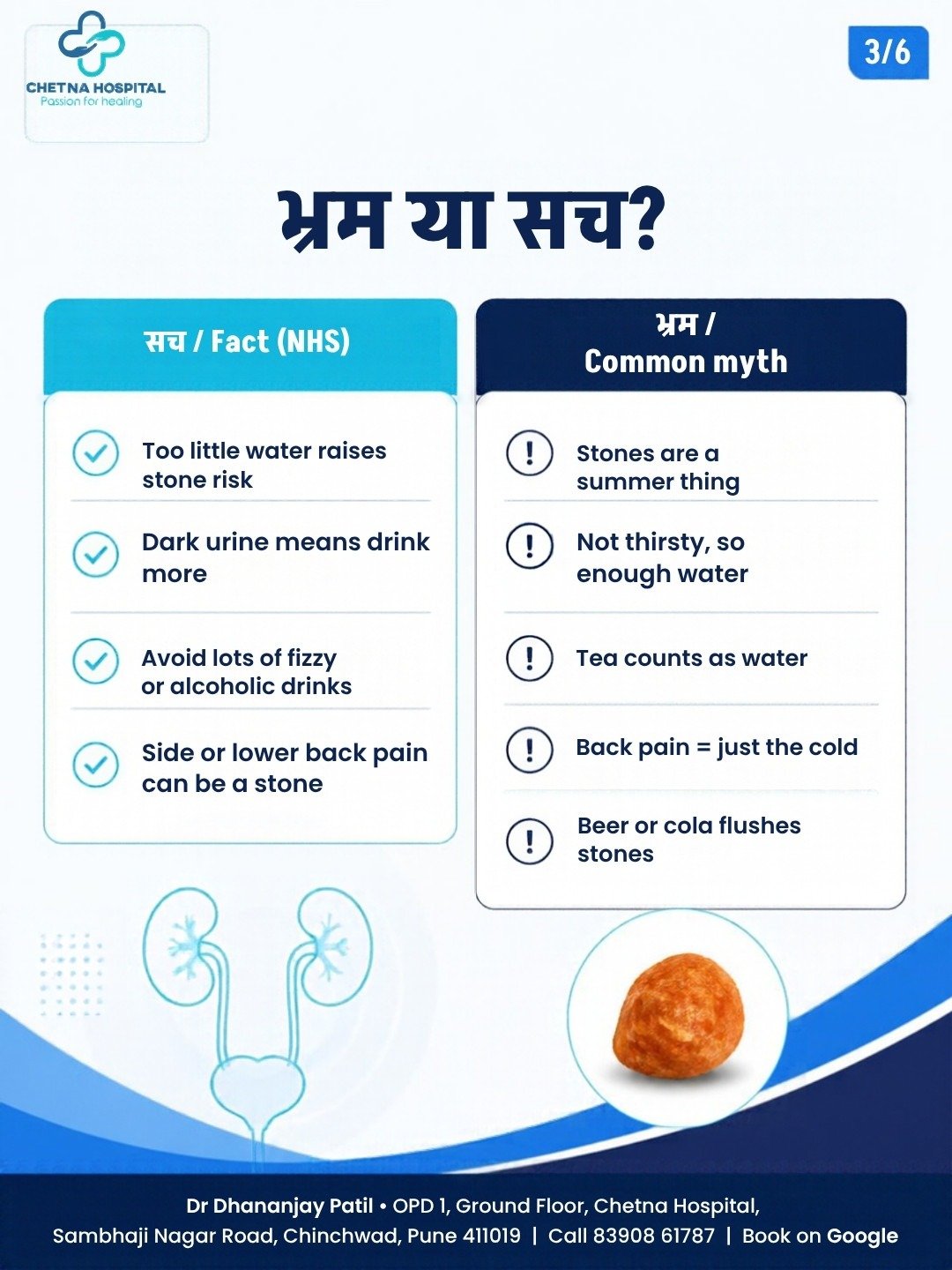
Myth or fact: water, winter and kidney stones
| Common belief | What the health guidance says |
|---|---|
| Kidney stones are a summer problem. | Not drinking enough water raises the risk in any season (NHS). |
| If I am not thirsty, I am drinking enough. | Check your urine instead. Dark urine means you are dehydrated and need to drink more (NHS). |
| Tea and cola count as water. | The NHS advises avoiding large amounts of fizzy, caffeinated or alcoholic drinks. Plain water is the main drink to rely on (NIDDK). |
| Back pain in winter is just the cold. | Stone pain usually starts in the side or lower back and can spread to the groin. It can come and go (NHS). |
| Beer or cola helps flush stones out. | NHS advice is to avoid large amounts of fizzy and alcoholic drinks, not to use them as treatment. |
Signs that point to a kidney stone
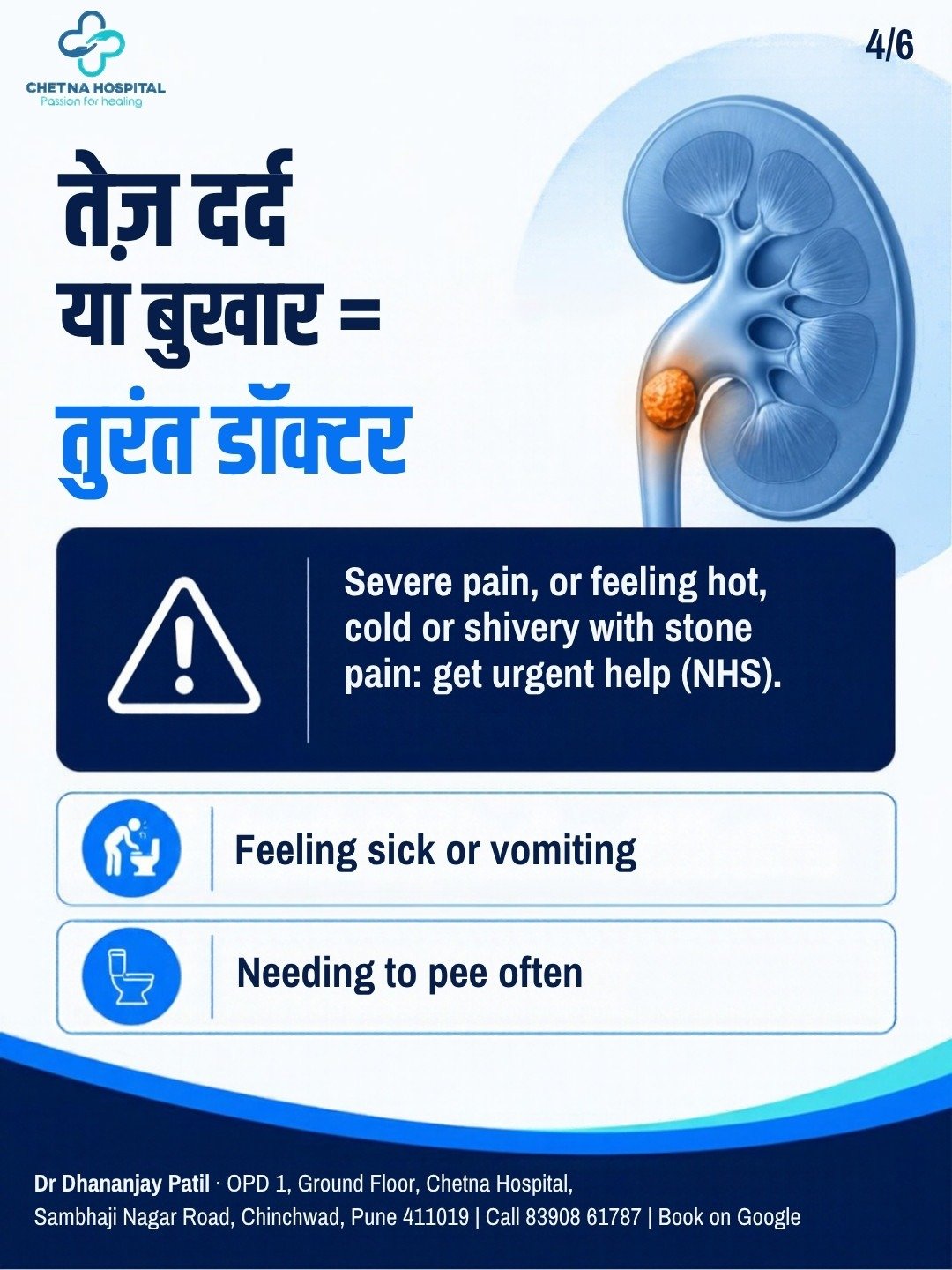
Small stones often cause no symptoms and can pass in the urine without being noticed. Larger stones can cause severe pain. According to the NHS, symptoms can include:
- pain in the side or lower back that may spread to the groin, and may come and go
- a high temperature
- feeling sick or being sick
- needing to pee often
- cloudy pee
When stone pain is urgent
The NHS advises getting urgent medical help if you think you have a kidney stone and you are in severe pain, or you have a high temperature or feel hot, cold or shivery. Fever with stone pain can mean infection behind a blocked kidney, which should not wait.
Simple winter habits that lower the risk
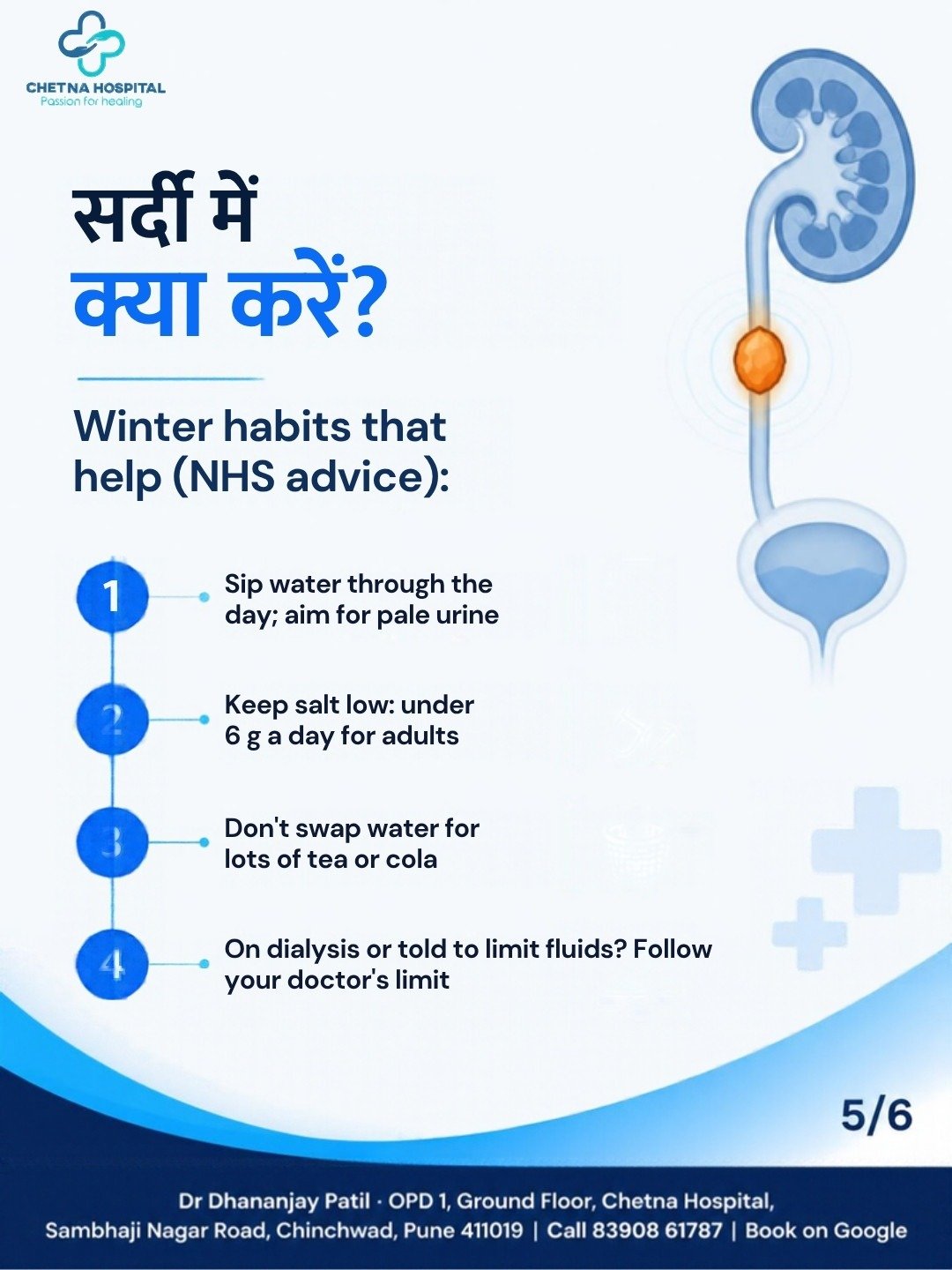
- Sip water through the day. Aim for pale urine. The NHS suggests adults drink 2.5 to 3 litres of water a day to help prevent stones.
- Keep salt low. The NHS advises adults to have less than 6 g of salt a day. Watch pickles, papad, namkeen and packaged soups.
- Don’t swap water for tea or cola. Avoid large amounts of fizzy, caffeinated or alcoholic drinks (NHS).
- Don’t change your diet on your own if you have had stones before; the NHS advises speaking to your doctor first.
- On dialysis, or told to limit fluids for kidney or heart reasons? The usual water advice does not apply to you (NIDDK). Follow the fluid limit your doctor has set.
When a stone needs more than water
Many small stones pass on their own with pain relief and fluids. Some do not. Our guide on when a kidney stone needs a procedure explains the signs that point to further treatment, such as pain that cannot be controlled, a stone that is not moving, or a blocked kidney. A surgeon decides after examination and scans whether any procedure is needed at all.
Bring any earlier scan reports and a list of the medicines you take to the visit. The NHS notes that some medicines, including aspirin, antacids, diuretics and some antibiotics, can raise the risk of kidney stones, so your doctor may want to review them. Do not stop a prescribed medicine on your own.
The same general surgery clinic also sees other common problems, from hernia treatment in Chinchwad to anal fistula treatment in Chinchwad and lipoma removal in Chinchwad.
Stone pain? Call 83908 61787 · WhatsApp · Book on Google
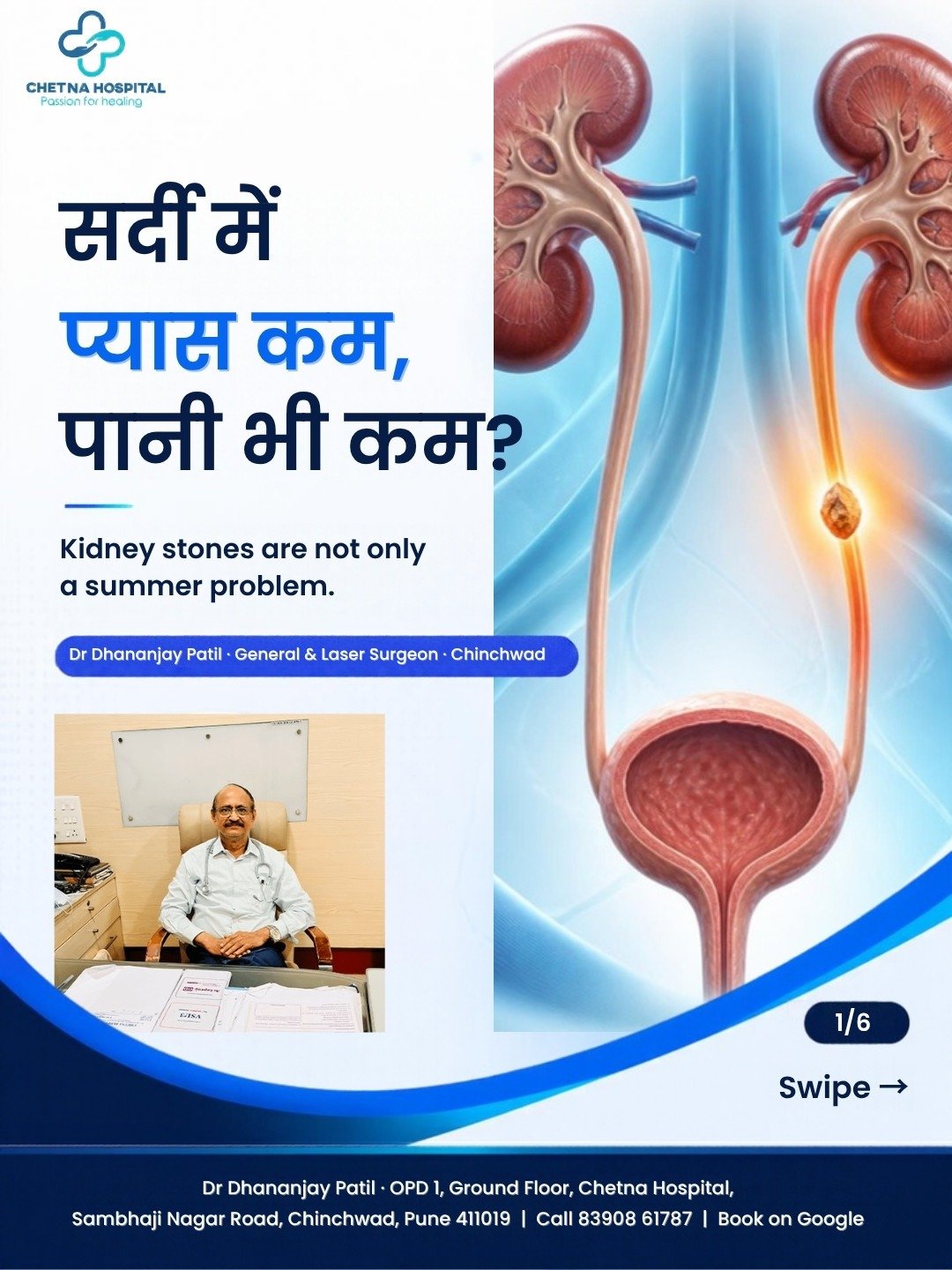
The winter kidney stone guide in six slides
What patients say
Rekha · Google review, September 2026 · ★★★★★
“He listened to my concerns patiently and explained the condition and treatment options clearly. I liked his straightforward and calm approach.”
Arjun · Google review, June 2026 · ★★★★★
“He explained the surgery, recovery process, and follow-up care in detail, which gave me confidence.”
Read all Google reviews for Dr Dhananjay Patil. Individual experiences vary.
Consultation near you
Dr Dhananjay Patil sees patients at OPD 1, Ground Floor, Chetna Hospital, Sambhaji Nagar Road, Next to Pimpri Chinchwad Sahakari Bank, Sambhajinagar, Chinchwad, Pune 411019. Areas served: Chinchwad, Pimpri, Akurdi, Nigdi, Ravet, Wakad, Hinjewadi, Pimple Saudagar, Thergaon, Tathawade, Punawale, Moshi and Bhosari.
OPD hours on Google: Monday to Saturday 10 am to 1 pm and 5 pm to 9 pm; Sunday 10 am to 1 pm. Call 83908 61787 before you come.
Frequently asked questions
Where can I get kidney stone treatment in Chinchwad?
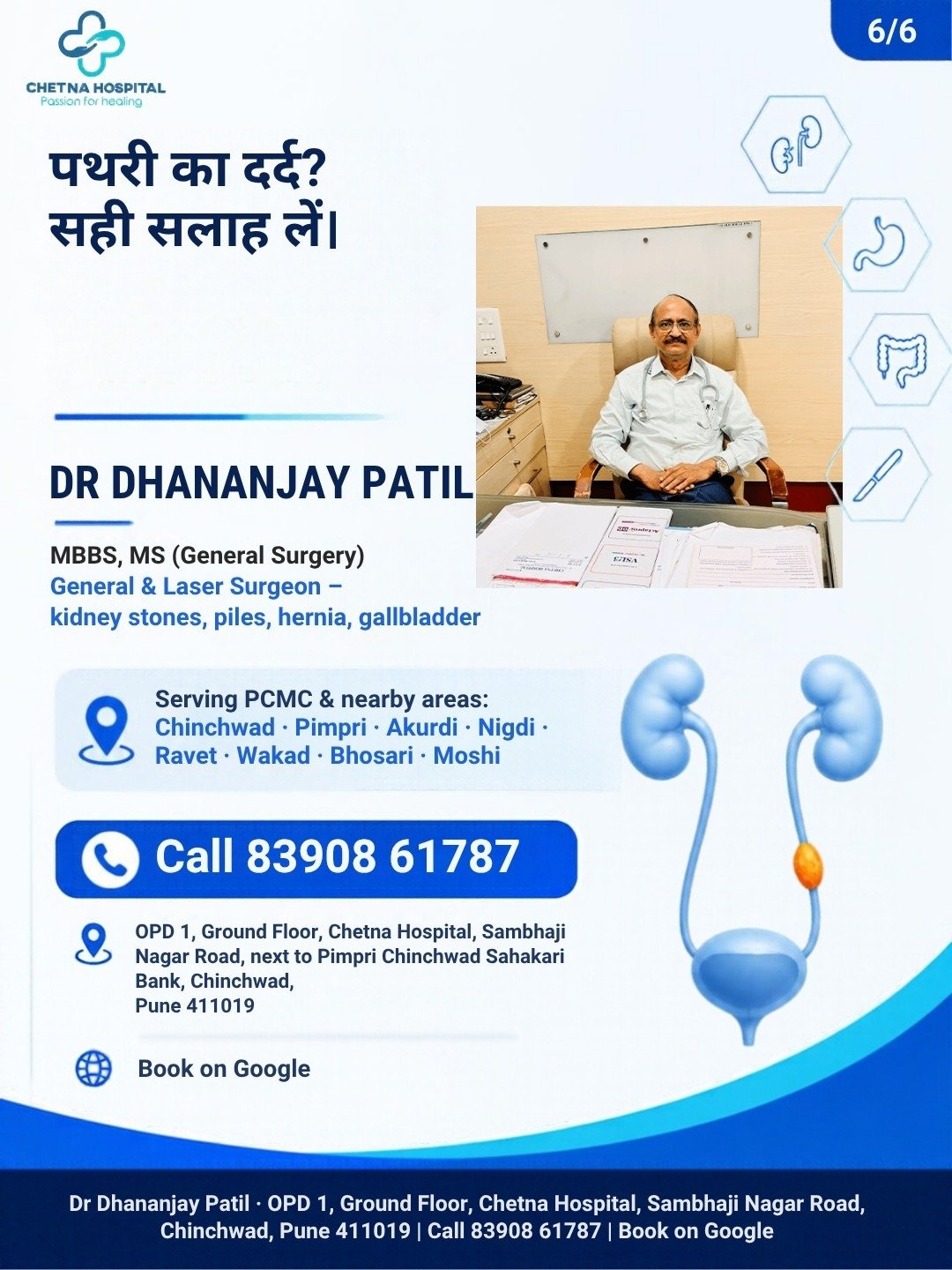
Dr Dhananjay Patil, General and Laser Surgeon, sees patients with kidney stones at OPD 1, Chetna Hospital, Sambhaji Nagar Road, Chinchwad, Pune 411019. Call 83908 61787 to book.
Can you get kidney stones in winter?
Yes. Not drinking enough water raises the risk in any season, and many people drink less when the weather is cold and they feel less thirsty.
How do I know if I am drinking enough water?
Look at your urine. The NHS says dark urine means you are dehydrated and need to drink more. Aim for pale urine through the day.
Do tea and cola count towards my water?
The NHS advises avoiding large amounts of fizzy, caffeinated or alcoholic drinks. Plain water is the main drink to rely on.
When is kidney stone pain an emergency?
Get urgent medical help if you have severe pain, or a high temperature or feel hot, cold or shivery along with the pain.
Call 83908 61787 · WhatsApp · Directions on Google Maps
Your doctor: Dr Dhananjay Patil
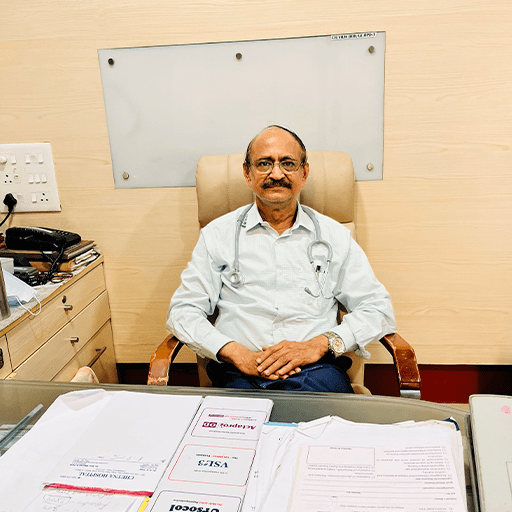
Dr Dhananjay Patil, MBBS, MS (General Surgery), Government Medical College, Nagpur. Consultant General Surgeon at Chetna Hospital, Chinchwad, with 44 years in general surgery according to his doctor profile. Call 83908 61787.
This article is general health information from Chetna Hospital and is not a substitute for a doctor’s examination.