
What Are Spinal Cord Injections?
A spinal cord injection delivers medication directly into or around the spine to relieve pain, reduce inflammation, or provide anesthesia. Instead of relying on pills that circulate through your entire body, this approach targets the exact source of discomfort. Doctors often recommend these injections when back pain, nerve compression, or inflammation refuses to respond to conventional treatments.
Chronic back pain and radiculopathy require expert intervention. At Chetna Hospital, Chinchwad, we provide advanced Spinal Cord Injection Treatment led by Dr. Nirmal Patil, a renowned Spine Specialist in Pune. Whether you are seeking relief from a herniated disc or sciatica, our minimally invasive approach ensures a faster return to your daily routine
Medical professionals use different names depending on how they deliver the injection. An intrathecal injection enters the spinal fluid, while an epidural injection targets the space surrounding the spinal cord. Each method serves a specific purpose, and your doctor selects the most effective route based on your symptoms and diagnosis.
You might hear the term spinal cord injection route name during consultations. This simply refers to the pathway used to administer the medication. Common routes include epidural, intrathecal, and nerve root approaches. Each option offers unique benefits, and understanding them helps you make informed decisions about your treatment.
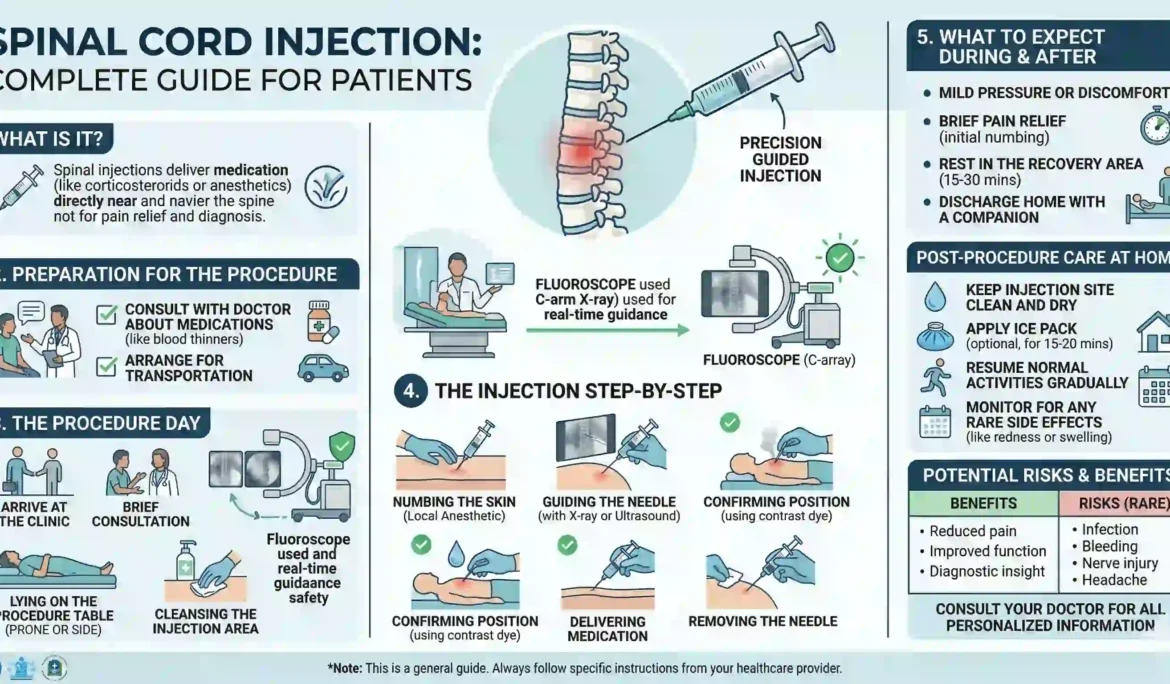
What is the Spinal Cord Injection Process at Chetna Hospital?
Dr. Nirmal Patil performs these injections under fluoroscopic (X-ray) guidance to ensure 100% precision. The procedure is:
Quick Recovery: Most patients return home within hours.
Minimally Invasive: No major incisions or hospital stays.
Targeted Relief: Medication is delivered directly to the inflamed nerve root.
Types of Spinal Cord Injections
| Feature | Facet Joint Injection | Epidural Injection |
|---|---|---|
| Target Area | Small joints in the spine | Nerve roots in the epidural space |
| Best For | Arthritis, degenerative disc disease | Sciatica, nerve compression |
| Purpose | Pain relief + diagnosis | Reduce inflammation |
| Duration | Short to medium relief | Medium to long relief |
Epidural Steroid Injection
Doctors frequently use epidural steroid injections (ESIs) to treat chronic back and leg pain. This procedure introduces a corticosteroid into the epidural space, reducing inflammation around irritated nerves. Patients dealing with herniated discs or sciatica often experience significant relief after this treatment.
Many specialists choose ESIs because they act quickly and effectively. The steroid reduces swelling, while the anesthetic provides immediate comfort. Most patients notice improvement within a few days, although results vary depending on the severity of the condition.
Spinal Anesthesia Injection Name
Surgeons rely on spinal anesthesia injections, also known as subarachnoid blocks, during procedures like C-sections. This technique numbs the lower half of the body while allowing the patient to remain awake and alert. It offers a safer alternative to general anesthesia in many cases.
Nerve Root Block Injection
A nerve root block targets a specific nerve responsible for pain. Doctors use this method both for diagnosis and treatment. By injecting medication near the affected nerve, they can confirm the pain source and provide rapid relief at the same time.
Which Injection Is Used for the Spine?
Doctors select spinal injections based on the underlying condition rather than using a single universal option. For general lower back pain, epidural steroid injections often deliver the best results. When nerve compression causes sharp, radiating pain, nerve root blocks tend to work more effectively.
Patients with L4-L5 lumbar issues usually benefit from a combination of steroids and local anesthetics. This combination reduces inflammation while offering immediate pain relief. Instead of guessing, specialists rely on imaging tests like MRI scans to determine the most suitable injection.
Diagnostic vs Therapeutic Spinal Injections
Not all spinal injections serve the same purpose. Doctors use them in two main ways:
Diagnostic Injections
- Help identify the exact source of pain
- Provide temporary relief
- Guide future treatment decisions
Therapeutic Injections
- Focus on long-term pain relief
- Reduce inflammation and nerve irritation
- Improve mobility and quality of life
This dual role makes spinal injections incredibly valuable. In many cases, a single procedure both identifies the problem and begins treatment.
How Spinal Cord Nerve Injections Work
Your nervous system functions like an electrical network, constantly transmitting signals between your body and brain. When a nerve becomes irritated or compressed, it keeps sending pain signals—even when no real danger exists. A spinal cord nerve injection interrupts this faulty communication.
Doctors inject a combination of anti-inflammatory medication and anesthetic directly near the affected nerve. The anesthetic blocks pain signals instantly, while the steroid reduces swelling over time. As inflammation decreases, the nerve begins to heal naturally, and pain gradually fades.
Fluoroscopy-Guided Spinal Injection (X-Ray Guided Precision)
Modern spine treatments rely heavily on fluoroscopy-guided spinal injections, a technique that uses real-time X-ray imaging to guide the needle with extreme precision. Instead of placing the injection blindly, doctors can clearly see the exact position of the needle and surrounding structures such as nerves, discs, and blood vessels. This significantly improves both the accuracy and safety of the procedure.
Fluoroscopy plays a critical role in reducing complications and increasing success rates. With this imaging guidance, the medication reaches the exact pain source, which enhances effectiveness and minimizes unnecessary tissue damage. Most top spine specialists, including advanced centers in Pune, perform fluoroscopy-guided injections as an outpatient procedure, meaning patients can return home the same day.
From a patient’s perspective, this technology provides reassurance. You’re not just receiving an injection—you’re getting a targeted, image-guided treatment designed for optimal results. If you’re considering a spinal cord injection in Pune, always confirm whether fluoroscopy guidance is used, as it reflects higher standards of care.
Spinal Cord Injection During C-Section
During a C-section, doctors commonly use spinal anesthesia to ensure a safe and comfortable delivery. This injection numbs the lower body within minutes, allowing the mother to stay awake while avoiding surgical pain. Many women appreciate this approach because it lets them experience childbirth without discomfort.
Hospitals usually allow a partner to remain present during the procedure. Emotional support plays a crucial role in reducing anxiety, and having a loved one nearby often makes the experience more reassuring.
Are You Awake During Spinal Injections?
Most spinal injections take place while the patient remains awake. Doctors sometimes provide mild sedation to help you relax, but you stay conscious throughout the procedure. This approach allows the medical team to monitor your response and ensure accuracy during the injection.
Patients often feel nervous beforehand, but the process typically moves quickly. Clear communication between the doctor and patient helps create a smoother and more comfortable experience.
Is a Spinal Injection Painful?
Many people worry about pain when they hear the term spinal cord injection needle. In reality, doctors numb the area with local anesthesia before inserting the needle. This step significantly reduces discomfort.
You may feel a brief pinch followed by slight pressure, but the sensation usually lasts only a few seconds. Compared to ongoing back pain, the procedure feels minor and manageable. Most patients walk away relieved rather than distressed.
Risks of Spinal Injections
Spinal injections are generally safe, especially when performed under imaging guidance. However, like any medical procedure, some risks exist:
- Mild pain or soreness at the injection site
- Temporary numbness or weakness
- Headache (especially after spinal anesthesia)
- Infection (rare)
- Bleeding or nerve irritation (very rare)
Side Effects of Spinal Anesthesia
- Low blood pressure
- Nausea or dizziness
- Temporary difficulty urinating
When to Call a Doctor
Contact your doctor immediately if you notice:
- Severe or worsening pain
- Fever or chills
- Loss of bladder or bowel control
- Persistent numbness or weakness
Early attention ensures quick management of any complications.
Can You Be Paralyzed by an Epidural?
The fear of paralysis often discourages patients, but it rarely reflects reality. Modern medical practices have reduced this risk to a low level. Cases of paralysis occur extremely rarely, especially when experienced professionals perform the procedure.
Success Rate of Spinal Injections
Clinical studies show that spinal injections achieve success rates between 50% and 80%, depending on the condition. Patients with inflammation-related pain often respond better than those with structural damage.
How Long Does a Spinal Injection Last?
Relief duration varies from person to person. Some patients experience improvement for several weeks, while others enjoy relief for months. A single injection sometimes provides long-term benefits, but doctors may recommend additional sessions if pain returns.
Post-Procedure Care and Recovery
After the injection, most patients can go home the same day since it is typically an outpatient procedure. You may feel immediate relief due to the anesthetic, while the steroid takes a few days to show full effect.
Doctors usually recommend:
- Rest for 24 hours
- Avoid strenuous activities
- Apply ice if needed
- Monitor symptoms
Gradual improvement over the next few days indicates a successful response.
What If Spinal Injections Don’t Work?
When injections fail to deliver sufficient relief, doctors explore alternative treatments. These options may include physical therapy, advanced pain management techniques, or surgical intervention in severe cases.
Patient Preparation Before Spinal Injection
Proper preparation improves both safety and outcomes. Doctors usually provide specific instructions, but here’s a general checklist:
- Avoid food or fasting for a few hours (if advised)
- Inform your doctor about all medications
- Stop blood thinners (only under medical guidance)
- Arrange for someone to drive you home
- Wear comfortable clothing
Following these steps ensures a smooth and stress-free experience.
Cost of Spinal Injection in PUNE
The cost of spinal injections depends on factors such as location, hospital, and procedure type.
| Procedure Type | Cost Range (INR) |
|---|---|
| Epidural Injection | ₹5,000 – ₹25,000 |
| Nerve Root Block | ₹10,000 – ₹30,000 |
| Spinal Anesthesia | ₹3,000 – ₹10,000 |
Best Clinics in Pune for Spinal Cord Injection
India offers high-quality spinal care through experienced specialists and advanced facilities. Hospitals like Chetna Hospital in PCMC, led by Dr. Nirmal Patil, focus on patient-centered treatment and modern pain management techniques.
Best Clinics in Pune PCMC
- Chetna Hospital
Top Spinal Injection Products in Pune
Doctors commonly use the following medications:
- Methylprednisolone
- Triamcinolone
- Bupivacaine
- Lidocaine
Final Thoughts
Spinal cord injections provide a targeted and effective solution for managing chronic pain. They reduce inflammation, interrupt pain signals, and improve the quality of life for many patients. With proper diagnosis and expert care, these injections can delay or even eliminate the need for surgery.
Consult Dr. Nirmal Patil – Expert Spine Care in Pune
If you’re struggling with chronic back pain, nerve compression, or considering a spinal cord injection, getting the right expert advice can make all the difference. Dr. Nirmal Patil, a highly skilled Spine Specialist and Orthopaedic Surgeon, offers advanced, patient-focused treatment using minimally invasive techniques designed for faster recovery and long-term relief.
With extensive international training and years of surgical experience, Dr. Nirmal Patil provides comprehensive care for conditions like slipped discs, sciatica, spinal stenosis, and spine-related nerve pain, including precise spinal injections and nerve blocks.
📍 Visit: Chetna Superspeciality Hospital, Chinchwad, Pune
🌐 Website: www.chetnahospital.co.in
📞 Call Now: 9158680739 / 9158681123
Take the next step toward a pain-free life. Book your consultation today and explore the most effective treatment options tailored to your condition.
FAQs
Epidural steroid injections often provide the most effective relief for inflammation-related pain.
Experienced doctors perform these procedures safely using advanced imaging techniques.
Relief can last from a few weeks to several months, depending on the condition.
Epidural steroid injections remain the most widely used option.
Yes, most patients stay awake, although doctors may offer mild sedation.