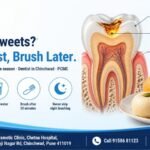




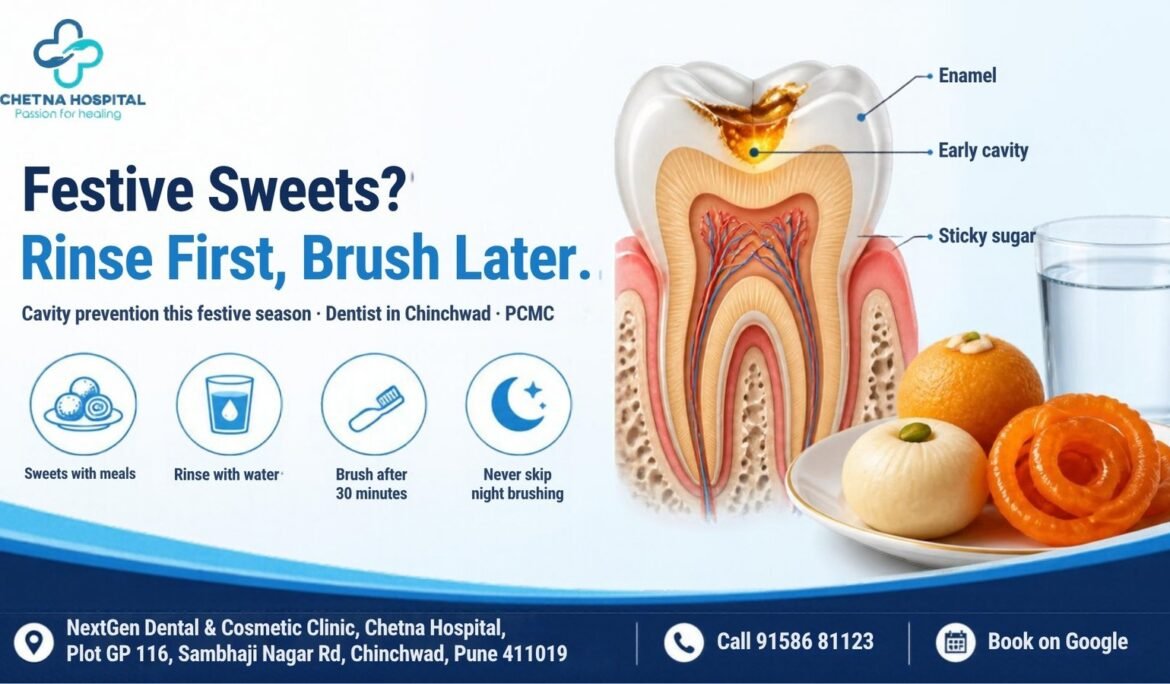
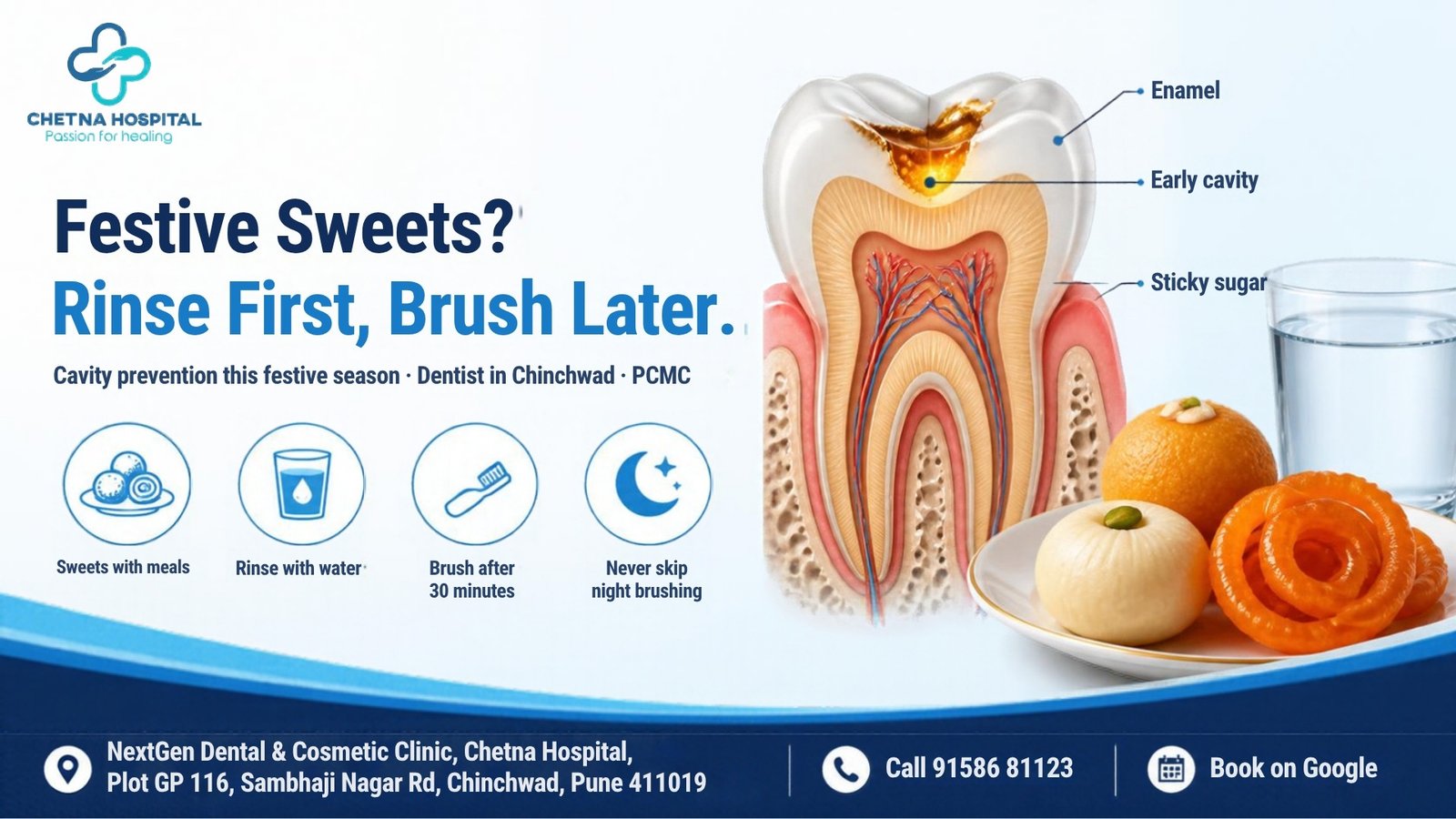
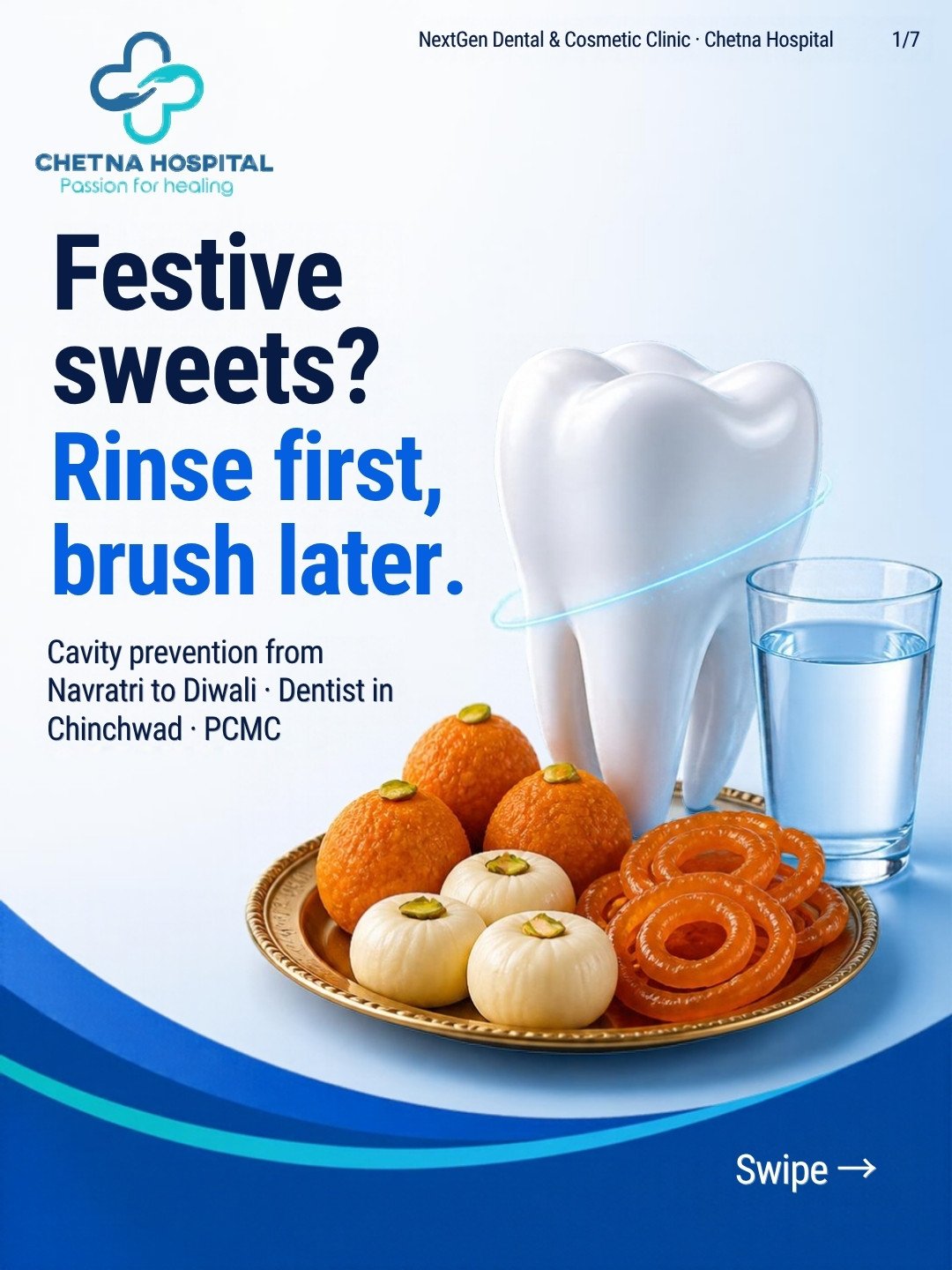
To stop festive sweets from causing cavities, eat them with your meals instead of nibbling through the day, rinse your mouth with plain water straight afterwards, and wait about 30 minutes before you brush. Brush twice a day with fluoride toothpaste, and never skip the night brush. If a tooth becomes sensitive to cold or sweet food, see a dentist in Chinchwad before a small cavity grows into a deep one.
NextGen Dental & Cosmetic Clinic – Dentist at Chetna Hospital, Chinchwad, Pune
📞 Call 91586 81123
📍 Get Directions
💬 WhatsApp
Chetna Hospital, Plot GP 116, G Block, MIDC, Sambhaji Nagar Road, Chinchwad, Pune 411019
This guide from NextGen Dental & Cosmetic Clinic at Chetna Hospital, reviewed by Dr Abhay Deosarkar, Dentist, explains what sugar does to enamel and the small habits that protect your teeth from Navratri to Diwali.
Why this is in the news now: Sharad Navratri began on Sunday 11 October 2026, and runs until 19 October, with Dussehra on 20 October (IBTimes India). The weeks from Navratri to Diwali are when sweets, prasad and sugary fasting foods are eaten many times a day.
Why do festive sweets cause tooth decay?
Your teeth are coated with plaque, a thin film of bacteria. When you eat sugar, these bacteria turn it into acid, and the acid pulls minerals out of the enamel. The World Health Organization calls free sugars in food and drinks the most common risk factor for dental caries, the medical name for tooth decay from sweets and other sugars.
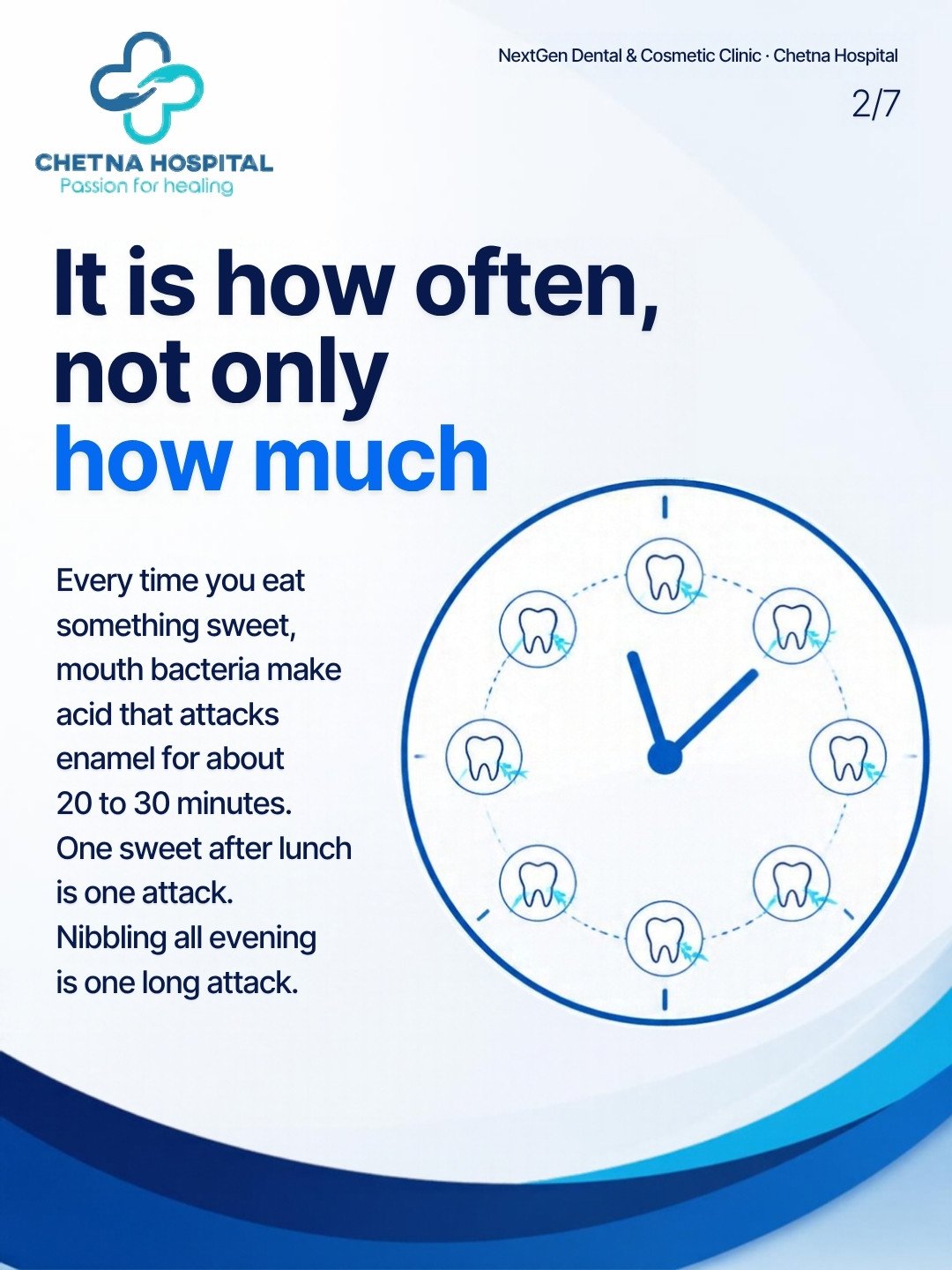
How often matters more than how much
Each time sugar enters your mouth, the acid attack on enamel lasts roughly 20 to 30 minutes. After that, saliva slowly neutralises the acid and puts minerals back. Two pieces of barfi eaten together after lunch mean one acid attack. Eaten at 11 am and 4 pm, with sweet chai at 5 and a ladoo at 7, they mean four, and the enamel never finishes repairing itself.
Which sweets and drinks are hardest on teeth?
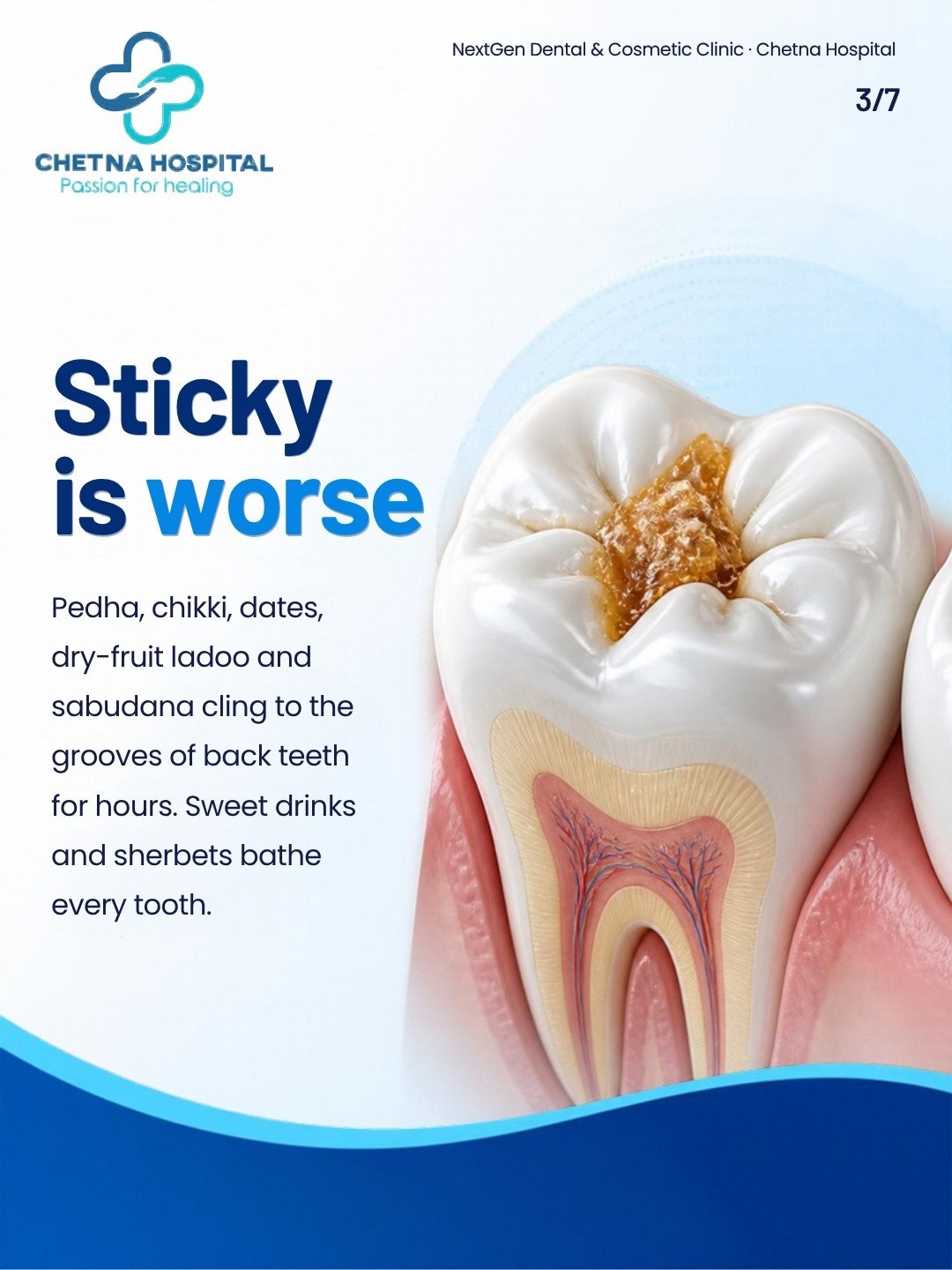
Sticky foods cling to the grooves of the back teeth and feed bacteria long after you have swallowed. Pedha, chikki, dates, dry-fruit ladoo and sabudana preparations all fall in this group. Sweet drinks are the other problem: sugary tea sipped slowly, sherbet, packaged juice and cola wash every tooth in sugar, and the fizzy and citrus ones are acidic too.
Rinse first, brush later: why the order matters
Rinsing with plain water straight after a sweet clears loose sugar and helps dilute the acid. It takes ten seconds, so you can do it at a relative’s house or a garba venue.
Brushing is different. Sugar and acidic drinks leave the enamel surface slightly softened, and scrubbing it straight away can wear it down. The Oral Health Foundation advises keeping sugary foods to mealtimes and waiting at least one hour before brushing. If an hour is not practical, give it about 30 minutes at the very least.
Seven habits for cavity prevention this festive season
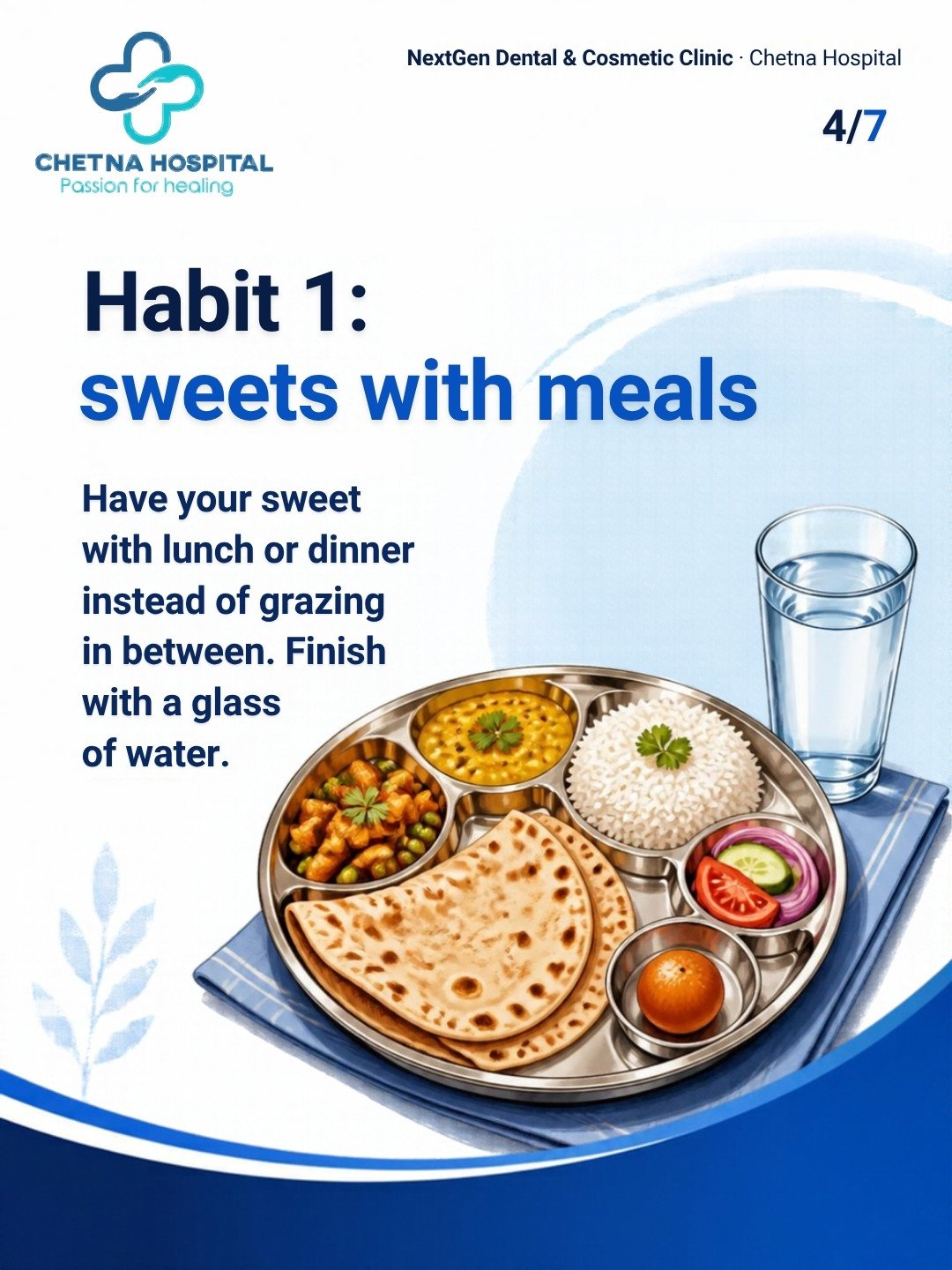
- Have sweets with meals, not between them.
- Rinse with plain water straight after every sweet, prasad or sweet drink.
- Wait about 30 minutes before brushing after sweets or acidic drinks.
- Brush twice a day with fluoride toothpaste for two minutes. The night brush matters most, because saliva flow drops while you sleep. Spit out the foam, but don’t rinse it away with water.
- Clean between your teeth once a day with floss or an interdental brush.
- Chew sugar-free gum after meals if you like it. The American Dental Association notes that it increases saliva flow, though it does not replace brushing.
- Nothing sweet after the night brush.
For an easy daily routine, read our guide to the 2-2-2 rule for teeth.
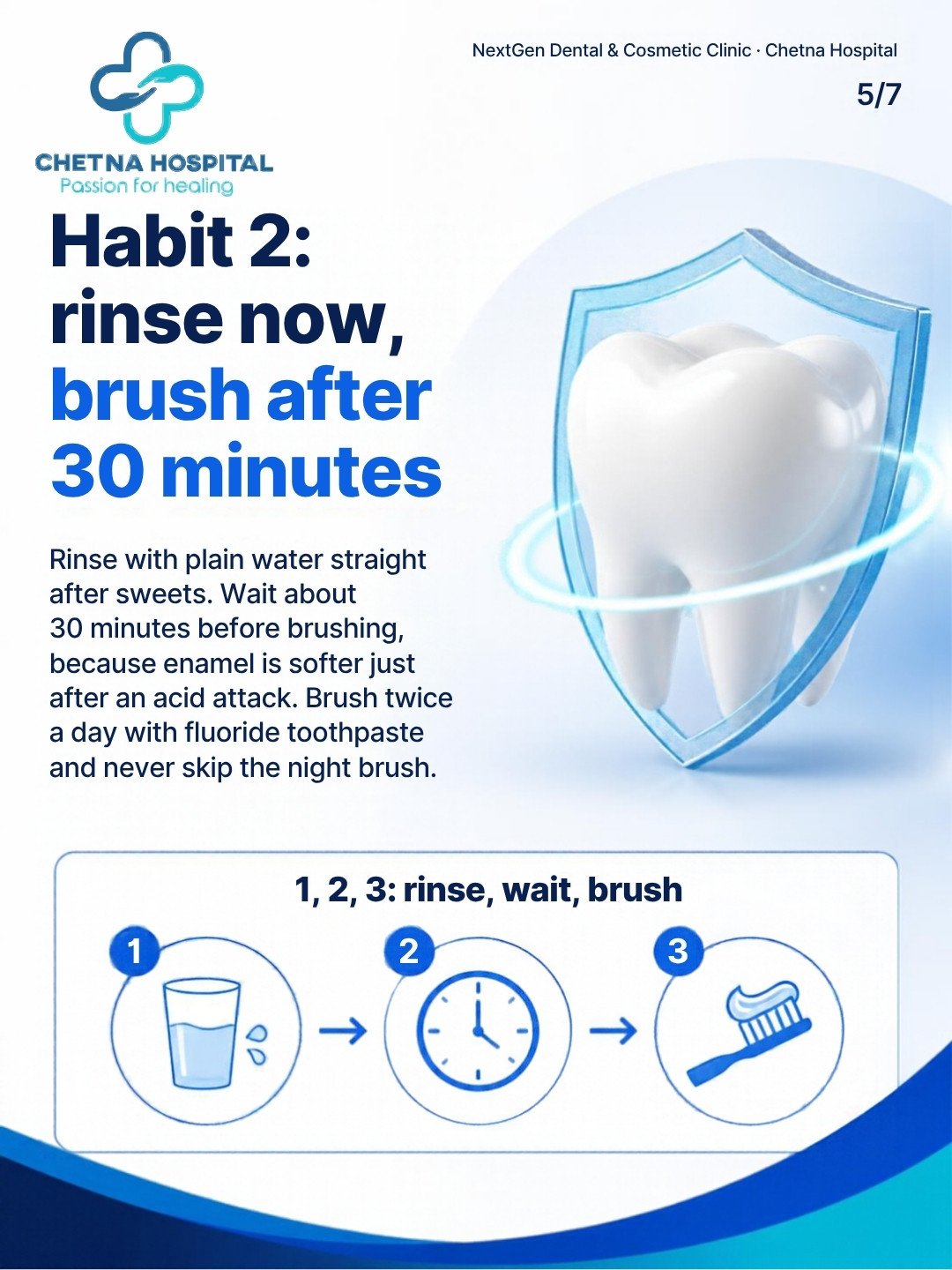
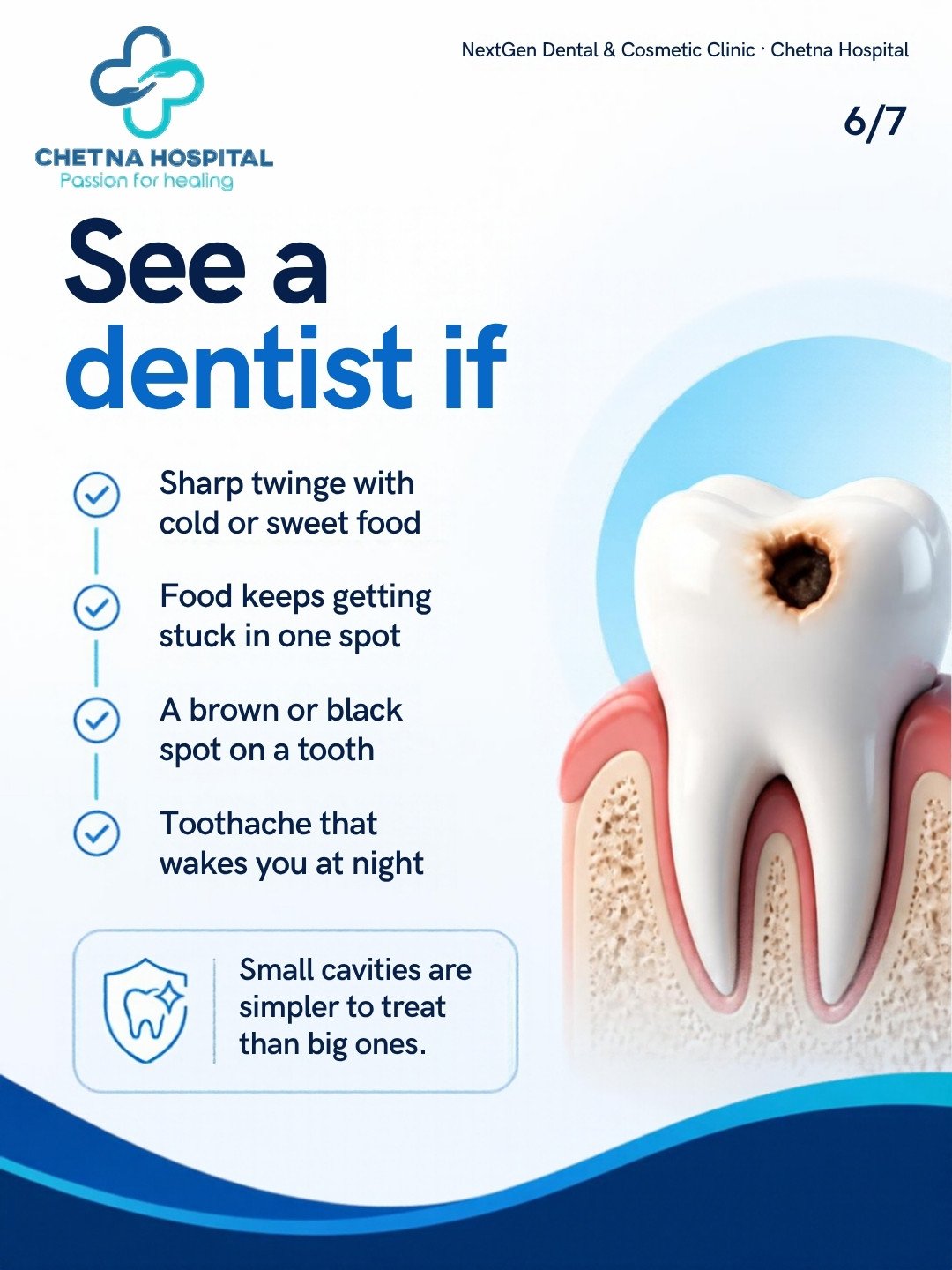
Swipe through our Instagram carousel on festive sweets and teeth.
Who needs extra care during the festival weeks?
Children
Let children enjoy a few sweets after a meal, then hand them a glass of water. The NHS guidance on children’s teeth recommends a smear of fluoride toothpaste for children under 3 and a pea-sized amount from 3 to 6 years, with an adult brushing or supervising, last thing at night and on one other occasion. No sweets, sweetened milk or juice at bedtime.
People with diabetes
High blood sugar is linked with gum problems and a dry mouth, and both raise the risk of decay. Keep up your dental check-ups. Our general medicine team manages diabetes at Chetna Hospital.
People with braces or aligners
Brackets and wires trap sticky sweets, and hard chikki can break a bracket. Take aligners out before eating or drinking anything sweet, and rinse or brush before you put them back.
People who are fasting
During a fast the mouth can get dry, and with less saliva the teeth have less protection. Many fasting foods are starchy or sugary. Sip water whenever your fast allows it, rinse after you eat, and brush before bed as usual.
Warning signs that need a dentist
Book a dental visit if you notice any of these:
- Tooth sensitivity to cold or sweet food that keeps coming back
- Food lodging in the same spot after every meal
- A brown or black spot or a visible pit on a tooth
- Toothache that wakes you at night
- Swelling of the gum, cheek or face
Night pain and swelling should not wait until after Diwali. Pain at the very back of the jaw can also come from a wisdom tooth; our article on wisdom tooth removal explains more.
What happens at a dental check-up?
A check-up is usually short. The dentist asks about your symptoms, looks at each tooth and the gums, and may take a small X-ray if a cavity is suspected between the teeth or under an old filling.
Decay caught early usually needs only a small filling. Decay that reaches the soft tissue inside the tooth may need root canal treatment, which is more involved. So come in when a tooth first becomes sensitive. [NextGen Dental: confirm OPD days and timings, and whether a post-festival check-up can be booked by WhatsApp]
Dental consultation near you in Chinchwad and PCMC
NextGen Dental & Cosmetic Clinic is inside Chetna Hospital, Plot GP 116, G Block, MIDC, Sambhaji Nagar Road, Chinchwad, Pune 411019. If you are searching for a dentist in Chinchwad, the clinic is within reach for families from Chinchwad, Pimpri, Akurdi, Nigdi, Ravet, Wakad, Hinjewadi, Pimple Saudagar, Thergaon, Tathawade, Punawale, Moshi and Bhosari. For the route, see our contact page.
Frequently asked questions
Should I brush right after eating sweets?
No. Rinse with plain water first and brush later. Sugar and acidic drinks soften the enamel for a while, and brushing straight away can wear that softened surface. Wait at least 30 minutes, and closer to an hour after acidic drinks.
Are sugar-free sweets safe for teeth?
They are kinder to teeth than sweets made with sugar, because decay bacteria cannot turn most sugar substitutes into acid in the same way. Check the label, though. Many “sugar-free” mithai still contain dates, figs, jaggery or honey, which are sugars and are sticky as well.
How do I know if I have a cavity?
Early decay often causes no symptoms. Later signs include a sharp twinge with cold, hot or sweet food, a brown or black spot, food packing into the same place, or toothache. Only an examination, sometimes with an X-ray, can confirm it.
Is jaggery better than sugar for teeth?
Not for your teeth. Jaggery is still sugar, and the bacteria in plaque turn it into acid just as they do with white sugar. It is also sticky, so it stays on the teeth longer. Rinse with water after it, as with any sweet.
Where can I see a dentist in Chinchwad?
NextGen Dental & Cosmetic Clinic is inside Chetna Hospital, Plot GP 116, G Block, MIDC, Sambhaji Nagar Road, Chinchwad, Pune 411019. Call or WhatsApp 91586 81123 to ask for an appointment.
NextGen Dental & Cosmetic Clinic – Dentist at Chetna Hospital, Chinchwad, Pune
📞 Call 91586 81123
📍 Get Directions
💬 WhatsApp
Chetna Hospital, Plot GP 116, G Block, MIDC, Sambhaji Nagar Road, Chinchwad, Pune 411019
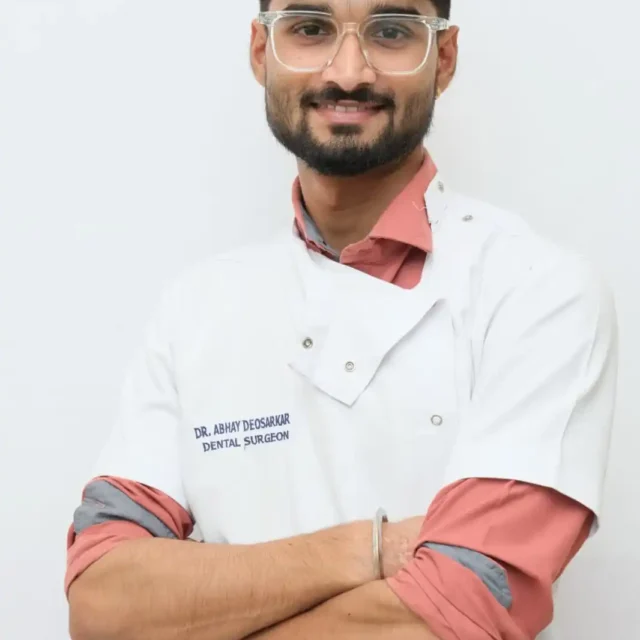
About the author: Dr Abhay Deosarkar
Dentist, NextGen Dental & Cosmetic Clinic, Chetna Hospital
BDS
Dr Deosarkar sees dental patients at Chetna Hospital, Chinchwad. View full profile
Medically reviewed by Dr Abhay Deosarkar. Last updated 11 October 2026.
Sources
- World Health Organization. Sugars and dental caries (fact sheet).
- Oral Health Foundation (UK). Diet and my teeth.
- NHS (UK). Taking care of children’s teeth.
- American Dental Association. Chewing gum (oral health topics).
- IBTimes India. Navratri 2026: dates, Ghatasthapana muhurat and nine days.
This article is general health information and does not replace a dental examination. Whether a tooth needs a filling or any other treatment is decided after the dentist has seen it.