Dry eye syndrome is a common condition that occurs when the eyes do not produce enough tears or when the tears evaporate too quickly. This can make the eyes feel uncomfortable and irritated, and vision may blur for a short time. Dry eyes are more common after the age of 50 and in women, but they can affect people of any age.
Causes of Dry Eyes
Several factors can contribute to dry eyes, including:
- Age: Tear production tends to decrease with age, making older adults more susceptible.
- Environmental Factors: Smoke, wind, hot or dry air and air conditioning can make tears dry up faster. Wearing contact lenses can also play a part.
- Medicines: Some medicines, including some allergy, blood pressure and depression medicines, can reduce tears. Do not stop any medicine without asking your doctor.
- Health Conditions: Blepharitis (inflamed eyelids), Sjögren’s syndrome, rheumatoid arthritis, diabetes and thyroid disease can affect tears. Hormone changes, such as during menopause, can also play a part.
- Digital Eye Strain: Long periods of screen time make you blink less, which can dry the eyes.
Symptoms of Dry Eyes
Common symptoms include:
- A gritty or sandy sensation in the eyes
- Burning or stinging sensations
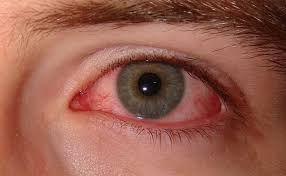
- Redness or irritation
- Blurred vision
- Watery eyes, which can happen when the eye makes extra tears in response to irritation
Treatment Options
If dry eye symptoms do not get better, see an eye care professional. Treatment options may include:
- Artificial Tears: Over-the-counter lubricating eye drops can provide relief and help restore moisture.
- Prescription Treatment: In some cases, an eye doctor may prescribe treatment to reduce inflammation in the eye.
- Lifestyle Changes: Taking regular breaks from screens, keeping your eyelids clean, using a humidifier and avoiding smoky or windy places can help.
- Punctal Plugs: If other treatments do not help, small plugs can be placed in the tear drainage openings to keep tears on the eye for longer.
Conclusion
Dry eyes can affect daily life, but they are not usually serious and can often be managed well. If you think you have dry eyes, an eye doctor can find the cause and suggest the right treatment for you. If you have very painful or red eyes, extreme sensitivity to light or worsening vision, go to an emergency department straight away or call 108 or 112.
For a consultation, call the eye care (ophthalmology) department at Chetna Hospital on 91686 90442.
Website – www.chetnahospital.co.in
Address – Chetna Hospital, Sambhajinagar, MIDC, G Block, Near Rotary Club, Chinchwad 411019
General health information, not a diagnosis. Reviewed and updated by Chetna Hospital’s content team with the help of AI writing tools, November 2026.