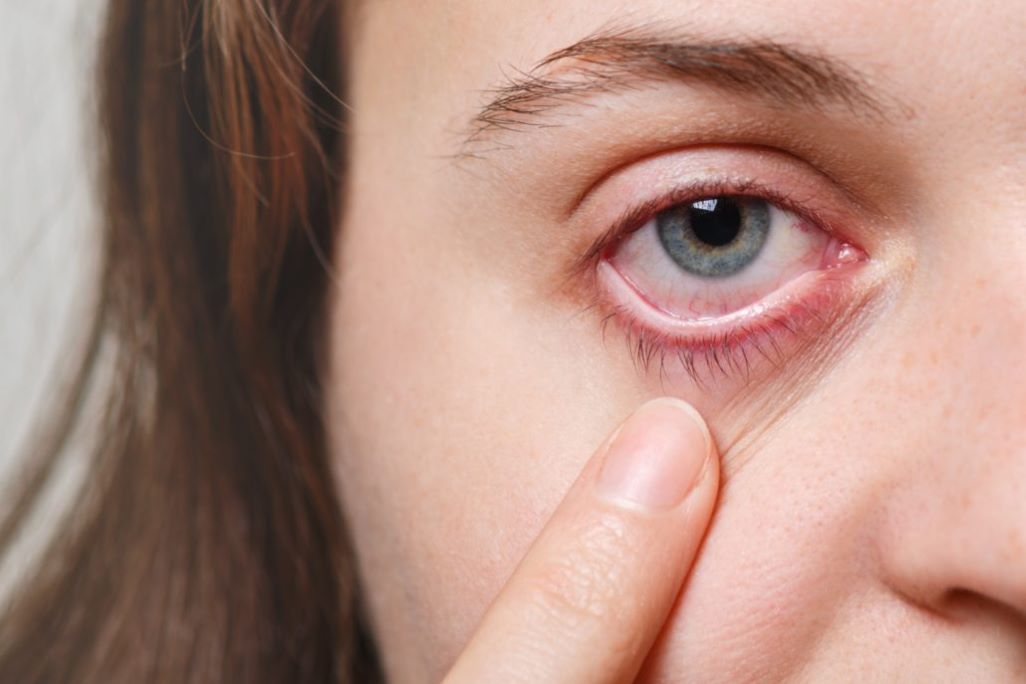
Dry eye syndrome is a common condition. It is often overlooked. Many people experience the discomfort of dry eyes but may not recognize the symptoms or understand the underlying causes. In this blog, we look at what dry eyes are, the common causes, symptoms to watch for, and the main treatment options.
What Are Dry Eyes?
Dry eyes, also known as keratoconjunctivitis sicca, occur when your eyes do not produce enough tears or when the tears evaporate too quickly. Tears are essential for keeping the surface of the eyes lubricated and healthy. They help wash away foreign particles, reduce the risk of eye infections, and maintain clear vision. Without enough tears, the eyes can become irritated and inflamed. Severe dry eye that is not treated can damage the surface of the eye.
Causes of Dry Eyes
Dry eyes can result from several factors, ranging from environmental influences to medical conditions. Some of the most common causes include:
1. Age
As we age, the eyes tend to make fewer tears. Dry eye is more common after the age of 50 and in women. Hormone changes during menopause, pregnancy or from the contraceptive pill can play a part.
2. Prolonged Screen Time
In today’s digital age, many people spend long hours looking at screens, whether it be computers, smartphones, or televisions. When we focus on a screen, we tend to blink less often, so the surface of the eye dries more. This can cause dryness and irritation, a condition commonly referred to as digital eye strain or computer vision syndrome.
3. Environmental Factors
Dry or windy environments can increase the evaporation of tears from the surface of your eyes. Air conditioning, heating, and exposure to smoke or pollution can exacerbate this problem. People who live in hot, dry climates or spend a lot of time in air-conditioned rooms are more likely to get dry eyes.
4. Medical Conditions
Several medical conditions can contribute to dry eye syndrome. For example:
- Autoimmune diseases like Sjogren’s syndrome or rheumatoid arthritis can damage the tear-producing glands.
- Diabetes is linked with dry eyes.
- Thyroid disorders can also interfere with tear production and the balance of the tears.
- Blepharitis, an inflammation of the eyelids, can upset the tear film and cause discomfort.
5. Medications
Some medicines can reduce tears as a side effect. These include some:
- Allergy medicines (antihistamines)
- Decongestants
- Water tablets (diuretics)
- Medicines for depression
- Blood pressure medications
If you take any of these and notice dry eyes, talk to your doctor. Do not stop any medicine on your own.
6. Contact Lens Use
Wearing contact lenses can make dry eyes more likely. Wearing lenses for too long, or not caring for them properly, can cause dryness, discomfort and irritation.
7. Surgery
Eye surgery such as LASIK can affect the tears for a while. Dry eyes are common after such surgery and usually improve over time.
Symptoms of Dry Eyes
Dry eye syndrome can cause a wide range of symptoms, which may vary in intensity. Some common signs include:
- A gritty feeling in the eyes: People with dry eyes often describe a sensation like there is something in their eyes.
- Burning or stinging: Dryness can lead to irritation that feels like a burning or stinging sensation.
- Redness: Inflammation caused by dryness can make the eyes appear red and bloodshot.
- Blurred vision: Tears help to maintain clear vision. Insufficient moisture can lead to blurred or fluctuating vision.
- Sensitivity to light: Dry eyes can make people more sensitive to light, which is uncomfortable in bright places.
- Tired eyes: People with dry eyes may feel like their eyes are tired or heavy, especially after reading or using a computer for extended periods.
- Excessive tearing: Some people with dry eyes get watery eyes, because the eye makes extra tears in response to the irritation.
If you notice any of these symptoms, it’s important to consult an eye specialist to determine whether you have dry eyes and to rule out other underlying conditions.
Diagnosis of Dry Eyes
To diagnose dry eye syndrome, your eye doctor will conduct a comprehensive eye exam, which may include:
- Measuring tear production: Your doctor may use a test called the Schirmer test, where small strips of paper are placed under the lower eyelid to measure the amount of tears produced.
- Tear film break-up time: This test measures how long it takes for tears to evaporate from the surface of your eyes after a blink.
- Microscopic examination of the cornea: Special dyes may be used to highlight the surface of the eye and check for damage caused by dryness.
- Testing for underlying conditions: If your doctor suspects an underlying health condition, they may order additional tests or blood work.
Treatment Options for Dry Eyes
Dry eyes can usually be managed. The treatment depends on how severe the condition is and what is causing it. Some common treatment options include:
1. Artificial Tears
Lubricating eye drops (artificial tears) can ease dryness. These drops are available in different formulations, including preservative-free options for people with sensitive eyes.
2. Prescription Medications
If lubricating drops are not enough, an eye doctor may prescribe treatment to reduce inflammation on the surface of the eye or help the eye make more tears. Some of these are used only for a short time. Use only what your eye doctor prescribes for you.
3. Punctal Plugs
If other treatments are not enough, your doctor may suggest punctal plugs. These tiny plugs are placed in the tear drainage openings to keep tears on the eye for longer.
4. Lifestyle Modifications
- Taking regular breaks from screen time and practicing the 20-20-20 rule (every 20 minutes, look at something 20 feet away for at least 20 seconds) can help reduce digital eye strain.
- Using a humidifier to add moisture to dry indoor air can slow the drying of tears.
- Wearing sunglasses outdoors to protect the eyes from wind and dry air.
5. Surgical Options
Rarely, surgery may be needed to slow the drainage of tears so they stay on the eye for longer.
Prevention and Tips for Maintaining Healthy Eyes
- Keep your eyelids clean: Gently clean along the lash line, especially if you have blepharitis.
- Blink more often: Try to make a conscious effort to blink frequently, especially when working on a computer.
- Use protective eyewear: When outdoors, wear sunglasses to protect your eyes from the wind and sun.
Conclusion
Dry eyes are common and can affect daily life. Knowing the causes, symptoms and treatments helps you manage the condition. If dry eye symptoms do not settle, see an eye doctor, who can find the cause and suggest the right treatment. If you have very painful or red eyes, extreme sensitivity to light or worsening vision, go to an emergency department straight away or call 108 or 112.
For a consultation, call the eye care (ophthalmology) department at Chetna Hospital on 91686 90442.
Website – www.chetnahospital.co.in
Address – Chetna Hospital, Sambhajinagar, MIDC, G Block, Near Rotary Club, Chinchwad 411019
General health information, not a diagnosis. Reviewed and updated by Chetna Hospital’s content team with the help of AI writing tools, November 2026.