Introduction:
Dry eyes, though seemingly innocuous, can significantly impact daily life. From discomfort to impaired vision, understanding this condition is crucial. This guide covers the causes, symptoms, prevention strategies, and treatments for dry eyes, empowering individuals to manage this common ocular ailment effectively.
Understanding Dry Eyes:
Dry eye syndrome occurs when tears fail to adequately lubricate the eyes. Tears are essential for maintaining eye health, providing moisture, and nourishing the cornea. When tear production is insufficient or tears evaporate too quickly, dry eyes develop. This condition affects people of all ages and backgrounds, with varying degrees of severity.
Causes of Dry Eyes:
Numerous factors contribute to dry eyes, including environmental, lifestyle, and medical factors. Prolonged screen use, exposure to dry or windy climates, and indoor heating or air conditioning can exacerbate dryness. Aging, hormonal changes, certain medications, and medical conditions like autoimmune disorders or allergies can also increase the risk of dry eyes.
Symptoms of Dry Eyes:
Recognizing the symptoms of dry eyes is crucial for early intervention and management. Common symptoms include:
- Persistent dryness or itchiness
- Burning or stinging sensation
- Redness or irritation
- Sensitivity to light
- Blurred or fluctuating vision
- Feeling like something is in the eye
- Excessive tearing (a compensatory response to dryness)
These symptoms can vary in intensity and may worsen in certain situations, such as prolonged screen use or exposure to dry environments.
Prevention Strategies:
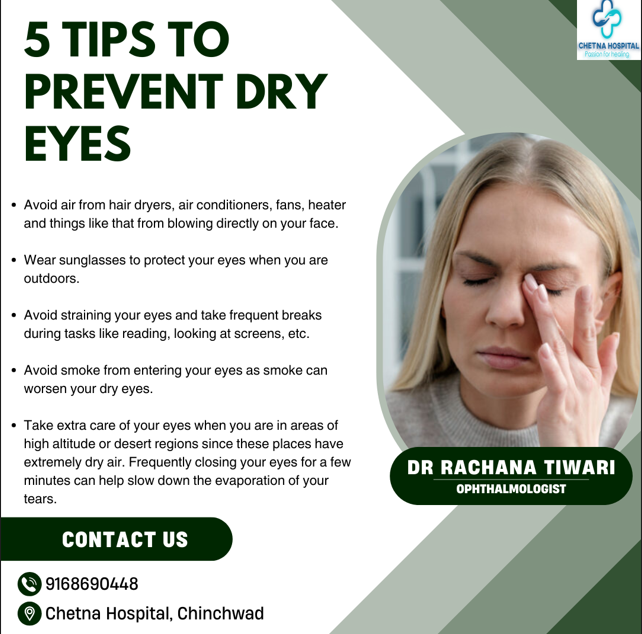
While dry eyes can be challenging to completely prevent, adopting certain lifestyle habits and environmental modifications can help alleviate symptoms and reduce the risk of exacerbation. Here are some preventive measures:
- Blink frequently, especially during screen time, to spread tears evenly.
- Maintain adequate hydration by drinking water regularly.
- Keep screens slightly below eye level.
- Use a humidifier to add moisture to indoor air.
- Take regular breaks during tasks that require prolonged focus, like reading or using digital devices.
- Wear wraparound sunglasses outdoors to protect eyes from wind and dust.
- Avoid smoking and exposure to smoke, which can worsen dryness.
Incorporating these strategies into daily life can help improve eye comfort and minimize the impact of dry eyes.
Treatment Options:
Treatment for dry eyes aims to alleviate symptoms, improve tear production, and restore ocular health. The choice of treatment depends on the underlying cause, severity of symptoms, and individual preferences. Common treatment options include:
- Artificial tears: Over-the-counter artificial tear drops or ointments can provide temporary relief by supplementing natural tear production and lubricating the eyes.
- Prescription medications: In cases of underlying inflammation or autoimmune disorders, prescription anti-inflammatory eye drops may be prescribed to reduce inflammation and improve tear quality.
- Punctal plugs: These tiny devices inserted into tear ducts help conserve natural tears by blocking drainage, thereby increasing tear retention and moisture on the eye surface.
- Lifestyle changes: Taking regular screen breaks, cleaning the eyelids daily with warm water, and avoiding smoke and dry or air-conditioned air can ease dry eye symptoms.
- In-clinic procedures: Treatments such as intense pulsed light therapy or meibomian gland expression may be recommended by eye care professionals for severe or refractory cases of dry eyes.
It’s essential to consult an eye care professional for a full evaluation and a treatment plan tailored to your needs, especially if symptoms last more than a few weeks. See an eye doctor promptly if your eye is painful and red, particularly if you wear contact lenses. If you have sudden changes in vision or vision loss, pain when looking at light, or a red eye with a severe headache and nausea, go to the nearest emergency department straight away or call 108 or 112.
Conclusion:
Dry eyes are a common and often bothersome condition that can significantly impact quality of life. By understanding the causes, recognizing symptoms, and implementing preventive measures, individuals can manage dry eyes and reduce discomfort. With the wide range of treatment options available, tailored approaches can be developed to address specific needs and improve ocular health. Looking after your eyes and seeking professional guidance are important steps in managing symptoms and protecting your vision.
General health information, not a diagnosis. Reviewed and updated by Chetna Hospital’s content team, November 2026.