A chalazion is a common eye condition that appears as a lump or swelling on the eyelid. A chalazion is usually harmless, but it can cause discomfort and irritation, and a large one can affect vision. Many go away on their own within a few months with warm compresses and gentle massage. If these do not work, a small operation may be suggested. This blog explains chalazion surgery, how it is done, recovery and what to expect.
What Is a Chalazion?
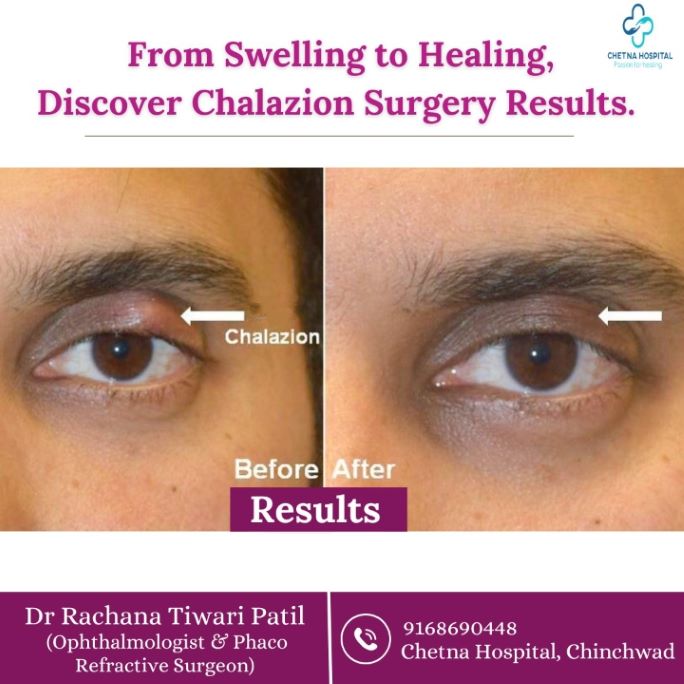
A chalazion occurs when an oil gland in the eyelid (meibomian gland) becomes blocked, which causes inflammation and swelling. Unlike a stye, which is caused by a bacterial infection, a chalazion is usually not painful. If it grows, it can press on the eye and blur vision, or people may want it treated because of how it looks.
When Is Chalazion Surgery Necessary?
Most chalazia go away on their own or with home care such as warm compresses and gentle massage. Surgery is usually considered only when:
- The chalazion has lasted for several months and has not improved with home care.
- It grows large enough to distort vision.
- Conservative treatments fail to provide relief.
- It keeps getting infected, or a lump keeps coming back in the same place (it may then be sent for testing).
Preparing for Chalazion Surgery
Before the surgery, the ophthalmologist will:
- Examine the eye and eyelid to confirm the diagnosis.
- Discuss your medical history and current medications.
- Give instructions before surgery, including what to do about any blood-thinning medicines. Do not stop any medicine unless your doctor tells you to.
It is a minor procedure, and you usually go home the same day.
The Chalazion Surgery Procedure
The operation is usually short. Here is what happens:
- Anaesthetic: A local anaesthetic injection numbs the eyelid. You may feel some pressure, and the injection can sting briefly. Young children may need a general anaesthetic.
- Incision and Drainage:
- The surgeon makes a small incision, usually from the inside of the eyelid, to access the chalazion.
- The contents of the chalazion are drained and scraped out (incision and curettage).
- Closure and Cleaning: Stitches are usually not needed. The area is cleaned, ointment may be put in, and a pad may be placed over the eye for a few hours.
Benefits of Chalazion Surgery
- Lump Removed: Surgery drains the lump, which can ease discomfort and blurred vision caused by pressure on the eye.
- Appearance: The eyelid usually looks normal again once swelling and bruising settle.
- Short Recovery: Most people return to normal activities within a few days.
- Risks: Serious problems are uncommon. Bruising and swelling are common for a few days, and a chalazion can come back.
Post-Surgery Care and Recovery
Good care after chalazion surgery helps recovery. Your doctor will provide specific instructions, which may include:
- Medicines: Use only the drops or ointment your eye doctor prescribes, as directed.
- Cold Compresses: Apply cold compresses to reduce swelling and discomfort.
- Avoid Touching or Rubbing the Eye: This minimizes the risk of infection or irritation.
- No Makeup or Contact Lenses: Refrain from using eye makeup or contact lenses until your doctor gives the green light.
- Follow-Up Appointment: Attend the follow-up visit to monitor healing and ensure no recurrence.
Results and Expectations
After surgery, swelling and bruising usually settle within a week or two. A firm area can take a few weeks to go down. Chalazia can come back, in the same place or elsewhere, especially if blepharitis or blocked eyelid glands are not managed. Get help the same day if the eyelid becomes increasingly red, swollen and painful, or you have a fever or changes in your vision.
Addressing Concerns About Chalazion Surgery
- Is Chalazion Surgery Painful?
- The local anaesthetic injection can sting for a moment, then the eyelid goes numb. Afterwards, the eyelid may feel sore for a day or two. Ask your doctor which pain relief is suitable for you.
- Are There Risks?
- Like any surgery, chalazion removal has some risks, such as bleeding, infection, scarring or the chalazion coming back. Serious problems are uncommon. Your eye doctor will explain the risks before surgery.
- Will It Leave a Scar?
- The cut is usually made on the inside of the eyelid, so a visible scar is unlikely. If the cut has to be made on the skin side, it may leave a small scar.
Preventing Chalazion Formation
To reduce the chances of developing another chalazion:
- Keep your eyelids clean by gently cleaning along the lash line.
- Treat underlying conditions like blepharitis or meibomian gland dysfunction.
- Use warm compresses if you feel early signs of blockage or swelling.
- Avoid touching your eyes with unclean hands.
Conclusion
Chalazion surgery is a common minor operation for eyelid lumps that do not go away with home care. It is usually considered only after simpler treatments have been tried.
If you have a chalazion that will not go away, an ophthalmologist can check it and explain your options.
The eye care (ophthalmology) department at Chetna Hospital in Chinchwad can check eyelid lumps.
For a consultation, call the eye care (ophthalmology) department at Chetna Hospital on 91686 90442.
Website – www.chetnahospital.co.in
Address – Chetna Hospital, Sambhajinagar, MIDC, G Block, Near Rotary Club, Chinchwad 411019
General health information, not a diagnosis. Reviewed and updated by Chetna Hospital’s content team with the help of AI writing tools, November 2026.