
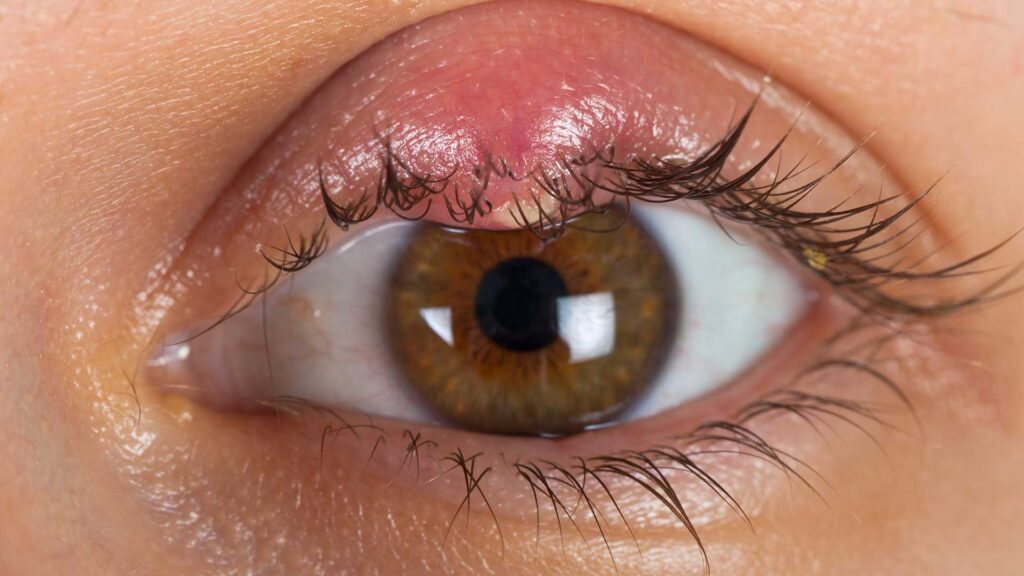
A chalazion is a small, harmless (non-cancerous), slow-growing lump that forms in the eyelid when a meibomian gland becomes blocked. These glands produce oils that lubricate the eye’s surface. When one of these glands becomes blocked, the area becomes inflamed and a chalazion forms. Chalazia are usually harmless, but they can cause discomfort and swelling, and a large one can blur vision. In this blog, we’ll explore what a chalazion is, its causes, symptoms, diagnosis, and treatment options.
What is a Chalazion?
A chalazion is not the same as a stye (hordeolum), though they are often confused due to their similar appearance. While a stye is an infection of the oil glands at the base of the eyelash, a chalazion results from a blocked oil gland further up in the eyelid. Chalazia are usually not painful unless they become infected, at which point they may resemble a stye in terms of discomfort. Unlike a stye, a chalazion is generally not associated with an active bacterial infection, making its treatment and progression somewhat different.
Chalazia often go away on their own within a few months, but some need treatment. They can occur on both the upper and lower eyelids, though they are more common on the upper eyelid due to the greater number of meibomian glands located there.
Causes of Chalazion
Chalazia are caused by the blockage of a meibomian gland in the eyelid. The oil (sebum) produced by these glands helps prevent the evaporation of tears from the surface of the eye. However, if the oil becomes too thick or the gland becomes blocked, the oil can’t flow out of the gland, causing a chalazion to form.
Several factors can contribute to the development of chalazia, including:
- Blepharitis: Chronic inflammation of the eyelids can increase the likelihood of gland blockages.
- Seborrheic Dermatitis: This condition causes flaky skin and may affect the oil-producing glands of the eyelids.
- Rosacea: Individuals with rosacea, a skin condition that causes redness and inflammation, may be more prone to chalazia.
- Previous Chalazia or Styes: People who have had them before are more likely to get them again.
- Poor Eye Hygiene: Poor eyelid hygiene, especially in individuals who wear makeup or contact lenses, can increase the risk.
- Hormonal Changes: These may affect oil production in the glands.
Symptoms of a Chalazion
The primary symptom of a chalazion is a lump or swelling on the eyelid. Initially, it may look like a stye, causing slight tenderness, redness, and swelling. Over the next days or weeks, the discomfort usually settles, and the lump becomes firm and usually stops hurting. Chalazia can vary in size, from a small pea-sized bump to larger, more noticeable growths.
Key symptoms include:
- Swelling on the Eyelid: A localized lump, usually in the upper eyelid, but it can occur in the lower eyelid as well.
- Redness and Inflammation: The affected area may appear red and slightly swollen, especially in the early stages.
- Tenderness: Chalazia usually do not hurt, but they can be mildly tender when they first form.
- Blurry Vision: In cases where a chalazion grows large, it can press against the eyeball, causing blurred vision.
- Irritation or Foreign Body Sensation: Some people may experience a sensation of having something in their eye due to the size and location of the chalazion.
Diagnosis of Chalazion
A chalazion is usually diagnosed through a physical examination by an ophthalmologist or optometrist. The doctor will examine the eyelid and the lump to differentiate it from other eye conditions like styes, cysts, or eyelid tumors. In most cases, no special tests are needed. If a lump keeps coming back in the same place or looks unusual, the doctor may remove it and send it for testing (biopsy) to rule out other conditions, such as a rare eyelid cancer.
Prevention of Chalazion
Preventing chalazia involves maintaining good eye hygiene and managing any underlying conditions like blepharitis or rosacea that may contribute to gland blockages. Some preventive measures include:
- Regular Cleaning of the Eyelids: Gently clean the eyelids along the lash line with warm water, or with a cleanser your eye doctor suggests, to remove excess oil and debris.
- Avoid Touching the Eyes: Keep hands away from the eyes, especially if they are dirty or oily, to prevent the introduction of bacteria or blockages.
- Manage Skin Conditions: If you have conditions like rosacea or seborrheic dermatitis, work with a dermatologist or ophthalmologist to manage them effectively.
- Replace Makeup Regularly: Old or contaminated makeup can introduce bacteria to the eyelids, increasing the risk of blockages and infections.
- Warm Compresses for Long-Term Blepharitis: If you have long-term blepharitis or blocked eyelid glands, regular warm compresses may help keep the glands flowing.
Complications
Although most chalazia are harmless and resolve on their own, complications can arise, especially if the chalazion becomes infected or persists for a long time. In such cases, it can lead to:
- Infection: Rarely, a chalazion becomes infected. If the eyelid becomes very swollen, red and painful, or the swelling spreads around the eye, especially with a fever, see a doctor the same day or go to an emergency department.
- Recurrent Chalazia: Some individuals may develop multiple or recurrent chalazia, especially if underlying conditions like blepharitis are not managed.
- Vision Problems: Large chalazia can press on the eyeball, causing astigmatism or other vision disturbances.
When to See a Doctor
Most chalazia can be treated at home first: hold a clean, warm (not hot) cloth on the closed eyelid for 5 to 10 minutes, then gently massage the lump. Do this a few times a day. Do not squeeze or pop the lump. See an ophthalmologist if a chalazion does not improve after several weeks of home care, grows large enough to affect your vision, or if you experience pain, excessive redness, or drainage from the lump. Medical evaluation is also necessary if you have recurrent chalazia, as it may indicate an underlying condition that needs treatment.
Conclusion
Chalazia are common eyelid lumps caused by blocked meibomian glands. They are usually harmless and many go away on their own within a few months. Larger or long-lasting chalazia may need treatment, such as a small operation under local anaesthetic to drain the lump. Good eyelid hygiene and managing conditions like blepharitis can help prevent them. If you notice any persistent or recurrent lumps on your eyelids, consult an eye care professional for appropriate diagnosis and treatment options.
For a consultation, call the eye care (ophthalmology) department at Chetna Hospital on 91686 90442.
Website – www.chetnahospital.co.in
Address – Chetna Hospital, Sambhajinagar, MIDC, G Block, Near Rotary Club, Chinchwad 411019
General health information, not a diagnosis. Reviewed and updated by Chetna Hospital’s content team with the help of AI writing tools, November 2026.