Introduction
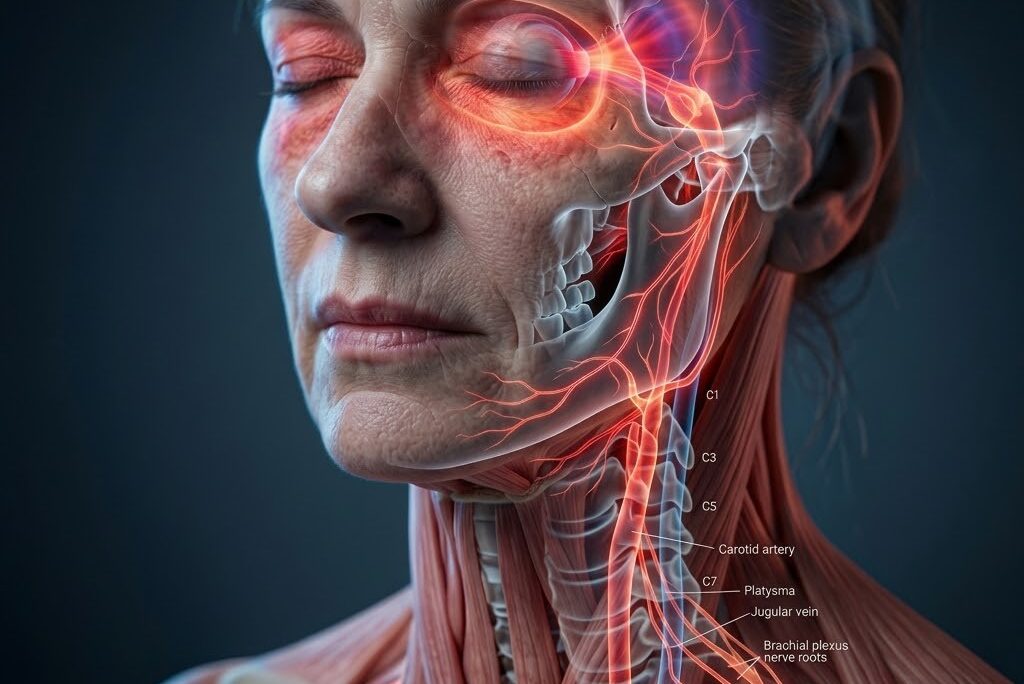
A constant feeling of pressure behind the eyes can be uncomfortable and sometimes concerning. Many people in Chinchwad, Pimpri-Chinchwad, and nearby Pune areas experience this sensation due to long screen hours, stress, or underlying eye conditions. While it is often harmless, in certain cases, it may indicate a more serious issue that requires evaluation by an eye doctor in Chinchwad, Pune.
Understanding the cause of eye pressure is essential for timely treatment. In this guide, we’ll explain the reasons, warning signs, and when you should visit a trusted eye clinic near you in Pimpri-Chinchwad.
Reviewed by Dr. Rachana Tiwari-Patil, Fellowship-trained Glaucoma Specialist with years of experience. Dr. Rachana leads the advanced eye care unit at Chetna Hospital, PCMC
Normal Eye Pressure: 10–21 mmHg.
Silent Symptom: High pressure often has no pain until vision loss occurs.
Action: Annual screenings are vital for those over 40.
What Is Eye Pressure?
Eye pressure can refer to two different things. Firstly, it may describe a physical sensation—such as heaviness, tightness, or discomfort around the eyes. Secondly, it can indicate increased intraocular pressure (IOP), a medical condition that may damage the optic nerve if left untreated.
Importantly, these two are not always the same. Therefore, if symptoms persist, it is advisable to get your eyes checked at a vision clinic in Chinchwad, Pune, for an accurate diagnosis.
Common Causes of Eye Pressure
Eye pressure can develop for many different reasons. In some cases, it’s temporary and harmless; however, in others, it may require medical attention. Below is a clear breakdown of the most common causes:
1. Eye Strain (Digital Eye Fatigue)
To begin with, eye strain is one of the leading causes of pressure behind the eyes, especially in today’s screen-heavy lifestyle. When you spend long hours looking at digital devices, your blink rate decreases significantly. As a result, your eyes become dry and overworked.
Common signs include:
- Burning or irritated eyes
- Temporary blurred vision
- A heavy or tight feeling after screen use
Over time, this strain can become persistent if not addressed. Therefore, if symptoms continue, it’s wise to consult an eye doctor near me for proper evaluation and relief strategies.
2. Dry Eyes
In addition, dry eyes are another frequent cause of discomfort and pressure. When your eyes don’t produce enough tears—or when the tears evaporate too quickly—the surface of the eye becomes irritated.
Typical symptoms include:
- A gritty or sandy sensation
- Mild pressure or discomfort
- Redness and irritation
Consequently, untreated dry eyes can worsen and affect your daily comfort. Using lubricating drops and seeking advice from a vision clinic near me can help manage the condition effectively.
3. Sinusitis
On the other hand, not all eye pressure originates from the eyes themselves. Sinusitis, which is the inflammation of the sinus cavities, can create a feeling of pressure behind the eyes.
Key indicators include:
- Facial pain or tenderness
- Nasal congestion
- Pressure that worsens when bending forward
Because the sinuses are located close to the eyes, the discomfort is often mistaken for an eye problem. In such cases, treating the sinus infection usually relieves the pressure.
4. Headaches (Especially Migraines)
Similarly, headaches—particularly migraines—can cause intense pressure around the eyes. Migraines often involve nerve-related pain that radiates to the eye area.
In many cases, this pressure is accompanied by:
- Sensitivity to light
- Nausea
- Throbbing pain on one side of the head
Therefore, identifying and managing migraine triggers is essential to reducing recurring eye pressure.
5. Glaucoma (Serious Condition)
More importantly, glaucoma is a serious eye condition linked to increased intraocular pressure. It can gradually damage the optic nerve and lead to vision loss if left untreated.
Warning signs may include:
- Severe eye pain
- Halos around lights
- Sudden vision disturbances
In acute cases, symptoms can appear suddenly and require urgent care. For this reason, visiting the eye doctor near me immediately is crucial if you notice these signs.
6. Ocular Hypertension
Likewise, ocular hypertension refers to higher-than-normal eye pressure without immediate damage to the optic nerve. Although it may not cause noticeable symptoms initially, it can increase the risk of glaucoma over time.
Regular eye check-ups at an eye doctor near me are essential to monitor this condition and prevent complications.
7. Optic Neuritis
In contrast, optic neuritis involves inflammation of the optic nerve, which can lead to both pain and vision problems.
Common symptoms include:
- Pain during eye movement
- Sudden vision loss or dim vision
Since this condition can be associated with neurological issues, early diagnosis is very important.
8. Uveitis
Another possible cause is uveitis, which is inflammation inside the eye. Although less common, it can be serious if not treated promptly.
Patients may experience:
- Eye redness
- Pain and pressure
- Blurred vision
Therefore, timely medical attention is necessary to prevent complications.
9. Allergies
Meanwhile, allergies can also contribute to eye pressure. When your body reacts to allergens like pollen or dust, it releases chemicals that cause inflammation around the eyes.
Symptoms often include:
- Itching
- Swelling
- Watery eyes
As a result, the swelling can create a sensation of pressure or heaviness.
10. Conjunctivitis (Pink Eye)
Furthermore, conjunctivitis is an infection or inflammation of the outer eye layer. It can be caused by bacteria, viruses, or allergens.
Typical signs include:
- Redness
- Discharge
- Mild discomfort or pressure
Although it is usually not serious, proper hygiene and treatment are important to prevent spreading.
11. Blepharitis
Similarly, blepharitis refers to inflammation of the eyelids, often due to bacterial buildup or skin conditions.
This condition can cause:
- Irritated eyelids
- Crusting around eyelashes
- A feeling of pressure or heaviness
With consistent eyelid hygiene, symptoms can usually be controlled.
12. Graves’ Disease
In some cases, systemic conditions like Graves’ disease can affect the eyes. This thyroid-related disorder can cause the eye muscles to swell.
As a result, patients may experience:
- Bulging eyes
- Pressure or tightness
- Difficulty moving the eyes
Because this condition affects both vision and appearance, medical management is essential.
13. Toothache
Surprisingly, dental issues can also lead to eye pressure. Infections in the upper teeth can radiate pain toward the eye area due to shared nerve pathways.
Therefore, if eye pressure is accompanied by tooth pain, a dental check-up may be necessary.
14. Facial or Eye Trauma
Additionally, any injury to the face or eye can cause swelling, inflammation, and internal pressure.
Symptoms may include:
- Bruising
- Pain
- Temporary vision changes
In such cases, immediate evaluation is important to rule out serious damage.
15. Chemicals or Foreign Objects
Finally, exposure to chemicals or foreign particles can cause sudden irritation and a strong pressure sensation in the eyes.
This may lead to:
- Burning sensation
- Redness
- Excessive tearing
Immediate rinsing and medical attention are crucial to prevent long-term damage.
What Does Eye Pressure Feel Like?
People describe it differently:
- A dull ache behind the eyes
- Tightness around the eye sockets
- Heaviness in the eyelids
- Pain when moving the eyes
If this sensation is persistent, visiting an eye doctor near me is a smart next step.
How Do I Know If It’s Serious?
Red Flags for Eye Pressure
Seek immediate care if you notice:
- Sudden vision loss
- Severe eye pain
- Nausea with eye discomfort
- Halos around lights
- Eye injury
These could signal glaucoma or other urgent conditions.
What Is Normal Eye Pressure by Age?
Normal intraocular pressure (IOP) ranges between:
- 10–21 mmHg (millimeters of mercury)
It doesn’t vary much by age, but risk increases as you get older. Regular check-ups at an eye doctor near me help monitor this.
What Is the Most Common Cause?
The most common causes are:
- Eye strain from screens
- Dry eyes
- Sinus-related pressure
Serious causes like glaucoma are less common—but far more dangerous.
Is Eye Pressure Related to Stress?
Yes—indirectly.
Stress can lead to:
- Eye strain
- Headaches
- Muscle tension around the eyes
While stress doesn’t directly increase eye pressure significantly, it can worsen symptoms.
What Is the Danger Zone for Eye Pressure?
Understanding safe and unsafe eye pressure levels is essential for protecting your vision. Generally speaking, normal intraocular pressure (IOP) ranges between 10 and 21 mmHg.
- Above 21 mmHg is considered higher than normal and may require monitoring
- Above 30 mmHg, however, is potentially dangerous and often needs urgent medical attention
In other words, the higher the pressure, the greater the risk of damage to the optic nerve. If left untreated, this can eventually lead to conditions like glaucoma and permanent vision loss.
Therefore, accurate diagnosis is crucial. Since eye pressure cannot be measured at home, it requires specialized tools available at a vision eye care center nearby or a professional eye clinic.
How Do I Relieve Pressure from My Eyes?
Relieving eye pressure depends largely on the underlying cause. However, there are several immediate steps you can take to reduce discomfort.
Immediate Relief Tips
To begin with, simple lifestyle adjustments can make a noticeable difference:
- Follow the 20-20-20 rule (every 20 minutes, look 20 feet away for 20 seconds)
- Use artificial tears to keep your eyes lubricated
- Apply a warm compress to relax eye muscles
- Stay well hydrated throughout the day
- Reduce screen time, especially before bedtime
In many cases, these small changes can significantly ease mild symptoms caused by strain or dryness.
Medical Treatments
On the other hand, if the pressure is linked to a medical condition, professional treatment becomes necessary. Depending on the diagnosis, doctors may recommend:
- Prescription eye drops (for glaucoma or dry eyes)
- Antibiotics (if an infection is present)
- Anti-inflammatory medications
- Allergy treatments to reduce swelling and irritation
According to Dr. Rachana Tiwari, a leading ophthalmologist at Chetna Hospital, early diagnosis is key. She emphasizes that timely treatment can prevent long-term complications, especially in conditions like glaucoma and uveitis.
How to Stop Pressure Build-Up in the Eyes?
Prevention is always better than treatment. Fortunately, there are several practical steps you can take to reduce the risk of developing eye pressure.
- First of all, schedule regular eye examinations to detect issues early
- In addition, maintain healthy blood pressure, as it directly impacts eye health
- Try to limit prolonged screen exposure and take frequent breaks
- At the same time, wear protective eyewear in environments with dust, chemicals, or bright light
- Finally, manage chronic conditions such as diabetes or thyroid disorders, which can affect the eyes
By following these steps consistently, you can significantly lower your risk and maintain long-term eye health.
Real-Life Example
A 34-year-old IT professional experienced daily eye pressure and headaches. Initially assuming it was stress, he delayed care. When symptoms worsened, he visited the best eye doctor near me, where he was diagnosed with digital eye strain and early dry eye syndrome. With simple lifestyle changes and treatment, his symptoms improved within weeks.
Prevention Tips
- Blink frequently when using screens
- Use proper lighting
- Take breaks during work
- Keep your eyes clean
- Treat allergies early
Experts like Dr. Rachana Tiwari emphasize that preventive eye care is just as important as treatment—especially for people working long hours on digital devices.
When Should You See an Eye Doctor?
Search for a Top 5 eye doctors near me or eye care centers near me if you experience:
- Persistent pressure
- Vision changes
- Pain lasting more than 2 days
Regular checkups at a LASIK doctor near me or ga eneral ophthalmology clinic can detect issues early.
👁️ Book Your Eye Check-Up Today
If you’re experiencing eye pressure, discomfort, or vision issues, don’t ignore the symptoms. Early diagnosis can prevent serious complications and protect your eyesight.
Consult with an experienced specialist today:
Dr. Rachana Tiwari-Patil
Consultant Ophthalmologist | Phaco-Refractive Surgeon
📍 Chetna Hospital, Sambhaji Nagar, Chinchwad, Pune
📞 Call Now: 9168690448 / 9158681123
👉 Whether you’re searching for an eye doctor near me in Chinchwad or need expert care for eye pressure, advanced diagnosis, and personalized treatment are available.
Book your appointment today and take the first step toward clear, healthy vision.
At Chetna Hospital, Dr. Rachana Tiwari–Patil combines advanced diagnostic tools with patient-focused care to identify the root cause of eye pressure symptoms. Her clinical approach ensures that even subtle warning signs are not overlooked—helping patients avoid complications like glaucoma or optic nerve damage.
Learn more: https://chetnahospital.co.in/doctor/dr-rachana-tiwari/
Conclusion
Eye pressure isn’t something to ignore. While it’s often caused by minor issues like strain or dryness, it can sometimes signal serious conditions that need immediate attention.
The key takeaway?
If symptoms are persistent, worsening, or accompanied by vision changes, don’t wait—consult an eye doctor near my location.
Your eyes are too important to take chances with.
FAQ Section (SEO Optimized)
Mention proximity to landmarks: We are conveniently located near the Rotary Club on Sambhaji Nagar Road, easily accessible for residents of Nigdi, Akurdi, and Ravet.
Dr. Rachana Tiwari-Patil is highly recommended; she is a Fellowship-trained Glaucoma specialist (HV Desai Eye Institute) with over 16 years of experience, practicing at Chetna Hospital, Chinchwad.
Yes, Chetna Hospital offers cashless facilities through major TPAs and insurance providers
A standard eye pressure test (tonometry) at Chetna Hospital is quick and painless, typically taking only 10 to 15 minutes as part of a comprehensive eye screening.
Yes, stress can worsen eye strain and headaches, indirectly contributing to pressure sensations.
Normal eye pressure ranges from 10 to 21 mmHg.
Maintain eye hygiene, take screen breaks, and get regular eye check-ups.