If you’re considering a safer way to color your hair, understanding the truth about ammonia-free hair dye is essential—especially when advised by a trusted skin specialist in PCMC. Many people believe ammonia-free options are completely harmless, but the reality is more nuanced. The truth about ammonia-free hair dye reveals both benefits and limitations, particularly when it comes to scalp health, gray coverage, and long-term hair strength. A qualified skin specialist in PCMC can help you choose the right formulation based on your hair type and sensitivity. As awareness grows around hair dye side effects and myths, more individuals are turning toward ammonia-free alternatives, making it important to truly understand the truth about ammonia-free hair dye before making a switch.
Understanding Hair Coloring Basics
Hair coloring has become almost as routine as getting a haircut. From covering gray strands to experimenting with bold shades, people today rely heavily on hair dyes. But have you ever wondered what actually happens when you color your hair? The process is more chemical than most realize, and understanding it helps you make safer choices.
Traditional hair dyes use ammonia to open up the hair cuticle. Think of the cuticle like a tightly closed door. Ammonia forces that door open so the color pigments can enter deep into the hair shaft. This is why permanent hair dyes last longer—they penetrate deeply and change the natural pigment of your hair.
However, there’s a catch. Ammonia is highly alkaline, which means it can disrupt your hair’s natural balance. Over time, repeated use may lead to dryness, brittleness, and even hair breakage. You might have noticed that after frequent coloring, your hair doesn’t feel as soft or shiny as before. That’s not just in your head—it’s a real chemical reaction happening on your strands.
Now, here’s where the conversation shifts. People are becoming more aware of hair dye side effects, and that’s why ammonia-free alternatives are gaining popularity. These newer formulas promise similar results without the harshness. But are they truly better, or is it just clever marketing?
Before jumping to conclusions, it’s important to separate facts from myths. Because when it comes to your hair—and your scalp—you don’t want to rely on guesswork. Especially if you live in areas like Pimpri-Chinchwad, where environmental factors like pollution can already stress your hair and skin.
What is Ammonia-Free Hair Dye?
Ammonia-free hair dye is exactly what it sounds like—a coloring formula that replaces ammonia with gentler ingredients. Instead of forcing the hair cuticle open aggressively, these dyes use alternatives like monoethanolamine (MEA) or natural oils to allow color penetration.
Now, here’s the interesting part. While these alternatives are milder, they don’t always work the same way as ammonia. MEA, for example, opens the cuticle more slowly and less dramatically. That means less damage—but sometimes slightly different results in terms of color intensity or longevity.
Many brands also include conditioning agents in ammonia-free dyes. These help maintain moisture, which is why your hair often feels softer after coloring. It’s like adding a protective layer while you color, rather than stripping everything away.
But let’s not paint an overly rosy picture. Ammonia-free doesn’t automatically mean chemical-free. These products still contain active ingredients that alter your hair structure. So, while they may reduce hair dye side effects, they don’t eliminate them.
For individuals with sensitive skin or scalp issues, this distinction matters. A skin specialist in PCMC, like Dr. Aishwarya Patil, often recommends ammonia-free options for patients prone to irritation or allergies. These formulations are less likely to cause redness, itching, or burning sensations.
If you’ve ever experienced discomfort during or after hair coloring, switching to ammonia-free could make a noticeable difference. Still, it’s wise to perform a patch test before trying any new product. Even gentle formulas can trigger reactions in some people.
Ammonia-Free Hair Dye: Myths, Facts, and Expert Insights in PCMC
Let’s clear the air—because the world of hair coloring is full of half-truths and misconceptions.
| Myth | Reality |
|---|---|
| Ammonia-free dye is 100% safe | It’s safer, but still contains chemicals |
| Natural dyes don’t damage hair | Some can still cause dryness |
| Hair dye always causes hair loss | Improper use increases risk, not the dye alone |
| Darker dyes are more damaging | Damage depends on formulation, not color |
| Frequent coloring is harmless | Overuse can weaken hair structure |
Many people assume that switching to ammonia-free dye means zero risk. That’s simply not true. It’s more like choosing a gentler detergent—you’re still cleaning, but with less harshness.
Understanding Hair Color Myths and Facts helps you make smarter decisions. It also prevents unnecessary panic. Not every hair issue is caused by dye, but ignoring potential risks isn’t wise either.
Why a Skin Specialist in PCMC Recommends Ammonia-Free Hair Dye
One of the biggest advantages of ammonia-free hair dye is its gentleness. Unlike traditional formulas, it doesn’t aggressively strip your hair’s natural oils. This makes a noticeable difference, especially if you color your hair regularly.
Another key benefit is comfort. Many people complain about the strong smell of ammonia-based dyes. It can be overwhelming and even cause headaches. Ammonia-free options, on the other hand, are much milder in scent. That alone can make the coloring experience far more pleasant.
For those with sensitive skin, this type of dye is often a safer bet. Dermatologists, including Dr. Aishwarya Patil – Dermatologist, frequently recommend it for patients experiencing scalp irritation. If your scalp tends to react quickly, switching to a gentler formula can reduce discomfort significantly.
There’s also the matter of shine and texture. Because ammonia-free dyes often include conditioning ingredients, your hair may feel softer and look shinier after use. It’s like getting a mini treatment along with your color.
Still, balance is key. While these dyes are less damaging, overuse can still lead to problems like hair breakage. Moderation and proper aftercare make all the difference.
Hair Dye Side Effects and Myths
Hair dye side effects are often exaggerated—but sometimes underestimated too. Common issues include dryness, scalp irritation, and allergic reactions. In rare cases, people may experience swelling or severe itching.
The biggest myth? That all side effects are unavoidable. In reality, many problems arise from improper use, like leaving dye on too long or skipping patch tests.
Another misconception is that only cheap products cause damage. Even premium dyes can lead to issues if used incorrectly. That’s why expert guidance matters.
If you’re unsure, consulting a skin specialist in PCMC can help. Professionals like Dr. Aishwarya Patil can assess your scalp condition and recommend suitable products.
Ammonia-Free Hair Color for Gray Coverage
Gray coverage is often the main reason people turn to hair dye. Is the question—can ammonia-free formulas handle it effectively?
The answer is yes, but with some limitations. Ammonia-free dyes can cover gray hair, especially when formulated specifically for that purpose. However, the coverage may not be as intense or long-lasting as traditional dyes.
That said, technology has improved significantly. Modern ammonia-free products are designed to provide better pigment retention. Many users report satisfactory results, especially with regular touch-ups.
For those concerned about hair dye side effects, this is a worthwhile trade-off. You get decent coverage without exposing your hair to harsh chemicals.
Hair Breakage and Damage Concerns
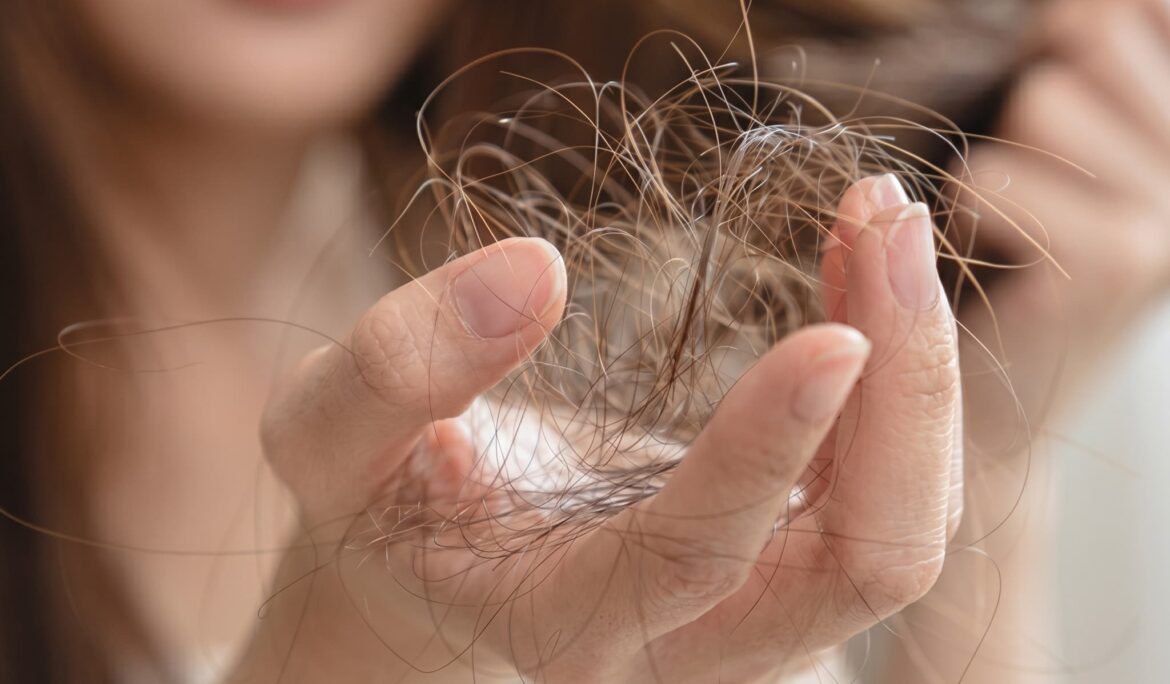
Hair breakage is one of the most common complaints among people who color their hair. It doesn’t happen overnight—it’s usually the result of repeated chemical exposure combined with poor hair care.
Think of your hair like a rope. Each time you apply dye, you weaken its fibers slightly. Over time, those fibers start to snap. That’s when you notice split ends and thinning strands.
To minimize damage:
- Use sulfate-free shampoos
- Deep condition regularly
- Avoid excessive heat styling
- Space out coloring sessions
Switching to ammonia-free dye can also help reduce stress on your hair. It’s not a miracle solution, but it’s definitely a step in the right direction.
Expert Advice from Dr. Aishwarya Patil
Dr. Aishwarya Patil – Dermatologist based at Chetna Hospital – emphasizes the importance of choosing the right hair products for your scalp type. She notes that patients often overlook early signs of irritation, which can worsen over time.
Her clinic serves areas across Pimpri-Chinchwad:
- Core (5 km): Chinchwad, Nigdi, Akurdi, Ravet, Sambhaji Nagar
- Extended (15 km): Wakad, Hinjewadi, Pimpri, Bhosari, Kalewadi
📍 Conveniently located near Chinchwad Railway Station on the Old Pune-Mumbai Highway.
📞 Appointment: 9607753535 / 9158681123
🌐 Visit Profile
Choosing the Right Hair Dye
Choosing the right dye isn’t just about color—it’s about compatibility with your hair and skin. Consider your hair type, scalp sensitivity, and lifestyle before making a decision.
If you frequently color your hair, ammonia-free options are generally safer. But if you need long-lasting, intense coverage, you may need to weigh the pros and cons.
Skin Specialist in PCMC – Why It Matters
A skin specialist in PCMC plays a crucial role in maintaining scalp health. Hair coloring isn’t just cosmetic—it directly affects your skin. Consulting a dermatologist ensures you’re not unknowingly harming your scalp.
FAQs
Hair coloring can cause dryness, irritation, and hair breakage if overused or improperly applied.
It may cause redness, itching, or allergic reactions, especially on sensitive skin.
No, but it’s gentler and reduces the risk of damage.
Ammonia-free hair dye is best for reducing damage and maintaining hair health.
Yes, including scalp irritation and dryness, but risks are reduced with proper use.
Conclusion
Ammonia-free hair dye isn’t just a trend—it’s a smarter, more mindful approach to hair coloring. It offers a balance between beauty and care, reducing damage while still delivering satisfying results. While it’s not entirely risk-free, it’s a step toward healthier hair practices.
Looking for more skincare tips?
Explore our expert-led Skin Specialist in PCMC to keep your skin and hair healthy.
Ready for clearer, healthier skin?
Book a consultation with Dr. Aishwarya Patil (Skin Specialist in PCMC) at Chetna Hospital, Chinchwad, Pune.
📞 Call to Book: 96077 53535
📍 Visit Us: Chetna Hospital, Sahakari Bank, MIDC, GP116, Sambhaji Nagar Rd, near Pimpri, G Block, Sambhajinagar, Chinchwad, Pimpri-Chinchwad, Maharashtra 411019
🗺️ Directions: Get Directions on Google Maps