Eczema is a common yet often misunderstood skin condition that affects people of all ages, causing dryness, itching, redness, and recurring irritation. It can appear on different parts of the body, especially the face, hands, and joints, and tends to flare up when triggered by environmental or lifestyle factors. While eczema is not contagious, it can significantly impact daily comfort and confidence if not managed properly. Early diagnosis and the right eczema treatment plan play a crucial role in controlling symptoms and preventing severe flare-ups. With guidance from an experienced dermatologist, Dr. Aishwarya Patil in Chinchwad, Pune, patients can receive personalized care that focuses on long-term skin health and effective relief from eczema symptoms.
At a Glance: Eczema Care at Chetna Hospital
- Specialist: Dr. Aishwarya Patil (Expert Dermatologist).
- Primary Treatments: Topical corticosteroids, advanced phototherapy, and personalized trigger mapping.
- Location: Sambhaji Nagar, Chinchwad (Serving a 15km radius including Nigdi, Akurdi, Ravet, and Wakad).
- Patient Focus: Long-term remission for pediatric and adult eczema.
What is Eczema Skin Disease and Atopic Dermatitis?
Definition of Eczema skin (Atopic Dermatitis Meaning)
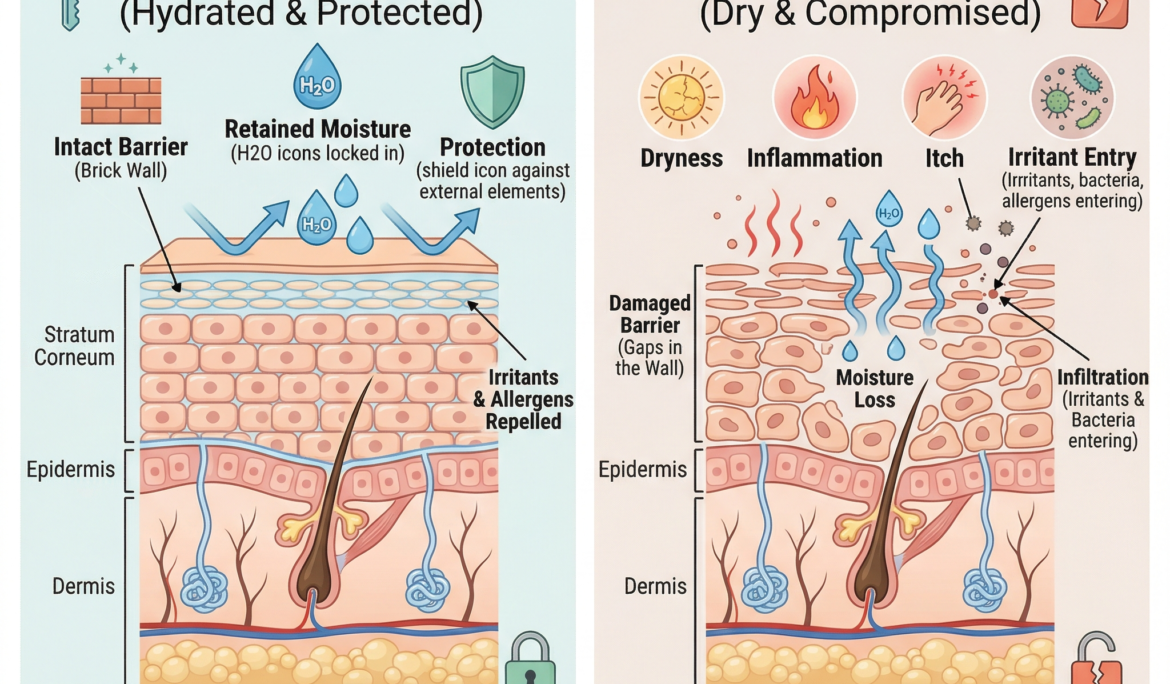
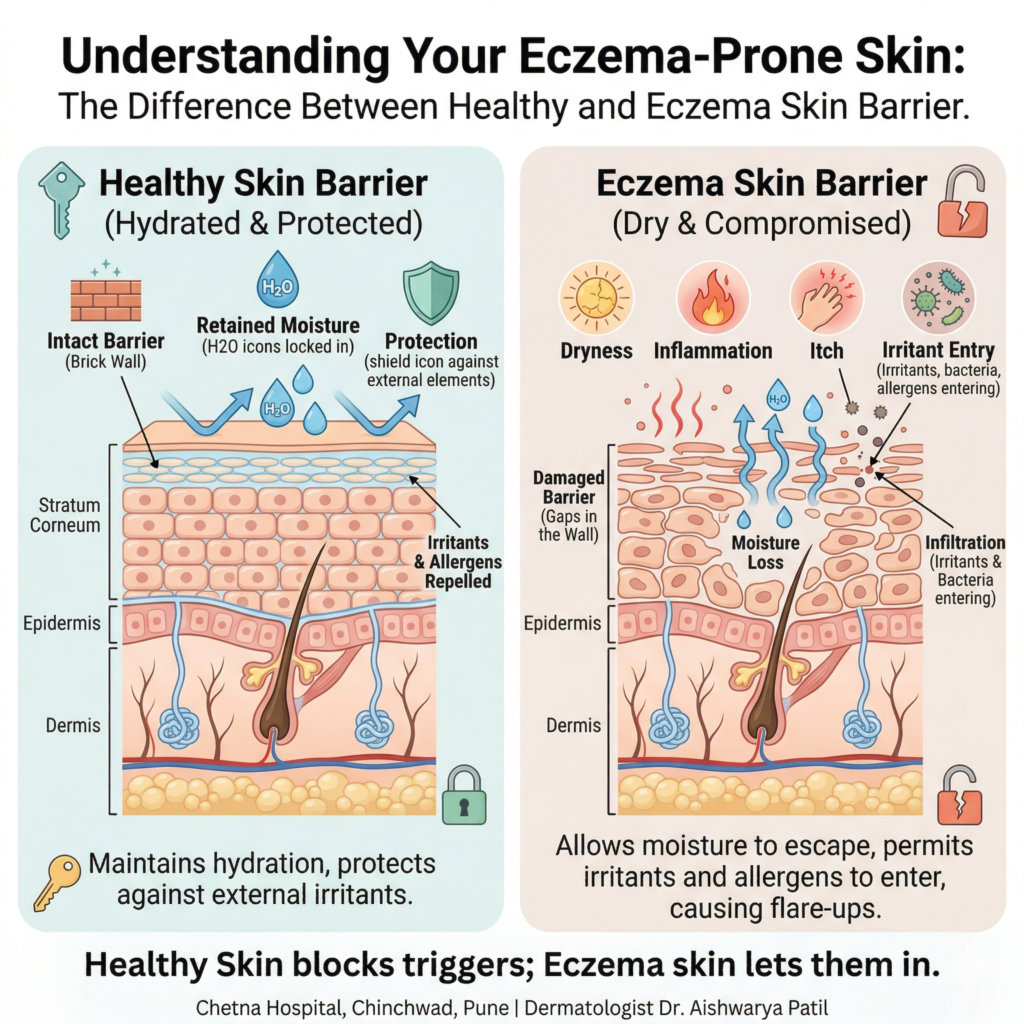
Eczema Skin, also known as atopic dermatitis, is a chronic inflammatory skin condition. Essentially, it weakens the skin’s natural barrier, allowing moisture to escape while letting irritants enter. As a result, the skin becomes dry, itchy, and inflamed. In many cases, patients experience cycles of flare-ups followed by periods of improvement.
Moreover, eczema is not just a surface-level issue. Instead, it is closely linked to the immune system and genetic factors. Because of this, long-term management is often required rather than a one-time cure. However, with the right eczema treatment, symptoms can be controlled effectively.
| Feature | Home Management | Clinical Treatment (Chetna Hospital) |
| Goal | Temporary itch relief | Targeted inflammation control & skin barrier repair |
| Methods | Moisturizers, oatmeal baths | Medicated ointments, Immunomodulators, Allergy testing |
| Expertise | Self-care | Dr. Aishwarya Patil’s specialized dermatological protocol |
| Success Rate | Variable (Symptoms often recur) | High (Focus on long-term remission) |
Types of Eczema Skin Diseases and Their Differences
Eczema includes several types, and each one has slightly different triggers and symptoms. For instance:
- Atopic dermatitis: The most common type, often linked with allergies
- Contact dermatitis: Occurs when the skin reacts to irritants
- Dyshidrotic eczema: Causes small blisters on hands and feet
- Seborrheic dermatitis: Affects oily areas like the scalp and face
Therefore, identifying the exact type is crucial for selecting the right treatment approach.
What Causes Eczema Skin Problems? (Eczema Causes Explained)
Genetic Causes of Eczema Skin Condition
First of all, genetics plays a significant role in eczema skin development. If your family has a history of eczema, asthma, or allergies, your risk increases. In such cases, the skin barrier is naturally weaker, which makes it more sensitive to external irritants.
Environmental Triggers That Worsen Eczema Skin Symptoms
On the other hand, environmental factors also contribute heavily. For example, weather changes can dry out the skin, while pollution can weaken its defense. Similarly, allergens like dust, pollen, and pet dander can trigger flare-ups. As a result, even mild exposure can lead to irritation in sensitive individuals.
Lifestyle Factors Affecting Eczema Skin Health
In addition, everyday habits can worsen eczema symptoms. Stress, for instance, can trigger flare-ups by affecting the immune system. Likewise, certain foods and harsh skincare products can irritate the skin further. Therefore, maintaining a balanced lifestyle becomes essential in managing eczema.
Common Eczema Symptoms and Signs on Skin
Early Eczema Skin Symptoms You Should Not Ignore
Initially, eczema skin may appear as mild dryness and itching. Gradually, the skin may develop rough patches and slight redness. At this stage, many people ignore the signs; however, early care can prevent worsening.
Severe Eczema Skin Symptoms and Complications
If left untreated, symptoms can become more intense. For example, the skin may crack, swell, or even ooze fluid. In severe cases, constant scratching can lead to infections. Consequently, timely eczema treatment becomes necessary to avoid complications.
Eczema Skin Symptoms on Face, Babies, and Adults
Interestingly, eczema skin appears differently depending on age. In babies, it often affects the cheeks and scalp. In contrast, adults usually experience it on the hands, neck, or face. Therefore, treatment approaches may vary based on age and severity.
What Triggers Eczema Flare-Ups?
Eczema flare-ups often occur due to specific triggers. Identifying these triggers is essential because it helps in preventing future episodes. Common triggers include:
- Certain foods, such as dairy, gluten, and nuts
- Stress and anxiety
- Soaps and detergents
- Sweat and heat
- Dust and pollen
Therefore, avoiding these triggers can significantly reduce flare-ups and improve skin health.
How to Treat Eczema
Medical Treatments
When it comes to treatment, medical options are often the most effective. Dermatologists may prescribe:
- Steroid creams to reduce inflammation
- Antihistamines to control itching
- Prescription medications for severe cases
In addition, advanced treatments may be recommended depending on the condition. Therefore, consulting a specialist ensures accurate diagnosis and proper care.
Natural Remedies
At the same time, natural remedies can support medical treatment. For example, coconut oil helps retain moisture, while aloe vera soothes irritation. Similarly, oatmeal baths can reduce itching. However, these should be used alongside professional treatment for the best results.
Daily Skincare Routine for Eczema
Morning Routine
To begin with, use a gentle cleanser and apply a thick moisturizer immediately after washing. This helps lock in moisture and protect the skin throughout the day.
Night Routine
At night, the focus should be on repair. Therefore, use lukewarm water, apply prescribed creams, and follow with a heavy moisturizer. This routine supports skin healing overnight.
Best Moisturizers for Eczema
Look for products with ceramides and hydrating ingredients. These help restore the skin barrier and reduce dryness effectively.
Foods That Help and Trigger Eczema
Foods to Avoid
Certain foods can worsen eczema skin symptoms. For instance, processed foods, dairy, and sugary items may trigger inflammation in some individuals.
Foods That Help Heal Skin
On the contrary, foods rich in omega-3 fatty acids and antioxidants can improve skin health. Therefore, including fruits, vegetables, and healthy fats in your diet can be beneficial.
Common Mistakes That Make Eczema Worse
Many people unknowingly worsen their eczema. For example, over-washing removes natural oils from the skin. Similarly, using fragranced products can irritate. In addition, scratching damages the skin and increases infection risk. Therefore, avoiding these mistakes is crucial for effective eczema management.
Can Eczema Be Cured Permanently?
Honestly speaking, there is no permanent cure for eczema. However, it is highly manageable with the right approach. With proper skincare, lifestyle adjustments, and professional eczema treatment, most people can control their symptoms effectively. Therefore, consistency in care is the key to long-term relief.
When to See a Doctor
If your eczema keeps returning or becomes severe, it is important to seek medical advice. Early intervention not only prevents complications but also improves treatment outcomes.
For expert eczema treatment, consult:
Dr. Aishwarya Patil – Dermatologist
Chinchwad, Pune
https://chetnahospital.co.in/doctor/dr-aishwarya-patil-best-dermatologist-pcmc-pune/
Dr. Aishwarya Patil provides personalized treatment plans that focus on identifying triggers, reducing flare-ups, and restoring healthy skin. Therefore, booking a consultation can help you achieve long-term relief from eczema.
FAQs About Eczema
Eczema is mainly caused by a combination of genetic factors and environmental triggers that weaken the skin barrier.
There is no permanent cure, but proper treatment, skincare, and avoiding triggers can effectively control it.
Apply moisturizer within three minutes after bathing to lock in moisture and protect the skin barrier.
Itching, redness, and dry or flaky skin are the most common symptoms.
They include itching, redness, bumps, oozing, thickened skin, dryness, and healing phases.
It can be serious if untreated, leading to infections and affecting quality of life, but it is manageable with proper care.
Dr. Aishwarya Patil at Chetna Hospital is a leading specialist for Eczema and chronic skin conditions in Chinchwad. She offers advanced clinical therapies for patients across Akurdi, Nigdi, and the wider PCMC region.
Yes, hard water in Pune and Chinchwad can strip natural skin oils, triggering flare-ups. Dr. Aishwarya Patil offers specific treatments to counteract local environmental factors and protect sensitive skin.
Expert Eczema Specialist Serving Chinchwad & PCMC
Dr. Aishwarya Patil provides advanced dermatological care for patients across the Pimpri-Chinchwad region. Our clinic at Chetna Hospital is centrally located for residents in:
- Core Area (5km): Chinchwad, Nigdi, Akurdi, Ravet, and Sambhaji Nagar.
- Extended Reach (15km): Wakad, Hinjewadi, Pimpri, Bhosari, and Kalewadi.
Landmark: Easily accessible via the Old Pune-Mumbai Highway, located near the Chinchwad Railway Station area
Looking for more skin care tips? View our Dermatology Services on the PCMC page.
Ready for clearer skin? > Book a consultation with Dr. Aishwarya Patil at Chetna Hospital, Chinchwad, Pune.
Call to Book: 96077 53535
Visit Us: Chetna Hospital, Sahakari Bank, MIDC, GP116, Sambhaji Nagar Rd, near Pimpri, G Block, Sambhajinagar, Chinchwad, Pimpri-Chinchwad, Maharashtra 411019