Table of Contents
- Understanding When Spine Surgery Becomes Necessary
- Common Signs That May Indicate Surgery
- Types of Spine Surgery Procedures
- Non-Surgical Alternatives to Consider First
- The Role of Nerve Compression in Spine Problems
- Recovery and What to Expect
- Finding the Right Spine Specialist
Spine surgery can feel overwhelming when your doctor first mentions it. However, understanding when numbness and nerve compression require surgical intervention helps you make informed decisions about your health. Many people wonder if their back pain or neck pain truly needs surgery, or if other treatments might work better.
Understanding When Spine Surgery Becomes Necessary
Most spine problems don’t require surgery right away. In fact, about 80-90% of spine issues improve with conservative treatment. Nevertheless, certain situations make spine surgery the best option for long-term relief and function.
Surgery becomes necessary when conservative treatments fail to provide relief after several months. Additionally, emergencies like severe nerve compression causing loss of bowel or bladder control require immediate surgical attention.
Warning Signs That May Require Immediate Surgery
- Progressive weakness in arms or legs
- Loss of bladder or bowel control
- Severe numbness that doesn’t improve
- Intense pain that prevents normal daily activities
- Neurological symptoms that worsen over time
Furthermore, Dr. Nirmal Patil, Best SPINE Surgeon in PCMC, explains that timing matters significantly in spine surgery decisions. Waiting too long when surgery is truly needed can lead to permanent nerve damage.
Common Signs That May Indicate Surgery
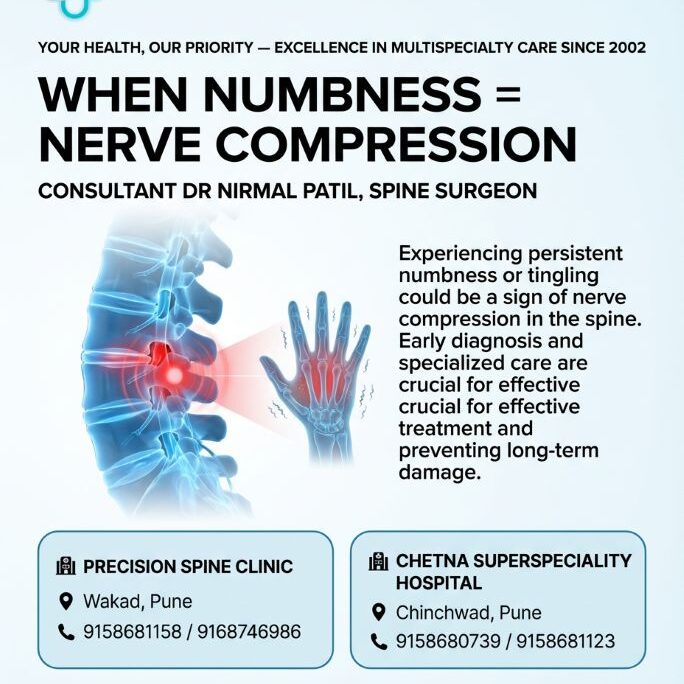
Persistent numbness often signals nerve compression that might benefit from surgical intervention. When numbness never improves despite months of conservative treatment, surgery may become the most effective solution.
Physical Symptoms to Monitor
Back pain that radiates down your legs (sciatica) sometimes indicates disc herniation or spinal stenosis. Similarly, neck pain that travels into your arms suggests cervical spine problems that might need surgical attention.
Key symptoms include:
- Numbness that persists for months
- Tingling sensations that interfere with daily tasks
- Muscle weakness that affects walking or gripping objects
- Pain that worsens despite medication and physical therapy
- Sleep disruption due to constant discomfort
Moreover, diagnostic tests like MRI scans help doctors see exactly where nerve compression occurs. These images guide treatment decisions and help determine if surgery offers the best chance for improvement.
Progressive Neurological Changes
When nerve compression causes progressive symptoms, early intervention often prevents permanent damage. Dr. Nirmal Patil, the best orthopedic doctor in the region, emphasizes that monitoring symptom progression helps identify the optimal surgical timing.
Neurological symptoms that may indicate surgical need:
- Weakness that increases over weeks or months
- Reflexes that become abnormal or disappear
- Coordination problems that affect balance
- Sensory changes that spread to new areas
- Motor function decline that impacts daily activities
Types of Spine Surgery Procedures
Different spine conditions require different surgical approaches. Understanding these procedures helps you prepare mentally and physically for potential treatment.
Minimally Invasive Options
Modern spine surgery often uses minimally invasive techniques that reduce recovery time and complications. These procedures use smaller incisions and specialized instruments to treat spine problems effectively.
Microdiscectomy removes herniated disc material pressing on nerves. This procedure typically takes 1-2 hours, and many patients go home the same day or after an overnight stay. A laminectomy
A laminectomy creates more space for nerves by removing part of the vertebral bone. When spinal stenosis causes severe compression, this surgery can provide significant relief.
Complex Reconstructive Procedures
Some conditions require more extensive surgical intervention. Spinal fusion connects two or more vertebrae permanently to eliminate painful motion between unstable segments.
Artificial disc replacement preserves motion while eliminating pain from damaged discs. This newer procedure works well for certain patients with single-level disc disease.
Additionally, scoliosis correction surgery uses rods and screws to straighten curved spines. These procedures are more complex but can dramatically improve the quality of life for appropriate candidates.
Non-Surgical Alternatives to Consider First
Before considering spine surgery, most doctors recommend trying conservative treatments for several months. These approaches often provide excellent results without surgical risks.
Physical Therapy and Exercise After Spine Surgery
Targeted exercises strengthen supporting muscles and improve flexibility around injured areas. Physical therapists design specific programs based on your condition and symptoms.
Core strengthening exercises support the spine during daily activities. Furthermore, flexibility training reduces muscle tension that contributes to pain and stiffness.
Back pain often improves significantly with consistent exercise programs. Similarly, neck pain responds well to stretching and strengthening routines designed by qualified therapists.
Medication Management
Anti-inflammatory medications reduce swelling around compressed nerves. Pain medications help maintain function while other treatments take effect.
Muscle relaxants can break the cycle of muscle spasms that worsen spine pain. However, these medications work best as part of a comprehensive treatment plan.
Dr. Nirmal Patil, a back pain specialist, often combines different approaches to maximize non-surgical treatment success before recommending surgery.
Injection Therapies
Epidural steroid injections deliver anti-inflammatory medication directly to affected areas. These injections can provide months of relief and help avoid surgery in many cases.
Nerve blocks temporarily stop pain signals from specific nerves. When successful, they can provide extended relief and improve function significantly.
Facet joint injections target small joints in the spine that sometimes cause persistent pain. These procedures are done as outpatient treatments with minimal recovery time.
The Role of Nerve Compression in Spine Problems and Spine Surgery
Understanding nerve compression helps explain why some spine problems cause such severe symptoms. When bones, discs, or ligaments press on nerves, they can cause pain, numbness, and weakness.
How Compression Develops
Disc herniation occurs when the soft inner material pushes through the tough outer layer. This herniated material can press directly on nearby nerve roots, causing intense pain and neurological symptoms.
Spinal stenosis develops when the spinal canal narrows due to arthritis or disc degeneration. This narrowing gradually compresses the spinal cord or nerve roots, leading to progressive symptoms.
When numbness never improves with conservative treatment, it often indicates significant nerve compression that may require surgical decompression.
Types of Nerve Compression
Central stenosis affects the main spinal canal where the spinal cord travels. This condition can cause problems with walking, balance, and coordination.
Foraminal stenosis narrows the openings where individual nerve roots exit the spine. This type of compression typically causes symptoms that follow specific nerve patterns.
Lateral recess stenosis occurs in the area where nerves branch off from the main spinal canal. This condition can cause both back pain and leg symptoms.
Impact on Daily Function
Nerve compression affects people differently depending on which nerves are involved and how severe the compression becomes. Some people experience mild symptoms that come and go, while others have constant, severe problems.
Neck pain from cervical nerve compression can cause headaches, shoulder pain, and arm symptoms. When compression is severe, it can affect fine motor skills needed for writing or typing.
Back pain with nerve compression often includes leg symptoms like numbness, tingling, or weakness. These symptoms can make walking, standing, or sitting uncomfortable or difficult.
Recovery and What to Expect
Spine surgery recovery varies significantly depending on the procedure type and individual factors. Understanding the typical recovery timeline helps set realistic expectations and plan accordingly.
Immediate Post-Surgery Period
Most patients stay in the hospital 1-3 days after spine surgery. During this time, medical staff monitor for complications and help with initial mobility.
Pain management starts immediately after surgery with medications tailored to your needs. While some discomfort is normal, severe pain should be reported to your medical team promptly.
Physical therapy often begins within days of surgery, starting with simple movements and gradually progressing. Early mobilization helps prevent complications and promotes faster healing.
Short-Term Recovery (2-6 Weeks)
Activity restrictions help protect the surgical site while healing occurs. Most patients can perform light daily activities but should avoid heavy lifting or strenuous exercise.
Wound care requires keeping incisions clean and dry while they heal. Most stitches or staples are removed within 2-3 weeks after surgery.
Follow-up appointments allow your surgeon to monitor healing progress and address any concerns. Dr. Nirmal Patil, Neck Pain & Spine Specialist in Chinchwad, Pune,e provides comprehensive post-operative care to ensure optimal recovery.
Long-Term Recovery (3-12 Months)
Gradual return to normal activities occurs as healing progresses and strength improves. Most people can return to desk jobs within 4-6 weeks and physical jobs within 3-6 months.
Physical therapy continues for several months to restore full strength and flexibility. Consistent participation in therapy significantly improves long-term outcomes.
Some numbness or discomfort may persist for months as nerves heal slowly. However, most people experience significant improvement in their original symptoms within the first year.
Finding the Right Spine Specialist for Spine Surgery
Choosing the right surgeon significantly impacts your spine surgery experience and outcome. Look for specialists with extensive training and experience in spine procedures.
Qualifications to Look For in a Spine Surgery Specialist
Board certification in orthopedic surgery or neurosurgery ensures your doctor has completed rigorous training in spine procedures. Fellowship training in spine surgery provides additional specialized experience.
Experience with your specific condition matters greatly. Ask about the surgeon’s experience with procedures like yours and their complication rates.
Dr. Nirmal Patil, Best SPINE Surgeon in PCMC, combines extensive training with years of experience treating complex spine conditions. His expertise in both minimally invasive and complex reconstructive procedures provides patients with comprehensive treatment options.
Hospital Quality and Resources
The hospital where surgery is performed should have excellent support services, es including intensive care, physical therapy, and pain management. Modern surgical equipment and experienced surgical teams improve outcomes significantly.
Accredited spine centers often have better outcomes due to higher procedure volumes and specialized protocols. These centers focus specifically on spine care and have teams experienced in managing spine surgery patients.
Communication and Comfort Level in Spine Surgery Decisions
Your surgeon should explain your condition clearly and answer all your questions patiently. Understanding your diagnosis, treatment options, and expected outcomes helps you make informed decisions.
Second opinions are often valuable for complex spine problems. A good surgeon will support your decision to seek additional input before major surgery.
Trust your instincts about whether you feel comfortable with a particular surgeon. The doctor-patient relationship is important for successful treatment outcomes.
Making the Right Decision for Your Spine Health and Spine Surgery
Spine surgery represents a significant decision that requires careful consideration of many factors. When conservative treatments fail to provide adequate relief, surgery may offer the best chance for returning to normal activities and preventing further deterioration.
When numbness never responds to months of conservative treatment, surgical intervention may prevent permanent nerve damage. Working with experienced specialists like Dr. Nirmal Patil ensures you receive expert guidance throughout your treatment journey.
Remember that most spine problems improve without surgery, but when surgery is truly needed, it can be life-changing. Take time to understand your options, ask questions, and work with your medical team to make the best decision for your specific situation.
Ready to explore your spine treatment options? Contact Dr. Nirmal Patil’s office today to schedule a comprehensive evaluation and discuss the best approach for your spine health needs. Don’t let spine pain control your life when effective treatments are available.