When we think about the sun, we often focus on how it affects our skin. Most of us know about sunburn and the long-term effects of UV exposure, such as premature aging and skin cancer. However, one important aspect of sun exposure that’s often overlooked is its impact on our eyes. Like the skin, our eyes can be harmed by ultraviolet (UV) radiation if they are not protected. In this blog, we’ll dive into how UV rays affect your eyes, the risks involved, and how you can protect your vision.
What Are UV Rays?
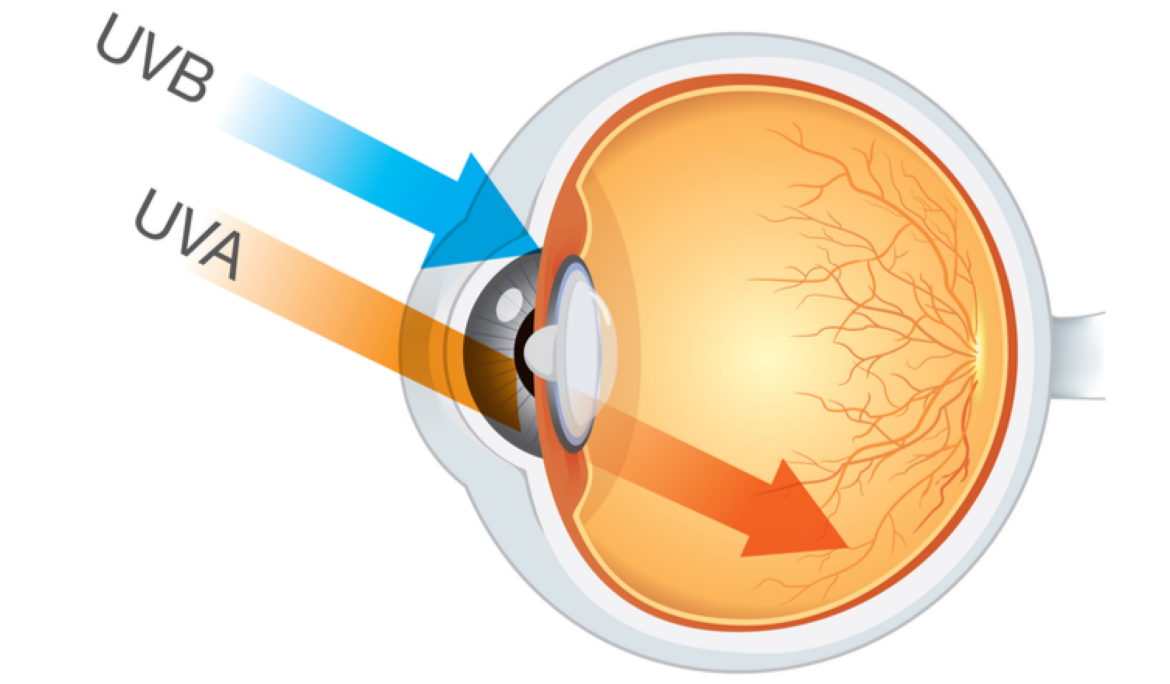
Ultraviolet (UV) rays are a form of light energy that comes from the sun, and they are invisible to the naked eye. UV rays are divided into three types: UVA, UVB, and UVC.
- UVA rays are the longest wavelength and make up the majority of the UV radiation reaching the Earth’s surface. These rays can penetrate deeper layers of the skin and eyes.
- UVB rays are more energetic and are responsible for causing sunburn. While they don’t penetrate as deeply as UVA rays, they have a significant effect on the surface layers of the skin and eyes.
- UVC rays have the most energy, but they do not reach the Earth’s surface because the ozone layer absorbs them.
Both UVA and UVB rays can cause significant damage to the eyes over time.
How UV Rays Affect Your Eyes
UV rays can cause both short-term and long-term damage to the eyes. While the short-term effects may be noticeable right away, the long-term effects can develop gradually, often without visible signs until they become more severe. Let’s take a closer look at both:
Short-term Effects
- Photokeratitis (Sunburn of the Eye): Just like your skin, your eyes can get sunburned, a condition known as photokeratitis. This occurs when the surface of your eye (the cornea) is exposed to intense UV rays. Symptoms of photokeratitis include:
- Redness
- Pain or a gritty feeling in the eyes
- Sensitivity to light
- Blurry vision
- Tearing or watery eyes
Photokeratitis is typically temporary, but it can be very painful and disorienting. It can happen after time in strong sunlight reflected off snow, water or sand, for example at the beach or in the snow. It usually gets better within a few days, but see an eye doctor if the pain is severe or your vision does not recover.
Long-term Effects
- Cataracts: Cataracts occur when the lens of the eye becomes cloudy, resulting in blurred vision. Long-term exposure to UV radiation raises the risk of cataracts. Cataracts can affect daily life and may need surgery.
- Macular Degeneration: The macula is the central part of the retina responsible for sharp, detailed vision. Age-related macular degeneration damages the macula and affects central vision. It is a common cause of vision loss in older adults. Research has not clearly shown that sunlight causes it, but protecting your eyes from the sun is still sensible.
- Pterygium: Pterygium is a non-cancerous growth of tissue on the white part of the eye, linked to long hours in the sun, wind and dust. This growth can cause irritation, redness, and even vision problems if it progresses over time. While pterygium is not cancerous, it can interfere with vision and may require surgical removal if it becomes large or causes discomfort.
- Skin Cancer Around the Eyes: The thin skin around the eyes is easily damaged by UV. Over time, exposure to UV radiation can increase the risk of skin cancer on the eyelids, including basal cell carcinoma, squamous cell carcinoma, and melanoma. See a doctor about any new or changing lump or sore on the eyelid.
- Solar Retinopathy: Looking directly at the sun, including during an eclipse, can burn the retina, the light-sensitive tissue at the back of the eye. Never look straight at the sun.
Who Is at Risk?
While UV radiation can affect everyone, certain individuals are more at risk of UV-related eye damage:
- Children: Their eyes are more sensitive to UV radiation because the lenses in their eyes are clearer than in adults, allowing more UV rays to penetrate the eye. Children spend a lot of time outdoors, so hats and sunglasses are important for them too.
- Outdoor Workers or Athletes: People who spend long hours outdoors, such as construction workers, farmers, athletes, or hikers, are at greater risk of prolonged UV exposure.
- People with Light-colored Eyes: Those with lighter eye colors (blue, green, or gray) tend to have less pigment in their eyes, making them more sensitive to UV rays.
- People with Existing Eye Conditions: Individuals with conditions like cataracts or macular degeneration should ask their eye doctor about sun protection.
How to Protect Your Eyes from UV Rays
Here are some simple ways to protect your eyes from UV rays:
- Wear UV-Protective Sunglasses: Wear sunglasses labelled as blocking UVA and UVB rays (UV400). Polarized lenses can reduce glare, making it easier to see in bright conditions.
- Use a Hat or Visor: Wearing a wide-brimmed hat or visor can provide additional protection by shading your eyes from direct sunlight, especially when you’re outdoors for extended periods.
- Limit Exposure During Peak Hours: UV is strongest around midday and early afternoon, and clouds do not block it. If possible, limit long spells in direct sun at these times.
- Wear UV-Protective Contact Lenses: Some contact lenses have UV protection as well as correcting vision. However, they shouldn’t be a substitute for sunglasses, as they don’t protect the entire eye.
- Use Sunscreen Around the Eyes: Apply sunscreen to the areas around your eyes, as this skin is particularly sensitive to UV rays. Be careful to choose products that are safe for the delicate eye area.
- Get Regular Eye Check-ups: Regular eye exams can help detect UV-related eye damage early. Your optometrist or ophthalmologist will check for signs of cataracts, macular degeneration, and other conditions related to UV exposure.
Conclusion
UV rays can harm the eyes, but much of this harm can be prevented. By taking simple steps like wearing sunglasses, limiting sun exposure, and using UV-protective lenses, you can protect your eyes from the harmful effects of the sun. Remember, the damage caused by UV rays can accumulate over time, so it’s essential to protect your eyes today to preserve your vision for the future.
Protecting your eyes is worth the small effort. Whether you’re outdoors for fun or work, always make sure your eyes are shielded from harmful UV radiation. If you’re unsure about your eye health or need guidance on UV protection, speak to an eye care professional. If you looked at the sun and now have a blind spot or sudden vision change, or have severe eye pain, go to an emergency department straight away or call 108 or 112.
For a check-up, call the eye care (ophthalmology) department at Chetna Hospital on 91686 90442.
General health information, not a diagnosis. Reviewed and updated by Chetna Hospital’s content team with the help of AI writing tools, November 2026.