









Advanced Minimally Invasive Spine Treatment in PCMC
Endoscopic Spine Surgery in Chinchwad Pune is an advanced minimally invasive procedure used to treat conditions such as slipped disc, sciatica, spinal stenosis, and chronic back pain. Dr. Nirmal Patil, a leading Spine Specialist in PCMC, provides modern endoscopic spine surgery that helps patients recover faster with less pain and smaller incisions. Therefore, many patients from Chinchwad, Pimpri, and across Pune choose this treatment for effective spine care.
Dr. Nirmal Patil, recognized as one of the best spine surgeons in PCMC, provides advanced endoscopic spine surgery in Chinchwad, Pune. Furthermore, he carefully evaluates each patient and creates a personalized treatment plan. Therefore, patients suffering from severe back pain or neck pain receive effective and modern spine care.
What is Endoscopic Spine Surgery?
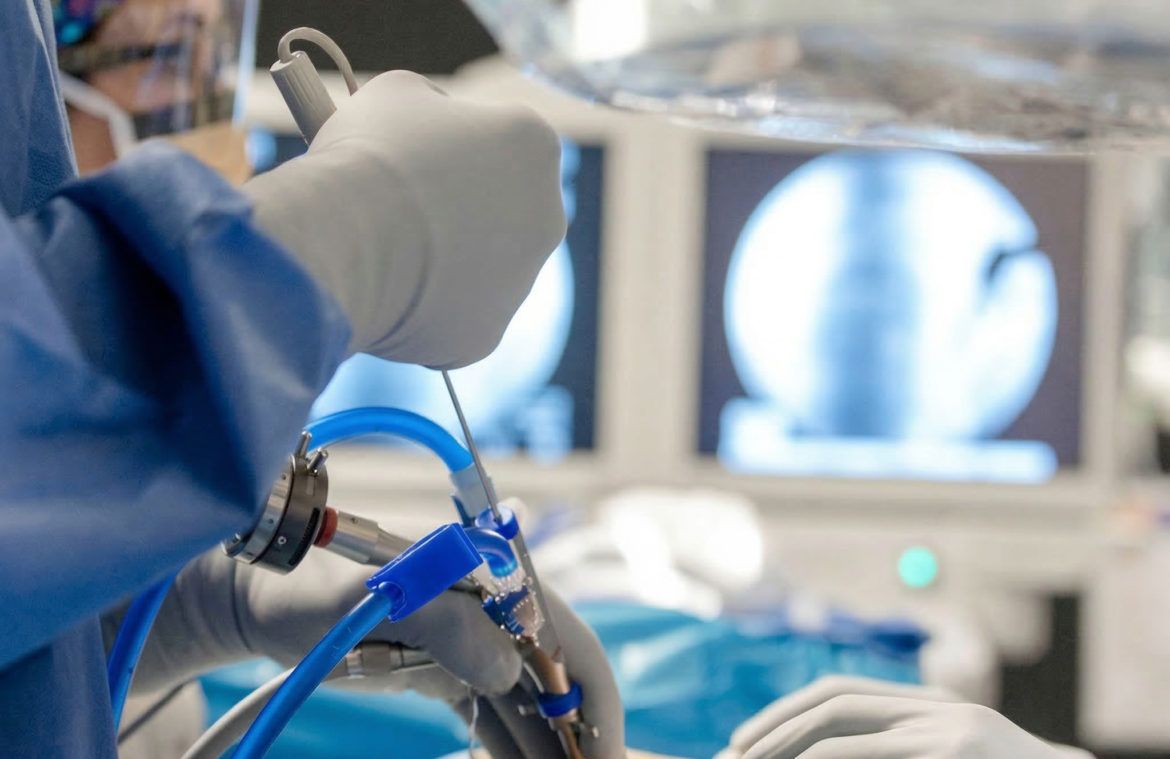
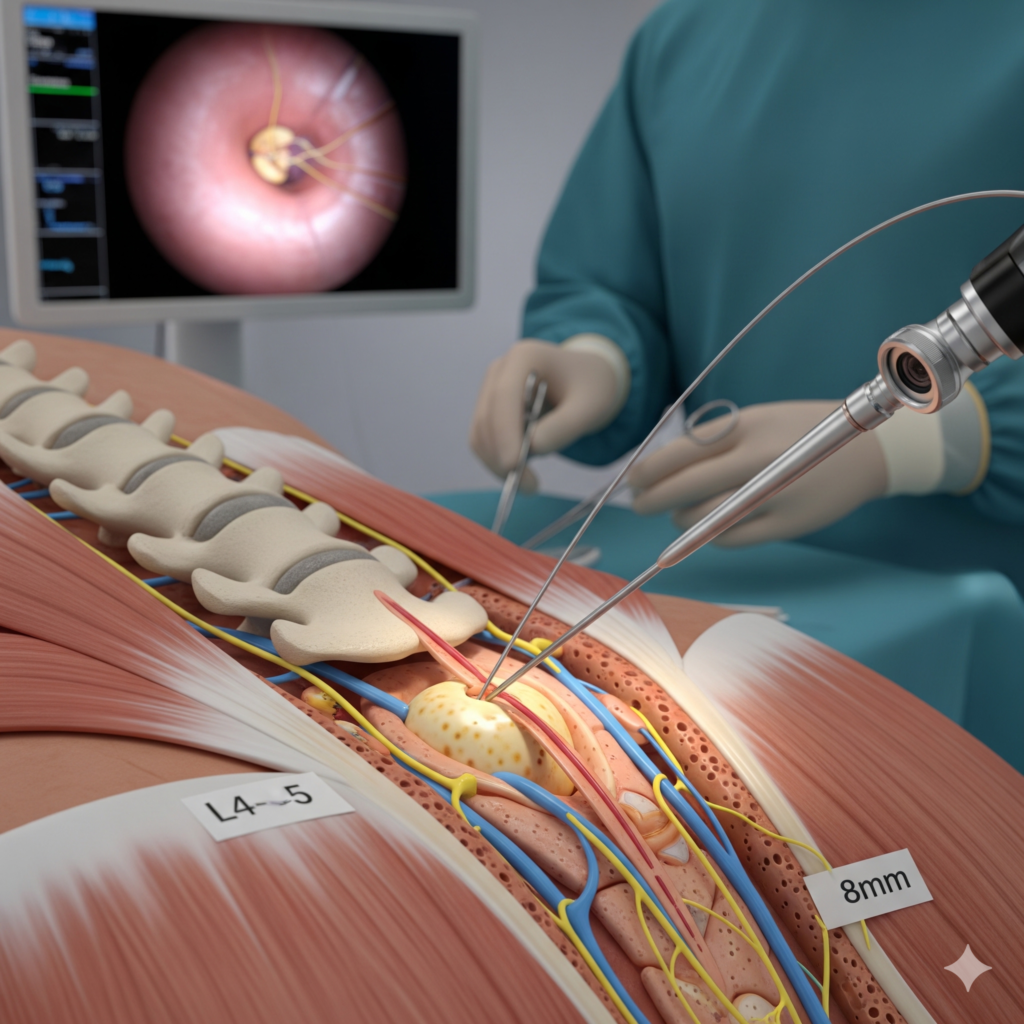
Endoscopic spine surgery is a modern, minimally invasive procedure that helps doctors treat spinal disorders with high precision. During the procedure, the surgeon inserts a thin tube with a high-definition camera through a small incision.
Consequently, the surgeon clearly views the affected spinal structures on a monitor. In addition, the surgeon uses specialized instruments to remove damaged disc material or relieve pressure on spinal nerves.
Compared to traditional spine surgery, this advanced technique protects surrounding muscles and tissues. As a result, patients recover faster and experience less postoperative discomfort.
Key Features of Endoscopic Spine Surgery
- Minimally invasive spine surgery technique
- Very small incision (around 8–10 mm)
- Minimal damage to muscles and tissues
- Less blood loss during surgery
- Reduced post-operative pain
- Faster recovery compared to traditional spine surgery
- Short hospital stay (often within 24 hours)
- Quick return to normal daily activities
Can You Live a Normal Life After Spine Surgery?
Many patients worry about their lifestyle after spine surgery. However, most people can return to a normal and active life after proper treatment and recovery. The main goal of spine surgery is to relieve nerve pressure, reduce pain, and restore mobility. As a result, patients often experience significant improvement in their daily activities.
With advanced techniques such as endoscopic spine surgery, recovery is usually faster and less painful compared to traditional surgery. Patients can gradually return to routine activities like walking, working, and light exercise after following the doctor’s recovery plan.
Furthermore, maintaining a healthy lifestyle plays an important role in long-term spine health. Regular physiotherapy, proper posture, and strengthening exercises can help protect the spine and prevent future problems. With proper care and medical guidance, many patients enjoy a comfortable and active life after spine surgery.
What Is the Age Limit for Spinal Surgery?
There is no strict age limit for spinal surgery. Doctors usually recommend surgery based on the patient’s overall health, the severity of the spine condition, and how much the symptoms affect daily life.
Younger patients may require surgery due to injuries, slipped discs, or sports-related spine problems. On the other hand, older adults may need spine surgery because of conditions such as spinal stenosis, degenerative disc disease, or chronic back pain.
Before recommending surgery, the spine specialist carefully evaluates the patient through physical examination, medical history, and imaging tests such as MRI or CT scans. This detailed assessment helps determine whether surgery is the best treatment option.
With modern techniques like minimally invasive and endoscopic spine surgery, many elderly patients can safely undergo spine surgery with faster recovery and fewer complications.
Conditions Treated with Endoscopic Spine Surgery
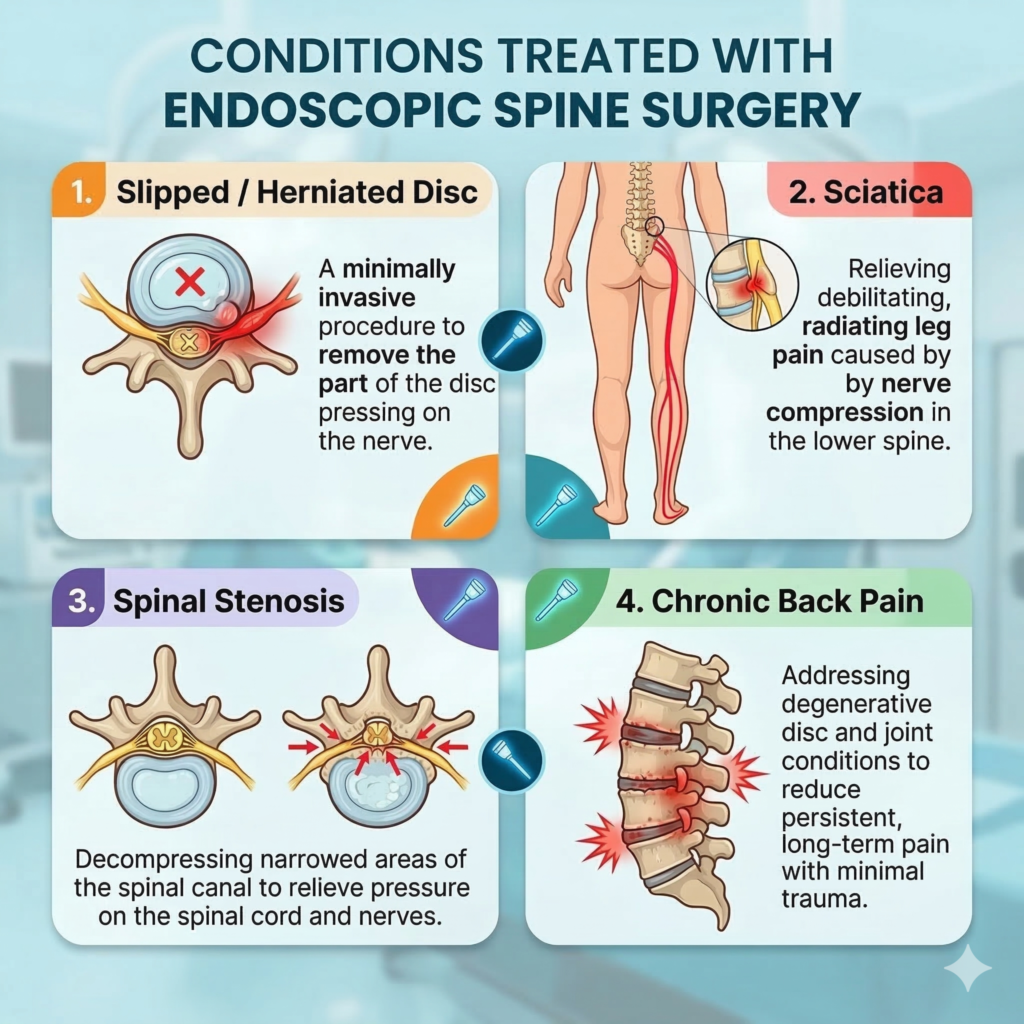
Endoscopic spine surgery helps treat several spine conditions. For example, doctors often recommend this procedure for disc-related problems and nerve compression.
Dr. Nirmal Patil treats the following conditions:
- Slipped Disc / Herniated Disc
- Sciatica (Radiating Leg Pain)
- Lumbar Disc Herniation
- Spinal Canal Stenosis
- Chronic Lower Back Pain
- Cervical Disc Disorders
- Pinched Nerves in the Spine
- Degenerative Disc Disease
However, doctors usually suggest surgery only when conservative treatments such as medication, rest, or physiotherapy do not provide relief. Therefore, a spine specialist must evaluate the condition carefully.
Benefits of Endoscopic Spine Surgery
Endoscopic spine surgery offers several advantages over conventional open surgery. Because the surgeon uses a minimally invasive technique, patients experience faster recovery and fewer complications.
Key Benefits
- Very small incision (8–10 mm)
- Minimal muscle and tissue damage
- Less blood loss
- Reduced postoperative pain
- Short hospital stay
- Faster recovery
- Quick return to daily activities
- Lower risk of complications
Additionally, many patients experience quicker relief from symptoms such as leg pain, numbness, and nerve compression.
Procedure of Endoscopic Spine Surgery
The surgeon performs this procedure using advanced instruments and imaging technology.
First, the surgeon makes a small incision near the affected area of the spine.
Next, the surgeon inserts a thin endoscope with a high-definition camera through the incision.
Meanwhile, the surgeon observes the spinal structures on a monitor.
After that, the surgeon uses micro-instruments to remove herniated disc material or relieve pressure on the nerve.
Finally, the surgeon closes the incision with minimal sutures.
Because the surgeon works with high precision, the surrounding muscles and tissues remain largely unaffected.
Symptoms That May Require Endoscopic Spine Surgery
- Persistent lower back pain
- Severe neck pain
- Pain radiating to the legs or arms
- Numbness or tingling in limbs
- Muscle weakness
- Difficulty standing or walking for long periods
- Pain not improving with medication or physiotherapy
Recovery After Endoscopic Spine Surgery
Recovery after endoscopic spine surgery usually occurs faster than recovery after traditional spine surgery. In many cases, patients notice significant improvement soon after the procedure.
Most patients:
- Walk within a few hours after surgery
- Experience relief from nerve pain
- Leave the hospital within 24 hours
- Resume daily activities within a few weeks
Furthermore, Dr. Nirmal Patil guides patients through a personalized recovery and rehabilitation plan. As a result, patients achieve better long-term spine health.
Advantages of Choosing Endoscopic Spine Surgery
- Smaller surgical incision
- Faster healing and recovery
- Lower risk of infection
- Minimal scarring
- Reduced hospital stay
- Better surgical precision with advanced camera technology
Why Choose Dr. Nirmal Patil for Endoscopic Spine Surgery in PCMC?
Choosing the right spine specialist plays a major role in successful treatment. Fortunately, Dr. Nirmal Patil provides advanced spine care using modern surgical techniques.
Key Highlights
- Experienced Spine Specialist in Pune
- Expertise in Minimally Invasive Spine Surgery
- Advanced Endoscopic Spine Surgery Techniques
- Comprehensive treatment for Back Pain and Neck Pain
- Trusted Orthopedic and Spine Surgeon in PCMC
- Experienced Spine Surgeon in Chinchwad, Pune
- Advanced Endoscopic Spine Surgery techniques
- Comprehensive care for back pain and neck pain
Moreover, patients from Chinchwad, Pimpri, Nigdi, Wakad, Hinjewadi, and across Pune visit Dr. Nirmal Patil for specialized spine care.
Frequently Asked Questions – Endoscopic Spine Surgery
A. Endoscopic spine surgery is a minimally invasive procedure used to treat spine problems such as slipped discs, sciatica, and spinal stenosis. During the procedure, the surgeon inserts a small tube with a camera (endoscope) through a tiny incision. As a result, the surgeon can clearly see the spine on a monitor and remove the damaged disc or relieve nerve pressure with high precision.
A. Endoscopic spine surgery has a high success rate, often around 85–95%, especially when performed by an experienced spine specialist. Furthermore, this technique reduces muscle damage and allows faster recovery compared to traditional open spine surgery.
A. Recovery time depends on the type of surgery and the patient’s overall health. However, with endoscopic spine surgery, many patients start walking within a few hours and return to normal daily activities within 2–4 weeks. Additionally, proper physiotherapy and following the doctor’s advice can speed up recovery.
A. Yes, most patients can climb stairs carefully after spine surgery, usually within a few days after the procedure. However, patients should follow the surgeon’s instructions and avoid excessive strain during the early recovery period.
Consult the Best Spine Surgeon in Chinchwad, Pune
If you experience chronic back pain, sciatica, a slipped disc, or neck pain, seek medical advice early. Therefore, consulting a spine specialist can help prevent further complications.
Dr. Nirmal Patil – Best Spine Surgeon in PCMC provides advanced spine treatments, including endoscopic spine surgery, to help patients recover safely and quickly.
📍 Location: Chetna Hospital, Chinchwad, PCMC, Pune
📞 Book an Appointment Today – 91586 80739