
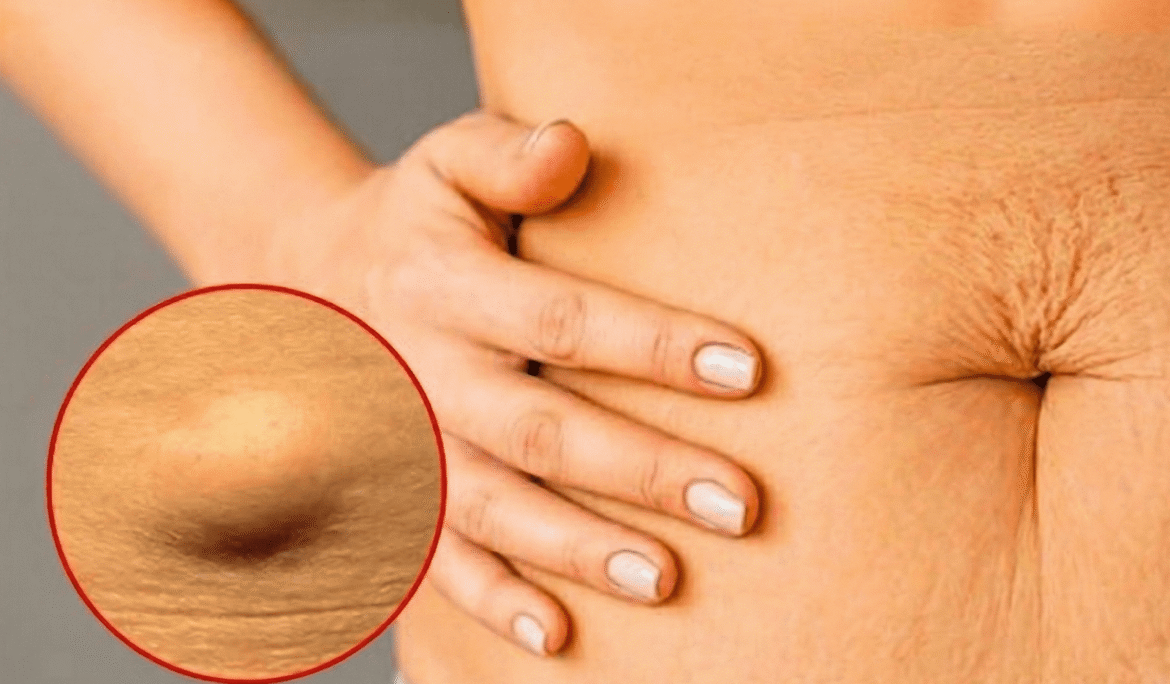
A lipoma is a soft, fatty lump that grows slowly under the skin. It is not cancer, and most lipomas need no treatment. Still, a doctor should check any new lump. Get it checked sooner if it hurts, feels hard, does not move, or is getting bigger.
This guide explains lipoma treatment in plain words: which lumps need a closer look, how doctors check them, and when removal makes sense. It is for people in Chinchwad and across Pimpri Chinchwad who have found a lump.
What is a lipoma?
A lipoma is a round or oval lump made of fat tissue. It sits just under the skin. Doctors call it a benign soft tissue tumour. Benign means it is not cancer.
Lipomas grow slowly. They can appear at any age, but they are most often found in people aged 40 to 60. They are slightly more common in women. Most lipomas cause no problems.
Signs of a lipoma
A typical lipoma:
- feels soft to the touch
- moves slightly under the skin when you press it
- is usually not painful
- grows slowly
- can be as small as a pea or a few centimetres across
Lipomas can grow almost anywhere. They are most common on the shoulders, chest, arms, back, buttocks and thighs. They can also appear on the neck and forehead.
Most lipomas do not hurt. A lipoma can become painful if it presses on a nerve, sits near a joint, or has blood vessels running through it. A lipoma that contains blood vessels is called an angiolipoma, and it is often tender.
What causes lipomas?
Doctors do not know exactly why lipomas form. They can run in families. You are more likely to get one if a close relative has had them.
A few rare conditions cause many lipomas:
- Familial multiple lipomatosis: an inherited condition that causes several lipomas.
- Dercum’s disease: causes painful lipomas, mostly on the arms, legs and trunk.
- Madelung’s disease: causes lipomas around the neck and shoulders. It is mostly seen in men who drink a lot of alcohol.
Lipomas that run in families cannot be prevented. Drinking less alcohol lowers the risk of Madelung’s disease.
When to worry about a lipoma
Lumps and swellings are very common and have many possible causes. Having a lump does not mean you have cancer, but it should still be checked. In rare cases, a lump under the skin can be a sign of something more serious.
See a doctor if:
- you find any new lump under your skin
- the lump is painful, red or warm to the touch
- it feels hard and does not move when you press it
- it is getting bigger, especially if it grows over a few weeks
- a lipoma you already have suddenly starts to hurt or feels firmer than before
- the lump feels deep, rather than just under the skin
Liposarcoma is a rare cancer of fatty tissue. Its signs can look like those of a lipoma. Soft tissue cancers like this (sarcomas) are usually felt deep under the skin. They tend to feel solid, are hard to move and keep growing. They often cause no pain at first, so a lump that does not hurt still needs a check. This is why doctors check new lumps, and why a lump that is changing needs a prompt visit.
| Usual for a lipoma | Get it checked soon |
|---|---|
| Soft to the touch | Hard or solid |
| Moves slightly when pressed | Fixed in place or hard to move |
| Grows slowly | Grows over weeks, or keeps growing |
| Usually not painful | Painful, red or warm |
| Just under the skin | Feels deep under the skin |
A table like this cannot tell you what your lump is. Only an examination can.
How a lipoma is diagnosed
A doctor can usually tell if a lump is a lipoma by looking at it and feeling it. They will check how soft it is, whether it moves and whether it is tender.
The doctor may ask:
- when you first noticed the lump
- whether it has grown
- whether it hurts
- whether you have had similar lumps before
- whether anyone in your family has similar lumps
If there is any doubt, the doctor may suggest a scan. This may be an ultrasound, an MRI or a CT scan, or sometimes an X-ray. A scan is more likely if the lump is large, looks unusual, or seems deeper than the fat layer. Scans show how deep the lump goes and whether it presses on nerves or other tissue. They also help tell a lipoma apart from a cyst.
Sometimes the doctor takes a small sample of tissue (a biopsy) to test in a lab. If a lump is removed, it may also be sent to a lab to confirm that it was a lipoma.
Lipoma treatment options
Most lipomas do not need treatment. They are harmless, and a small, soft lump that causes no trouble can usually be left alone. Keep an eye on it for changes.
A doctor may suggest removing a lipoma if:
- it is growing
- it is painful
- it causes symptoms because of where it is
- it bothers you
Surgery to remove the lump. This is the most common treatment. It is usually a day-case procedure, so most people go home the same day. Removal is often done under local anaesthetic. The numbing injection stings a little at first, and then the area becomes numb. Lipomas rarely grow back after removal, but a new one can form somewhere else on the body. A method called minimal excision may leave less scarring.
Liposuction. Sometimes the fatty tissue is drawn out through a long, thin needle instead. Your surgeon can tell you whether this suits your lump.
Possible side effects. Like any operation, lipoma removal can have side effects. These include a scar, bruising, bleeding and numbness around the wound. Less often, the wound gets infected or the lump comes back in the same place. Ask your surgeon to explain the risks for your lump.
In Chinchwad, the General Surgery department at Chetna Hospital carries out lipoma removal as daycare surgery.
Questions to ask at your visit
It helps to take a list of any medicines, vitamins and supplements you take. You may also want to ask:
- Is this a lipoma, or could it be something else?
- Do I need a scan or a biopsy?
- Does it need to be removed, or can I leave it alone?
- If it is removed, what are the risks, and what will the scar be like?
- Could it come back, or could I get more lipomas?
- Will my health insurance policy cover the procedure?
Looking after yourself at home
If you are keeping the lipoma: watch it for changes. See a doctor if it grows, starts to hurt, turns red or warm, or feels harder.
After removal:
- Follow the wound care advice your surgical team gives you.
- Keep the wound clean and dry, especially while stitches are in place.
- Ask when your stitches will come out and who to call if you are worried about the wound.
- Ask which signs of infection to look out for.
Frequently asked questions
Is a lipoma cancer?
No. A lipoma is a benign lump of fat, which means it is not cancer. A rare cancer called liposarcoma can look similar, so a doctor should check any new lump.
Does a lipoma always need to be removed?
No. Most lipomas are harmless and can be left alone. A doctor may suggest removal if the lump is growing, painful, or causing symptoms because of where it is.
Does lipoma removal hurt?
Removal is often done under local anaesthetic. The injection stings a little at first, and then the area goes numb. Most people go home the same day. Ask your surgeon what to expect for your lump.
Can a lipoma come back after removal?
Lipomas rarely grow back after removal. A new lipoma can still form in a different part of the body.
Can diet, vitamins or home remedies get rid of a lipoma?
The health sources listed below do not describe any food, vitamin or home remedy that removes a lipoma. The treatments they describe are surgery and liposuction. Most lipomas need no treatment at all.
Which doctor should I see for a lump under the skin?
You can start with your family doctor. They may refer you to a skin specialist (dermatologist) or a surgeon, who can examine the lump and remove it if needed.
Related reading
- Breast lumps: causes, checks and treatment
- Thyroid swelling: when to see a surgeon
- How to choose a general surgeon in Pune
Sources
- NHS: Lipoma
- NHS: Symptoms of soft tissue sarcoma
- Cleveland Clinic: Lipomas
- Mayo Clinic: Lipoma, diagnosis and treatment
- Liverpool University Hospitals NHS Foundation Trust: Removal of minor lesions or lumps from the neck (patient leaflet)
How to reach Chetna Hospital
General Surgery department, Chetna Hospital
Address: Sahakari Bank, Chetna Hospital, OPD 1, Ground Floor, Sambhaji Nagar Rd, next to Pimpri Chinchwad, Sambhajinagar, Chinchwad, Pune, Maharashtra 411019
Phone: 083908 61787
Daycare surgery is available. To see the general surgery team about a lump, call 083908 61787 or visit the hospital at the address above. You can also read about the general surgery department.
How this article was prepared: Chetna Hospital’s content team wrote it with the help of AI writing tools and checked it against the sources listed. It is general health information, not personal medical advice.



1 Comment
Anal Abscess Treatment in Chinchwad: When a Boil Keeps Returning - Chetna Hospital
[…] in Chinchwad. For a soft, painless lump under the skin elsewhere on the body, read our guide to lipoma removal in Chinchwad, and for flank pain, our article on when a kidney stone needs a procedure. Dr Dhananjay’s OPD […]