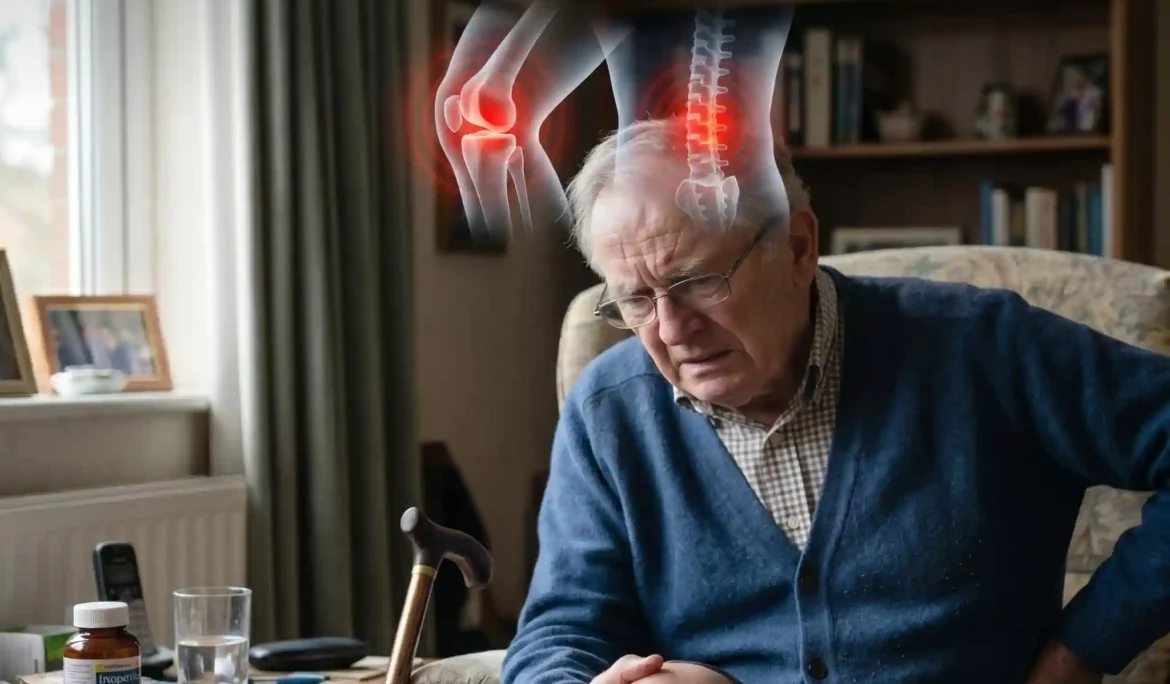
Pain in joint discomfort can quietly interfere with everyday life. At first, it may feel like mild stiffness; however, over time, it can begin to affect how you move, work, and even sleep. In many cases, people notice this issue in the knees, especially while walking or climbing stairs.
So, if you’ve been wondering why this happens and what actually helps, this guide explains everything in a clear and practical way.
What Is Joint Pain?
Simply put, joint pain refers to discomfort where two bones meet—such as the knees, hips, shoulders, or fingers. In some situations, it appears suddenly after physical activity; however, in others, it develops gradually due to wear and tear.
While occasional stiffness is quite common, persistent symptoms usually suggest an underlying issue. Therefore, paying attention early can prevent long-term complications.
Why Does It Happen?
Joint problems rarely come from a single cause. Instead, they usually develop due to a combination of physical strain, aging, and internal factors.
Common Causes
- Osteoarthritis (age-related wear and tear)
- Inflammatory conditions like rheumatoid arthritis
- Injuries or repetitive stress
- Nutritional deficiencies (Vitamin D, B12)
- Excess weight or inactivity
Moreover, lifestyle habits often accelerate these conditions; therefore, early correction plays a crucial role.
Table 1: Common Causes vs Symptoms vs Risk Level
| Cause | Key Symptoms | Risk Level | Who It Affects Most |
|---|---|---|---|
| Osteoarthritis | Stiffness, reduced movement | Medium | Age 40+ |
| Rheumatoid Arthritis | Swelling, warmth, fatigue | High | Autoimmune patients |
| Injury/Overuse | Sudden pain, limited mobility | Low–Medium | Athletes, active individuals |
| Vitamin D Deficiency | Bone pain, fatigue | Medium | Indoor lifestyle |
| Obesity | Knee stress, walking difficulty | Medium | Sedentary individuals |
As shown above, identifying the cause early can guide the right treatment approach.
Can Deficiencies Trigger Joint Problems?
Yes, and in fact, this is often overlooked. Nutritional imbalances can directly affect bone strength and joint flexibility.
Key Nutrients
- Vitamin D – Helps in calcium absorption
- Vitamin B12 – Supports nerve function
- Calcium – Strengthens bones
Warning Signs
- Persistent fatigue
- Muscle weakness
- Poor sleep
- Ongoing discomfort
As a result, correcting these deficiencies can significantly improve symptoms.
Table 2: Nutrient Deficiency & What to Do
| Deficiency | Symptoms | Best Sources | What You Can Do |
|---|---|---|---|
| Vitamin D | Bone pain, fatigue | Sunlight, fish, fortified milk | Improve your diet or take supplements |
| Vitamin B12 | Tingling, weakness | Eggs, dairy, meat | Improve diet or take supplements |
| Calcium | Weak bones, joint stress | Milk, leafy greens | Balanced diet + exercise |
Therefore, maintaining proper nutrition is not optional—it’s essential for joint health.
When Should You Be Concerned?
Not every case is serious; however, certain symptoms should not be ignored.
Red Flags
- Pain lasting more than a few weeks
- Swelling or redness
- Difficulty moving the joint
- Morning stiffness that persists
- Pain worsening at night
If you notice these signs, then it is important to seek professional care at
Next Gen Rehab & Physio Centre at Chetna Hospital, Chinchwad.
What Can You Do About It?
Our center serves patients across the Pimpri-Chinchwad corridor, specifically those looking for knee pain treatment in Wakad, Ravet, and Sambhajinagar.
Fortunately, most joint issues can be managed effectively with the right approach.
1. Physiotherapy
First and foremost, physiotherapy is one of the most effective treatments. It helps strengthen muscles and improve flexibility. As a result, pressure on the joints reduces.
For example, many patients at Next Gen Rehab & Physio Centre, Pimpri-Chinchwad have improved mobility within weeks through guided therapy.
2. Simple Relief Methods
In addition, you can try:
- Hot or cold compress
- Gentle stretching
- Weight management
- Anti-inflammatory diet
When followed consistently, these methods provide long-term relief.
3. Eat for Better Joint Health
Diet plays a crucial role; therefore, include:
- Fatty fish (Vitamin D)
- Dairy products (calcium)
- Nuts and seeds
- Leafy vegetables
- Eggs
On the other hand, reducing processed and sugary foods can lower inflammation.
How to Keep Your Joints Healthy
Healthy habits make a long-term difference.
- Stay active regularly
- Avoid prolonged sitting
- Maintain good posture
- Get sunlight exposure
- Stay hydrated
Over time, these habits improve flexibility and overall joint strength.
Exercises That Support Joint Health
Physiotherapists often recommend simple exercises such as:
- Leg raises
- Hamstring stretches
- Quadriceps strengthening
- Wall sits
- Step-ups
However, it is important to perform these exercises correctly; otherwise, improper form may worsen symptoms.
When to Seek Expert Help
If your discomfort continues or worsens, delaying care can lead to chronic mobility issues. Early intervention is key to preventing long-term complications. Residents in Chinchwad, Wakad, and Ravet can access advanced recovery protocols at our specialized unit.
Visit Next Gen Rehab & Physio Centre: Located within Chetna Hospital, Nigdi Bhosari Rd, we are the primary hub for joint pain relief in the Pimpri-Chinchwad region. Whether you are coming from Nigdi, Bhosari, or Akurdi, our expert team provides personalized recovery plans to help you walk pain-free again.
You can visit
Chetna Hospital Physiotherapy Unit, Nigdi Bhosari Rd, Chinchwad
for a personalized recovery plan.
FAQs
It may be due to inflammation, infection, or nutritional deficiencies.
Next Gen Rehab & Physio Centre at Chetna Hospital is a leading facility for joint and knee pain treatment in Chinchwad, serving the entire PCMC area.
Yes, it can disrupt sleep and cause fatigue.
A combination of physiotherapy, proper diet, and lifestyle changes works best.
Yes, we are located in Chinchwad, just a 10-15 minute drive for patients from Wakad, Ravet, and Nigdi.
Final Thoughts
To conclude, experiencing pain in joint areas is common; however, ignoring it can lead to long-term problems. On the contrary, early action can significantly improve your quality of life.
📞 Start Your Recovery Today
If discomfort is affecting your daily routine, then expert help is nearby.
Next Gen Rehab & Physio Centre
📍 Chetna Hospital, Nigdi Bhosari Rd, near HP Petrol Pump, Sambhajinagar, Chinchwad, Pimpri-Chinchwad
📞 Call/WhatsApp: +91 9168690442
Take the first step toward better mobility and healthier joints.
⚠️ Medical Disclaimer
This content is for informational purposes only. It does not replace professional medical advice. Always consult a qualified healthcare provider for diagnosis and treatment.