If you’ve recently had hernia surgery or are preparing for the procedure, understanding hernia surgery recovery time is essential for planning your return to daily activities. Knowing the signs and symptoms of a hernia that led to your surgery helps you better appreciate the healing process ahead. Recovery varies significantly based on surgery type, individual health, and post-operative care.
Understanding Hernia Surgery Recovery
Hernia surgery recovery time depends on several factors, including the type of hernia repair performed, your overall health, and how well you follow post-operative instructions. Most patients can expect anywhere from 2-6 weeks for basic recovery, though complete healing may take several months.
The recovery process begins immediately after surgery when you wake up in the recovery room. Your medical team monitors vital signs and ensures you’re stable before discharge. Understanding what to expect during each phase of recovery helps you prepare mentally and physically for the journey ahead.
Modern hernia repair techniques have significantly improved recovery times compared to traditional methods. Laparoscopic and robotic surgeries typically offer faster recovery periods than open surgical approaches, though the best method depends on your specific condition.
Signs and Symptoms of Hernia
Before discussing recovery, it’s important to understand the signs and symptoms of a hernia that typically lead to surgical intervention. Recognizing these symptoms helps you understand why surgery was necessary and what healing means for your body.
Common Hernia Symptoms Include:
- Visible bulge or lump in the affected area that may disappear when lying down
- Pain or discomfort, especially when bending over, coughing, or lifting
- Heavy or dragging sensation in the groin or abdomen
- Burning or aching at the bulge site
- Weakness or pressure in the affected area
- Pain that increases with physical activity
Severe Symptoms Requiring Immediate Surgery:
- Sudden severe pain that doesn’t improve
- Nausea and vomiting with a painful bulge
- Inability to pass gas or have bowel movements
- A bulge that cannot be pushed back into the abdomen
- Fever with hernia symptoms
Understanding these symptoms helps you appreciate why surgical repair was necessary and guides you in recognizing normal healing versus concerning changes during recovery.
Types of Hernia Surgery and Recovery Times
Hernia surgery recovery time varies significantly based on the surgical approach used. Each method has distinct advantages and recovery expectations.
Open Hernia Repair
Traditional open surgery involves a larger incision directly over the hernia site. Recovery time typically ranges from 4-6 weeks for basic activities and up to 3 months for complete healing. This method is often used for large or complex hernias.
Recovery timeline for open repair:
- Week 1-2: Rest and limited movement
- Week 3-4: Gradual increase in light activities
- Week 6-8: Return to most normal activities
- Month 3: Full recovery including heavy lifting
Laparoscopic Hernia Repair
Minimally invasive laparoscopic surgery uses small incisions and specialized instruments. Hernia surgery recovery time is generally shorter, with most patients returning to normal activities within 2-3 weeks.
Recovery benefits of laparoscopic repair:
- Less post-operative pain
- Smaller scars
- Faster return to work
- Lower infection risk
- Shorter hospital stay
Robotic Hernia Repair
The newest approach combines laparoscopic benefits with enhanced precision. Recovery time is similar to traditional laparoscopic surgery but may offer even better outcomes for complex cases.
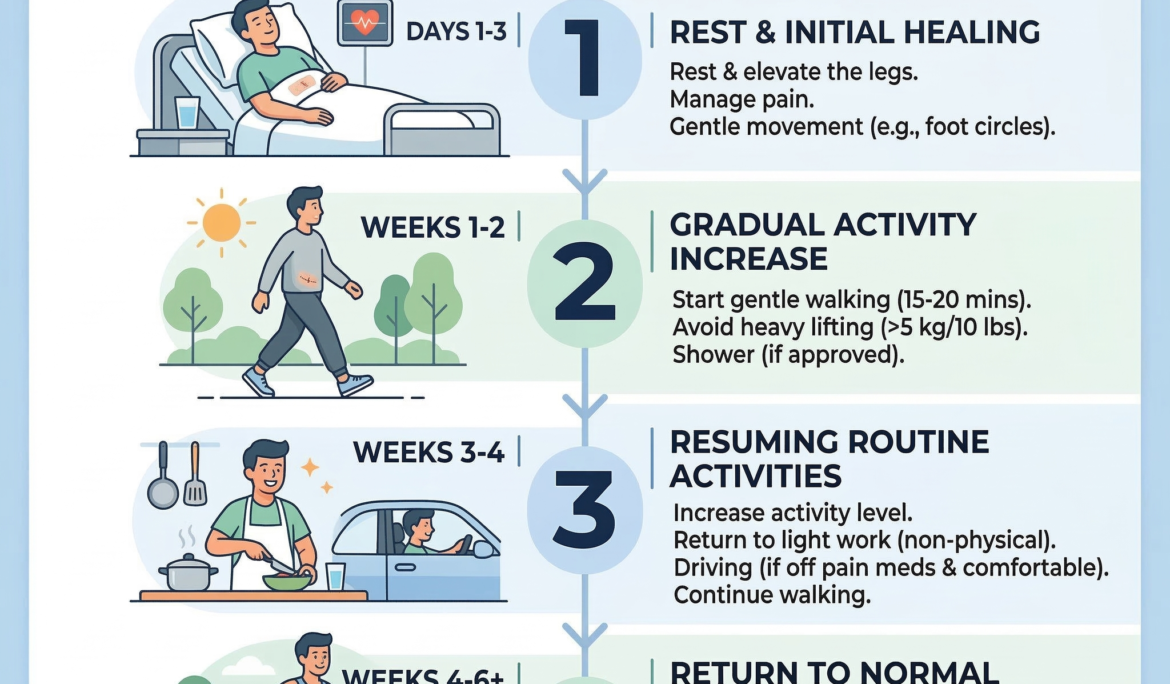
Timeline of Hernia Surgery Recovery
Understanding the typical hernia surgery recovery time timeline helps set realistic expectations and plan accordingly.
| Activity Milestone | Timeline | Surgeon’s Advice |
| Gentle Walking | Day 1 | Encouraged to prevent blood clots. |
| Desk Work | 7–10 Days | Resume once off narcotic pain meds. |
| Driving | 2 Weeks | Only when emergency braking is pain-free. |
| Lifting >5kg | 6 Weeks | Strict restriction to ensure mesh healing. |
| Sports/Gym | 8 Weeks | Gradual return after final check-up. |
Days 1-3: Immediate Post-Operative Period
The first few days focus on pain management and preventing complications. Most patients experience:
- Moderate pain managed with prescribed medications
- Limited mobility and bed rest
- Clear liquid diet progressing to regular foods
- Monitoring for signs of infection or complications
Week 1: Early Recovery Phase
During the first week, hernia surgery recovery time involves:
- Gradual increase in walking and light movement
- Pain medication tapering under medical supervision
- Wound care and dressing changes
- Avoiding lifting anything over 10 pounds
- Following up with your surgical team
Weeks 2-4: Progressive Recovery
Most patients see significant improvement during this period:
- Pain continues to decrease
- Increased energy and appetite
- Return to light desk work is possible
- Driving may resume if not taking pain medications
- Light household chores can begin
Weeks 4-6: Advanced Recovery
By this stage of hernia surgery recovery time:
- Most daily activities can resume
- Exercise restrictions begin to lift
- Return to more demanding work activities
- Continued wound healing and strength building
Months 2-3: Complete Recovery
Full recovery includes:
- Return to all pre-surgery activities
- Heavy lifting restrictions lifted
- Complete wound healing
- Maximum strength restoration
Post-Hernia Surgery: Your ‘At-A-Glance’ Checklist
If you are looking for a quick summary of what to do after your procedure with Dr. Dhananjay Patil, follow these steps:
Driving: Resume only after you can perform an “emergency brake” movement without sharp abdominal pain.
Immediate Walk (Day 1): Start gentle walking inside your room to prevent blood clots.
Weight Limit (Weeks 1-3): Do not lift anything heavier than a 5-liter water bottle (approx. 10-15 lbs).
Dietary Fiber: Increase intake of dal, leafy vegetables, and papaya to avoid straining during bowel movements.
Wound Check: Keep the dressing dry; avoid applying local creams or powders unless prescribed.
Factors Affecting Recovery Time
Several factors influence individual hernia surgery recovery time, making it important to discuss expectations with your surgeon.
Patient-Related Factors
Age and overall health significantly impact recovery speed. Younger, healthier patients typically recover faster than older individuals or those with chronic conditions like diabetes or heart disease.
Pre-existing medical conditions can slow healing:
- Diabetes affects wound healing
- Obesity increases the risk
- Smoking delays tissue repair
- Immune system disorders slow recovery
Fitness level before surgery influences post-operative recovery. Patients in good physical condition often have shorter recovery times and fewer complications.
Surgery-Related Factors
Hernia size and complexity affect recovery duration. Larger hernias or those requiring mesh repair may need longer healing periods.
Surgical approach determines initial recovery speed, with minimally invasive techniques generally offering faster recovery times.
Complications during surgery can extend recovery time and require additional medical management.
Post-Operative Care Factors
Following medical instructions is crucial for optimal recovery. Patients who adhere to activity restrictions and wound care guidelines typically heal faster.
Pain management compliance affects recovery quality. Proper pain control allows for better mobility and faster healing.
Nutrition and hydration support the healing process. Adequate protein intake and proper hydration promote tissue repair.
Post-Surgery Care Instructions
Proper post-operative care significantly influences hernia surgery recovery time and reduces complication risk.
Wound Care Guidelines
Keep the surgical site clean and dry. Follow specific instructions for showering and dressing changes. Watch for signs of infection, including:
- Increased redness or swelling
- Unusual drainage or odor
- Fever over 101°F
- Increasing pain instead of gradual improvement
Activity Restrictions
Lifting restrictions is crucial during early recovery. Most surgeons recommend:
- No lifting over 10 pounds for the first 2 weeks
- Gradual increase to 25 pounds by week 4
- Return to normal lifting by 6-8 weeks
Movement guidelines promote healing while preventing complications:
- Walk regularly, but avoid strenuous exercise
- Avoid driving while taking narcotic pain medications
- No swimming until cleared by your surgeon
- Gradual return to sports and exercise
Diet and Nutrition
Proper nutrition supports healing and may reduce hernia surgery recovery time:
- High-protein foods promote tissue repair
- Adequate fiber prevents constipation
- Plenty of fluids support overall health
- Avoid alcohol, l which can interfere with medications
When to Return to Normal Activities
Timing your return to various activities affects hernia surgery recovery time and long-term outcomes.
Work Return Guidelines
Desk jobs can often be resumed within 1-2 weeks, depending on pain levels and medication needs. Working from home may be possible even sooner.
Physical labor jobs require longer recovery periods, typically 6-8 weeks before returning to full duty. Some patients may need modified duties initially.
Healthcare workers and teachers should consider infection control and physical demands when planning return dates.
Exercise and Sports
Walking can begin immediately after surgery and is encouraged for healthy recovery.
Light exercise, such as stretching or stationary biking, ing may start after 2-3 weeks with surgeon approval.
Weight training and contact sports typically require 6-8 weeks of healing before resumption.
Driving and Travel
Driving can resume when you’re no longer taking narcotic pain medications and can perform emergency maneuvers without pain, usually within 1-2 weeks.
Air travel is generally safe after the first week, though long flights may cause discomfort due to prolonged sitting.
Common Recovery Complications
Understanding potential complications helps you recognize when to seek medical attention during your hernia surgery recovery time.
Infection Signs
Surgical site infections can occur despite preventive measures:
- Increasing pain instead of improvement
- Red, warm, or swollen incision area
- Pus or unusual drainage
- Fever or chills
- Red streaking from the incision
Hernia Recurrence
While rare with modern techniques, hernias can recur:
- New bulge at or near the surgical site
- Pain similar to the original hernia symptoms
- Difficulty with bowel movements
- Nausea or vomiting with abdominal pain
Chronic Pain
Some patients experience ongoing pain beyond the normal hernia surgery recovery time:
- Pain lasting more than 3 months
- Nerve-related burning or tingling
- Pain that interferes with daily activities
- Sensitivity to touch around the surgical area
Tips for Faster Recovery
Following these guidelines can optimize your hernia surgery recovery time and improve outcomes.
Physical Recovery Tips
Stay active within restrictions to prevent blood clots and maintain strength. Short walks every few hours are ideal during early recovery.
Use proper body mechanics when moving. Log roll when getting out of bed and use your legs rather than your core when standing up.
Wear supportive clothing if recommended by your surgeon. Some patients benefit from compression garments during healing.
Mental and Emotional Support
Manage expectations about recovery progress. Healing isn’t always linear, and some days may feel better than others.
Stay connected with family and friends for emotional support during recovery.
Plan entertainment for periods of limited activity. Books, movies, and gentle hobbies can help pass the time during early recovery.
Medical Follow-Up
Attend all scheduled appointments to monitor healing progress and address concerns early.
Ask questions about your recovery and don’t hesitate to contact your surgeon’s office with concerns.
Keep detailed records of your recovery, including pain levels, activities, and any concerns that arise.
Expert Hernia Care at Chetna Hospital
When it comes to surgical recovery, the expertise of your surgeon and the quality of the facility are just as important as the procedure itself.
About Dr. Dhananjay Patil
Dr. Dhananjay Patil is a highly regarded General Surgeon in Pimpri-Chinchwad, known for his precision in both open and minimally invasive (laparoscopic) surgeries. With a patient-first approach, Dr. Patil ensures that every individual receives a customized recovery plan designed to minimize downtime and prevent recurrence. His focus on advanced surgical techniques helps patients return to their normal lives faster and with less discomfort.
Why Choose Chetna Hospital for Your Surgery?
Located in the heart of PCMC, Chetna Hospital is equipped with state-of-the-art surgical infrastructure designed for safety and efficiency.
- Advanced Operating Theaters: High-end facilities for laparoscopic and complex hernia repairs.
- Specialized Post-Op Care: A dedicated nursing team trained in wound management and early mobilization.
- Patient-Centric Environment: Modern recovery rooms and a focus on hygiene and comfort.
- Strategic Location: Conveniently accessible for residents across Akurdi, Chinchwad, Nigdi, and Moshi.
Serving Our Community
We are proud to be the trusted healthcare partner for families throughout the region, including:
- PCMC Core: Pimpri, Chinchwad, Akurdi, Nigdi, and Bhosari.
- Growing Hubs: Wakad, Hinjewadi, Ravet, and Punawale.
- Extended Reach: Moshi, Alandi, and Sangvi.
Reaching Chetna Hospital for Hernia Care in PCMC
Located in Sambhaji Nagar, Chinchwad, Chetna Hospital is the primary surgical center for patients within a 7km radius. We are conveniently accessible for residents from:
Chinchwad East: Located just behind the Sambhaji Nagar Sahakari Bank in G-Block MIDC.
Akurdi & Nigdi: 5–10 mins via Sambhaji Nagar Road (near Thermax Chowk).
Moshi & Bhosari: 15 mins via the Spine Road/PCNTDA zones.
Ravet & Kiwale: Connected via the Kalewadi Main Road and BRTS routes.
Frequently Asked Questions
A: Most patients can return to normal daily activities within 2-4 weeks, though complete healing takes 6-8 weeks. Hernia surgery recovery time varies based on surgical technique, hernia size, and individual factors.
A: The most common signs and symptoms of a hernia include a visible bulge, pain when lifting or straining, and a heavy feeling in the affected area. Severe symptoms like sudden, intense pain require immediate medical attention.
A: Driving is generally safe once you’re no longer taking narcotic pain medications and can perform emergency maneuvers without pain, typically within 1-2 weeks of surgery.
A: Most surgeons recommend no lifting over 10 pounds for the first 2 weeks, gradually increasing to normal lifting by 6-8 weeks. Always follow your surgeon’s specific instructions.
A: Some discomfort is normal for several weeks, but severe or increasing pain may indicate complications. Contact your surgeon if pain worsens or doesn’t improve as expected.
Ready to discuss your hernia treatment options?
Book an appointment!
Dr. Dhananjay Patil, General Surgeon
📞 Book your consultation today.
📍 Location: Pimpri Chinchwad, Pune. Also serving: Akurdi, Bhosari, Chinchwad, Nigdi, Moshi, Wakad, Hinjewadi, Ravet, and surrounding areas within 15 km
📞 Call Now: 083908 61787
Location: https://share.google/OdyXxFlAHhoRc3GC8
Don’t let hernia symptoms affect your quality of life. Contact Dr. Patil today to discuss your treatment options and expected hernia surgery recovery time based on your specific situation.
We take pride in offering expert hernia care to residents across Pimpri-Chinchwad. Whether you are looking for a hernia specialist in Wakad, seeking treatment in Hinjewadi, or need a consultation in Bhosari or Moshi, Dr. Dhananjay Patil is here to help. Our clinic is easily accessible for patients from Akurdi, Ravet, Nigdi, and Pimple Saudagar.
Consult the Hernia Specialist in Chinchwad
Don’t ignore a persistent bulge or discomfort. Early intervention leads to a faster recovery and prevents complications like strangulation.
Expert Surgeon: Dr. Dhananjay Patil (General & Laparoscopic Specialist) Location: Chetna Hospital, MIDC, G Block, Chinchwad, Pune. Service Areas: Serving Chinchwad, Akurdi, Nigdi, Moshi, Ravet, and Wakad.
📞 Call for Appointments: +91 91586 80739 / 083908 61787
Why Chetna Hospital is the Preferred Choice for PCMC Residents
Located in the heart of Sambhaji Nagar (Chinchwad), Chetna Hospital is just a 5-15 minute drive for patients in the following 7km radius:
- Akurdi & Nigdi: Direct access via the Sambhaji Nagar Road (Near Rotary Club).
- Thermax Chowk & Yamunanagar: We are the nearest multispecialty center for laparoscopic care.
- Ravet & Kiwale: Easy connectivity via the Spine Road and BRTS routes.
- Moshi & Bhosari: A quick commute for patients seeking Dr. Dhananjay Patil’s 44+ years of surgical expertise.