Introduction
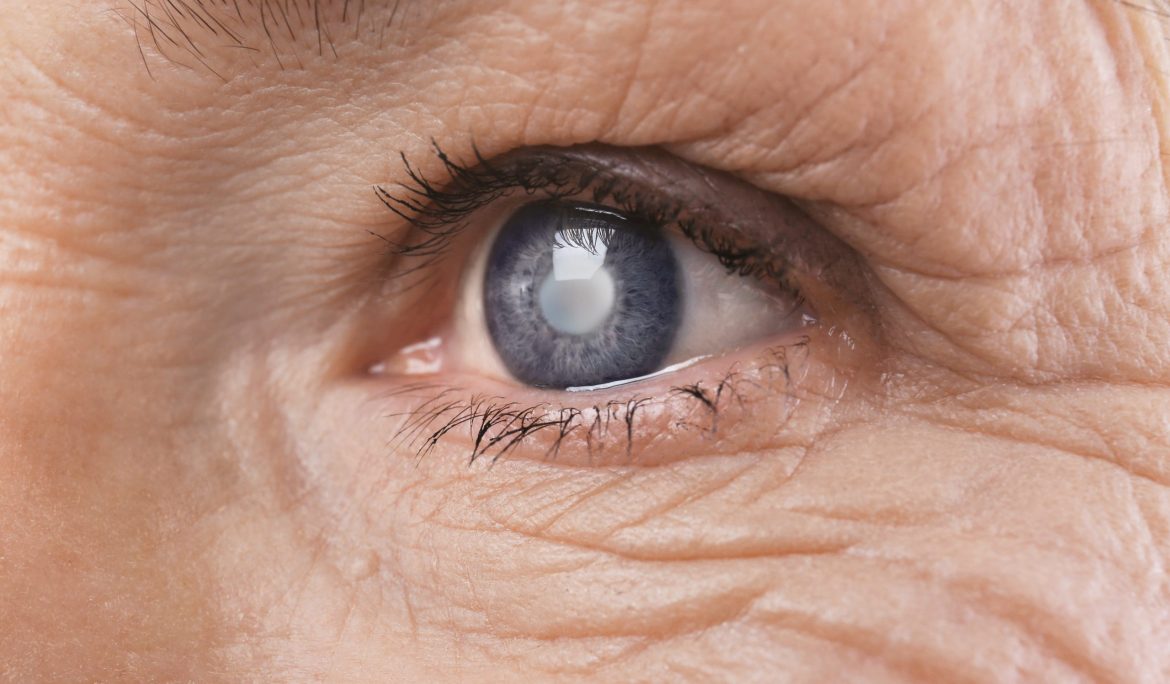
Glaucoma is a complex and progressive eye condition that can lead to irreversible vision loss if left untreated. Glaucoma typically develops slowly and without noticeable symptoms in its early stages. However, as the disease progresses, it can cause significant damage to the optic nerve, resulting in vision impairment or blindness. This article explains its causes, risk factors, symptoms, diagnosis, treatment options, and preventive measures.
Understanding Glaucoma
Glaucoma is a group of eye diseases that damage the optic nerve, which is crucial for transmitting visual information from the eye to the brain. The most common type of glaucoma is primary open-angle glaucoma. It is often linked to raised intraocular pressure (IOP) when fluid (aqueous humor) does not drain from the eye well, but it can also happen when eye pressure is normal. Raised pressure can gradually damage the optic nerve fibers, causing peripheral vision loss initially and potentially affecting central vision as the disease progresses.
Risk Factors for Glaucoma
Several risk factors can increase an individual’s likelihood of developing glaucoma. These include:
- Age: Glaucoma becomes more common with age, especially after 40, although it can occur at any age.
- Family History: A family history of glaucoma can significantly increase the risk of developing the condition.
- Ethnicity: People of African, Hispanic or Asian ancestry have a higher risk of glaucoma.
- Elevated Intraocular Pressure (IOP): High IOP is a major risk factor for glaucoma, but not everyone with elevated pressure will develop the disease.
- Thin Corneas: Thin corneas may indicate a higher risk of glaucoma.
- Medical Conditions: Certain medical conditions like diabetes, high blood pressure, migraine and poor circulation may increase the risk of glaucoma.
- Eye Injury or Long-term Steroid Use: Previous eye injuries and long-term use of steroid medicines can increase the risk of glaucoma.
Symptoms of Glaucoma
In the early stages, glaucoma usually doesn’t cause noticeable symptoms, and most people do not realise they have it. As the disease progresses, individuals may experience:
- Gradual Loss of Peripheral Vision: Peripheral vision is often affected first, which can cause tunnel vision in late stages.
- Blurred Vision: Vision may become blurry, especially during a sudden (acute) attack.
- Halos Around Lights: Coloured halos around lights can be a sign of acute angle-closure glaucoma.
- Severe Eye Pain: Acute angle-closure glaucoma can cause sudden intense eye pain, a red eye, blurred vision, headache, nausea and vomiting. This is a medical emergency: go to the nearest emergency department straight away or call 108 or 112.
It’s crucial to note that these symptoms can also be associated with other eye conditions, so regular comprehensive eye exams are essential for early detection and diagnosis.
Diagnosis of Glaucoma
Diagnosing glaucoma involves a thorough eye examination conducted by an eye care professional. The following tests are commonly used to diagnose and monitor glaucoma:
- Tonometry: Measures intraocular pressure (IOP) to assess for high pressure, a risk factor for glaucoma.
- Ophthalmoscopy: Examines the optic nerve for signs of damage or abnormalities.
- Perimetry (Visual Field Test): Evaluates peripheral and central vision to detect any visual field defects caused by glaucoma.
- Gonioscopy: Assesses the drainage angle of the eye to determine the type of glaucoma (open-angle or angle-closure).
- Optical Coherence Tomography (OCT): Provides detailed images of the optic nerve and retinal nerve fiber layer to monitor progression and assess damage.
Treatment Options for Glaucoma
Vision lost to glaucoma cannot be restored, but early diagnosis and treatment can slow the condition and help prevent further vision loss. Treatment options for glaucoma include:
- Eye Drops: Prescription eye drops are often the first line of treatment to reduce intraocular pressure by either increasing drainage or decreasing fluid production in the eye.
- Oral Medications: In some cases, oral medications may be prescribed to lower IOP.
- Laser Therapy: Laser procedures such as selective laser trabeculoplasty (SLT) or laser peripheral iridotomy (LPI) can help fluid drain from the eye.
- Surgical Interventions: If medicines and laser treatment do not control the eye pressure well enough, surgical procedures like trabeculectomy, minimally invasive glaucoma surgery (MIGS), or implantation of drainage devices may be recommended to improve drainage and lower IOP.
It’s essential for individuals with glaucoma to follow their prescribed treatment plan, attend regular follow-up appointments, and monitor their eye health diligently.
Preventive Measures and Lifestyle Recommendations
While certain risk factors for glaucoma cannot be changed, such as age and family history, there are steps individuals can take to reduce their risk or manage the condition effectively:
- Regular Eye Exams: Have a complete eye examination around age 40, and more often if you have risk factors for glaucoma or your eye doctor advises it.
- Follow Treatment Plans: Adhere to prescribed medications, eye drops, or other treatments as directed by your eye care provider.
- Maintain a Healthy Lifestyle: Eating a balanced diet, exercising regularly, managing chronic conditions like diabetes and hypertension, and avoiding smoking can promote overall eye and general health.
- Protect Your Eyes: Wear protective eyewear during activities that pose a risk of eye injury or trauma.
- Stay Informed: Educate yourself about glaucoma, its symptoms, and treatment options to make informed decisions about your eye health.
Conclusion
Glaucoma is a serious eye condition that requires early detection, prompt treatment, and ongoing management to preserve vision and quality of life. By understanding the risk factors, symptoms, diagnosis process, treatment options, and preventive measures associated with glaucoma, individuals can take proactive steps to protect their eyesight and maintain optimal eye health. Regular eye exams and open communication with eye care professionals are key components of managing glaucoma effectively. Together, we can raise awareness about glaucoma and work towards a future where vision loss from this condition is minimized through early intervention and comprehensive care.
General health information, not a diagnosis. Reviewed and updated by Chetna Hospital’s content team, November 2026.