Introduction
Our eyes are complex organs that provide us with the ability to see and interpret the world around us. However, sometimes we may notice unusual visual disturbances like floaters and flashes. While these phenomena are often harmless, they can sometimes signal a more serious underlying condition. Understanding the causes, symptoms, and warning signs of floaters and flashes can help determine when to seek medical attention.
What Are Eye Floaters?
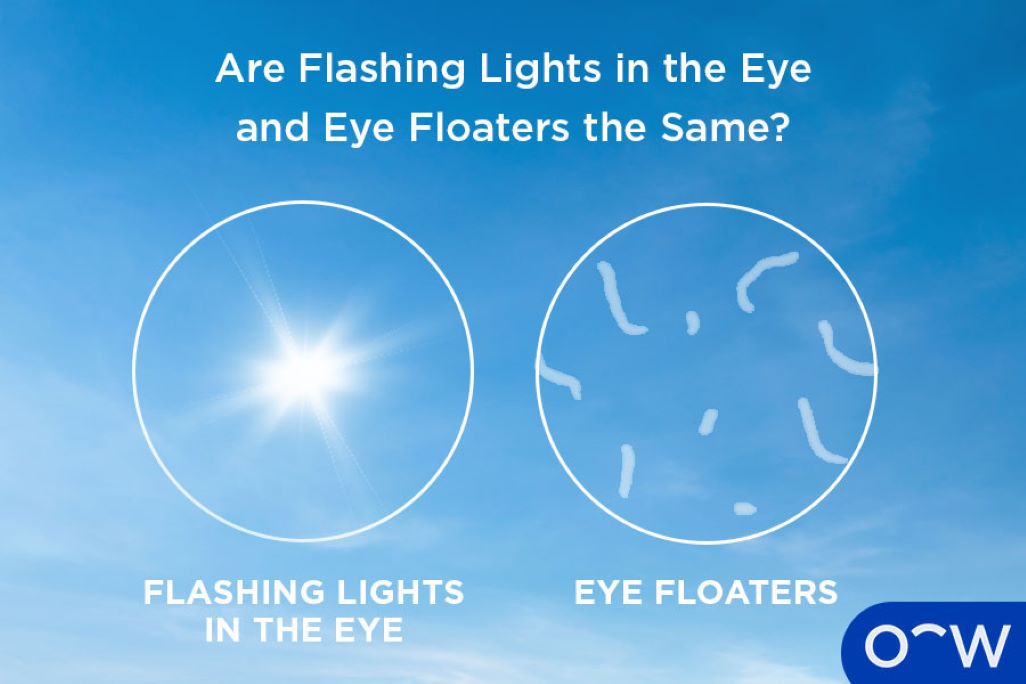
Eye floaters appear as tiny spots, strings, or cobweb-like shapes that drift across your field of vision. They are more noticeable when looking at a bright background, such as a clear blue sky or a white wall. Floaters occur due to tiny clumps of gel or cells inside the vitreous, the clear gel-like substance that fills the inside of the eye. These shadows cast on the retina create the appearance of floaters.
Causes of Floaters
Floaters are primarily caused by the normal aging process, but they can also result from other factors such as:
- Aging: The vitreous gel shrinks and becomes more liquid, which can lead to clumps forming within it.
- Posterior Vitreous Detachment (PVD): The vitreous pulls away from the retina, which can lead to an increase in floaters.
- Eye Inflammation (Uveitis): Inflammatory conditions can cause debris to form inside the eye, which can lead to floaters.
- Retinal Tears or Detachments: A sudden increase in floaters may indicate a tear in the retina, which can lead to retinal detachment.
- Bleeding Inside the Eye: Blood from damaged blood vessels can cause floaters.
- Eye Injuries or Surgery: Trauma or past eye surgeries can lead to floaters.
What Are Eye Flashes?
Flashes appear as brief streaks or bursts of light in the peripheral vision, similar to lightning flashes or sparks. These flashes occur when the vitreous pulls on or tugs at the retina, stimulating it and causing the perception of light.
Causes of Flashes
Flashes can occur due to various reasons, including:
- Aging and Posterior Vitreous Detachment (PVD): As the vitreous shrinks with age, it can pull on the retina, causing flashes.
- Migraine Auras: Some people experience flashes in the form of jagged lines or shimmering lights before a migraine headache.
- Retinal Tears or Detachments: New or sudden flashes may be a sign of a retinal tear or detachment, which needs urgent care.
- Head or Eye Trauma: A sudden impact to the head or eye can trigger flashes.
When Should You Be Concerned?
While occasional floaters and flashes are common and often harmless, certain symptoms can mean a serious problem at the back of the eye that needs urgent care:
Signs That Require Urgent Medical Attention
- New or a Sudden Increase in Floaters: Floaters for the first time, or a sudden shower of them, may be a sign of a retinal tear or detachment.
- New or Sudden Flashes: Flashes that start suddenly may signal a problem with the retina.
- A Shadow or Curtain Over Vision: This can be a sign of retinal detachment, which needs urgent treatment to prevent permanent vision loss.
- Blurred or Distorted Vision: If your vision becomes blurry, wavy, or distorted along with floaters or flashes, seek medical help immediately.
- Loss of Peripheral Vision: This is a warning sign of retinal detachment.
- Pain or Redness in the Eye: These symptoms may indicate inflammation or another eye condition that needs medical evaluation.
- Floaters or Flashes After an Eye Injury or Eye Surgery.
If you notice any of these signs, go to an emergency department straight away or call 108 or 112. Do not wait for a routine appointment.
For Consultation Contact us on 91686 90442 / 9158681123
Website – www.chetnahospital.co.in
Address – Chetna Hospital, Sambhajinagar, MIDC, G Block, Near Rotary Club, Chinchwad 411019
General health information, not a diagnosis. Reviewed and updated by Chetna Hospital’s content team with the help of AI writing tools, November 2026.