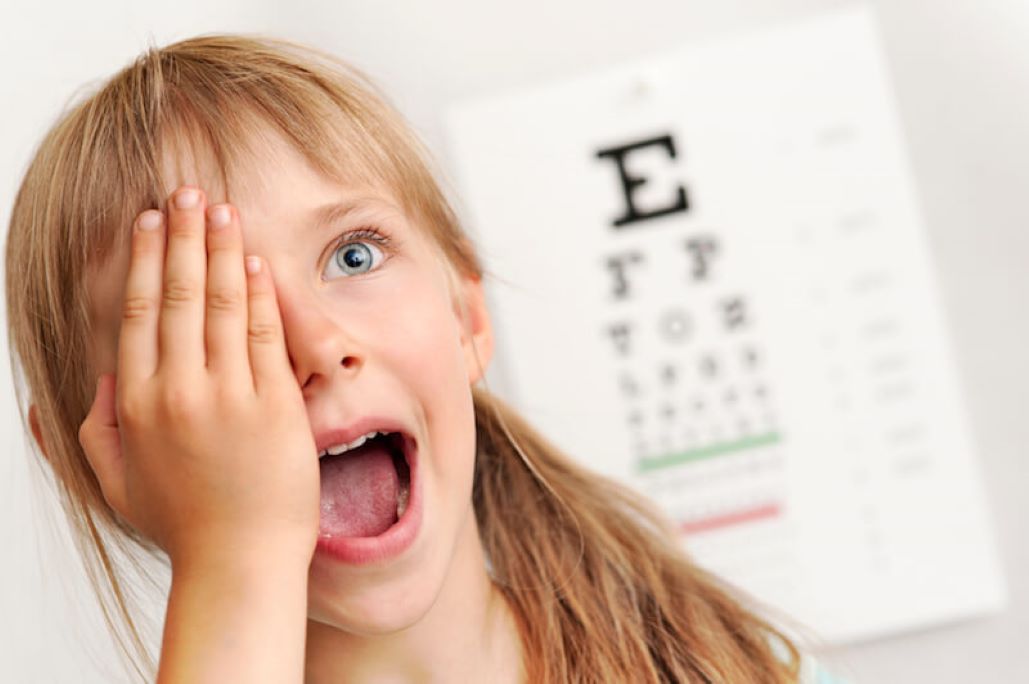
Good vision matters for a child’s growth, learning and development. Parents may miss signs of eye problems, because children often do not complain and may not know their vision is poor. Finding and treating eye conditions early can make a real difference.
In this blog, we will explore common eye problems in children, their causes, symptoms, and the importance of early diagnosis and treatment.
Common Eye Problems in Children
1. Refractive Errors
Refractive errors are among the most common vision problems in children. These occur when the shape of the eye prevents light from focusing correctly on the retina.
- Myopia (Nearsightedness): Difficulty seeing distant objects clearly.
- Hyperopia (Farsightedness): Near objects may look blurry and the eyes may tire. Mild long sight is common in young children and often needs no glasses.
- Astigmatism: Blurred vision due to an irregularly shaped cornea or lens.
Symptoms: Squinting, frequent headaches, holding objects close to the face, or complaining about blurry vision.
2. Amblyopia (Lazy Eye)
Amblyopia occurs when one eye does not develop proper vision during childhood, often due to an underlying issue such as strabismus or refractive error.
Symptoms: Often there are none, because the child sees well with the other eye. Some children squint, shut one eye, tilt the head, or have an eye that turns inward or outward. It is often first found at an eye test.
Treatment: Glasses, a patch over the stronger eye for a few hours a day, or eye drops that blur the stronger eye can help the weaker eye. Treatment works better when started early, ideally before about 7 years of age.
3. Strabismus (Crossed Eyes)
Strabismus is a condition where the eyes are misaligned, either turning inward, outward, upward, or downward. It can lead to amblyopia if left untreated.
Symptoms: Misaligned eyes, double vision, or tilting the head to focus.
Treatment: Glasses, patching (if there is a lazy eye) or surgery may be recommended. Strabismus should be checked and treated as soon as possible.
4. Conjunctivitis (Pink Eye)
Conjunctivitis is an infection or inflammation of the conjunctiva, the clear layer covering the white part of the eye.
Symptoms: Redness, itching, discharge, or excessive tearing.
Treatment: It depends on the cause (bacterial, viral or allergic). Many cases clear up within a week or two. Good hygiene helps stop it spreading, as infectious types are contagious. A doctor can advise if treatment is needed.
5. Blocked Tear Ducts
This happens when the tear drainage system is blocked, which causes watery eyes or discharge.
Symptoms: Watery eyes, redness, or mild swelling near the inner corner of the eye.
Treatment: It is common in babies, and most cases clear on their own. A doctor may show you a gentle massage. If it does not clear, a minor procedure may be needed.
6. Ptosis (Droopy Eyelid)
Ptosis refers to the drooping of the upper eyelid, which can obstruct vision if severe.
Symptoms: Drooping eyelid, tilted head, or raising the eyebrows to see better.
Treatment: If the lid blocks vision, surgery may be needed to protect vision development.
Causes of Eye Problems in Children
Eye problems in children can arise from various factors, including:
- Genetics: A family history of eye issues may increase a child’s risk.
- Premature Birth: Premature infants are more prone to developing certain vision issues, like retinopathy of prematurity (ROP).
- Infections: Infections such as conjunctivitis can affect the eyes. Painful swelling around the eye with fever needs urgent medical care.
- Injuries: Accidental eye injuries during play or sports.
- Underlying Health Conditions: Diabetes, congenital anomalies, or neurological disorders may contribute to eye problems.
Why Early Detection Matters
Many vision problems respond well to treatment if found early. Left untreated, they can lead to:
- Learning Difficulties: Poor vision can affect a child’s academic performance and confidence.
- Vision Loss: Delayed treatment of conditions like lazy eye can lead to lasting poor vision in that eye.
- Social Challenges: Strabismus or other noticeable eye conditions can lead to self-esteem issues.
Routine eye checks are important even if a child has no symptoms.
Signs Your Child May Have Vision Problems
Look out for the following signs that may indicate an eye problem in children:
- Frequently rubbing or blinking their eyes.
- Difficulty focusing on objects or reading.
- Holding books or devices very close to their face.
- Complaining about headaches or tired eyes.
- Squinting or closing one eye to see better.
- Misaligned or wandering eyes.
- Sensitivity to light.
- A white or unusual reflection in the pupil in flash photos, or eyes that look cloudy. Get this checked by an eye doctor promptly.
Preventing Eye Problems in Children
Not all eye problems can be prevented, but these steps help:
- Regular Eye Check-ups: Babies’ eyes are checked soon after birth. Have your child’s eyes checked again before starting school, at the times your child’s doctor advises, and any time you notice a problem.
- Good Nutrition: A balanced diet with fruit, vegetables and other vitamin A-rich foods supports general and eye health.
- Limit Screen Time: Encourage breaks using the 20-20-20 rule (look 20 feet away for 20 seconds every 20 minutes of screen use).
- Protective Eyewear: Equip your child with safety glasses during sports or activities prone to eye injuries.
- Hygiene Practices: Teach children to avoid touching their eyes with dirty hands and maintain overall hygiene.
When to Visit an Eye Specialist
You should schedule a visit to an eye specialist if your child:
- Exhibits any signs or symptoms of vision problems.
- Was born prematurely or has a family history of eye conditions.
- Has an eye injury. For a serious injury, a chemical in the eye, sudden vision loss or severe eye pain, go to an emergency department straight away or call 108 or 112.
Getting concerns checked early helps protect your child’s vision.
How Eye Specialists Can Help
Paediatric ophthalmologists diagnose and treat eye conditions in children. Their work includes:
- Comprehensive eye exams tailored for children.
- Prescription of corrective lenses.
- Performing surgeries for conditions like strabismus or ptosis.
- Guidance on managing long-term eye problems like amblyopia.
Conclusion
Eye health is an important part of your child’s well-being and development. Knowing the early signs, keeping up routine check-ups and building good eye care habits can help your child keep healthy vision.
If you have concerns about your child’s vision, the eye care (ophthalmology) department at Chetna Hospital can check your child’s eyes. Call 91686 90442 to book a check-up.
General health information, not a diagnosis. Reviewed and updated by Chetna Hospital’s content team with the help of AI writing tools, November 2026.