Table of Contents
- Understanding diabetic retinopathy: what’s happening in your eyes?
- The role of regular eye examinations
- Early steps that help protect your eyes
- When prevention isn’t enough: treatment options
- Special considerations for families
- Choosing an eye care team
- Lifestyle factors that protect your vision
- Taking action: your next steps
If you have lived with diabetes for some years, you are probably used to managing blood sugar, watching your diet and going for regular check-ups. But one part of diabetes care often gets overlooked: your eyesight. If you have wondered whether occasional blurry vision is just tiredness or something more, this article explains diabetic retinopathy and how regular eye checks help protect your vision.
Diabetic retinopathy is a common cause of vision loss in people with long-term diabetes. The good news is that much of this vision loss can be prevented with good diabetes control, early detection and timely treatment. Let’s look at what you need to know to protect your sight and stay independent.
Understanding Diabetic Retinopathy: What’s Happening in Your Eyes?
Diabetic retinopathy happens when high blood sugar damages the tiny blood vessels in your retina, the light-sensitive tissue at the back of your eye. Think of your retina as the film in a camera: when it is damaged, the pictures become distorted or dark.
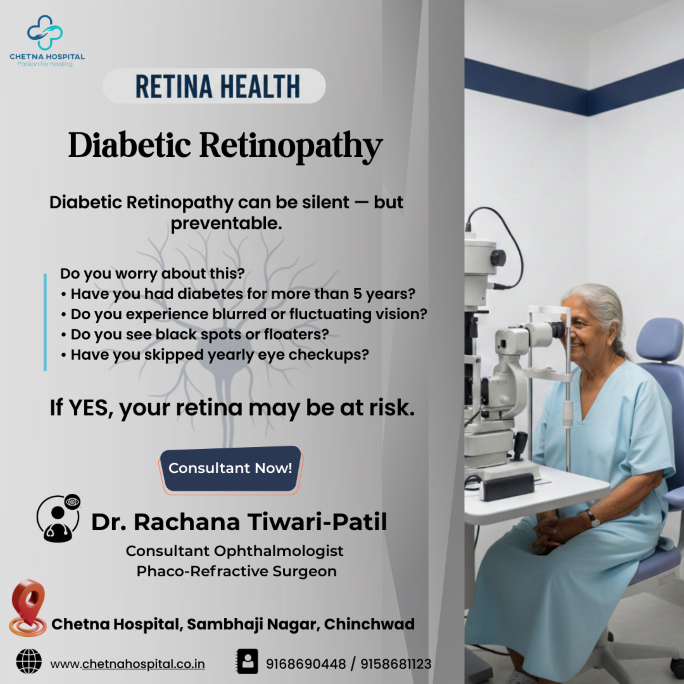
The longer you have had diabetes, and the less well controlled your blood sugar, blood pressure and cholesterol have been, the higher your risk. Many people don’t realise that diabetic retinopathy often shows no symptoms in its early stages.
How It Progresses Without Symptoms
In the early stages, you might not notice any change in your vision. The damage starts small: tiny blood vessels begin to leak or become blocked. In later stages, fragile new vessels can grow and bleed. As the condition progresses, you might notice:
- Blurred or changing vision
- Dark spots or floaters in your vision
- Difficulty seeing at night or in low light
- Colours looking faded or washed out
- Sudden vision loss in severe cases
By the time these symptoms appear, damage may already have happened. This is why regular screening matters, even when your vision seems fine.
Go to an emergency department straight away, or call 108 or 112, if you have diabetes and your vision suddenly gets worse, you suddenly see a shower of new floaters, or a shadow or curtain comes across your vision.
The Role of Regular Eye Examinations
Many people with diabetes assume that if they can see clearly, their eyes are healthy. This is not always true, and it is a common reason why retinopathy is found late. An eye examination can find diabetic retinopathy before you notice any symptoms.
The eye care (ophthalmology) department at Chetna Hospital, Sambhaji Nagar, Chinchwad, advises that regular diabetic eye screening is an essential part of diabetes care for everyone with diabetes. People who come only when their vision is already affected often need treatment for damage that has already happened, rather than prevention.
What Happens During a Full Eye Exam?
A diabetic eye check goes beyond reading letters on a chart. It typically includes:
Dilated eye examination: Eye drops widen your pupils so the eye doctor can examine your retina thoroughly. This can cause light sensitivity and blurred vision for a few hours, so do not drive until your vision is back to normal.
Optical coherence tomography (OCT): This scan does not touch the eye. It creates detailed cross-section images of your retina, helping the doctor find swelling or fluid that may not be visible in a regular examination.
Fluorescein angiography: In some cases, a dye is injected into a vein in your arm and photographs are taken as it travels through the blood vessels of the eye. This shows leaking or blocked vessels.
How Often Should You Get Screened?
People with type 2 diabetes should have an eye check soon after diagnosis. People with type 1 diabetes usually start within a few years of diagnosis. After that, an eye check every year (or every 1–2 years if your eyes are healthy and your doctor agrees) is usually advised. Your eye doctor may suggest more frequent visits if:
- Your blood sugar control has been poor
- You have high blood pressure
- You’re pregnant (retinopathy can get worse during pregnancy)
- Early signs of diabetic retinopathy are already present
Early Steps That Help Protect Your Eyes
Prevention is the first step against diabetic retinopathy. It involves more than managing your blood sugar alone.
Blood Sugar Control: Your First Line of Defence
Keeping blood glucose as well managed as possible is very important. Large studies have shown that better blood sugar control lowers the risk of developing diabetic retinopathy and slows it if it has already begun. Your diabetes team will set an HbA1c target that is right for you.
This doesn’t mean you need perfect numbers every day. Aiming too low can lead to low blood sugar episodes. Focus on consistency, and work with your healthcare team on a plan that suits your lifestyle.
Blood Pressure Control Matters
High blood pressure adds to the damage diabetes causes to the eye’s blood vessels. Even if your blood sugar is well controlled, untreated high blood pressure raises the risk of vision problems. This is why your eye doctor may ask about your blood pressure readings.
The Role of Cholesterol
People with diabetes who also have high cholesterol have a higher risk of diabetic retinopathy. Managing your cholesterol through diet, exercise or medicine your doctor prescribes adds another layer of protection.
When Prevention Isn’t Enough: Treatment Options
Even with good care, diabetic retinopathy can still develop. Treatment works better when the condition is found early through regular screening. Early stages often need no treatment, only regular monitoring. Treatment aims to stop vision getting worse; vision already lost cannot always be brought back.
Laser Treatment
Laser treatment has been used for diabetic retinopathy for decades. The eye doctor uses a focused laser to seal leaking blood vessels or shrink abnormal new vessels. It is usually done as an outpatient procedure, and more than one session may be needed. It can cause some discomfort, and some people notice changes in side vision or night vision afterwards. Your eye doctor will explain the benefits and risks for you.
Eye Injections
Medicine injected directly into the eye can reduce swelling at the centre of the retina and stop abnormal blood vessels from growing. Injections are usually given as a course, and the number needed depends on how your eye responds. They may slow vision loss, and some people’s vision improves.
Surgery for Severe Cases
In severe cases where there is bleeding or scar tissue inside the eye, an operation called vitrectomy may be needed. It removes the blood-filled gel and scar tissue from the eye and can help improve vision in some people. Your eye doctor will discuss the risks with you.
Special Considerations for Families
If you have children or grandchildren, note that diabetic retinopathy mainly affects adults with long-term diabetes, but young people with diabetes can get it too. A paediatric ophthalmologist provides eye care for children and teenagers, including those with diabetes.
Children with diabetes usually start regular eye screening around the age of 10 to 12, or a few years after diagnosis, as their diabetes team advises. If your child was diagnosed at a very young age, ask their diabetes team when eye checks should begin.
Choosing an Eye Care Team
When choosing an eye doctor for diabetic eye care, look for a qualified ophthalmologist who understands the wider challenges of living with diabetes and works together with your diabetes doctor or family physician.
Managing diabetic retinopathy isn’t just about treating the eyes. It means looking at the whole person and their diabetes, with the eye team and other doctors working together.
Lifestyle Factors That Protect Your Vision
Beyond medical treatment, everyday choices can lower your risk of diabetic retinopathy or slow it down:
Regular Exercise
Regular physical activity helps control blood sugar, blood pressure and weight. Even moderate exercise like a daily 30-minute walk can help your overall diabetes management, which in turn protects your eyes. Check with your doctor before starting a new exercise plan, especially if you already have retinopathy.
Nutrition
A balanced, diabetes-friendly diet with plenty of vegetables, fruit, whole grains and fish supports blood sugar, blood pressure and cholesterol control. Take vitamin or other supplements only if your doctor advises them.
The Smoking Connection
If you smoke, quitting is one of the most helpful things you can do for your eyes. Smoking damages blood vessels and raises the risk of diabetes complications, including retinopathy.
Taking Action: Your Next Steps
If you have been putting off an eye exam, plan one with an eye doctor. Diabetic eye screening isn’t just a box to tick. It helps protect your ability to drive, read, work and enjoy daily life.
For those in the Pune area, the eye care (ophthalmology) department at Chetna Hospital, Sambhaji Nagar, Chinchwad, provides diabetic eye checks and treatment, as well as care for other eye problems, such as cataract, that can develop alongside diabetes.
You can also ask your family doctor or diabetes doctor to refer you to an eye doctor who sees people with diabetes.
Between appointments, watch for any change in your vision and contact your eye doctor promptly if you notice new symptoms. Sudden vision changes need emergency care, as described above.
Your vision is precious, and much of the vision loss from diabetic retinopathy can be prevented. By keeping up with eye checks and good diabetes care, you are taking important steps to protect your sight for years to come. Call 91686 90442 to book a diabetic eye check-up.
General health information, not a diagnosis. Reviewed and updated by Chetna Hospital’s content team with the help of AI writing tools, November 2026.