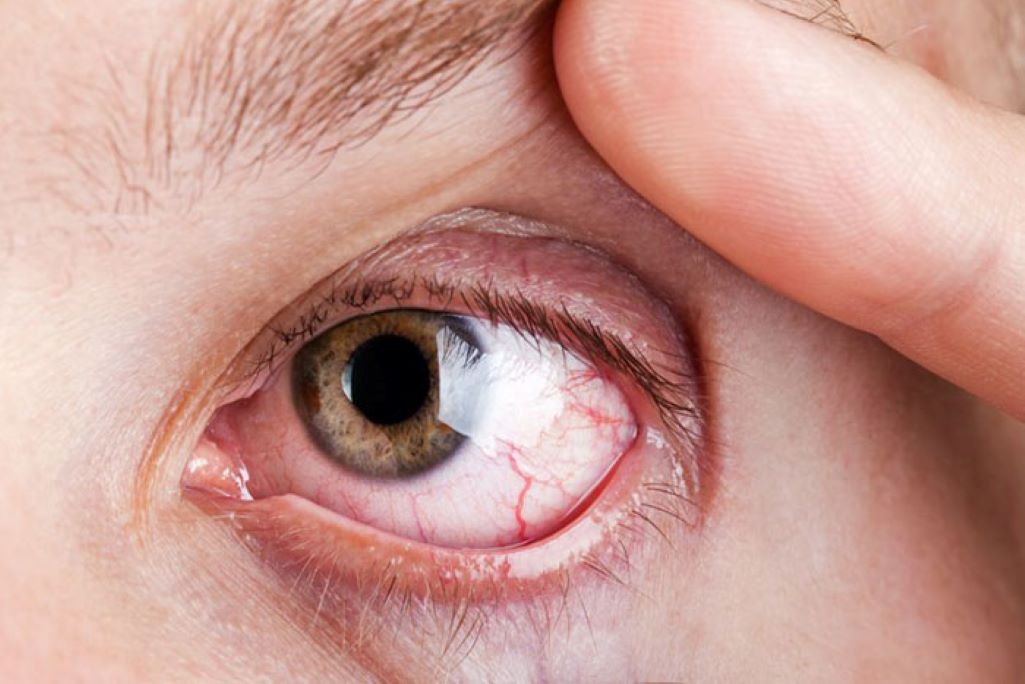
Diabetes is a long-term condition that can affect many parts of the body. One of the most serious complications of diabetes is its effect on vision, particularly through a condition called diabetic retinopathy. Diabetic retinopathy is a major cause of sight loss, which is why regular eye checks and good diabetes control matter. This blog explores the causes, symptoms, risk factors, stages, and preventive measures associated with diabetic retinopathy to help individuals safeguard their vision.
What is Diabetic Retinopathy?
Diabetic retinopathy is a diabetes-related complication that affects the retina—the light-sensitive tissue at the back of the eye. It happens when high blood sugar levels damage the tiny blood vessels in the retina, causing swelling, leakage or abnormal blood vessel growth. Over time, this damage can impair vision and, in severe cases, cause blindness.
Causes of Diabetic Retinopathy
The main cause of diabetic retinopathy is blood sugar that stays high over a long time. When blood sugar remains uncontrolled for an extended period, it damages the blood vessels in the retina. This damage can result in:
- Microaneurysms: Tiny bulges in blood vessels that may leak fluid.
- Retinal Swelling: Fluid accumulation that affects vision.
- New Blood Vessel Formation: Abnormal and fragile blood vessels form, which can rupture and cause vision loss.
Who is at Risk?
Certain factors increase the likelihood of developing diabetic retinopathy:
- Duration of Diabetes: The longer you’ve had diabetes, the greater your risk.
- Poor Blood Sugar Control: High and uncontrolled blood sugar levels accelerate retinal damage.
- Hypertension: High blood pressure adds to blood vessel damage.
- High Cholesterol: High cholesterol is linked to a higher risk.
- Pregnancy: In women who already had diabetes before pregnancy, retinopathy can get worse during pregnancy, so extra eye checks are needed.
- Smoking: Tobacco use makes blood vessel problems worse.
Symptoms to Watch For
In its early stages, diabetic retinopathy usually causes no symptoms, so regular eye examinations are important. As the condition progresses, you may experience:
- Blurry or Changing Vision: Vision may blur or vary.
- Floaters: Small dark spots or strings that appear to float in your vision. A sudden shower of new floaters needs checking straight away.
- Dark or Empty Spots: Gaps in your field of vision.
- Difficulty Seeing Colors: Impaired color differentiation.
- Sudden Loss of Vision: In severe cases, sudden vision loss can occur. This is an emergency: go to an emergency department straight away or call 108 or 112.
Stages of Diabetic Retinopathy
Diabetic retinopathy progresses through several stages, each with varying severity:
- Mild Non-Proliferative Retinopathy: The earliest stage where small blood vessel swelling and leakage occur.
- Moderate Non-Proliferative Retinopathy: Increased blood vessel damage and retinal swelling.
- Severe Non-Proliferative Retinopathy: More blocked blood vessels restrict retinal blood supply, signaling the body to form new abnormal vessels.
- Proliferative Diabetic Retinopathy: The most serious stage where abnormal blood vessels grow and may rupture, causing bleeding and potential retinal detachment.
Diagnosis
Diabetic retinopathy is diagnosed with a full eye examination, which may include:
- Dilated Eye Exam: Drops are used to enlarge the pupil, allowing the doctor to examine the retina for damage.
- Optical Coherence Tomography (OCT): Provides detailed imaging of the retina’s layers to identify swelling or fluid buildup.
- Fundus Photography: Captures images of the retina for a closer examination.
- Fluorescein Angiography: A dye is injected into the arm to highlight blood vessel issues in the retina.
Treatment Options
The treatment approach depends on the severity of diabetic retinopathy:
- Early-Stage Retinopathy: Regular monitoring and strict blood sugar control may be sufficient.
- Laser Treatment (Photocoagulation): Used to seal leaking blood vessels or prevent abnormal vessel growth.
- Eye Injections: Medicines are injected into the eye to reduce swelling and slow abnormal vessel growth. They usually need repeating.
- Vitrectomy: A surgical procedure to remove blood or scar tissue from the eye in more serious cases.
Prevention Tips
You can lower your risk of diabetic retinopathy by controlling diabetes and looking after your general health:
- Control Blood Sugar: Monitor your blood sugar levels regularly and follow a diabetes-friendly diet.
- Manage Blood Pressure and Cholesterol: Maintain healthy levels through lifestyle changes and medications if needed.
- Quit Smoking: Smoking exacerbates blood vessel damage and should be avoided.
- Regular Eye Checks: Eye checks, usually every 1 to 2 years or as your eye doctor advises, can find early changes in the retina.
- Exercise Regularly: Physical activity improves blood circulation and helps manage diabetes.
- Follow Medical Advice: Adhere to your doctor’s recommendations for managing diabetes and other related conditions.
Why Regular Checkups Are Essential
Diabetic retinopathy often has no early symptoms, so regular eye exams are important. They allow early detection and treatment, which lowers the risk of serious sight loss. Treatment cannot bring back sight that is already lost. Even if you don’t notice symptoms, consistent monitoring by an ophthalmologist can help protect your vision.
Diabetic Eye Care at Chetna Hospital
The eye care (ophthalmology) department at Chetna Hospital checks people with diabetes for diabetic retinopathy, using tests such as OCT scans and retinal photographs, and plans treatment and follow-up for each person. Call 91686 90442 to book a check-up.
Conclusion
Diabetic retinopathy is serious but can be managed. Good diabetes control and regular eye checks lower the risk of sight loss. Early detection helps protect your sight.
General health information, not a diagnosis. Reviewed and updated by Chetna Hospital’s content team with the help of AI writing tools, November 2026.