








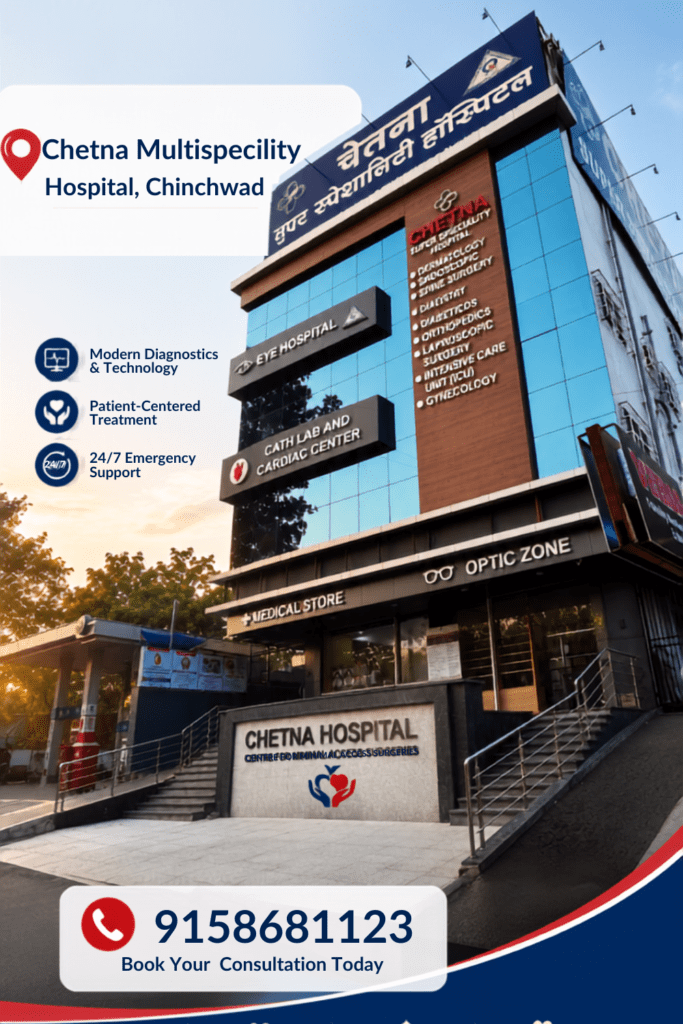
Chetna Multispecialty Hospital building in Chinchwad PCMC
Introduction
Choosing the right hospital is one of the most important decisions when you or your family need medical care. A hospital should not only provide advanced treatment but also offer experienced doctors, modern facilities, emergency support, and compassionate patient care. Access to reliable healthcare services can make a significant difference in diagnosis, treatment, recovery, and long-term health management.
For residents searching for the Best multispeciality hospital in PCMC, Chetna Multispeciality Hospital provides comprehensive medical services under one roof. With more than 32 years of healthcare experience as an institution, the hospital has developed expertise across multiple specialties with a focus on quality treatment and patient safety.
Located in Sambhaji Nagar, Chinchwad, Chetna Multispeciality Hospital serves patients from nearby areas including Akurdi, Nigdi, Yamuna Nagar, Shahu Nagar, Bhosari MIDC, Kalewadi, Triveni Nagar, Mohan Nagar, Pimpri Colony, Thermax Chowk, Chinchwad Station, Chinchwad Gaon, Gawade Colony, and Vitthal Nagar.
The hospital offers more than 10 core medical departments, including Cardiology with a dedicated Cardiac Cath Lab, Orthopedics, Gynecology, Ophthalmology, Dermatology, Pediatrics, General Surgery, Neurology, ENT, Radiology, Pathology, and Physiotherapy & Rehabilitation services.
This article explains why choosing a trusted multispeciality hospital matters, the importance of timely medical consultation, available healthcare services, advanced facilities, and how Chetna Multispeciality Hospital supports patients through every stage of care.
Table of Contents
- Why Choosing the Right Multispeciality Hospital Matters
- Overview of Multispeciality Healthcare
- Common Reasons Patients Need Hospital Care
- Signs and Symptoms That Require Medical Attention
- When Should You Visit a Multispeciality Hospital?
- Diagnosis and Advanced Medical Evaluation
- Treatment Options Available at Chetna Multispeciality Hospital
- Lifestyle Tips for Better Health
- Prevention Tips for Long-Term Wellness
- Nutrition and Healthy Eating Guide
- Exercise and Healthy Habits
- Symptoms You Should Never Ignore
- Myth vs Fact About Healthcare
- Wellness Checklist
- Frequently Asked Questions
- Why Choose Chetna Multispeciality Hospital?
Why Choosing the Right Multispeciality Hospital Matters
Healthcare needs can vary from routine checkups to complex surgeries and emergency treatments. A multispeciality hospital brings different medical departments together, allowing patients to receive coordinated care from specialists.
A trusted hospital provides:
- Experienced medical professionals
- Advanced diagnostic facilities
- Emergency and critical care services
- Multiple specialties under one roof
- Better coordination between departments
- Patient-focused treatment planning
For families living in PCMC, finding the best multispeciality hospital in PCMC means having access to comprehensive healthcare without travelling far for different consultations.
Importance of Early Medical Consultation
Many health conditions can be managed more effectively when detected early. Regular health evaluations and timely medical advice can help:
- Identify health risks at an early stage
- Prevent complications
- Improve treatment outcomes
- Reduce emergency situations
- Support faster recovery
Ignoring symptoms or delaying consultation may sometimes allow health problems to become more complicated.
Who Can Benefit from Multispeciality Healthcare?
Multispeciality hospitals are beneficial for:
- Children requiring pediatric care
- Women needing maternity and gynecological services
- Senior citizens managing chronic conditions
- Patients requiring surgery or rehabilitation
- Individuals needing emergency treatment
- People seeking preventive health checkups
Overview of Multispeciality Healthcare
A multispeciality hospital provides different medical departments and specialist services within one healthcare facility. This approach allows patients to receive complete care from diagnosis to recovery.
Modern healthcare often requires collaboration between specialists. For example:
- A cardiac patient may require cardiology, radiology, pathology, and emergency care support.
- A surgical patient may need pre-operative evaluation, surgery, and rehabilitation.
- A mother may require obstetric care, diagnostics, and newborn support.
Chetna Multispeciality Hospital combines multiple specialties with advanced infrastructure to provide organized and patient-centered healthcare.
Major Healthcare Departments Available
| Department | Services Provided |
|---|---|
| Cardiology | Cardiac evaluation, angiography, angioplasty support, Cardiac Cath Lab services |
| Orthopedics & Spine Care | Joint replacement, endoscopic spine surgery, sports medicine, trauma care |
| Gynecology & Obstetrics | Maternity care, infertility treatment, laparoscopic gynecological procedures |
| Ophthalmology | Cataract treatment, glaucoma care, retina services, squint surgery |
| Dermatology & Cosmetology | Skin treatments, acne care, scar treatment, laser hair removal |
| Pediatrics | Child healthcare and pediatric dentistry |
| General & Laparoscopic Surgery | Hernia, appendicitis, bariatric surgery, surgical procedures |
| Neurology & Neurosurgery | Brain and nerve disorder management |
| ENT | Diagnosis and treatment of ear, nose, and throat conditions |
| Physiotherapy & Rehabilitation | Recovery support and rehabilitation programs |
Common Reasons Patients Need Hospital Care
People may require hospital consultation, diagnosis, or treatment for different medical concerns. Some common reasons include:
1. Chronic Health Conditions
Long-term conditions often require regular monitoring and specialist care, including:
- Heart diseases
- Diabetes-related complications
- Neurological conditions
- Joint problems
- Hormonal disorders
2. Surgical Requirements
Patients may require planned or emergency surgeries for conditions such as:
- Orthopedic injuries
- Gallbladder problems
- Hernia
- Appendicitis
- Gynecological conditions
3. Emergency Medical Situations
Emergency care may be required for:
- Chest pain
- Severe injuries
- Breathing difficulties
- Sudden neurological symptoms
- Serious infections
Chetna Multispeciality Hospital provides 24/7 emergency services with ambulance support and critical care facilities.
4. Preventive Healthcare
Regular health checkups help monitor health status and identify possible risks before symptoms become severe.
Preventive care may include:
- Routine blood tests
- Imaging investigations
- Specialist consultations
- Lifestyle guidance
Signs and Symptoms That Require Medical Attention
Recognizing warning signs and seeking medical advice at the right time is important for better health management.
Common Symptoms That Need Evaluation
Consult a doctor if you experience:
- Persistent fever
- Unexplained weight changes
- Continuous fatigue
- Long-lasting pain
- Breathing difficulty
- Frequent headaches
- Digestive problems
- Changes in vision
- Skin changes
- Repeated infections
Warning Signs That Should Not Be Ignored
Some symptoms may require immediate medical attention:
- Sudden chest pain
- Severe shortness of breath
- Loss of consciousness
- Sudden weakness or difficulty speaking
- Heavy bleeding
- Serious injuries
- Severe allergic reactions
Emergency medical support can be important in such situations.
Many people delay medical consultation because symptoms appear manageable. However, early evaluation can help prevent health problems from progressing.
You should consider visiting a multispeciality hospital when:
You Have Persistent Symptoms
Symptoms lasting longer than expected should be evaluated by a healthcare professional.
Examples:
- Continuous pain
- Repeated infections
- Ongoing digestive issues
- Persistent cough or breathing problems
You Need Specialist Consultation
A multispeciality hospital is useful when you need expert care from departments such as:
- Cardiology
- Orthopedics
- Gynecology
- Neurology
- Dermatology
- Ophthalmology
You Require Surgery or Rehabilitation
Hospitals provide complete support including:
- Pre-surgical assessment
- Surgical care
- Post-operative monitoring
- Physiotherapy and rehabilitation
Diagnosis and Advanced Medical Evaluation
Accurate diagnosis is the foundation of effective treatment. Multispeciality hospitals use advanced diagnostic methods to understand health conditions clearly.
Common Diagnostic Services Include:
1. Clinical Examination
Doctors evaluate:
- Symptoms
- Medical history
- Physical signs
- Previous health conditions
2. Laboratory Testing
Pathology services help diagnose and monitor various conditions through:
- Blood tests
- Urine tests
- Biochemical investigations
- Disease-specific tests
3. Imaging Services
Advanced radiology services may include:
- Ultrasound (USG)
- CT-guided procedures
- Other imaging evaluations
4. Cardiac Evaluation
Cardiology assessment may include:
- Heart monitoring
- Cardiac investigations
- Angiography-related procedures when recommended
Chetna Multispeciality Hospital features a dedicated Cardiac Cath Lab for interventional cardiac procedures under specialist supervision.
5. Specialist Consultation
Patients receive expert opinions from different departments based on their medical requirements.
Treatment Options Available at Chetna Multispeciality Hospital
Treatment depends on the patient’s condition, diagnosis, age, medical history, and overall health.
Chetna Multispeciality Hospital provides comprehensive healthcare solutions across various specialties.
Orthopedics & Spine Care
Services include:
- Endoscopic spine surgery
- Knee, hip, and shoulder joint replacement
- Sports medicine care
- Trauma surgery
Orthopedic specialists help patients manage bone, joint, and spine-related concerns with appropriate treatment plans.
Gynecology & Obstetrics
Women’s healthcare services include:
- Pregnancy and maternity care
- Infertility treatment
- Laparoscopic gynecological procedures
- Comprehensive mother care services
Cardiology Services
The hospital provides cardiac care supported by:
- Cardiology consultations
- Cardiac Cath Lab facilities
- Angiography and angioplasty support
Dermatology & Cosmetology
Skin-related services include:
- Acne treatment
- Scar management
- Skin care procedures
- Laser hair removal
- Aesthetic treatments
Ophthalmology Care
Eye care services include:
- Cataract treatment
- Glaucoma management
- Retina services
- Squint surgery
General & Laparoscopic Surgery
Surgical care includes procedures for:
- Hernia
- Appendicitis
- Bariatric weight reduction surgery
- Other surgical conditions
Critical Care and Emergency Services
The hospital provides:
- ICU facilities
- 24/7 emergency care
- Ambulance services
- Pharmacy support
Insurance and Cashless Facility
Chetna Multispeciality Hospital provides cashless insurance facilities through various insurance providers, including options such as Star Health and Acko, helping patients manage healthcare expenses more conveniently.
Lifestyle Tips for Better Health
Maintaining good health requires more than medical treatment. Daily habits, nutrition, physical activity, and stress management play an important role in preventing many health problems.
Here are practical lifestyle tips recommended for long-term wellness:
1. Follow a Balanced Diet
Include a variety of foods such as:
- Fresh fruits and vegetables
- Whole grains
- Protein-rich foods
- Healthy fats
- Dairy products or suitable alternatives
A balanced diet supports immunity, energy levels, and overall body function.
2. Stay Physically Active
Regular movement helps maintain:
- Healthy body weight
- Strong muscles and bones
- Better heart health
- Improved mood
Choose activities that match your fitness level and medical condition.
3. Schedule Regular Health Checkups
Routine health assessments can help identify potential concerns early.
Regular checkups are especially important for:
- Adults above 40 years
- People with family history of diseases
- Individuals managing chronic conditions
4. Maintain Healthy Sleep Patterns
Adults generally benefit from adequate quality sleep every night.
Good sleep supports:
- Brain function
- Hormonal balance
- Emotional health
- Recovery processes
5. Manage Stress Effectively
Long-term stress can affect physical and mental health.
Helpful stress management techniques include:
- Meditation
- Breathing exercises
- Hobbies
- Spending time with family
- Relaxation activities
6. Drink Enough Water
Proper hydration supports:
- Digestion
- Temperature regulation
- Healthy skin
- Normal body functions
7. Avoid Tobacco and Limit Alcohol
Avoiding tobacco products can reduce health risks. Alcohol consumption should be discussed with healthcare professionals, especially for people with existing health conditions.
8. Maintain Personal Hygiene
Good hygiene practices help reduce infections.
Important habits include:
- Regular hand washing
- Maintaining dental hygiene
- Keeping surroundings clean
9. Take Medicines as Prescribed
Never change or stop prescribed medicines without consulting your doctor.
10. Protect Your Mental Health
Mental wellness is an important part of overall healthcare.
Seek professional support when experiencing:
- Persistent sadness
- Anxiety affecting daily life
- Sleep disturbances
- Difficulty managing stress
Prevention Tips for Long-Term Wellness
Preventive healthcare focuses on reducing disease risks and maintaining better quality of life.
Important Prevention Measures:
Regular Medical Screening
Health screenings help detect conditions at an early stage.
Depending on age and risk factors, doctors may recommend:
- Blood pressure monitoring
- Blood sugar tests
- Cholesterol checks
- Cancer screening when appropriate
Maintain Healthy Weight
Excess weight may increase the risk of several health conditions. A healthy lifestyle with proper nutrition and exercise helps maintain weight balance.
Practice Heart-Healthy Habits
To support heart health:
- Eat nutritious foods
- Stay active
- Monitor blood pressure
- Avoid smoking
Follow Vaccination Recommendations
Vaccines help protect against preventable diseases. Follow recommendations from healthcare professionals.
Manage Existing Conditions
Patients with chronic conditions should:
- Attend regular follow-ups
- Monitor symptoms
- Follow treatment plans
Nutrition and Healthy Eating Guide
A nutritious diet supports healing, immunity, and overall health. The right balance of nutrients helps the body function effectively.
| Nutrient | Benefits | Food Sources |
|---|---|---|
| Protein | Supports muscle repair, immunity, and recovery | Eggs, pulses, fish, chicken, dairy, soy products |
| Calcium | Helps maintain strong bones and teeth | Milk, curd, paneer, leafy vegetables |
| Iron | Supports healthy blood and energy levels | Green vegetables, legumes, nuts, meat |
| Fibre | Improves digestion and gut health | Fruits, vegetables, whole grains |
| Vitamin C | Supports immunity and tissue repair | Citrus fruits, berries, vegetables |
| Vitamin D | Helps bone health and calcium absorption | Sunlight exposure, fortified foods, supplements if advised |
| Healthy Fats | Supports brain and heart function | Nuts, seeds, olive oil, fish |
A doctor or nutrition specialist can provide personalized dietary guidance based on individual health needs.
Exercise and Healthy Habits
A healthy lifestyle includes regular physical activity, good sleep, stress control, and positive daily habits.
Physical Activity
Regular exercise may help improve:
- Heart health
- Muscle strength
- Flexibility
- Energy levels
- Mental well-being
Activities may include:
- Walking
- Yoga
- Swimming
- Strength exercises
- Stretching routines
People with medical conditions should consult their healthcare provider before starting a new exercise program.
Quality Sleep
Healthy sleep habits include:
- Maintaining a consistent sleep schedule
- Avoiding excessive screen time before bed
- Creating a comfortable sleep environment
Stress Management
Managing stress can support better physical and emotional health.
Helpful approaches include:
- Meditation
- Deep breathing
- Regular exercise
- Relaxation techniques
Hydration
Drinking enough water supports:
- Normal metabolism
- Temperature control
- Healthy circulation
Healthy Lifestyle Choices
Small daily choices can create long-term health benefits.
Focus on:
- Nutritious meals
- Regular movement
- Avoiding harmful habits
- Following medical advice
Symptoms You Should Never Ignore
Certain symptoms require immediate medical evaluation.
Seek emergency medical assistance if you experience:
- Sudden chest pain or pressure
- Difficulty breathing
- Sudden weakness on one side of the body
- Loss of consciousness
- Severe allergic reaction
- Heavy uncontrolled bleeding
- Serious accident injuries
- Sudden vision loss
- Severe abdominal pain
- Persistent high fever with serious symptoms
Prompt medical attention can be important in emergency situations.
Myth vs Fact About Healthcare
| Myth | Fact |
|---|---|
| You only need to visit a hospital when symptoms become severe. | Regular checkups can help identify health concerns early. |
| Multispeciality hospitals are only for major surgeries. | They also provide consultations, diagnostics, preventive care, and follow-up services. |
| Healthy people do not need medical checkups. | Preventive health checks can help monitor overall wellness. |
| All health problems can be treated with home remedies. | Some conditions require professional diagnosis and medical treatment. |
| Surgery is always the first treatment option. | Doctors usually consider different treatment approaches based on the condition. |
| Emergency care is only needed after accidents. | Emergencies can include heart problems, breathing difficulties, infections, and sudden health changes. |
Wellness Checklist
Use this checklist to support your health:
✅ Schedule regular health checkups
✅ Maintain a balanced diet
✅ Exercise regularly
✅ Drink enough water
✅ Get adequate sleep
✅ Manage stress effectively
✅ Maintain healthy body weight
✅ Follow prescribed medications
✅ Avoid tobacco products
✅ Practice good hygiene
✅ Monitor blood pressure and blood sugar when required
✅ Keep emergency contact information available
✅ Attend follow-up appointments
Frequently Asked Questions (FAQs)
1. Why is Chetna Multispeciality Hospital considered one of the best multispeciality hospitals in PCMC?
Chetna Multispeciality Hospital provides multiple specialties, advanced medical facilities, experienced healthcare teams, ICU support, emergency services, and modern diagnostic facilities under one roof.
2. Which medical departments are available at Chetna Multispeciality Hospital?
The hospital provides services in Cardiology, Orthopedics, Gynecology, Ophthalmology, Dermatology, Pediatrics, General Surgery, Neurology, ENT, Radiology, Pathology, and Physiotherapy.
3. Does Chetna Multispeciality Hospital provide emergency services?
Yes. The hospital offers 24/7 emergency services with ICU facilities, ambulance support, and pharmacy services.
4. Does the hospital provide cashless insurance facilities?
Yes. Chetna Multispeciality Hospital provides cashless insurance facilities through various insurance providers, including Star Health and Acko, subject to policy terms.
5. Where is Chetna Multispeciality Hospital located?
The hospital is located at Ground Floor, Chetna Hospital, Sambhaji Nagar Road, Chinchwad, Pimpri-Chinchwad, Pune, Maharashtra 411019.
6. What makes a multispeciality hospital different from a general hospital?
A multispeciality hospital provides multiple specialist departments, allowing patients to receive coordinated care for different medical needs.
7. How can I book an appointment at Chetna Multispeciality Hospital?
Patients can contact the hospital directly for consultations, appointments, and healthcare information.
Why Choose Chetna Multispeciality Hospital?
Choosing the right healthcare facility ensures that patients receive timely, coordinated, and reliable medical care.
Chetna Multispeciality Hospital has been serving patients for more than 32 years as an institution, providing comprehensive healthcare services with a focus on safety, quality, and patient satisfaction.
Key Reasons to Choose Chetna Multispeciality Hospital:
1. Experienced Healthcare Institution
With over three decades of healthcare experience, the hospital understands the importance of compassionate and ethical medical care.
2. Multiple Specialties Under One Roof
Patients can access various departments without visiting multiple healthcare centers.
3. Advanced Medical Facilities
The hospital includes:
- Dedicated Cardiac Cath Lab
- ICU facilities
- Advanced diagnostic services
- Modern operation facilities
- Physiotherapy and rehabilitation services
4. 24/7 Emergency Support
Emergency services, ambulance support, pharmacy availability, and critical care facilities help patients receive timely medical assistance.
5. Patient-Centered Approach
The hospital focuses on:
- Personalized treatment planning
- Clear communication
- Comfortable patient experience
- Follow-up care
Hospital Information
Hospital Name: Chetna Multispeciality Hospital
Specialties:
Multispeciality healthcare including Cardiology, Orthopedics, Gynecology, Ophthalmology, Dermatology, Pediatrics, Surgery, Neurology, ENT, Diagnostics, and Rehabilitation.
📞 Phone: 9158681123
🌐 Website: Chetna Multispeciality Hospital Official Website
🏥 Hospital Address:
Ground Floor, Chetna Hospital, Sambhaji Nagar Road, Chinchwad, Pimpri-Chinchwad, Pune, Maharashtra 411019
Conclusion
Finding the best multispeciality hospital in PCMC is important for receiving reliable healthcare services when you need them most. A hospital with experienced specialists, advanced technology, emergency support, and multiple departments can provide complete care for individuals and families.
Chetna Multispeciality Hospital combines more than 32 years of healthcare experience with modern medical facilities and comprehensive treatment services. From preventive health checkups to advanced procedures and rehabilitation, the hospital focuses on delivering patient-centered care.
If you or your family require expert medical consultation, diagnostic services, emergency care, or specialist treatment, contact Chetna Multispeciality Hospital today.
Book your appointment with Chetna Multispeciality Hospital and take a step towards better health and quality care.