Back Pain Doctor in Pune: Non-Surgical Relief with Dr. Nirmal Patil
Table of Contents
- Introduction: Why See a Back Pain Doctor?
- Common Causes of Back Pain
- When Should You Visit a Back Pain Doctor?
- Meet Dr. Nirmal Patil: Expert Back Pain Doctor in Pune
- Non-Surgical Spine Treatment Options
- What to Expect During Your Visit
- Tips for Preventing Back Pain
- Frequently Asked Questions
- Contact Dr. Nirmal Patil at Chetna Superspeciality Hospital
- Conclusion: Take the First Step Towards a Pain-Free Back
Introduction: Why See a Back Pain Doctor?
Back pain is one of the most common health problems affecting people of all ages. Whether it’s a dull ache or a sharp, shooting pain, it can make daily activities difficult. If you’re struggling with back pain that doesn’t go away, it’s time to consult a back pain doctor. A specialist can help you find the right treatment, including non-surgical spine treatment options, so you can get back to living your life comfortably.
Common Causes of Back Pain
To make this section more authoritative and SEO-friendly, we can categorize the causes based on how a specialist diagnoses them. This approach helps the reader identify with specific symptoms while positioning Dr. Nirmal Patil as the expert who can differentiate between them.
Understanding Your Pain: Insights from a Back Pain Doctor:
- Muscle or ligament strain: Lifting heavy objects or sudden movements can strain your back muscles.
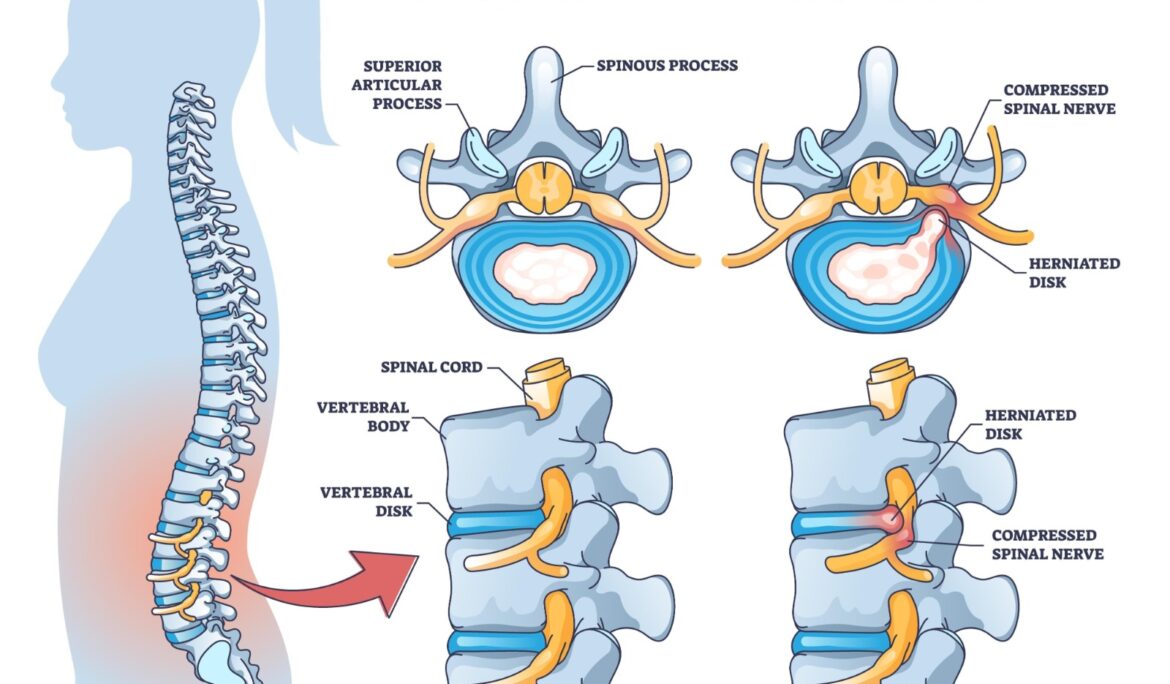
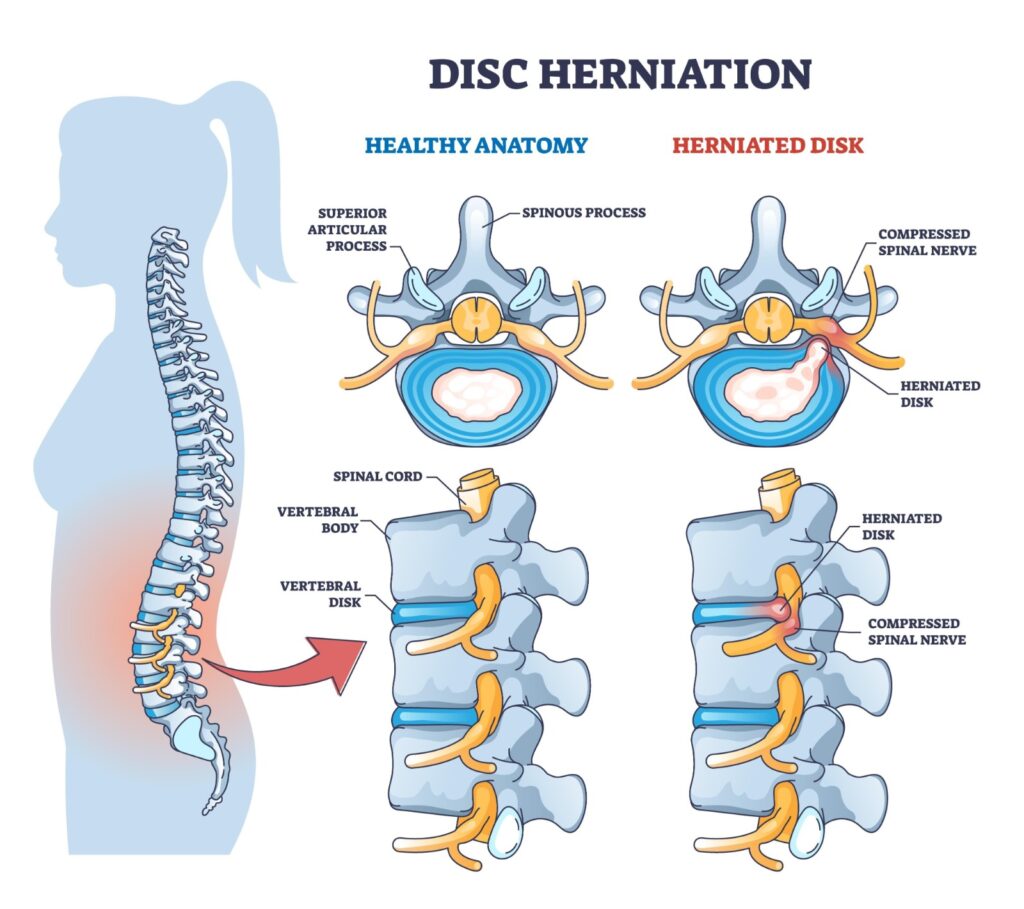
- Herniated or slipped discs: Discs act as cushions between the bones in your spine. When they move out of place, they can press on nerves and cause pain.
- Arthritis: Osteoarthritis can affect the lower back, leading to pain and stiffness.
- Poor posture: Sitting or standing incorrectly for long periods can put extra stress on your back.
- Injuries: Accidents, falls, or sports injuries can lead to back pain.
If you’re experiencing any of these issues, a back pain doctor can help diagnose the problem and recommend the best treatment.
When Should You Visit a Back Pain Doctor?
Not all back pain needs medical attention, but you should see a back pain doctor if:
- Your pain lasts more than a few weeks
- The pain is severe and doesn’t improve with rest
- You have numbness, tingling, or weakness in your legs
- The pain spreads down one or both legs
- You have trouble controlling your bladder or bowels
Ignoring these symptoms can make the problem worse. Early treatment from a specialist can help you avoid long-term issues.
Meet Dr. Nirmal Patil: Expert Back Pain Doctor in Pune
If you’re looking for a trusted back pain doctor in Pune, Dr. Nirmal Patil is here to help. With years of experience in treating spine problems, Dr. Patil offers personalized care for each patient. He practices at Chetna Superspeciality Hospital, located in Sambhaji Nagar, Chinchwad, Pune.
Contact Dr. Nirmal Patil:📞 91687 46986🏥 Chetna Superspeciality Hospital, Sambhaji Nagar, Chinchwad, Pune.
Dr. Patil specializes in both surgical and non-surgical spine treatment options, ensuring you get the care that’s right for your condition.
Non-Surgical Spine Treatment Options
Many people worry that seeing a back pain doctor means they’ll need surgery. In reality, most back pain can be managed with non-surgical spine treatment. Here are some common options:
1. Physical Therapy
A physical therapist can teach you exercises to strengthen your back muscles, improve flexibility, and reduce pain. Regular therapy can help you recover faster and prevent future injuries.
2. Medications
Over-the-counter pain relievers, anti-inflammatory drugs, or muscle relaxants may be recommended to manage pain and swelling.
3. Injections
For some patients, steroid injections can help reduce inflammation and provide relief from severe pain.
4. Lifestyle Changes
Simple changes like maintaining a healthy weight, improving posture, and staying active can make a big difference in managing back pain.
5. Alternative Therapies
Some people find relief with treatments like acupuncture, chiropractic care, or yoga. Always consult your back pain doctor before starting any new therapy.
Learn more about non-surgical treatments for back pain from the National Institute of Neurological Disorders and Stroke.
What to Expect During Your Visit
Visiting a back pain doctor for the first time can feel overwhelming. Here’s what you can expect when you see Dr. Nirmal Patil:
- Detailed Medical History: Dr. Patil will ask about your symptoms, lifestyle, and any previous injuries.
- Physical Examination: He will check your back, posture, and range of motion.
- Diagnostic Tests: If needed, tests like X-rays, MRI, or CT scans may be ordered to get a clearer picture of your spine.
- Personalized Treatment Plan: Based on your diagnosis, Dr. Patil will recommend the best treatment options, focusing on non-surgical methods whenever possible
Back Pain Doctor: Tips for Preventing Back Pain
While not all back pain can be prevented, these simple tips can help reduce your risk:
- Exercise regularly: Focus on activities that strengthen your back and core muscles.
- Maintain good posture: Sit and stand with your back straight and shoulders relaxed.
- Lift properly: Bend your knees and keep your back straight when lifting heavy objects.
- Take breaks: If you sit for long periods, stand up and stretch every hour.
- Sleep well: Use a mattress that supports your spine and avoid sleeping on your stomach.
Frequently Asked Questions
1. What is the difference between a back pain doctor and a general physician?
A back pain doctor, often called a spine specialist, has advanced training in diagnosing and treating spine-related problems. They can offer specialized treatments, including non-surgical spine treatment, that a general physician may not provide.
2. Are non-surgical treatments effective for chronic back pain?
Yes, many patients find relief with non-surgical treatments like physical therapy, medications, and lifestyle changes. Surgery is usually considered only when other options have not worked.
3. How long does it take to recover from back pain?
Recovery time depends on the cause and severity of your pain. With the right treatment plan, most people start to feel better within a few weeks.
4. Can back pain be a sign of something serious?
In rare cases, back pain can be a sign of a more serious condition, such as an infection or tumor. If you have severe pain, numbness, or loss of bladder control, seek medical help right away.
5. How can I book an appointment with Dr. Nirmal Patil?
You can call 91687 46986 to schedule a consultation at Chetna Superspeciality Hospital, Sambhaji Nagar, Chinchwad, Pune.
Contact Dr. Nirmal Patil at Chetna Superspeciality Hospital
If you’re ready to take control of your back pain, don’t wait any longer. Dr. Nirmal Patil is here to help you find relief with the latest non-surgical spine treatment options.
Contact Information:
- Dr. Nirmal Patil
- Phone: 91687 46986
- Hospital: Chetna Superspeciality Hospital
- Address: Sambhaji Nagar, Chinchwad, Pune
Conclusion: Take the First Step Towards a Pain-Free Back
Living with back pain can be challenging, but you don’t have to face it alone. A skilled back pain doctor like Dr. Nirmal Patil can help you understand your condition and choose the best treatment, including effective non-surgical spine treatment options. Don’t let back pain hold you back from enjoying life. Reach out to Dr. Patil at Chetna Superspeciality Hospital in Pune and start your journey to a healthier, pain-free back today.
Ready to find relief? Call 91687 46986 to book your appointment now!
Related Resources:
Internal Links:
- Our Services at Chetna Superspeciality Hospital
- Meet Our Team
- Patient Testimonials
- Book an Appointment
Have questions or want to share your experience with back pain? Leave a comment below or contact us directly!
Common causes include herniated discs, spinal stenosis, muscle strains, and degenerative disc disease. In cities like Pune, poor office ergonomics and long commutes are also major contributors to chronic lower back pain.
Yes, approximately 80-90% of back pain cases can be successfully managed with non-surgical spine treatment. Options include targeted physiotherapy, anti-inflammatory medications, spinal injections, and core-strengthening exercises.