Your eyes are important – they are our main way of experiencing the world around us. However, many of us overlook eye health until something goes wrong. Just like other aspects of your health, maintaining optimal vision requires regular care and attention. One key way to keep your eyes healthy is a regular eye check-up. For many people this means every one to two years, but how often you need one depends on your age and health, so ask your eye doctor.
In this blog post, we’ll dive into why regular eye exams matter, what they involve, the risks of skipping them, and how finding eye conditions early can help. Let’s explore how a routine eye check-up can play an essential role in safeguarding your vision.
What Is an Annual Eye Check-up?
A routine eye check-up is a full exam performed by a qualified eye doctor to assess the health of your eyes, detect any issues early on, and ensure that your vision is functioning as it should be. Regular exams can help detect a variety of eye problems, ranging from common issues like nearsightedness and farsightedness to more serious conditions, such as glaucoma or cataracts.
During this exam, the doctor will thoroughly evaluate the health of your eyes, test for changes in vision, and look for potential underlying health concerns that may impact your eyesight.
Why Are Annual Eye Check-ups Important?
It’s easy to assume that if we can see clearly, we don’t need to worry about our eye health. Unfortunately, many eye problems don’t show symptoms until they have already progressed to later stages. Regular eye exams help catch these issues early, when treatment can do more and long-term damage is less likely.
1. Early Detection of Vision Issues
One of the main reasons to have regular eye exams is to identify any vision issues that may develop over time. Conditions like nearsightedness (myopia), farsightedness (hyperopia), or astigmatism can gradually affect your sight without you even noticing. In the early stages, they may be subtle, but as they worsen, they can impact your daily activities, work, and quality of life.
By attending regular check-ups, you can get updated prescriptions for glasses or contact lenses, ensuring you always have clear vision. For example, if your prescription needs adjustment, your eye doctor can give you a new prescription that suits your vision. These simple changes help you see clearly and comfortably.
2. Prevention of Serious Eye Diseases
Certain eye diseases, such as glaucoma, cataracts, or macular degeneration, often progress gradually without presenting any obvious symptoms early on. If left undiagnosed, these conditions can cause significant vision loss. Regular eye check-ups allow doctors to find these issues before much damage is done.
Glaucoma, for instance, can lead to blindness if not treated. Since glaucoma often doesn’t have noticeable symptoms in its early stages, it’s vital to detect it as early as possible through a thorough exam. Treatment cannot bring back vision already lost to glaucoma, but it can slow or stop further damage.
Cataracts are another age-related eye condition that can go unnoticed until your vision becomes noticeably blurred. Through regular check-ups, your ophthalmologist can monitor the cloudiness in your lens and discuss surgery when the cataract starts to affect your daily life.
3. Monitoring Eye Health in Children and Aging Adults
Eye exams are not just for working-age adults – children and older adults should also prioritize regular check-ups for their eye health. Kids often don’t realize when they are having difficulty seeing, so it’s essential for parents to make sure that their child has their eyes checked regularly.
Eye conditions like amblyopia (lazy eye) and strabismus (crossed eyes) are common in children. Early detection and treatment are crucial to preventing long-term vision problems. An annual exam can identify problems that may affect your child’s learning abilities, behavior, and development.
Older adults should have their eyes checked often (yearly or every two years after 65, or as advised), as they are more prone to age-related conditions such as macular degeneration and diabetic retinopathy. With appropriate monitoring, the progression of these diseases can be slowed or managed, helping to maintain quality of life in older years. People with diabetes need a diabetic eye check at least once a year.
4. Link Between Eye Health and Overall Health
It’s not just about your vision – the health of your eyes is directly related to your overall well-being. An eye check-up can sometimes show signs of other health problems, such as diabetes or high blood pressure. During an eye exam, your doctor can look for changes in the blood vessels in your eyes, which can point to wider health problems.
Conditions such as diabetic retinopathy can occur as a result of diabetes and cause serious vision loss if untreated. Early detection during an eye exam can help you work with your healthcare providers to manage these underlying conditions before they result in significant complications.
What Happens During an Annual Eye Check-up?
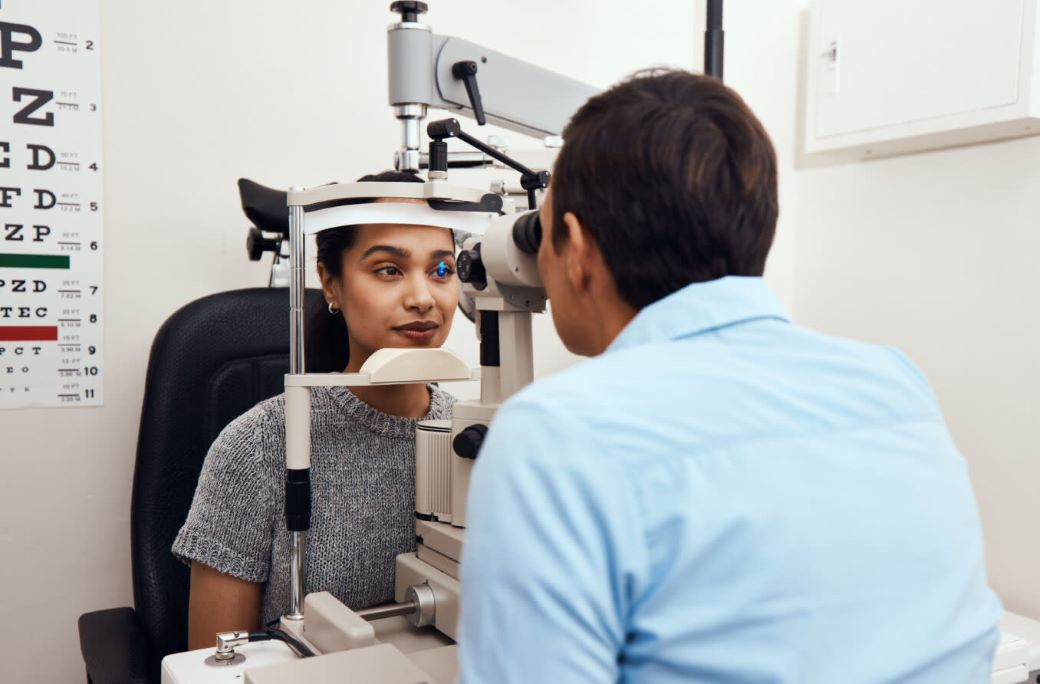
The process of an eye check-up can vary slightly depending on your needs, but here’s a typical overview of what to expect:
- Visual Acuity Test
This test evaluates how well you can see at various distances. You’ll be asked to read letters from an eye chart, with one eye covered at a time, to determine if you need glasses or contact lenses. - Pupil Dilation
The ophthalmologist may use special eye drops to widen your pupils. This allows them to get a clear view of the back of your eye, specifically your retina and optic nerve, to check for conditions like glaucoma and macular degeneration. - Tonometry
This test measures the pressure inside your eye. High pressure can be a sign of glaucoma, so it is an important test for finding this condition early. - Retinal Exam
The doctor may examine the retina with special equipment to look for signs of disease or damage. Conditions like retinal detachment or diabetic retinopathy can be detected this way. - Eye Muscle Test
This tests how well your eye muscles work together. The doctor will ask you to focus on a target and follow it with your eyes. - Visual Field Test
This checks the full scope of your vision, making sure you have no blind spots that could indicate problems like glaucoma. - Assessment of Overall Eye Health
In addition to tests for vision and eye diseases, your doctor will assess the overall health of your eyes, including your eyelids, cornea, lens, and more.
Conclusion: Prioritize Your Eye Health
Making a regular eye check-up part of your routine is a simple way to protect your vision and overall health. Whether you’re due for an update to your glasses prescription, concerned about your eye health, or just want peace of mind, regular exams give you the chance to catch potential issues early and stay on top of your visual needs.
By staying proactive and making your eye health a priority, you’re investing in a lifetime of clear and comfortable vision. The eye care (ophthalmology) department at Chetna Hospital provides routine eye check-ups.
If you notice sudden vision loss, a curtain or shadow over your vision, new flashes or floaters, an eye injury, a chemical in the eye, or severe eye pain with redness or nausea, go to an emergency department straight away or call 108 or 112. For a routine check-up, call 91686 90442 to book.
For Consultation Contact us on 91686 90442 / 9158681123
Website – www.chetnahospital.co.in
Address – Chetna Hospital, Sambhajinagar, MIDC, G Block, Near Rotary Club, Chinchwad 411019
General health information, not a diagnosis. Reviewed and updated by Chetna Hospital’s content team with the help of AI writing tools, November 2026.