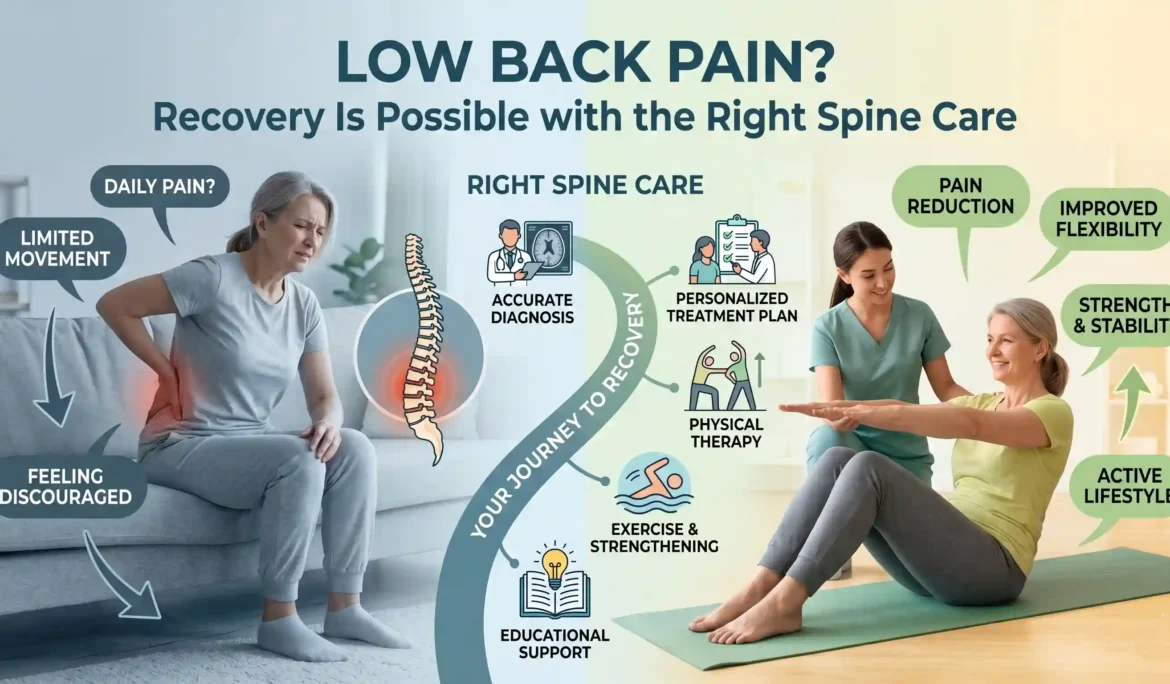
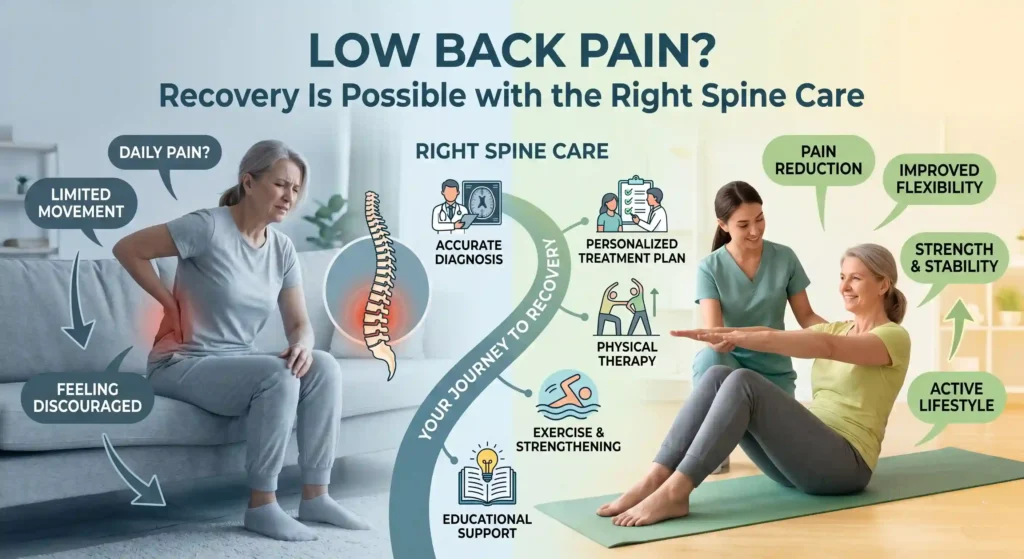
Low Back Pain? Recovery Is Possible with the Right Spine Care
Low back pain is one of the most common orthopedic problems affecting adults today. Moreover, changing lifestyles, long office hours, reduced physical activity, and poor posture have significantly increased spinal problems across Pune and PCMC.
Many individuals from Chinchwad, Pimpri, Wakad, Nigdi, Ravet, and Akurdi experience persistent spinal discomfort that affects work, sleep, walking, exercise, and daily movement. In fact, office professionals, drivers, gym users, homemakers, and elderly individuals are increasingly developing lumbar spine conditions at younger ages.
Fortunately, early diagnosis and proper treatment can improve recovery outcomes considerably. Furthermore, modern spine care now focuses on rehabilitation, posture correction, minimally invasive procedures, and long-term mobility improvement.
At Chetna Hospital, Chinchwad, Dr. Nirmal Patil, an experienced orthopedic and spine surgeon, provides advanced treatment for slipped disc, sciatica, nerve compression, muscular strain, and degenerative spine disorders. Additionally, patients receive customized physiotherapy and rehabilitation support through Next Gen Rehab & Physiotherapy Centre, helping them return to daily activities safely and confidently.
Understanding Low Back Pain
The lower spine supports body weight and plays a major role in sitting, walking, lifting, bending, and standing. Therefore, this area experiences continuous stress throughout the day.
Low back pain refers to discomfort arising from the muscles, joints, discs, nerves, or bones of the lumbar spine. Although some cases improve with rest and physiotherapy, others may require detailed orthopedic evaluation and long-term rehabilitation.
Acute vs Chronic Spine Pain
| Type | Duration | Common Causes |
|---|---|---|
| Acute Pain | Less than 6 weeks | Muscle strain, injury |
| Chronic Pain | More than 3 months | Disc degeneration, arthritis, nerve compression |
Mechanical vs Nerve-Related Symptoms
Mechanical pain usually affects:
- Muscles
- Ligaments
- Joints
- Intervertebral discs
However, nerve-related symptoms develop when spinal nerves become compressed or irritated. As a result, patients may experience:
- Tingling sensations
- Leg pain
- Numbness
- Burning discomfort
- Weakness while walking
Importantly, prolonged sitting and poor posture are among the most common contributors to lumbar spine problems in working professionals across PCMC.
Why Spine Problems Are Increasing in PCMC
Modern lifestyles have changed movement patterns significantly. Consequently, spinal disorders are now affecting younger adults more frequently than before.
Several lifestyle-related factors contribute to this growing problem.
Common Risk Factors
- Long working hours on computers
- Poor workstation ergonomics
- Excessive mobile phone use
- Continuous bike riding
- Long-distance commuting
- Lack of exercise
- Obesity
- Incorrect gym techniques
Additionally, many IT professionals in Wakad and nearby areas spend prolonged hours sitting without regular stretching or posture correction. Therefore, muscle stiffness and spinal stress gradually increase over time.
Furthermore, sedentary routines weaken core muscles, which are essential for supporting spinal stability and balance.
Common Causes of Spine and Lumbar Problems
Spinal discomfort may develop due to muscular injuries, disc-related conditions, degenerative changes, or nerve irritation. Therefore, accurate diagnosis is important before starting treatment.
1. Muscle Strain
Muscle strain is one of the leading causes of acute spinal discomfort. Typically, it develops after:
- Sudden lifting
- Twisting movements
- Heavy physical work
- Sports activities
- Overexertion
Furthermore, improper lifting techniques and poor posture may increase the risk of muscular injury. Fortunately, mild muscle strains often improve with physiotherapy, stretching exercises, and rehabilitation-focused treatment.
2. Slipped Disc
A slipped disc occurs when the cushioning spinal disc bulges outward and irritates nearby nerves. As a result, patients may experience significant discomfort while sitting, walking, or bending.
Common symptoms include:
- Pain radiating to the legs
- Tingling sensation
- Numbness
- Weakness
- Difficulty sitting comfortably
Additionally, some individuals may experience stiffness or reduced spinal flexibility. Therefore, patients searching for slipped disc treatment in Pune often require an MRI evaluation for accurate diagnosis and treatment planning.
3. Sciatica
Sciatica develops due to irritation or compression of the sciatic nerve. Consequently, pain may travel from the lower spine into the legs and feet.
Symptoms may include:
- Burning pain
- Electric shock sensation
- Leg heaviness
- Difficulty walking
Moreover, prolonged sitting frequently worsens sciatic discomfort. As a result, many individuals search online for sciatica treatment near me when symptoms begin affecting mobility and daily activities.
4. Spinal Stenosis
Spinal stenosis involves narrowing of the spinal canal, especially among older adults. Consequently, pressure on the spinal nerves may gradually increase over time.
Furthermore, patients may experience leg discomfort, numbness, or walking difficulty during daily activities.
5. Arthritis
Degenerative arthritis gradually affects spinal joints and flexibility. Therefore, patients may develop stiffness, reduced mobility, and discomfort during movement.
Additionally, age-related wear and tear may worsen symptoms over time if left untreated.
6. Osteoporosis
Osteoporosis weakens the bones and increases the risk of spinal fractures. As a result, some individuals may experience postural changes, height reduction, or persistent spinal discomfort.
Furthermore, elderly patients are more vulnerable to osteoporosis-related spine problems.
7. Poor Posture
Incorrect sitting posture places continuous pressure on spinal structures. Consequently, prolonged poor posture may contribute to muscular fatigue and spinal stiffness.
Moreover, long office hours without ergonomic support can gradually increase spinal stress.
8. Sedentary Lifestyle
Lack of movement weakens supportive spinal muscles over time. Therefore, sedentary routines may reduce flexibility and increase the risk of recurring discomfort.
In addition, prolonged inactivity may negatively affect posture and balance.
9. Obesity
Excess body weight increases stress on the lumbar region and supporting joints. Consequently, spinal structures may experience additional pressure during standing, walking, and movement.
Furthermore, obesity may slow recovery from orthopedic conditions and muscular injuries.
10. Sports and Gym Injuries
Improper exercise techniques may lead to muscular strain or disc injury. Additionally, lifting excessive weight without proper supervision may increase spinal stress significantly.
Therefore, correct exercise form and professional guidance are important for preventing gym-related spine injuries.
Need Expert Spine Evaluation?
Persistent spinal discomfort should never be ignored. Therefore, consult Dr. Nirmal Patil, a trusted back pain specialist in Chinchwad, for advanced diagnosis and personalized treatment planning.
Symptoms You Should Never Ignore
Some symptoms may indicate progressive nerve compression or serious spine-related conditions. Therefore, early medical attention is extremely important.
Warning Signs Requiring Medical Evaluation
You should consult a spine specialist immediately if:
- Pain lasts longer than two weeks
- Discomfort spreads to the legs
- Tingling or numbness develops
- Walking becomes difficult
- Weakness appears in the legs
- Sleep gets disturbed due to pain
- Sitting becomes uncomfortable
- Morning stiffness worsens gradually
Emergency Symptoms
Urgent medical evaluation is necessary if there is:
- Sudden loss of bladder control
- Loss of bowel control
- Severe leg weakness
Importantly, early diagnosis often helps prevent long-term complications and improves recovery outcomes.
When to Consult a Spine Specialist
Many people delay treatment because they assume spinal discomfort will improve automatically over time. However, untreated spine conditions may gradually worsen and begin affecting mobility, work performance, and daily comfort. Moreover, ignoring persistent symptoms can sometimes increase stress on spinal joints, muscles, and nerves.
Therefore, early consultation with a qualified spine specialist is important for accurate diagnosis and timely treatment. In addition, proper medical evaluation can help identify underlying causes before symptoms become severe.
You Should Visit a Spine Specialist If:
- Pain affects office work or daily productivity
- Daily activities become difficult or uncomfortable
- Symptoms recur frequently despite rest
- Standing for long periods becomes painful
- Leg pain increases during walking
- Physiotherapy has not improved symptoms significantly
- Sitting for long durations becomes uncomfortable
- Tingling or numbness develops in the legs
- Sleep gets disturbed because of persistent discomfort
Furthermore, patients experiencing radiating leg pain or weakness should seek medical evaluation as early as possible. Similarly, individuals with recurring spinal stiffness or posture-related discomfort may benefit from rehabilitation-focused care and posture correction programs.
Patients searching for a spine surgeon in PCMC or an orthopedic doctor for back pain often visit Chetna Hospital, Chinchwad, for advanced spine evaluation and personalized treatment planning by Dr. Nirmal Patil. Consequently, early diagnosis and proper treatment may improve recovery outcomes and help patients return to normal activities more comfortably. Should seek timely consultation for better long-term recovery.
How Spine Conditions Are Diagnosed
Accurate diagnosis helps identify the exact source of discomfort. At Chetna Hospital, patients receive detailed orthopedic evaluation and personalized treatment planning.
Clinical Examination
The doctor evaluates:
- Posture
- Walking pattern
- Muscle strength
- Reflexes
- Flexibility
- Nerve function
X-Ray
X-rays help identify:
- Arthritis
- Alignment problems
- Degenerative changes
- Fractures
MRI Scan
MRI is especially useful for detecting:
- Slip disc
- Sciatica
- Nerve compression
- Disc degeneration
CT Scan
CT imaging may be recommended for complex spine conditions.
Nerve Testing
Nerve conduction studies help assess nerve irritation and compression.
Non-Surgical Treatment Options
Most patients improve successfully without surgery when treatment begins early. Moreover, rehabilitation-focused care helps reduce recurrence.
1. Physiotherapy
Physiotherapy plays a major role in improving mobility and reducing stiffness.
Benefits include:
- Better flexibility
- Improved posture
- Enhanced muscle strength
- Reduced pain
- Faster recovery
2. Posture Correction
Ergonomic improvements reduce stress on spinal joints and muscles.
3. Core Strengthening
Strong core muscles improve spinal stability and balance.
4. Medications
Doctors may prescribe:
- Anti-inflammatory medicines
- Muscle relaxants
- Pain-relieving medications
5. Lifestyle Modification
Simple daily changes often improve spinal health significantly.
Patients are advised to:
- Avoid prolonged sitting
- Stay physically active
- Improve sleep posture
- Maintain a healthy body weight
6. Spine Rehabilitation
Structured rehabilitation programs help restore movement safely.
7. Exercise Therapy
Targeted exercises improve flexibility and reduce stiffness.
At Next Gen Rehab & Physiotherapy Centre, patients receive customized rehabilitation plans designed for long-term recovery and mobility improvement.
Looking for Advanced Spine Care in PCMC?
Patients from Pimpri, Wakad, Ravet, Nigdi, Akurdi, and Chinchwad regularly visit Chetna Hospital for comprehensive orthopedic and spine care.
Book your consultation with Dr. Nirmal Patil for expert diagnosis and rehabilitation-focused treatment.
Advanced Spine Surgery Options
Surgery may be recommended when conservative treatment fails or nerve compression becomes severe.
Endoscopic Spine Surgery
This minimally invasive technique uses specialized instruments through small incisions.
Benefits include:
- Smaller scars
- Faster recovery
- Reduced tissue damage
- Less post-operative discomfort
- Shorter hospital stay
Minimally Invasive Spine Surgery
Compared to traditional surgery, minimally invasive procedures preserve surrounding tissues more effectively.
Discectomy
This procedure removes disc material pressing on spinal nerves.
Decompression Surgery
Decompression procedures relieve pressure on compressed nerves.
Fusion Surgery
Fusion surgery stabilizes unstable spinal segments.
Importantly, Dr. Nirmal Patil specializes in minimally invasive and endoscopic spine procedures focused on quicker recovery and patient comfort.
Physiotherapy and Rehabilitation
Rehabilitation is an essential part of spine recovery. Furthermore, it helps improve flexibility, balance, posture, and strength.
Goals of Rehabilitation
- Improve movement
- Reduce stiffness
- Restore strength
- Improve posture
- Prevent recurrence
- Increase confidence during daily activities
Common Rehabilitation Techniques
- Stretching exercises
- Core strengthening
- Manual therapy
- Electrotherapy
- Balance training
- Mobility exercises
Additionally, rehabilitation programs help patients return to work and regular activities safely.
Exercises That Support Recovery
Exercise therapy can improve flexibility and muscular support when performed correctly.
Pelvic Tilts
These exercises strengthen abdominal muscles and support spinal alignment.
Cat-Camel Stretch
This movement improves spinal flexibility and mobility.
McKenzie Extension Exercise
This exercise is commonly recommended for disc-related conditions.
Hamstring Stretch
Tight hamstrings may increase stress on the lower spine.
Core Strengthening Exercises
Core exercises improve spinal stability and posture control.
Disclaimer: Exercises should only be performed after evaluation by a qualified orthopedic or spine specialist.
Recovery Timeline for Common Spine Conditions
Recovery duration depends on the condition severity and treatment method.
| Condition | Estimated Recovery Time |
|---|---|
| Muscle strain | 1–3 weeks |
| Mild disc problem | 4–8 weeks |
| Sciatica rehabilitation | 6–12 weeks |
| Physiotherapy recovery | 6–8 weeks |
| Minimally invasive surgery | Faster than open surgery |
Importantly, early diagnosis and rehabilitation usually improve long-term recovery outcomes.
Daily Habits That Protect Your Spine
Preventive care is extremely important for maintaining spinal health over time.
Healthy Spine Habits
- Maintain proper posture
- Use ergonomic chairs
- Stretch regularly
- Walk daily
- Exercise consistently
- Avoid prolonged sitting
- Lift heavy objects correctly
- Maintain a healthy body weight
Additionally, regular stretching during office hours may reduce spinal stiffness among working professionals.
Why Choose Dr. Nirmal Patil in Chinchwad
About Dr. Nirmal Patil
Dr. Nirmal Patil is an experienced orthopedic and spine surgeon practicing at Chetna Hospital, Chinchwad, Pune. Moreover, he is known for providing evidence-based spine care with a strong focus on long-term recovery and patient mobility improvement.
His areas of expertise include:
- Minimally invasive spine surgery
- Slip disc treatment
- Sciatica management
- Orthopedic spine disorders
- Rehabilitation-focused recovery
- Chronic spinal pain management
Additionally, Dr. Patil emphasizes personalized treatment planning for every patient. Furthermore, he combines advanced orthopedic techniques with rehabilitation-focused care to improve recovery outcomes and daily function.
Patients from PCMC, Pimpri, Chinchwad, Ravet, Wakad, Nigdi, Akurdi, and Pune trust Dr. Patil for comprehensive spine evaluation and customized treatment approaches. In fact, many patients seek consultation for persistent spinal discomfort, nerve-related symptoms, slipped disc conditions, and mobility-related concerns.
Moreover, with support from Next Gen Rehab & Physiotherapy Centre, patients benefit from structured physiotherapy and rehabilitation programs designed to improve flexibility, strength, posture, and overall quality of life. Consequently, patients often experience better mobility, improved confidence, and smoother recovery during treatment.
Furthermore, with support from Next Gen Rehab & Physiotherapy Centre, patients receive comprehensive rehabilitation programs designed to improve mobility and restore quality of life.
We provide advanced spine rehabilitation for patients across the PCMC belt, specifically serving residents in Sambhajinagar, Akurdi, Nigdi, and Ravet (5km focus), as well as those looking for a spine specialist in Wakad, Bhosari, and Talawade (15km radius).”
FAQs About Back Pain and Spine Care
Muscle strain, poor posture, slipped disc, arthritis, and nerve irritation are among the most common causes
Dr. Nirmal Patil at Chetna Hospital is widely regarded as a leading expert in Chinchwad for managing non-surgical back pain through advanced diagnostics and precision care.
Yes. Many patients recover successfully with physiotherapy, medications, and rehabilitation programs.
An experienced orthopedic and spine specialist like Dr. Nirmal Patil can diagnose and treat spine-related conditions effectively.
Yes. Physiotherapy improves flexibility, posture, muscle strength, and spinal mobility.
Recovery depends on the condition severity and treatment method. However, early diagnosis often improves recovery speed significantly.
Next Gen Rehab & Physiotherapy Centre is located within Chetna Hospital on Sambhaji Nagar Road in Chinchwad, Pune (411019)
Yes, Chetna Hospital provides a comprehensive spine care ecosystem that includes both expert surgical interventions by Dr. Nirmal Patil and specialized rehabilitation.
Conclusion
Low back pain and spinal discomfort can gradually affect mobility, productivity, sleep, and overall quality of life. However, timely diagnosis, expert orthopedic care, physiotherapy, and rehabilitation-focused treatment can improve recovery outcomes significantly.
Whether you are experiencing sciatica, slipped disc symptoms, muscular strain, or chronic spinal stiffness, proper treatment can help restore movement, flexibility, and daily comfort.
If you are searching for the best spine surgeon in Chinchwad, advanced spine care in PCMC, or reliable physiotherapy for back pain in Pune, consult Dr. Nirmal Patil at Chetna Hospital for comprehensive and patient-focused spine care.
Consult Dr. Nirmal Patil for a diagnosis or visit Next Gen Rehab & Physiotherapy Centre at Chetna Hospital for a personalized recovery plan. call: +919158680739