
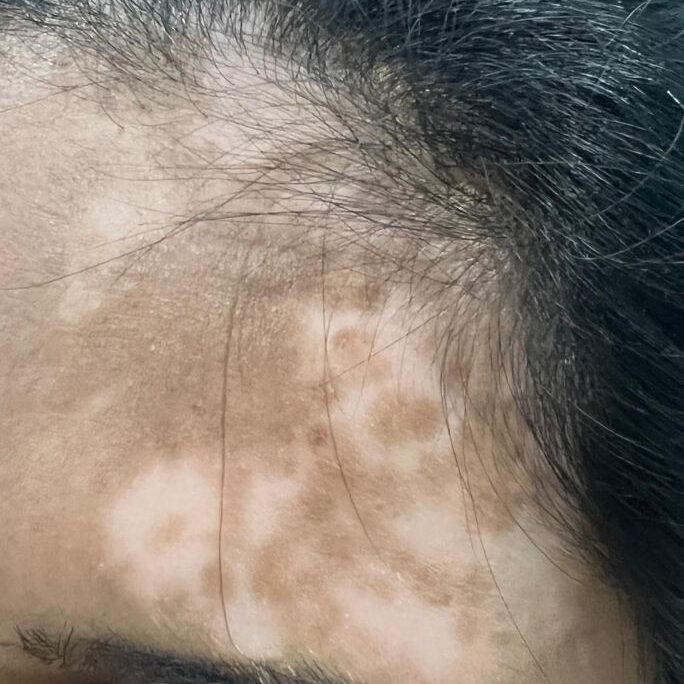
If you’re looking for a skin specialist in PCMC, noticing early changes in your skin shouldn’t be ignored. The early symptoms of vitiligo often begin as small, pale patches or slight discoloration that many people mistake for minor issues. However, these subtle signs can indicate vitiligo—a condition that affects the skin’s natural pigment. Understanding what vitiligo is and identifying these early symptoms can help you take timely action and prevent further spread.
Many individuals delay consulting a doctor, assuming the changes are temporary. But visiting an experienced skin specialist in PCMC, such as Dr. Aishwarya Patil-Pethe at Chetna Hospital, can lead to early diagnosis and more effective treatment. Acting quickly not only improves the chances of managing the condition but also helps maintain healthy, even-toned skin over time.
When to See a Vitiligo Specialist in PCMC
If you notice any of the following, consult Dr. Aishwarya Patil-Pethe at Chetna Hospital, Chinchwad:
- Milky-White Patches: Small, depigmented spots on the face, hands, or feet.
- Premature Graying: Sudden whitening of scalp hair, eyelashes, or eyebrows.
- Loss of Color inside the Mouth: Depigmentation on the mucous membranes.
- Family History: If you have a history of autoimmune conditions and notice skin changes.
Recognizing the First Signs of Vitiligo (Leukoderma)
Vitiligo is a chronic skin condition where the skin loses its natural pigment, known as melanin. This happens when melanocytes—the cells responsible for producing color—are either destroyed or stop functioning properly. As a result, white or light-colored patches begin to appear on different parts of the body.
Now, here’s something important: vitiligo is not contagious. You cannot “catch” it from someone else, nor can you pass it on through physical contact. However, its visible nature often leads to emotional stress, especially in social situations.
How Vitiligo Affects Skin Pigmentation
Your skin color depends on melanin, a pigment produced by specialized cells. When these cells malfunction, the affected areas lose their color completely. The contrast between normal and depigmented skin can be subtle at first, but over time, it becomes more noticeable.
According to dermatological observations, vitiligo affects about 0.5% to 2% of the population in India, making awareness crucial. Many people initially mistake it for fungal infections or minor skin issues, delaying proper diagnosis.
What Causes Vitiligo?
Understanding what causes vitiligo to spread is key to managing it effectively. While the exact cause remains unclear, research suggests multiple contributing factors.
Autoimmune Factors
One of the leading theories is that vitiligo is an autoimmune disorder. This means the immune system mistakenly attacks the body’s own melanocytes, treating them as harmful invaders. It’s similar to friendly fire—your body targeting itself unintentionally.
Genetic & Environmental Triggers
Genetics also plays a role. Around 20–30% of patients report a family history of vitiligo. But genes alone don’t tell the whole story. Environmental triggers often act as the spark.
Common triggers include:
- Severe sunburn
- Skin injuries (cuts, burns)
- Emotional stress
- Exposure to harsh chemicals
So, if you’ve been wondering about the causes of vitiligo in adults, it’s usually a combination of internal and external factors rather than a single cause.
Early Symptoms of Vitiligo
Spotting the early symptoms of vitiligo can feel tricky, especially when the changes are subtle. But knowing what to look for can help you act quickly.
Common Early Indicators
The first signs often appear on sun-exposed areas. These include:
- Small white or pale patches on hands, face, arms, or feet
- Loss of color around the lips or eyes
- Premature greying of hair (scalp, eyebrows, beard)
- Color changes inside the mouth or nose
First Visible Signs on Skin
Initially, patches may appear slightly lighter than your natural skin tone. They often have uneven or blurred edges. Over time, these patches become more defined and brighter in contrast.
Progression Stages of Vitiligo
| Stage | Symptoms |
|---|---|
| Early | Small pale spots with irregular borders |
| Progressive | Patches grow larger or merge |
| Advanced | Widespread depigmentation |
Think of it like ink slowly fading from paper—the color doesn’t disappear overnight but gradually diminishes.
Real-Life Case from PCMC
A 28-year-old professional from Pimpri noticed a faint patch near her wrist. Assuming it was a minor fungal infection, she tried over-the-counter creams. When nothing worked, she consulted Dr. Aishwarya Patil-Pethe at Chetna Hospital, a trusted skin specialist in PCMC.
After a detailed examination and Wood’s lamp test, the diagnosis confirmed early-stage vitiligo. Because she sought help early, her treatment plan successfully stabilized the condition within months.
Stories like this highlight one key point: early action matters.
When Should You See a Doctor?
If you notice unusual skin changes, don’t ignore them. You should consult a skin specialist in PCMC if:
- White patches are spreading quickly
- Patterns appear symmetrically on both sides of the body
- Hair in affected areas turns grey or white
- No improvement with basic treatments
Diagnostic Tests Explained
Doctors typically use:
- Clinical examination
- Wood’s lamp test (UV light)
- Blood tests to detect autoimmune conditions
These tests help confirm whether it’s vitiligo or another condition.
Advanced Vitiligo Treatment Options in PCMC
Let’s address a common concern: is vitiligo curable? While there’s no guaranteed permanent cure, modern treatments can significantly improve appearance and slow progression.
Medical Treatments
- Topical corticosteroids
- Calcineurin inhibitors
- Phototherapy (NB-UVB therapy)
Advanced Dermatological Procedures
- Excimer laser therapy
- Surgical grafting
- JAK inhibitors (emerging treatment)
Studies show early treatment improves success rates by 60–70%, making early diagnosis crucial.
Prevention & Lifestyle Tips
While you can’t completely prevent vitiligo, you can reduce triggers:
- Use sunscreen (SPF 30+) daily
- Avoid harsh chemicals
- Manage stress through yoga or meditation
- Eat antioxidant-rich foods
When it comes to vitiligo causes and prevention, lifestyle plays a bigger role than most people realize.
Why Consult Dr. Aishwarya Patil-Pethe at Chetna Hospital?
Dr. Aishwarya Patil – Dermatologist based at Chetna Hospital – emphasizes the importance of choosing the right. She notes that patients often overlook early signs of irritation, which can worsen over time.
Seeking Treatment for Patients in Akurdi, Ravet, and Nigdi
Specialized Vitiligo Care for Akurdi, Ravet, and Nigdi Residents. Located strategically in Chinchwad, Chetna Hospital is the preferred destination for patients seeking a Skin Specialist in PCMC. Our clinic is easily accessible (10-15 mins) for residents of:
Wakad & Punawale: Via the Hinjewadi-Kasarsai Road. Whether you are near Chinchwad Railway Station or Thermax Chowk, Dr. Aishwarya Patil-Pethe provides expert vitiligo management right in your neighborhood.
Akurdi & Nigdi: Via the Old Pune-Mumbai Highway.
Ravet & Kiwale: Via the BRTS Road.
📍 Conveniently located near Chinchwad Railway Station on the Old Pune-Mumbai Highway.
📞 Appointment: 9607753535 / 9158681123
🌐 Visit Profile
Why Choose a Skin Specialist in PCMC
If you’re in areas like Chinchwad, Wakad, or Hinjewadi, consulting a local expert like Dr. Aishwarya Patil-Pethe at Chetna Hospital ensures:
- Personalized treatment plans
- Access to advanced therapies
- Continuous monitoring
Having a trusted skin specialist in PCMC nearby makes ongoing care much easier and more effective.
Meet Your Consultant Dermatologist: Dr. Aishwarya Patil-Pethe. At Chetna Hospital, Chinchwad, your skin health is managed by Dr. Aishwarya Patil-Pethe (MBBS, MD Dermatology). As a dedicated Consultant Dermatologist, she specializes in the early diagnosis of vitiligo (leukoderma) and advanced repigmentation therapies. With a focus on patient-centric care, she ensures that every patient in the Pimpri-Chinchwad region receives scientifically backed treatments tailored to their skin type.
FAQs About Vitiligo
A: White patches, premature greying, loss of color in mucous membranes, symmetrical patterns, and gradual spread.
A: Phototherapy and topical treatments are widely considered effective, especially in the early stages.
A: You can’t fully prevent it, but managing stress and avoiding triggers helps reduce risk.
A: Avoid processed foods and focus on antioxidant-rich diets.
A: It’s the early phase where small pale patches appear without significant spread.
A: Dr. Aishwarya Patil-Pethe at Chetna Hospital is a leading Consultant Dermatologist specializing in early vitiligo detection and advanced medical management in the Chinchwad and PCMC region.
A: Yes. Located in Chinchwad, Chetna Hospital is centrally accessible for patients seeking skin specialist consultations from Pimpri, Akurdi, Ravet, and Nigdi.
Conclusion
Vitiligo may begin quietly, but its impact can grow if left unchecked. Recognizing the early symptoms of vitiligo gives you a powerful advantage. With timely care from experts like Dr. Aishwarya Patil-Pethe at Chetna Hospital, you can manage the condition effectively and maintain confidence in your appearance.
If you notice even the slightest change in your skin, don’t wait. Early consultation with a skin specialist in PCMC can make all the difference.
Looking for more skincare tips?
Explore our expert-led Skin Specialist in PCMC to keep your skin and hair healthy.
Ready for clearer, healthier skin?
Book a consultation with Dr. Aishwarya Patil (Skin Specialist in PCMC) at Chetna Hospital, Chinchwad, Pune.
📞 Call to Book: 96077 53535
📍 Visit Us: Chetna Hospital, Sahakari Bank, MIDC, GP116, Sambhaji Nagar Rd, near Pimpri, G Block, Sambhajinagar, Chinchwad, Pimpri-Chinchwad, Maharashtra 411019
🗺️ Directions: Get Directions on Google Maps