
Back pain causes are no longer limited to old age.
If you’re in your 20s and already dealing with lower back pain, neck pain, or stiffness, you’re not alone. In fact, studies suggest that 30–70% of young adults experience back pain at some point.
Moreover, between long desk hours, constant phone use, and work-from-home habits, spine problems in young adults are rising faster than ever. As a result, these lifestyle factors have become some of the most common causes of back pain today.
So, you might be wondering: “Why does my back hurt at 25?”
Let’s break it down—and more importantly—how to fix it early.
Why Spine Problems Are Rising in Your 20s
The Sedentary Lifestyle Epidemic
First of all, sitting for long hours is one of the biggest causes of back pain today. When you sit for more than 8 hours, your spine stays compressed. As a result, this leads to stiffness and discomfort.
Poor Posture & “Text Neck”
In addition, constantly looking down at your phone creates neck pain and upper back strain. Over time, this becomes one of the most ignored causes of back pain.
Work-from-Home & Bed Culture
Similarly, working from your bed or couch reduces proper spinal support. Consequently, this habit directly contributes to lower back pain in young adults.
Stress and Muscle Tension
On the other hand, mental stress also plays a role. When you’re stressed, your muscles tighten. Therefore, this increases pressure on your spine.
Lack of Movement & Weak Core
Finally, a weak core fails to support your spine properly. Because of this, even simple movements can trigger pain.
What Happens Inside Your Spine (Simple Explanation)
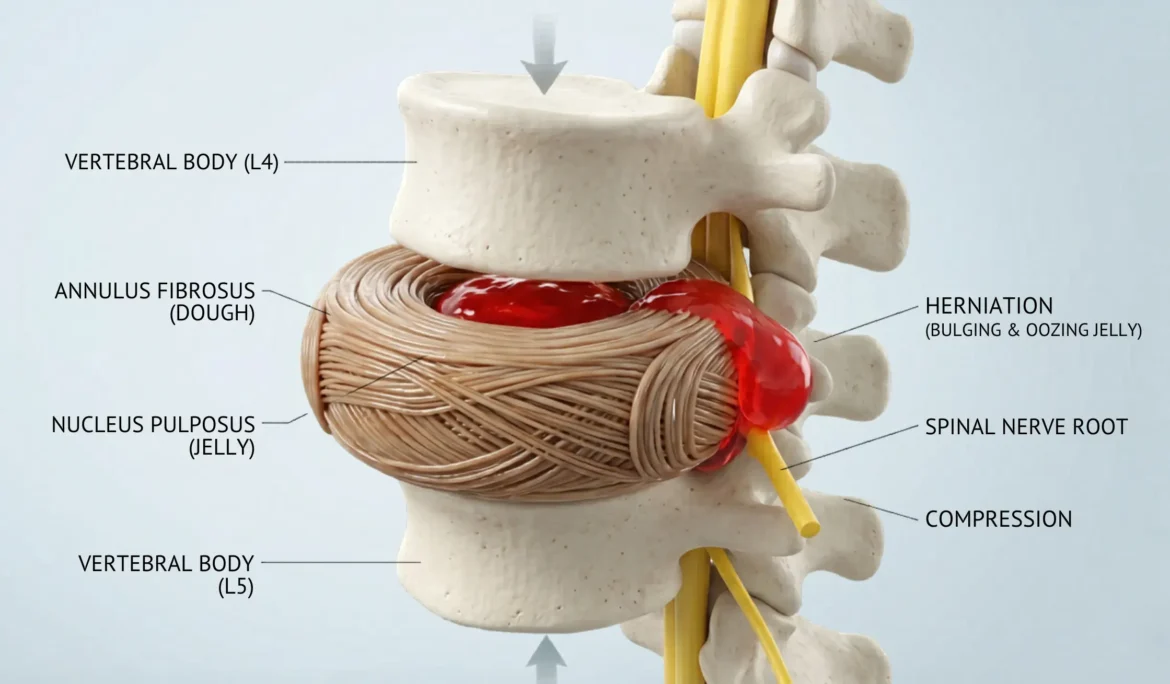
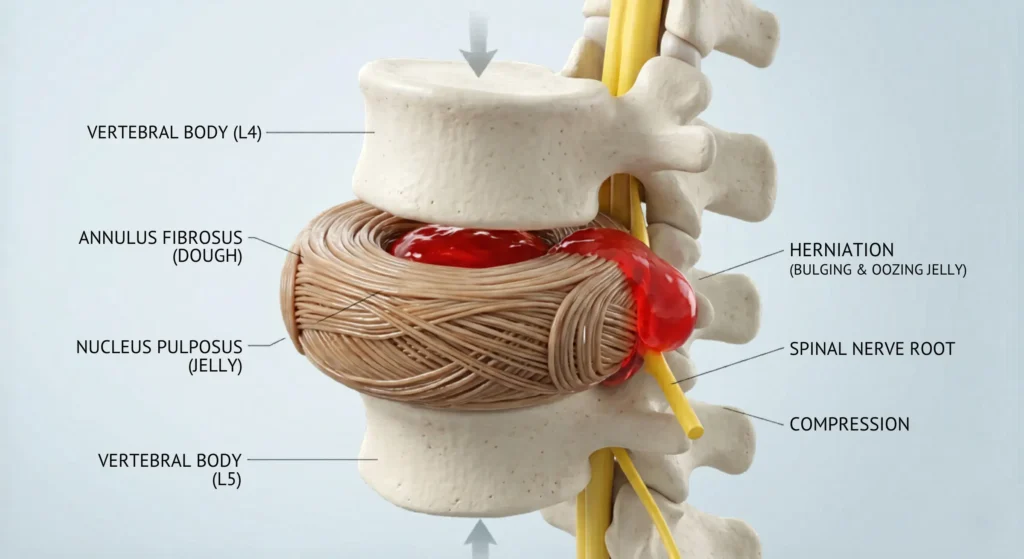
Think of your spine like a stack of cushions (discs) supported by muscles.
Muscle Weakness
Weak muscles = less support → more pressure on the spine.
Disc Compression
Prolonged sitting leads to spinal compression, in which discs are squeezed.
Early Degeneration
Yes, disc degeneration at a young age is real—especially with poor habits.
Nerve Pressure (Sciatica)
Compressed discs can press nerves → causing sciatica symptoms like pain, tingling, or numbness in the legs.
Early Warning Signs You Should NOT Ignore
- Morning stiffness in the lower back
- Neck tightness and shoulder pain
- Pain after sitting for a long time
- Tingling in legs or hands
- Reduced flexibility
These are early signs of spine pain causes that can worsen if ignored.
Daily Habits Destroying Your Spine
Let’s be honest—most of these habits are part of your daily life. However, they are also major causes of back pain:
- For instance, sitting more than 8 hours a day
- Additionally, looking down at your phone constantly
- Not using proper lumbar support
- Sleeping on a poor-quality mattress
- Most importantly, skipping stretching or exercise
As a result, these habits gradually lead to chronic discomfort and long-term spine issues.
Can Spine Problems in Your 20s Be Reversed?
YES—in most early cases.
Your body adapts through a process called neuromuscular adaptation. With the right posture, movement, and exercises, you can reverse:
- Early muscle imbalance
- Mild disc issues
- Postural pain
But delay makes it harder. Early action is everything.
How to Fix & Prevent Spine Problems (Actionable)
Posture Correction Basics
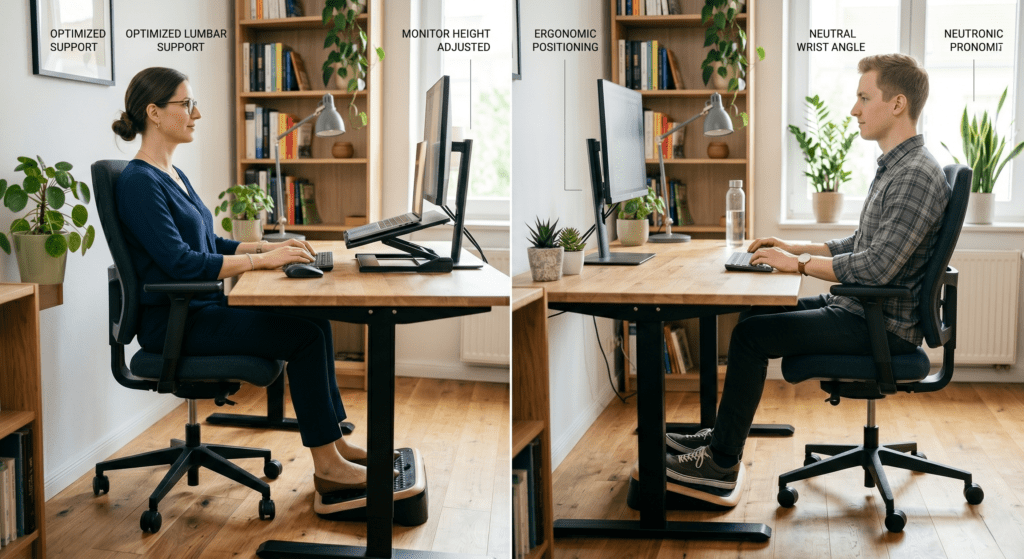
- Keep the screen at eye level
- Shoulders relaxed, not rounded
- Lower back supported
(Search intent: how to fix posture naturally)
Best Exercises (Core + Mobility)
- Planks (core strength)
- Bird dog (spine stability)
- Cat-cow stretch (mobility)
- Glute bridges
(Helpful for pain exercises at home)
Ideal Sitting Setup (Ergonomics)
- Chair with lumbar support
- Feet flat on the ground
- Screen at eye level
Movement Routine
Every 30–45 minutes, stand or stretch. This reduces spinal compression dramatically.
Sleep Position & Mattress
- Sleep on your back or side
- Use a medium-firm mattress
- Avoid very soft beds
When Should You See a Doctor?
First of all, don’t ignore symptoms that persist or worsen over time. Early attention can prevent serious spine problems.
You should consult a doctor if you notice:
- Pain lasting more than 2–4 weeks, especially if it doesn’t improve
- Radiating pain down your legs, which may indicate sciatica
- Numbness, tingling, or muscle weakness, as these can signal nerve involvement
In such cases, getting expert advice becomes essential rather than optional.
For instance, you can consult:
Dr. Nirmal Patil – Spine & Orthopedic Surgeon in PCMC, Pune
- Specialist in minimally invasive and endoscopic spine surgery
- Treats herniated disc, sciatica, nerve pain, and spine disorders
- Chetna Superspeciality Hospital, Chinchwad
📞 9158680739 / 9158681123
Most importantly, early diagnosis often helps avoid surgery and speeds up recovery. Therefore, delaying treatment is never a good idea.
The Bigger Picture
At the same time, it’s important to understand the root of the problem. Humans, by design, were not meant to sit all day.
However, technology has evolved rapidly, while your spine has not adapted at the same pace. As a result, modern habits are creating long-term damage.
In other words, your daily routine is either protecting your spine—or slowly harming it.
That’s why your 20s are especially critical. What you do now directly impacts your future spine health.
For example, consistent poor posture and inactivity today can eventually lead to chronic back pain, disc problems, and reduced mobility later in life.
Therefore, making small changes now—like moving more, sitting correctly, and strengthening your core—can make a significant difference over time.
FAQs
It’s common—but not normal. It usually signals poor posture, weak muscles, or lifestyle issues.
Early-stage problems like posture-related and mild disc issues are often reversible with exercise and correction.
Sharp lower back pain
radiating to the legs
Tingling or numbness
Regular exercise
Posture correction
Stretching
Proper sleep setup
The McGill Big 3 exercises:
Curl-up
Side plank
Bird dog
Conclusion
In conclusion, back pain causes in your 20s are mostly lifestyle-related and preventable. However, if ignored, they can lead to serious spine conditions.
Therefore, the earlier you identify these back pain causes, the easier it becomes to fix them.