
Understanding Irregular Periods After 30
Let’s be honest—your 30s are a time of transition. Careers peak, responsibilities increase, and your body quietly begins shifting gears. As a result, one of the first subtle (and sometimes alarming) signs can be changes in your menstrual cycle. If you’ve recently found yourself Googling “maternity hospital near me” or wondering why your periods are acting unpredictably, you are definitely not alone.
A menstrual cycle is more than just a monthly occurrence—it is, in fact, a reflection of your internal hormonal balance. Therefore, when it goes off track, your body is essentially waving a red flag. However, here’s the tricky part: not all irregular periods mean something serious. Sometimes, it is simply stress knocking at your door. On the other hand, it could also indicate a deeper hormonal imbalance that needs medical attention.
Because of this overlap, understanding the difference can feel confusing. For instance, stress-related changes may resolve once life settles down, whereas hormonal issues often persist over time. Moreover, symptoms can look very similar on the surface, which makes self-diagnosis even harder.
That is exactly why this guide exists. It is designed to give you clarity, direction, and confidence about what is happening inside your body. In addition, it helps you understand what steps to take next so you are not left guessing. Ultimately, when you understand the “why” behind your cycle changes, you are far better equipped to take control of your health.
What Is a Normal Menstrual Cycle?
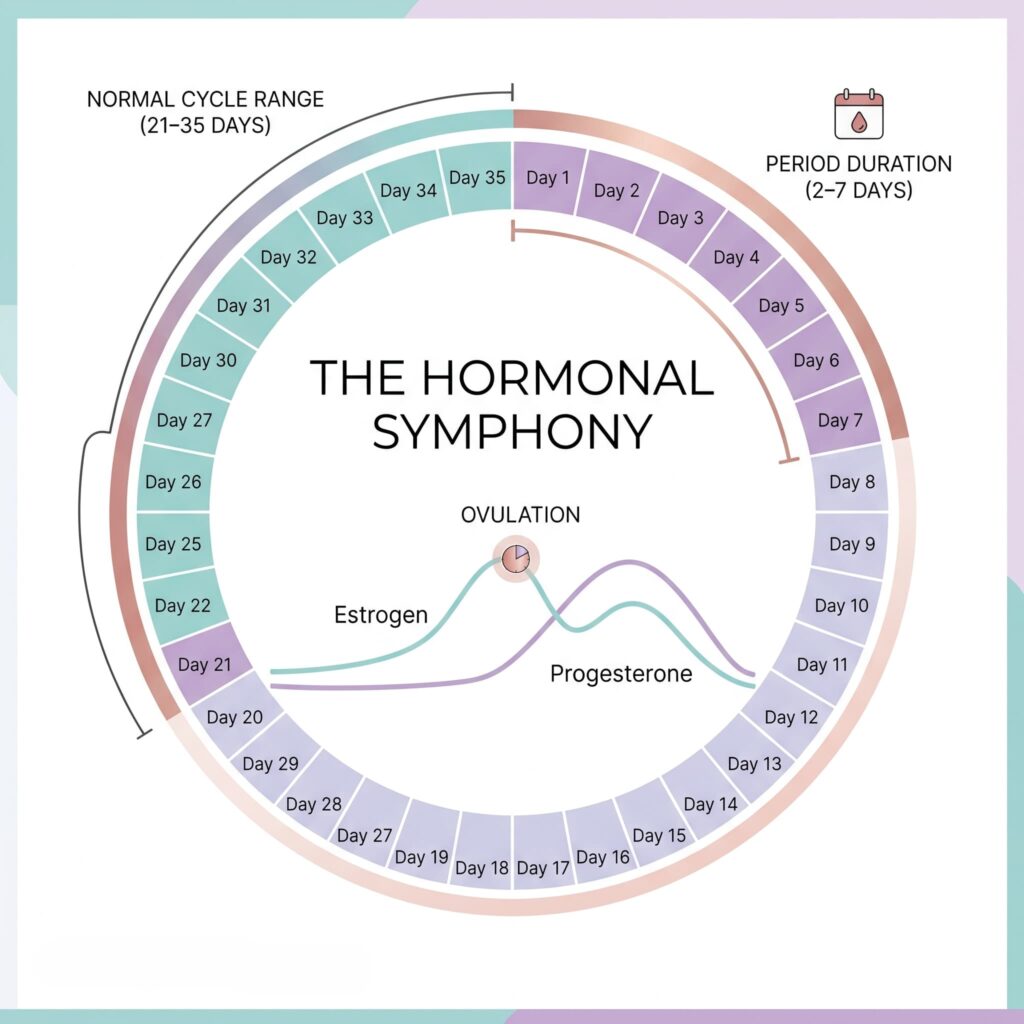
A “normal” menstrual cycle typically ranges between 21 and 35 days. Yes, that is a wide range—and no, not everyone fits perfectly into a 28-day cycle like textbooks often suggest. Your period can last anywhere from 2 to 7 days, and slight variations from month to month are completely normal.
If you ever find yourself searching for a “Maternity Hospital near me” because you are unsure whether your cycle is healthy, it usually helps to first understand what normal actually looks like before worrying. In many cases, awareness itself reduces anxiety and helps you track patterns more confidently.
Think of your cycle like a well-orchestrated symphony. Hormones such as estrogen and progesterone rise and fall in a precise rhythm. When everything is in sync, your cycle flows smoothly. However, when something disrupts that rhythm—such as stress, weight changes, or hormonal shifts—the music begins to falter. As a result, you may notice delays, early periods, or changes in flow.
Therefore, understanding your own pattern is more important than comparing it to others, because everybody follows their own rhythm.
What Counts as Irregular?
So how do you know when things are actually “irregular”? Here are some signs:
- Periods coming earlier than 21 days or later than 35 days
- Missing periods for several months
- Extremely heavy or very light bleeding
- Spotting between cycles
- Sudden changes in cycle length
If you’re noticing these patterns consistently, it’s time to dig deeper rather than brushing them off.
| Feature | Normal Menstrual Cycle | Irregular Menstrual Cycle |
|---|---|---|
| Cycle Length | 21–35 days consistently | Less than 21 days or more than 35 days |
| Period Duration | 2–7 days | Very short or very long bleeding |
| Flow Pattern | Steady and predictable | Very heavy, very light, or unpredictable |
| Cycle Regularity | Similar each month | Frequently changing cycle dates |
| Ovulation | Happens regularly every month | May be missed or delayed |
| Symptoms | Mild PMS (cramps, mood changes) | Severe PMS, spotting, or no clear pattern |
| Common Causes | Healthy hormonal balance | Stress, PCOS, thyroid issues, lifestyle changes |
| Medical Attention Needed | Usually not required | Required if irregularity continues > 2–3 months |
Why Periods Change in Your 30s
Your 30s aren’t just about external life changes—internally, your body is recalibrating. Hormonal fluctuations become more noticeable, and your reproductive system starts preparing for the long term.
Role of Hormones in Your Cycle
Hormones are the silent conductors of your menstrual cycle. Estrogen helps build the uterine lining, while progesterone prepares your body for pregnancy. When these hormones are balanced, your cycle remains predictable.
But after 30, slight dips or spikes in hormone levels can occur. This isn’t necessarily a problem—it’s a natural shift. However, when these changes become significant, they can disrupt ovulation, leading to irregular periods.
Lifestyle & Stress Factors
Let’s not underestimate stress—it’s one of the most underrated disruptors of menstrual health. Whether it’s work pressure, family responsibilities, or even lack of sleep, stress directly impacts your hypothalamus, the brain region controlling your hormones.
When stress levels rise, your body prioritizes survival over reproduction. That means ovulation can be delayed—or skipped entirely. The result? Irregular or missed periods.
Stress vs Hormonal Imbalance: Key Differences
This is where things get interesting. Stress and hormonal imbalance can look similar on the surface, but their root causes and long-term implications are quite different.
What Does a Stress Period Look Like?
A stress-induced period often shows up as:
- Delayed or skipped cycles
- Lighter or heavier bleeding than usual
- Increased PMS symptoms like mood swings or fatigue
- Sudden changes during high-pressure situations
Imagine your body hitting a “pause” button because it’s overwhelmed. Once the stress reduces, your cycle often returns to normal.
Hormonal Imbalance Symptoms in 30s
Hormonal imbalance tends to be more persistent and may include:
- Acne or oily skin
- Weight gain, especially around the abdomen
- Hair thinning or excessive hair growth
- Severe PMS or mood disorders
- Difficulty conceiving
Unlike stress, hormonal imbalance doesn’t resolve on its own and often requires medical intervention.
How Birth Control, Pregnancy & Breastfeeding Affect Your Periods
Many women notice changes in their menstrual cycle during different life stages. However, these changes are not always due to a problem. In fact, events like pregnancy, childbirth, breastfeeding, or stopping birth control can naturally affect your periods.
After childbirth, it is very common to experience irregular periods. This happens because your hormones take time to return to their normal balance. As a result, your cycle may be delayed, shorter, or sometimes heavier than usual. Gradually, over a few months, the cycle usually stabilizes on its own.
Breastfeeding also plays an important role in menstrual changes. When you breastfeed, your body produces a hormone called prolactin. This hormone helps with milk production, but it also suppresses ovulation. Therefore, many women do not get regular periods during exclusive breastfeeding. Once breastfeeding reduces, periods usually return to a normal pattern.
Similarly, stopping hormonal birth control pills or an IUD can temporarily affect your cycle. These methods regulate hormones externally. So, when you stop them, your body needs time to adjust. During this adjustment phase, you may experience delayed periods, spotting, or irregular cycles for a few weeks or months. However, in most cases, this is temporary.
Common Causes of Irregular Periods
Understanding the root cause is half the battle. Irregular periods can stem from various conditions.
PCOS, Thyroid & Other Conditions
Polycystic Ovary Syndrome (PCOS) is one of the leading causes of irregular periods. It affects hormone levels and ovulation, leading to unpredictable cycles.
Thyroid disorders—both hyperthyroidism and hypothyroidism—also play a major role. Since the thyroid regulates metabolism, any imbalance can disrupt menstrual cycles.
Other conditions include:
- Uterine fibroids
- Endometriosis
- Premature ovarian insufficiency
Age-Related Changes
As you approach your late 30s, your ovarian reserve gradually declines. This can lead to shorter cycles or missed periods. You might even notice that your cycle becomes more unpredictable than it was in your 20s.
Medical Causes of Irregular Periods Beyond Hormonal Changes
Irregular periods are not always caused by stress or lifestyle changes. Sometimes, underlying medical conditions can also play a major role. Understanding these causes helps in getting the right treatment at the right time.
One common cause is uterine fibroids or polyps. These are non-cancerous growths in the uterus. They can lead to heavy bleeding, longer periods, or spotting between cycles. In many cases, women may not even know they have fibroids until an ultrasound is done.
Another important factor is insulin resistance. This condition is often linked with PCOS (Polycystic Ovary Syndrome). When the body does not use insulin properly, it can disturb hormone balance. As a result, ovulation becomes irregular, leading to missed or delayed periods.
In addition, thyroid disorders can also affect menstrual cycles. Both an overactive and underactive thyroid can disturb hormone levels. Therefore, even small changes in thyroid function can impact your periods significantly.
Because of these possibilities, doctors often recommend detailed tests to find the exact cause. This helps in creating a targeted and effective treatment plan.
Diagnostic Tests for Irregular Periods
If your periods have been irregular for a few months, it is important not to ignore the pattern. Instead, it is best to consult a specialist and undergo a proper evaluation, especially if you’ve been searching for a “Maternity Hospital near me” due to ongoing concerns. Early diagnosis, in fact, helps in identifying the root cause before the condition progresses further. Moreover, it provides clarity and reduces unnecessary anxiety about what might be happening internally.
Blood Tests & Hormonal Panels
To begin with, doctors usually recommend blood tests to assess your hormone levels in detail. These tests are essential because they reveal how well your endocrine system is functioning. In particular, they help evaluate key reproductive and metabolic hormones that directly influence your menstrual cycle.
For example, hormone levels such as:
- Estrogen
- Progesterone
- Thyroid hormones
- Prolactin
are carefully analyzed to detect any imbalance. Additionally, these markers help doctors understand whether ovulation is occurring regularly or being disrupted, especially when patients initially search for a “Maternity Hospital near me” due to concerns about irregular periods.
Furthermore, these tests provide a clear and structured picture of what is happening internally. As a result, they allow the doctor to differentiate between stress-related irregularities and deeper hormonal conditions such as PCOS or thyroid disorders. Ultimately, this step forms the foundation for an accurate diagnosis and an effective treatment plan.
Imaging & Advanced Diagnostics
Ultrasound scans help detect structural issues like cysts or fibroids. In some cases, advanced imaging or laparoscopy may be recommended.
If you’re searching for a maternity hospital near me offering comprehensive diagnostics, make sure they provide both lab and imaging facilities under one roof for accurate diagnosis.
Maternity Hospital Near Me: When You Need Hospital-Level Care
Sometimes, irregular periods may require more than just basic consultation. In such cases, visiting a maternity hospital or a specialized gynecology clinic becomes important.
If you are experiencing very heavy bleeding, severe lower abdominal pain, or missed periods for several months, it is important to seek medical attention early. These symptoms should not be ignored, especially if they keep repeating.
A well-equipped maternity hospital provides complete care under one roof. For example, it may include ultrasound diagnostics, hormone testing, emergency gynecology support, and surgical facilities if needed. In addition, many hospitals also offer pain-free delivery options and NICU care for newborns, which ensures complete safety for both mother and child.
Choosing the right hospital is especially important when symptoms are unclear or persistent. In such situations, timely diagnosis can prevent complications and reduce long-term health risks.
When to Visit a Doctor
You shouldn’t wait indefinitely, hoping things will “fix themselves.” Seek medical help if:
- You’ve missed periods for 3 months
- Your cycles suddenly become very irregular
- You experience severe pain or heavy bleeding
Finding the Best Gynecologist for Irregular Periods in PCMC
If you’re in Pimpri-Chinchwad, finding the best gynecologist for irregular periods in PCMC can make all the difference.
👩⚕️ Dr. Bharati D Patil
Obstetrician & Gynaecologist with 35+ years of experience
She practices at:
Chetna Superspeciality Hospital, Chinchwad, Pune
🌐 www.chetnahospital.co.in
📞 9168690447 | 9158681123
Dr. Bharati Patil is known for her personalized care and expertise in managing complex gynecological conditions, including hormonal disorders, PCOS, and fertility concerns.
Expert Gynecology Care Near You PCMC & Pune
Chetna Hospital is centrally located to serve the following areas within minutes:
How to Reach: Conveniently located near the Old Mumbai-Pune Highway, making us easily accessible for residents across the PCMC belt.
Primary Focus (0-5 km): Chinchwad, Akurdi, Nigdi, Ravet, and Sambhaji Nagar.
Extended Reach (05km to 15 km): We are a preferred choice for patients seeking a Gynecologist in Wakad, Hinjewadi, Pimple Saudagar, and Bhosari.
Treatment Options & Lifestyle Fixes
Treatment depends entirely on the underlying cause.
Medical Treatments
Doctors may prescribe:
- Hormonal therapy (birth control pills)
- Thyroid medication
- PCOS-specific treatments
- Surgical options in severe cases
Natural & Preventive Approaches
Simple lifestyle changes can work wonders:
- Maintain a healthy weight
- Exercise regularly
- Manage stress through yoga or meditation
- Eat a balanced diet rich in nutrients
Think of these as long-term investments in your reproductive health.
Prevention Tips for Healthy Cycles
Preventing irregular periods isn’t about perfection—it’s about consistency.
- Track your cycle monthly
- Prioritize sleep
- Limit caffeine and alcohol
- Stay physically active
These habits create a stable internal environment where hormones can function properly.
Are you searching for a maternity Hospital near me? Visit Expert Care at Chetna Hospital, Chinchwad
If you’re searching for a trusted maternity hospital near me within a 5–15 km radius of Chinchwad, Chetna Hospital stands out for its patient-centric approach.
Dr. Bharati Patil brings decades of experience in:
- Normal & high-risk deliveries
- Hormonal disorder management
- Laparoscopic surgeries
- Fertility treatments
Her approach isn’t just clinical—it’s deeply personal, ensuring every patient feels heard and supported.
FAQs
A stress period may be delayed, skipped, or lighter/heavier than usual. It often coincides with emotional or physical stress.
Hormonal shifts and declining ovarian reserve can lead to shorter cycles.
Yes, stress disrupts hormone regulation and can delay or stop ovulation.
The luteal phase (before your period) is when mood swings are most common due to hormonal changes.
A regular cycle occurs every 21–35 days with consistent flow and duration.
Frequent changes in cycle length, missed periods, or abnormal bleeding indicate irregularity.
Conclusion
Irregular periods after 30 aren’t something to ignore—but they’re also not something to panic about. The key lies in understanding your body’s signals. Whether it’s stress temporarily disrupting your cycle or a deeper hormonal imbalance, early attention makes all the difference.
If you’re unsure where to start, consulting an experienced gynecologist is the smartest move. With the right guidance, diagnosis, and care, you can bring your cycle—and your peace of mind—back on track.
⚠️ Disclaimer
This content is for informational purposes only. Please consult a qualified maternity Hospital near me for diagnosis and treatment. at Chetna Hospital, Bharati D Patil
Book the Best Maternity Hospital near me Today
📍 Visit Us: Chetna Hospital, Sambhaji Nagar, Chinchwad, Pune.
📞 Call for Appointment: +91 9168690447 / +91 9158681123
💬 WhatsApp Us: Enquiry Now
डॉ. भारती पाटील (३५+ वर्षांचा अनुभव) चिंचवडमधील चेतना हॉस्पिटलमध्ये अनियमित मासिक पाळीवर तज्ञ उपचार देतात.