



When you choose a dental clinic in Chinchwad, check three things first. The dentist should be registered with the Maharashtra State Dental Council. They should explain your options in plain words. And they should give you a clear plan before any treatment starts.
It also helps if the clinic is close to your home or work, so regular check-ups and urgent visits are easy. If you have been searching for a “dental clinic near me”, this guide can help. It covers what to check, what a check-up involves, warning signs and when to get emergency care.
What a dentist does
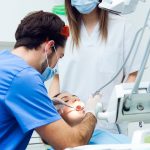
A dentist finds and treats problems with the teeth, gums and mouth. Dentists do check-ups and cleaning, repair damaged teeth and replace missing teeth. They can also help with the look of your smile, says Cleveland Clinic.
Some dentists train further in one area. Common specialists include:
- Endodontist: treats problems inside the tooth, for example with root canal treatment
- Periodontist: treats gum disease and the tissues that hold the teeth in place
- Orthodontist: straightens teeth and corrects the bite with braces or clear aligners
- Prosthodontist: makes crowns, bridges and dentures
- Oral surgeon: removes teeth and does other surgery of the mouth
- Paediatric dentist: treats children’s teeth
A general dentist looks after your whole mouth and can tell you if you need to see one of these specialists.
What to check when choosing a dental clinic in Chinchwad
- Registration. Dentists in Maharashtra are registered with the Maharashtra State Dental Council. You can check a dentist by name or registration number on the council’s Find Practitioner page. You can also ask the clinic for the dentist’s registration number.
- Qualifications. A dentist holds a BDS degree. Specialists usually also hold an MDS in their field. It is fine to ask about these.
- Clear explanations. The dentist should tell you what is wrong and the choices for treating it. Ask about the risks of each choice and what may happen if you wait.
- A written plan. Before larger work, ask for the plan in writing, with the number of visits and the charges for each step.
- Clean care. It is reasonable to ask how instruments are cleaned and sterilised between patients.
- Help when it hurts. Ask what you should do if you have pain or swelling outside clinic hours.
- Care for children. If you have children, ask whether the clinic sees children or can refer you to a paediatric dentist.
- Comfort. If you feel nervous about dental visits, say so. Your dentist can explain each step, and there are options that can help you relax.
- Distance. A clinic near your home or work in PCMC makes it easier to keep regular visits.
What happens at a dental check-up
According to the NHS guide to dental check-ups, at each check-up your dentist should:
- look at your teeth, gums and mouth
- ask about your general health and any problems with your teeth, mouth or gums since your last visit
- ask about your diet, smoking, alcohol and how you clean your teeth, and give advice
- suggest when you should come back
How often you need a check-up depends on the health of your teeth and gums. The gap can be anywhere from 3 months to 2 years. For children and teenagers under 18, it should be no more than a year. Tell your dentist about any medicines you take and any health conditions you have.
Common reasons to see a dentist
Tooth decay. Decay is often caused by too much sugary food and drink and not cleaning the teeth and gums well. Early decay may cause no symptoms. Later it can cause toothache and pain with hot, cold or sweet food and drink. You may also see white, brown or black spots on a tooth, says the NHS. Read our post on root canal warning signs.
Gum disease. Gum disease is caused by a build-up of plaque, a sticky film of bacteria on the teeth. Signs include gums that bleed when you brush, floss or eat hard food, and gums that are red, swollen and sore. Over time it can lead to bad breath, shrinking gums and loose teeth (NHS). Learn more about the stages of gum disease.
Toothache. Common causes include tooth decay, a dental abscess, a cracked tooth and a loose or broken filling. A wisdom tooth coming through, gum disease, grinding your teeth and sensitive teeth can also cause pain. See our guide to cracked tooth pain when biting.
Chipped or broken teeth, jaw pain and bad breath that does not go away. These are other common reasons to book a dental visit.
Stained teeth or gaps. Unhappy with the colour, shape or spacing of your teeth? A dentist can check the cause and explain the choices. A brown or black spot can be a sign of decay, so it is worth getting it checked.
See a dentist soon if
- your toothache lasts more than 2 days or does not ease with painkillers
- you have toothache with a high temperature, pain when biting, red gums or a bad taste in your mouth
- your cheek or jaw is swollen
- your gums are very sore and swollen, or your teeth feel loose
- you have gum problems along with ulcers or red patches in your mouth, or a lump in your mouth or on your lip
- your gums bleed when you brush, or you have bad breath that does not go away
If it is outside clinic hours, call your dental clinic first. It may tell you how to get urgent care.
Call 108 or 112 or go to the emergency department if
You have toothache and:
- the area around your eye or your neck is swollen
- swelling in your mouth or neck is making it hard to breathe, swallow or speak
Do not drive yourself. Ask someone to take you, or call an ambulance. Take any medicines you use with you. This advice comes from the NHS guide to toothache.
What you can do at home
While you wait to see a dentist for toothache, the NHS suggests that you:
- ask a pharmacist about pain relief
- rinse your mouth with warm salt water and spit it out (adults only)
- eat soft foods and chew on the other side of your mouth
- use a soft toothbrush
- avoid sweet, very hot and very cold food and drink
- do not smoke
To help keep your teeth and gums healthy every day:
- brush at least twice a day with fluoride toothpaste
- spit out the toothpaste after brushing, but do not rinse with water
- clean between your teeth every day with floss or small interdental brushes
- do not use mouthwash straight after brushing
- cut down on sugary food and drinks, and choose sugar-free medicines
- do not smoke
- go for regular check-ups, even when nothing hurts
Frequently asked questions
How often should I visit a dentist?
It depends on the health of your teeth and gums. Your dentist will suggest a gap of anywhere from 3 months to 2 years. Children and teenagers under 18 should have a check-up at least once a year.
What happens at a first dental visit?
The dentist looks at your teeth, gums and mouth, asks about your health and habits, and explains anything that needs treatment. You can ask questions and agree on the next steps.
Is toothache an emergency?
Usually it needs a dental visit rather than emergency care. See a dentist soon if the pain lasts more than 2 days, or comes with a fever or a swollen cheek or jaw. Call 108 or 112 if the area around your eye or neck swells, or if swelling makes it hard to breathe, swallow or speak.
Why do my gums bleed when I brush?
Bleeding gums are a common sign of gum disease, which is caused by plaque building up on the teeth. Keep brushing twice a day, clean between your teeth and see a dentist for a check-up.
Do I need a check-up if nothing hurts?
Yes. Early tooth decay may not cause any symptoms, and regular check-ups help find problems early. Your dentist will tell you when to come back.
Should I rinse my mouth after brushing?
No. Spit out the extra toothpaste after brushing, but do not rinse your mouth with water. Your dentist can give you more advice on cleaning your teeth.
Sources
- NHS: Dental check-ups
- NHS: Toothache
- NHS: Tooth decay
- NHS: Gum disease
- Cleveland Clinic: Dentist
- Maharashtra State Dental Council
How to reach Chetna Hospital
To see the dental team, visit the Dental Department at Chetna Hospital, Plot GP 116, Sambhaji Nagar Road, MIDC G Block, Chinchwad, Pune 411019.
How this article was prepared: Chetna Hospital’s content team wrote it with the help of AI writing tools and checked it against the sources listed. It is general health information, not personal medical advice.