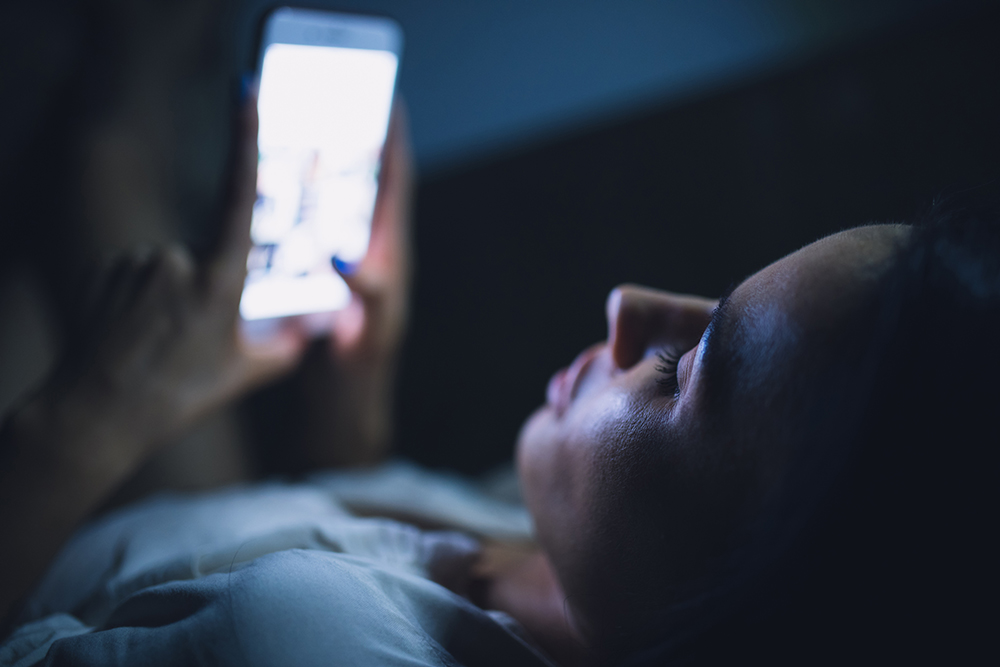
In today’s digital era, smartphones have become an inseparable part of daily life. Whether it’s scrolling through social media, watching videos, or texting at night, many people use their phones in the dark without realizing the harm it causes to their eyes. While short-term effects may seem harmless, long-term exposure to bright screens in poorly lit environments can significantly impact your eye health.
As an ophthalmologist, Dr. Rachana Tiwari Patil from Chetna Hospital, Chinchwad, often sees patients experiencing eye strain, headaches, dryness, and sleep disturbances caused by unhealthy screen habits. This blog explains why using phones in the dark harms your eyes, what happens inside the eye, and how you can protect yourself.
1. What Happens to Your Eyes in the Dark?
Your eyes are designed to adjust automatically depending on the light around you. In a well-lit environment, your pupils become smaller to control the amount of light entering the eye. In the dark, your pupils naturally dilate to allow more light in so you can see.
But when you suddenly expose your dilated eyes to a bright phone screen in the dark, it creates a high contrast that forces your eyes to repeatedly adjust. This constant strain makes your eye muscles work harder, leading to symptoms such as:
- Burning or stinging sensation
- Watering
- Difficulty focusing
- Mild headaches
- Temporary blurred vision
This cycle continues every night for people who regularly use phones in bed or in dim environments.
2. The Impact of Blue Light on Eye Health
Smartphone screens emit a significant amount of blue light, a high-energy wavelength that can penetrate deep into the eye. When used in normal lighting, blue light exposure can still cause discomfort, but using the phone in pitch darkness intensifies its effect.
Why is blue light harmful in the dark?
- The pupils are wide open, allowing more blue light to enter the retina.
- Blue light scatters more easily and causes glare, making it harder to focus.
- It signals the brain that it’s “daytime,” suppressing the sleep hormone melatonin.
Over time, this may increase the risk of digital eye strain, sleep cycle disturbances, and fatigue.
3. Digital Eye Strain: A Growing Concern
Digital Eye Strain, also known as Computer Vision Syndrome, is becoming increasingly common. It occurs when the eyes are overworked due to prolonged screen exposure.
When you use your phone in the dark:
- You blink less frequently, causing dryness
- You hold the phone too close, increasing accommodative stress
- The small text forces your eyes to maintain focus for long periods
Symptoms of digital eye strain include:
- Dry and gritty feeling in the eyes
- Pain around the eyes, forehead, or temples
- Neck and shoulder stiffness
- Difficulty switching focus from near to far
- Light sensitivity
These symptoms might seem minor at first, but with long-term exposure, they may worsen and require medical attention.
4. Increased Risk of Myopia Progression in Children
Children and teenagers are at the highest risk because their eyes are still developing. Using a bright screen in the dark can accelerate myopia (nearsightedness) progression. The eyes strain continuously to focus on a near object, and the darker the environment, the harder the eyes need to work.
Research shows that extended near-work activities and nighttime screen usage are strongly linked to rising childhood myopia. Parents should monitor screen habits and ensure their child does not use phones during bedtime or in dim rooms.
5. Sleep Cycle Disruption: A Hidden Problem
Many people check their phones just before sleeping. While this sounds harmless, it can greatly affect the body’s natural sleep rhythm.
Blue light from the phone stops melatonin production—the hormone responsible for sleep regulation. This leads to:
- Difficulty falling asleep
- Poor-quality sleep
- Feeling tired even after sleeping
- Morning headaches
Poor sleep can also impact mood, concentration, and long-term mental health.
6. Potential Long-Term Eye Damage
Although smartphones do not directly “damage” the retina in the short term, chronic exposure—especially in the dark—can contribute to long-term problems.
Continuous strain and blue-light exposure may increase the risk of:
- Early onset presbyopia
- Chronic dry eye
- Worsening myopia
- Increased sensitivity to light
- Eye fatigue
While the long-term effects of blue light on retinal health are still being studied, most ophthalmologists agree that prevention is the best approach.
7. Why You Should Avoid Using Your Phone in the Dark
Using your phone in the dark is harmful due to:
- High contrast between screen brightness and ambient light
- Increased blue-light exposure
- Excessive strain on eye muscles
- Reduced blinking and tear production
- Disturbed sleep cycles
These factors together create an unhealthy environment for the eyes, leading to discomfort, visual problems, and potential long-term eye health issues.
8. How to Protect Your Eyes from Screen Damage
You don’t have to stop using your phone completely. Instead, adopt healthier habits to protect your eyes:
Use your phone in a well-lit room
Always ensure some ambient light is present while using screens.
Reduce screen brightness
Avoid using maximum brightness, especially at night.
Enable Night Mode / Blue Light Filter
Most phones offer Night Mode or Eye Comfort Shield to reduce blue light.
Follow the 20-20-20 rule
Every 20 minutes, look at something 20 feet away for 20 seconds.
Maintain proper distance
Hold your phone at least 16–18 inches away from your eyes.
Limit screen time before bed
Stop using your phone at least 1 hour before sleeping.
Regular eye check-ups
Routine eye examinations help detect early signs of strain or vision changes.
9. When to Visit an Eye Specialist
If you experience any of the following, seek medical advice:
- Persistent headaches
- Eye pain or redness
- Blurry vision
- Sensitivity to light
- Difficulty focusing
- Sleep disturbances
Early intervention prevents complications and restores comfortable vision.
10. Consult an Eye Specialist for Proper Guidance
If you suspect that your nighttime screen habits are affecting your vision, professional evaluation is essential. At Chetna Hospital, Chinchwad, Dr. Rachana Tiwari Patil offers comprehensive eye examinations, advanced diagnostic tests, and personalized treatment plans for digital eye strain and related problems.
Protecting your eyes today ensures a lifetime of healthy vision.