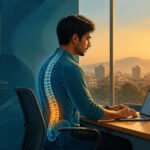
Bone, joint, muscle, and ligament injuries can happen to anyone, regardless of age or activity level. Whether you have experienced a sudden fall, suffered a sports injury, or developed pain gradually over time, consulting an best orthopedic doctor in PCMC can help you identify the exact cause of your symptoms and begin appropriate treatment before the condition worsens.
Orthopedic injuries are one of the leading causes of pain, reduced mobility, and temporary disability across the world. While some injuries heal with rest and rehabilitation, others require specialized medical care to prevent long-term joint damage or permanent loss of function. Many people delay treatment because they believe the pain will disappear on its own. However, ignoring persistent discomfort can often make recovery more difficult and increase the risk of complications.
Fortunately, modern orthopedic care offers advanced diagnostic tools and a wide range of treatment options for both minor and complex injuries. From physiotherapy and rehabilitation to minimally invasive procedures and surgery, treatment is tailored to each patient’s condition and recovery goals. Understanding the most common orthopedic injuries can help you recognize early warning signs and seek timely medical attention.
What Are the 7 Most Common Orthopedic Injuries?
According to orthopedic specialists, the seven most common orthopedic injuries include:
- Fractures (Broken Bones)
- Sprains
- Muscle Strains
- Joint Dislocations
- ACL and Other Ligament Injuries
- Meniscus Tears
- Rotator Cuff Injuries
Although these injuries differ in severity, early diagnosis by an best orthopedic doctor in PCMC often leads to faster recovery, better mobility, and reduced risk of long-term complications.
Common Orthopedic Injuries at a Glance
| Injury | Common Cause | Symptoms | Typical Treatment |
| Fracture | Falls, accidents | Pain, swelling | Cast or surgery |
| Sprain | Twisting injury | Swelling, instability | Brace and physiotherapy |
| Muscle Strain | Overuse | Muscle pain | Rest and exercises |
| Joint Dislocation | Trauma | Joint deformity | Joint reduction |
| ACL Injury | Sports | Knee instability | Rehabilitation or surgery |
| Meniscus Tear | Knee twisting | Locking, pain | Physiotherapy or arthroscopy |
| Rotator Cuff Injury | Repetitive shoulder movement | Shoulder pain | Physiotherapy or surgery |
Why Do Orthopedic Injuries Happen?
Orthopedic injuries affect bones, joints, ligaments, muscles, tendons, and cartilage. Some injuries occur suddenly after trauma, whereas others develop slowly because of repetitive stress, aging, or underlying medical conditions.
For example, a football player may tear an ACL while changing direction quickly. Similarly, an older adult may develop a fracture after a simple fall because of weakened bones. Office workers may also experience shoulder or back problems due to poor posture and repetitive movements.
Regardless of the cause, consulting an best orthopedic doctor in PCMC early can help prevent further damage and improve recovery.
Common Injuries Treated by an best orthopedic doctor in PCMC
Every orthopedic injury affects movement differently. Some injuries involve bones, while others affect muscles, tendons, cartilage, or ligaments. Understanding these injuries helps patients know when professional care is needed.
1. Fractures (Broken Bones)
Fractures occur when a bone breaks because of excessive force or trauma. Falls, road accidents, sports injuries, and direct blows are among the most common causes.
Depending on the severity, fractures may range from small hairline cracks to complete breaks where the bone shifts out of position.
Common Symptoms
- Severe pain
- Swelling
- Bruising
- Difficulty moving the affected limb
- Visible deformity in severe cases
Treatment depends on the type of fracture. While some bones heal with a cast or splint, others require surgery to restore proper alignment.
2. Sprains
Sprains involve stretching or tearing of ligaments that connect bones inside a joint.
Ankle sprains are particularly common, especially after twisting the foot during sports or while walking on uneven ground. Knee and wrist sprains also occur frequently.
Symptoms Include
- Joint swelling
- Pain while moving
- Bruising
- Reduced stability
- Difficulty bearing weight
Most sprains improve with rest, bracing, and physiotherapy. However, severe ligament injuries may require surgical repair.
3. Muscle Strains
Unlike sprains, muscle strains affect muscles or tendons.
They commonly occur after lifting heavy objects, exercising without warming up, or performing repetitive physical activities.
Patients often notice:
- Muscle pain
- Tightness
- Weakness
- Reduced flexibility
- Difficulty performing normal movements
Fortunately, most strains respond well to conservative treatment and structured rehabilitation.
4. Joint Dislocations
A joint dislocation happens when the bones inside a joint move out of their normal position.
Shoulders are the most frequently dislocated joints, followed by fingers, elbows, kneecaps, and hips.
Warning Signs
- Sudden severe pain
- Joint deformity
- Swelling
- Loss of movement
- Numbness in some cases
Immediate medical attention is important because delaying treatment can increase the risk of nerve damage or long-term joint instability.
5. ACL and Other Ligament Injuries
The anterior cruciate ligament (ACL) is one of the major stabilizing ligaments of the knee.
ACL injuries commonly affect athletes participating in football, basketball, badminton, and cricket. However, they can also occur during accidental twisting movements.
Patients often describe hearing a popping sound at the time of injury, followed by rapid swelling and difficulty walking.
Treatment depends on the patient’s age, activity level, and severity of the tear. Many active individuals benefit from ligament reconstruction surgery combined with physiotherapy.
6. Meniscus Tears
The meniscus is a strong piece of cartilage that cushions the knee joint.
A sudden twisting movement while the foot remains firmly planted can tear the meniscus. Older adults may also develop degenerative meniscus tears over time.
Symptoms
- Knee pain
- Swelling
- Locking sensation
- Difficulty bending or straightening the knee
- Clicking sounds
Many patients recover with physiotherapy. However, arthroscopic surgery may be recommended for severe or persistent tears.
7. Rotator Cuff Injuries
The rotator cuff consists of muscles and tendons that stabilize the shoulder joint.
These injuries are common among athletes, painters, electricians, and individuals who perform repetitive overhead activities.
Typical symptoms include:
- Shoulder pain
- Weakness
- Difficulty lifting the arm
- Pain while sleeping on the affected side
Treatment often begins with medications and physiotherapy. Surgery is considered when conservative treatments fail or when the tendon is completely torn.
A Patient’s Story
A 42-year-old resident of Tathawade developed persistent shoulder pain after lifting heavy boxes while moving to a new home. Initially, the discomfort seemed minor, so he continued working without seeking treatment.
However, over the next few weeks, the pain became more severe, and he found it difficult to lift his arm or sleep comfortably. Eventually, he consulted an best orthopedic doctor in PCMC, who diagnosed a rotator cuff injury through a clinical examination and MRI scan.
Fortunately, surgery was not required. Instead, the patient completed a structured rehabilitation program that included physiotherapy, strengthening exercises, and temporary activity modification. Within a few months, he regained shoulder strength and returned to his normal routine with minimal discomfort.
This example highlights why persistent pain should never be ignored. Early diagnosis often leads to simpler treatment and better long-term results.
What Causes Orthopedic Injuries?
Orthopedic injuries develop for many different reasons. In some cases, the cause is sudden trauma. In others, gradual wear and tear places repeated stress on the bones, muscles, and joints.
Common causes include:
- Falls
- Road traffic accidents
- Sports injuries
- Repetitive movements
- Poor posture
- Heavy lifting
- Aging
- Obesity
- Osteoporosis
- Weak muscles
- Occupational strain
Moreover, lifestyle factors such as inactivity, poor nutrition, and lack of muscle strengthening exercises can increase the likelihood of orthopedic problems.
Symptoms That May Require an best orthopedic doctor in PCMC
Not every ache or pain indicates a serious orthopedic condition. However, certain symptoms should never be ignored because they may point to an injury that requires prompt medical evaluation. While minor strains often improve with rest, persistent or worsening symptoms should be assessed by an best orthopedic doctor in PCMC to prevent long-term complications.
You should consider seeking medical attention if you experience:
- Persistent bone or joint pain lasting more than a few days
- Swelling that does not improve with rest
- Difficulty walking or bearing weight
- Limited movement in a joint
- Joint instability or repeated giving way
- Visible deformity after an injury
- Numbness or tingling following trauma
- Muscle weakness
- Difficulty climbing stairs
- Pain that interferes with sleep or daily activities
Furthermore, if pain continues despite home remedies, early consultation can help prevent further damage and support a quicker recovery.
When Should You Visit an best orthopedic doctor in PCMC?
Many people delay visiting an orthopedic specialist because they believe the pain will disappear on its own. Unfortunately, untreated injuries can become more serious over time. Therefore, it is important to seek professional advice when symptoms persist or begin affecting your quality of life.
You should consult an best orthopedic doctor in PCMC if you:
- Have severe pain after a fall or accident
- Suspect a fracture or dislocation
- Experience swelling that does not improve
- Notice difficulty moving a joint
- Have recurring sports injuries
- Feel knee or shoulder instability
- Have chronic back, hip, or joint pain
- Do not improve after rest and medication
Additionally, early diagnosis often allows for more conservative treatment options and may reduce the need for surgery.
How an Best Orthopedic Doctor in PCMC Diagnoses Common Injuries
A correct diagnosis is the foundation of successful orthopedic treatment. Since many injuries produce similar symptoms, a thorough evaluation is essential to identify the exact problem and develop an effective treatment plan.
Physical Examination by an best orthopedic doctor in PCMC
The first step is a detailed physical examination. Your orthopedic specialist will assess:
- Swelling
- Tenderness
- Joint stability
- Muscle strength
- Range of motion
- Walking pattern, if necessary
This examination helps identify which structures may be injured and guides further testing.
Medical History Evaluation by an best orthopedic doctor in PCMC
Your doctor will also ask about:
- How the injury occurred
- Previous injuries or surgeries
- Existing medical conditions
- Occupation
- Sports participation
- Current medications
Understanding your medical history provides valuable information for an accurate diagnosis.
Imaging Tests Recommended by an best orthopedic doctor in PCMC
Depending on your symptoms, imaging tests may include:
- X-rays to detect fractures and joint alignment issues
- MRI scans to evaluate ligaments, tendons, muscles, and cartilage
- CT scans for complex fractures
- Ultrasound for selected soft tissue injuries
These investigations help confirm the diagnosis and determine the severity of the injury.
Treatment Options Offered by an best orthopedic doctor in PCMC
Treatment depends on several factors, including the type of injury, its severity, your age, activity level, and overall health. In many cases, surgery is not the first option. Instead, treatment often begins with conservative approaches.
Conservative Treatment by an best orthopedic doctor in PCMC
Many orthopedic injuries improve without surgery.
Conservative treatment may include:
- Rest and temporary activity modification
- Ice application to reduce swelling
- Compression and elevation
- Anti-inflammatory medications
- Braces or splints
- Physiotherapy
- Strengthening exercises
- Lifestyle modifications
Moreover, following the rehabilitation plan consistently can significantly improve recovery.
Minimally Invasive Orthopedic Procedures
When conservative treatment does not provide enough relief, minimally invasive procedures may be recommended.
These include:
- Arthroscopic surgery
- Joint injections
- PRP (Platelet-Rich Plasma) therapy for selected patients
Because these procedures involve smaller incisions, patients often experience less pain and faster recovery.
Surgical Treatment by an best orthopedic doctor in PCMC
Some injuries require surgery to restore normal function.
Common orthopedic procedures include:
- Fracture fixation
- ACL reconstruction
- Meniscus repair
- Rotator cuff repair
- Joint replacement surgery
- Tendon repair
An experienced best orthopedic doctor in PCMC will recommend surgery only when it is the most appropriate option based on your condition.
Recovery Guidance from an best orthopedic doctor in PCMC
Recovery is an important part of orthopedic care. Successful treatment does not end after medication or surgery. Instead, rehabilitation helps restore strength, flexibility, balance, and confidence.
Recovery plans often include:
- Guided physiotherapy
- Muscle strengthening exercises
- Stretching routines
- Balance training
- Walking programs
- Gradual return to sports or work
Furthermore, regular follow-up visits allow your orthopedic specialist to monitor healing and adjust the rehabilitation plan whenever necessary.
Patients who actively participate in rehabilitation generally recover faster and experience better long-term outcomes.
How an best orthopedic doctor in PCMC Helps Prevent Future Injuries
Although accidents cannot always be prevented, many orthopedic injuries can be avoided through healthy habits and proper body mechanics.
Here are some practical ways to protect your bones and joints:
- Exercise regularly to strengthen muscles
- Warm up before physical activity
- Stretch after exercise
- Maintain a healthy body weight
- Wear supportive footwear
- Use proper lifting techniques
- Improve workplace ergonomics
- Eat foods rich in calcium and vitamin D
- Avoid repetitive strain whenever possible
- Seek treatment early if pain develops
Additionally, routine check-ups with an best orthopedic doctor in PCMC can help identify underlying issues before they become more serious.
Orthopedic Injury Recovery Guide
| Orthopedic Injury | Early Treatment | Average Recovery Time* |
| Fracture | Cast or surgery | 6–12 weeks |
| Sprain | Brace and physiotherapy | 2–8 weeks |
| Muscle Strain | Rest and exercises | 2–6 weeks |
| Joint Dislocation | Joint reduction | 4–12 weeks |
| ACL Injury | Surgery or rehabilitation | 6–9 months |
| Meniscus Tear | Physiotherapy or arthroscopy | 6 weeks–4 months |
| Rotator Cuff Injury | Physiotherapy or surgery | 3–6 months |
*Recovery times vary depending on the severity of the injury, the patient’s overall health, and adherence to rehabilitation.
Can an best orthopedic doctor in PCMC Help You Avoid Surgery?
Yes. Many orthopedic conditions can be successfully managed without surgery, especially when diagnosed early. An experienced best orthopedic doctor in PCMC will first evaluate the severity of your injury and discuss all suitable treatment options.
For many patients, a combination of physiotherapy, medications, activity modification, braces, and rehabilitation provides significant relief. Surgery is generally recommended only when conservative treatment is unlikely to restore function or relieve pain.
Therefore, seeking early medical advice not only improves recovery but may also reduce the need for more invasive procedures in the future.
Why Choose Dr. Nirmal Patil at Chetna Orthopedic Clinic?
Choosing the right orthopedic specialist is one of the most important decisions when dealing with bone, joint, or spine problems. While experience and qualifications matter, patients also benefit from a doctor who takes time to understand their concerns, explains treatment options clearly, and focuses on long-term recovery.
Dr. Nirmal Patil at Chetna Orthopedic Clinic is known for providing comprehensive orthopedic care with a patient-centered approach. Patients from Pimpri Chinchwad, Wakad, Baner, Tathawade, Hinjewadi, Nigdi, and nearby areas frequently consult him for arthritis, fractures, sports injuries, ligament injuries, chronic back pain, shoulder disorders, and other orthopedic conditions.
Every patient receives a detailed clinical evaluation to identify the root cause of the problem before treatment begins. Rather than focusing only on symptom relief, Dr. Patil develops personalized treatment plans based on the patient’s age, lifestyle, activity level, and recovery goals.
Whenever possible, treatment begins with conservative options such as medications, physiotherapy, rehabilitation, and lifestyle modifications. If surgery is required, the treatment plan focuses on improving mobility, reducing pain, and supporting a safe recovery.
Patients choose Dr. Nirmal Patil because of:
- Comprehensive orthopedic evaluation
- Accurate diagnosis using evidence-based methods
- Personalized treatment plans
- Expertise in arthritis, fractures, sports injuries, and spine disorders
- Focus on minimally invasive treatment whenever appropriate
- Rehabilitation-focused recovery programs
- Clear communication and patient education
- Convenient location in Pimpri Chinchwad
The clinic aims to help patients return to their daily activities with improved strength, better mobility, and long-term joint health.
Top Orthopedic Doctors in PCMC
Finding the right orthopedic specialist can significantly improve treatment outcomes. Below are two trusted orthopedic doctors serving patients across PCMC and nearby areas.
1. Dr. Nirmal Patil – Chetna Orthopedic Clinic, Pimpri Chinchwad
Dr. Nirmal Patil is a trusted orthopedic specialist at Chetna Orthopedic Clinic, Pimpri Chinchwad, known for providing comprehensive care for bone, joint, and spine conditions. Patients from Pimpri Chinchwad, Wakad, Baner, Tathawade, Hinjewadi, Nigdi, Ravet, and nearby areas frequently consult him for knee pain, hip pain, arthritis, fractures, sports injuries, ligament injuries, shoulder problems, back pain, and other orthopedic concerns.
He believes in identifying the root cause of every condition through a thorough clinical evaluation before recommending a personalized treatment plan. Depending on the patient’s needs, treatment may include medications, physiotherapy, rehabilitation, minimally invasive procedures, or surgery. Whenever possible, Dr. Patil focuses on non-surgical treatments to relieve pain, restore mobility, and help patients return to their daily activities.
His patient-first approach, combined with evidence-based orthopedic care and clear communication, ensures that every patient receives individualized attention throughout their recovery journey. In addition to treating orthopedic injuries and chronic joint conditions, Dr. Patil emphasizes rehabilitation and preventive care to support long-term musculoskeletal health.
Patients appreciate his compassionate approach, accurate diagnosis, and commitment to helping them regain mobility, reduce pain, and improve their overall quality of life.
2. Dr. Siddhesh Parab – MediLife Superspeciality Clinic, Punawale
Dr. Siddhesh Parab is an experienced Orthopedic Doctor in Punawale with over 15 years of expertise in diagnosing and treating a wide range of bone, joint, and spine conditions. He practices at MediLife Superspeciality Clinic in Punawale and is known for delivering personalized orthopedic care supported by modern diagnostic methods and evidence-based treatment techniques.
Patients from Punawale, Wakad, Ravet, Tathawade, Hinjewadi, and nearby areas frequently consult Dr. Parab for arthritis, fractures, complex trauma, sports injuries, ligament tears, spine disorders, and chronic joint pain. His patient-focused approach emphasizes accurate diagnosis and individualized treatment plans designed to improve mobility and long-term joint health.
Dr. Parab has extensive experience in joint replacement surgery, arthroscopic procedures, fracture management, and regenerative orthopedic treatments, including PRP therapy for appropriately selected patients. As a trusted Orthopedic Doctor in Punawale, he combines advanced orthopedic techniques with structured rehabilitation programs to help patients recover safely and return to their daily activities.
3. Dr. Ashok Shyam – Inamdar Multispeciality Hospital, Fatima Nagar (Near NIBM Road)
Dr. Ashok Shyam is an experienced orthopedic surgeon specializing in joint replacement, trauma care, and complex orthopedic conditions. Patients from NIBM Road, Kondhwa, Wanowrie, Undri, and Mohammadwadi frequently consult him for knee pain, hip arthritis, fractures, sports injuries, and mobility issues. He is known for his patient-focused approach, comprehensive evaluation, and evidence-based treatment plans that emphasize faster recovery and improved joint function.
4. Dr. Nitin Pai – Satyanand Hospital, Kondhwa
Dr. Nitin Pai is an orthopedic specialist with expertise in treating fractures, arthritis, sports injuries, back pain, and joint disorders. Serving patients across Kondhwa, NIBM Road, Undri, and Wanowrie, he focuses on accurate diagnosis, personalized treatment, and rehabilitation to help patients regain mobility and reduce pain. His approach combines conservative management with surgical care whenever required, ensuring treatment is tailored to each patient’s condition.
These are genuine orthopedic doctors practicing in the NIBM/Kondhwa area and are suitable additions after Dr. Nirmal Patil and Dr. Siddhesh Parab in your comparison section.
How to Choose the Right best orthopedic doctor in PCMC
Selecting the right orthopedic specialist can make a significant difference in your recovery. While qualifications and experience are important, you should also consider the doctor’s approach to diagnosis, communication, rehabilitation, and long-term patient care.
When choosing an best orthopedic doctor in PCMC, look for:
- Experience in treating your specific condition
- Comprehensive diagnostic evaluation
- Personalized treatment plans
- Access to rehabilitation services
- Clear explanation of treatment options
- Positive patient feedback
- Availability of both non-surgical and surgical care
- Convenient location for follow-up visits
Taking these factors into account can help you make an informed decision and improve your overall treatment experience.
Frequently Asked Questions About best orthopedic doctor in PCMC
What are the seven most common orthopedic injuries?
The seven most common orthopedic injuries include fractures, sprains, muscle strains, joint dislocations, ACL injuries, meniscus tears, and rotator cuff injuries. Early diagnosis can improve recovery and reduce complications.
When should I visit an best orthopedic doctor in PCMC?
You should consult an best orthopedic doctor in PCMC if you have persistent joint pain, swelling, fractures, sports injuries, difficulty walking, limited joint movement, or symptoms that do not improve with rest.
Can an best orthopedic doctor in PCMC treat sports injuries?
Yes. Orthopedic specialists diagnose and treat sports injuries such as ligament tears, tendon injuries, muscle strains, meniscus injuries, shoulder problems, stress fractures, and overuse injuries. Treatment may include physiotherapy, rehabilitation, minimally invasive procedures, or surgery.
Do all orthopedic injuries require surgery?
No. Many orthopedic injuries can be managed successfully with medications, physiotherapy, braces, rehabilitation, and lifestyle changes. Surgery is usually recommended only when conservative treatment is not effective or when the injury is severe.
How long does recovery take after an orthopedic injury?
Recovery varies depending on the injury. Mild sprains may heal within a few weeks, whereas fractures, ligament reconstruction, or joint replacement surgery may require several months of rehabilitation.
Can an orthopedic surgeon near me diagnose arthritis?
Yes. An orthopedic surgeon near me can diagnose different types of arthritis through physical examination, imaging studies, and medical history. Early treatment helps manage pain, improve mobility, and slow disease progression.
What tests are commonly used to diagnose orthopedic injuries?
Orthopedic specialists commonly use physical examinations, X-rays, MRI scans, CT scans, and ultrasound to diagnose bone, joint, muscle, ligament, and tendon injuries accurately.
Can orthopedic injuries be prevented?
Although accidents cannot always be avoided, regular exercise, maintaining a healthy weight, using proper lifting techniques, wearing protective gear during sports, and seeking early treatment for pain can significantly reduce the risk of orthopedic injuries.
Book Your Consultation with an best orthopedic doctor in PCMC
Bone and joint pain should never be ignored. Whether you are experiencing a recent injury, chronic knee pain, shoulder discomfort, arthritis, or difficulty walking, early diagnosis can help prevent complications and improve recovery.
If you are looking for expert orthopedic care, schedule a consultation with Dr. Nirmal Patil at Chetna Orthopedic Clinic. The clinic offers comprehensive evaluation, personalized treatment plans, rehabilitation support, and advanced orthopedic care to help patients regain mobility and return to their daily activities with confidence.
Conclusion
Orthopedic injuries are common, but they should never be overlooked. Conditions such as fractures, sprains, ligament injuries, meniscus tears, and rotator cuff problems can affect mobility, independence, and overall quality of life if left untreated.
Fortunately, timely evaluation by an best orthopedic doctor in PCMC can help identify the underlying cause, recommend the most appropriate treatment, and support a safe recovery. Whether treatment involves physiotherapy, medications, minimally invasive procedures, or surgery, early intervention generally leads to better outcomes.
If you are experiencing persistent bone, joint, or muscle pain, don’t wait for the symptoms to worsen. Seeking professional orthopedic care today can help you recover faster, restore movement, and protect your long-term musculoskeletal health.