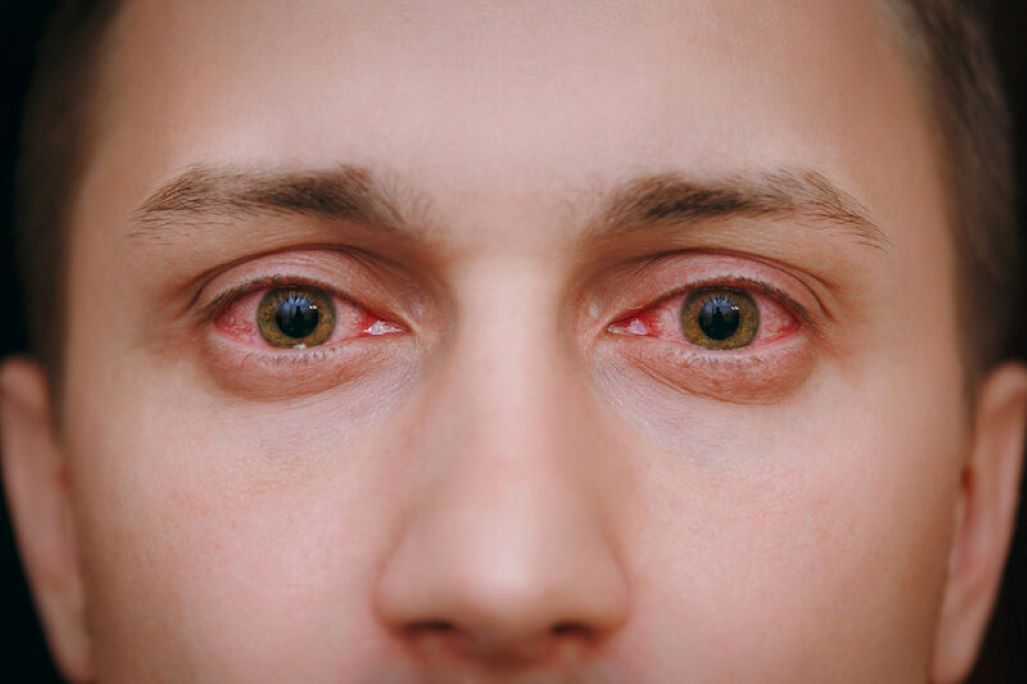
Red eyes are a common problem that almost everyone experiences at some point. They can be as simple as a sign of fatigue or as serious as a warning of an eye condition that requires immediate attention. Understanding the possible causes and knowing when to see a doctor is essential to protect your vision.
In this blog, we will explain the common causes of red eyes, serious conditions linked to redness, and when you should seek medical help.
What Happens When Eyes Turn Red?
Your eyes appear red when the tiny blood vessels on the surface of your eyes (the conjunctiva) become enlarged or irritated. This gives your eyes a reddish or bloodshot appearance. Redness can affect one or both eyes and may be accompanied by other symptoms like itching, pain, discharge, or blurred vision.
Common Causes of Red Eyes
1. Allergies
Allergic reactions are one of the most common causes of red eyes. Allergens like dust, pollen, pet dander, smoke, or perfumes can cause irritation, which can lead to redness, itching, watery eyes, and swelling.
2. Dry Eyes
Long screen time, air conditioning, wind or dry weather can dry out the eyes. Dryness irritates the eyes and results in redness, a gritty feeling, and blurred vision.
3. Conjunctivitis (Pink Eye)
Conjunctivitis is an infection or inflammation of the conjunctiva caused by bacteria, viruses, or allergies. It makes the eyes red, itchy or gritty, and watery, often with a sticky discharge. Infective conjunctivitis spreads easily, so wash your hands often and do not share towels.
4. Eye Fatigue / Digital Eye Strain
Looking at screens (mobiles, computers, TVs) for long periods can cause eye strain, making your eyes red and tired. Blinking less while using screens worsens the dryness.
5. Contact Lens Overuse or Poor Hygiene
Wearing contact lenses for too long or sleeping with them can deprive your eyes of oxygen, causing redness. Dirty lenses or improper lens care also increase the risk of eye infections.
6. Injury or Foreign Body in the Eye
Small particles like dust, sand, or an eyelash can irritate the eye, causing redness and discomfort. Injuries or scratches on the cornea (the clear front layer of the eye) also cause redness and pain.
Serious Causes of Red Eyes(When It’s More Than Just Irritation)
While many causes of red eyes are harmless, some conditions can be serious and lead to permanent damage if untreated. These include:
1. Glaucoma
Glaucoma is a condition that damages the optic nerve, often linked to raised pressure inside the eye. Acute angle-closure glaucoma is a medical emergency and may cause sudden severe redness, eye pain, headache, nausea or vomiting, halos around lights, and blurred vision. Go to an emergency department straight away or call 108 or 112.
2. Uveitis
Uveitis is the inflammation of the uvea, the middle layer of the eye. It may cause redness, severe pain, blurred vision, and sensitivity to light. Uveitis can result from infections, autoimmune diseases, or unknown causes. Prompt medical care is essential.
3. Scleritis
Scleritis is a rare but painful inflammation of the sclera (the white part of the eye). It often occurs in people with autoimmune diseases like rheumatoid arthritis. It causes severe redness, deep eye pain, and blurred vision.
4. Corneal Ulcer
A corneal ulcer is an open sore on the cornea caused by infections, injury, or contact lens misuse. Symptoms include redness, eye pain, watery eyes, discharge, and vision changes. If left untreated, it can lead to permanent vision loss.
Other Possible Causes:
- Blepharitis (Eyelid inflammation)
- Subconjunctival Hemorrhage (Broken blood vessel, appears as a bright red patch)
- Smoke or alcohol
- Chlorine from swimming without goggles
- Certain medications causing dryness
When Should You See a Doctor?
Red eyes are common, but some signs need urgent care. Go to an emergency department straight away or call 108 or 112 if a red eye comes with:
✅ Severe eye pain, or a severe headache with feeling sick
✅ Sudden changes in vision, such as blurring, wavy lines, flashes or vision loss
✅ Pain when looking at light
✅ An injury, something stuck in the eye, or a chemical in the eye
✅ One pupil larger than the other
See an ophthalmologist soon if you have redness that doesn’t improve within a few days, thick discharge or swelling around the eyes, a red eye while wearing contact lenses, a red eye in a newborn baby, or a history of eye diseases like glaucoma or uveitis.
Prompt diagnosis and treatment can prevent serious complications.
Diagnosis & Treatment
Your eye specialist will perform a detailed eye examination to find the cause of the redness. Based on the diagnosis, treatment may include:
🔹 Eye drops or ointments – only as prescribed for the cause your doctor finds
🔹 Medications – For infections or inflammation
🔹 Cold compress – To reduce swelling and irritation
🔹 Avoiding triggers – Like dust, smoke, and allergens
🔹 Proper contact lens care – Cleaning and replacing lenses regularly
🔹 Surgery or laser treatment – In severe cases like glaucoma
How to Prevent Red Eyes?
✅ Follow proper contact lens hygiene
✅ Use protective eyewear while swimming or working in dusty areas
✅ Take regular breaks from screens
✅ Keep your eyes hydrated with lubricating drops if needed
✅ Avoid rubbing your eyes
✅ Get regular eye check-ups, especially if you have a history of eye diseases
Final Thoughts
While most cases of red eyes are harmless and go away on their own, some can signal serious health conditions. Pay attention to your symptoms, and don’t hesitate to consult an eye specialist if you experience severe or persistent redness, pain, or vision changes.
Early diagnosis and treatment are key to protecting your eyesight.
👁 The eye care (ophthalmology) department at Chetna Multispeciality Hospital, Sambhajinagar, Chinchwad provides eye check-ups, diagnosis and treatment.
Call 91686 90442 to book a check-up.
For Consultation Contact us on 91686 90442 / 9158681123
Website – www.chetnahospital.co.in
Address – Chetna Hospital, Sambhajinagar, MIDC, G Block, Near Rotary Club, Chinchwad 411019
General health information, not a diagnosis. Reviewed and updated by Chetna Hospital’s content team with the help of AI writing tools, November 2026.