
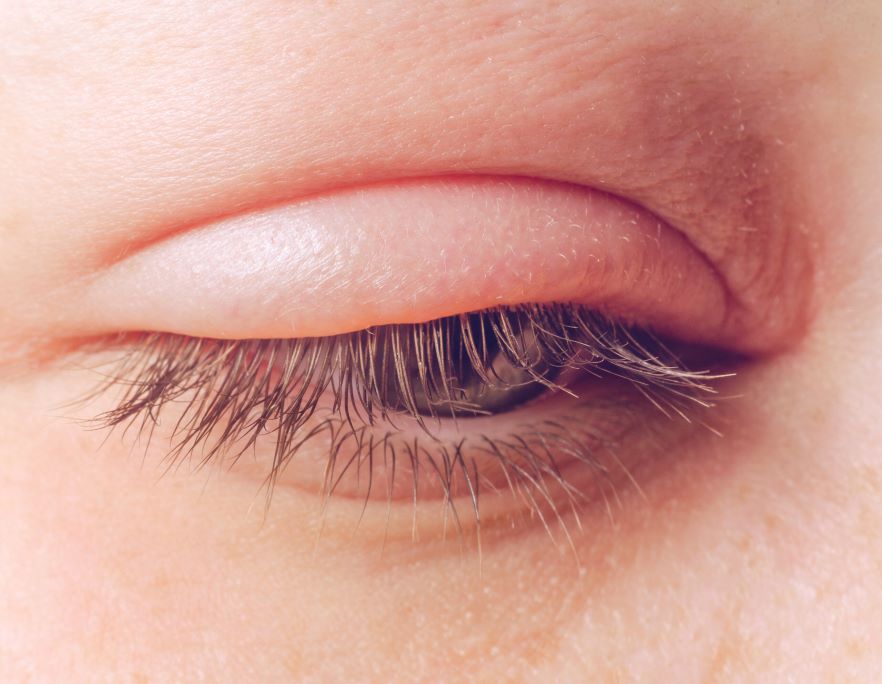
Puffy eyes are something almost everyone experiences at some point in life. For many, it is a temporary condition that happens after a late night, crying, or even after eating salty food. The skin around the eyes is delicate and thinner than most other parts of the body, which makes it more prone to swelling. While mild puffiness may not be a major concern, persistent or severe swelling around the eyes can sometimes be a sign of an underlying medical condition.
In this blog, we will explore the medical causes of puffy eyes, how to recognize them, and when it’s time to consult a doctor.
What Are Puffy Eyes?
Puffy eyes refer to swelling in the tissues around the eyes, particularly the eyelids. This swelling may be mild and temporary or more pronounced and long-lasting. Puffiness can affect one or both eyes, and in some cases, it may also be associated with redness, irritation, or pain.
It is important to understand the difference between temporary puffiness (often due to lifestyle factors like lack of sleep or excessive salt intake) and medically-related puffiness, which requires professional attention.
Medical Causes of Puffy Eyes
1. Allergies
Allergies are one of the most common causes of puffy eyes. When the body comes into contact with allergens like dust, pollen, pet dander, or certain foods, the immune system releases histamine. Histamine triggers blood vessel dilation and fluid leakage into surrounding tissues, which leads to swelling, redness, and itchiness around the eyes.
Key signs of allergy-related puffiness include:
- Itching and watering of the eyes
- Redness in the eyes or eyelids
- Puffy eyelids, especially after exposure to allergens
Treatment involves avoiding the trigger where possible, and allergy medicines or eye drops advised by a doctor or pharmacist.
2. Eye Infections
Infections of the eye or eyelids are another medical cause of puffiness.
- Conjunctivitis (Pink Eye): This is inflammation of the conjunctiva, often caused by bacteria, viruses, or allergens. Along with puffiness, patients experience redness, itching, and discharge.
- Styes: These are bacterial infections of the oil glands in the eyelid. They cause localized swelling, tenderness, and sometimes pus.
- Cellulitis: A serious bacterial infection of the eyelid and the tissues around the eye that causes swelling, redness and pain, sometimes with fever. It needs medical treatment the same day. Go to the nearest emergency department straight away, or call 108 or 112, if the swelling comes with fever, pain when moving the eye, a bulging eye, double vision or any change in vision, especially in a child.
If puffiness is accompanied by pain, discharge, or fever, medical evaluation is necessary.
3. Thyroid Disorders
Thyroid problems, particularly Graves’ disease (an autoimmune condition that causes overactive thyroid), can lead to a condition called thyroid eye disease. In this condition, the immune system mistakenly attacks the muscles and tissues around the eyes, causing swelling, bulging, and sometimes double vision.
Signs of thyroid-related puffiness include:
- Bulging eyes
- Dryness and irritation
- Puffy or swollen eyelids
- Difficulty closing the eyes completely
Since thyroid disorders affect the entire body, treatment requires a combination of thyroid management and eye care.
4. Kidney, Heart, or Liver Conditions
Fluid retention in the body is another significant cause of puffy eyes. The kidneys, heart, and liver play a vital role in balancing fluid levels. When these organs do not function properly, excess fluid accumulates in different parts of the body, including the delicate tissues under the eyes.
How to identify:
- Swelling is usually worse in the morning
- Puffiness is often associated with swelling in the legs, feet, or hands
- Patients may also notice fatigue, shortness of breath, or changes in urine output
Puffiness that lasts, especially with other symptoms like these, should be checked by a doctor, as it can be a sign of a problem elsewhere in the body.
5. Sinus Infections and Inflammation
The sinuses are located close to the eyes. When they become congested or inflamed due to sinusitis, pressure builds up in the surrounding tissues, causing puffiness under the eyes.
Typical symptoms include:
- Puffy or swollen eyes, especially in the morning
- Nasal congestion
- Headache or pressure around the forehead and cheeks
- Post-nasal drip
Treating the sinus infection or inflammation usually resolves the puffiness.
6. Dermatitis and Skin Conditions
Certain skin conditions like eczema or contact dermatitis can cause swelling around the eyes. Because the eyelid skin is very thin, it is more prone to irritation and inflammation. These conditions may be triggered by cosmetics, skincare products, or environmental irritants.
7. Aging and Genetics
Not all puffiness is due to disease. With age, the tissues and muscles supporting the eyelids weaken, causing sagging skin and herniation of fat pads. Genetics also play a strong role. If your parents or grandparents had puffy eyes, there’s a good chance you may too.
When to See a Doctor
Most cases of puffy eyes are harmless and temporary. However, you should seek medical attention if:
- Puffiness appears suddenly without an obvious cause
- It is accompanied by pain, redness, fever, or pus
- Only one eye is affected
- You have vision changes like blurriness or double vision
- You have other symptoms of systemic illness (shortness of breath, swelling in other parts of the body, fatigue)
Tips to Reduce Puffy Eyes
Along with medical treatment, lifestyle changes can help reduce puffiness:
- Get 7–8 hours of quality sleep each night
- Reduce salt intake to minimize fluid retention
- Drink enough water through the day
- Use a cool compress (a clean cloth soaked in cool water) for temporary relief
- Manage allergies as advised by a doctor or pharmacist
- Always remove makeup before bed
- Limit alcohol and avoid smoking
Conclusion
Puffy eyes are often dismissed as a minor cosmetic concern, but they can sometimes be a sign of something more serious. Allergies, infections, thyroid disease, kidney or heart problems, sinusitis, and even skin conditions can all contribute to swelling around the eyes. While mild puffiness may not need treatment, persistent or severe swelling should be evaluated by a doctor to rule out underlying conditions.
Your eyes are not only the window to your soul—they can also reflect your overall health. Paying attention to changes like persistent puffiness could help in early detection of medical issues.
If you are struggling with frequent or severe puffiness, consult an eye specialist. The right diagnosis and treatment can protect not just your eyes, but your health as a whole.
Call 91686 90442 (eye department) or 9158681123 (main hospital line) to book a check-up.
Website – www.chetnahospital.co.in
Address – Chetna Hospital,
Sambhajinagar, MIDC, G Block, Near Rotary Club, Chinchwad 411019
General health information, not a diagnosis. Reviewed and updated by Chetna Hospital’s content team with the help of AI writing tools, November 2026.