Table of Contents
- The Silent Crisis in IT Workplaces
- Understanding Poor Posture in IT Professionals
- Common Posture Problems Among IT Workers
- Health Consequences of Poor Posture
- The Chinchwad IT Scene and Rising Health Concerns
- Effective Posture Correction Techniques
- Workplace Ergonomics for Better Posture
- Exercise and Stretching Solutions
- Professional Treatment at Chetna Hospital
- Creating Healthy Work Habits
- Technology Solutions for Posture Monitoring
The Silent Crisis in IT Workplaces for Posture Correction for IT professionals
Are you one of those IT professionals who feels like your body is constantly fighting against you? Moreover, if you spend countless hours hunched over a computer screen, you’re not alone. Posture correction for IT professionals has become a pressing need in today’s tech-driven world. Furthermore, thousands of software engineers, developers, and IT specialists are discovering that their dream careers might be silently damaging their health.
Additionally, the rise of remote work has made this problem even worse. Therefore, understanding how to maintain proper posture while working long hours is crucial for your long-term health and career success.
Understanding Poor Posture correction for IT professionals
What Causes Poor Posture in Tech Workers?
First and foremost, the nature of IT work naturally leads to poor posture habits. Subsequently, sitting for 8-12 hours daily creates a perfect storm of physical problems. Moreover, the following factors contribute to posture issues:
- Extended sitting periods without proper breaks
- Screen positioning that forces neck craning
- Inadequate chair support for the lower back
- Poor desk height is causing shoulder strain
- Stress and deadlines lead to muscle tension
Furthermore, many IT professionals develop what experts call “tech neck” and “computer hunch.” Consequently, these conditions can become permanent if left untreated.
The Psychology Behind Poor Posture
Interestingly, poor posture isn’t just about physical setup. Additionally, mental stress and work pressure often cause people to unconsciously slouch or tense up. Therefore, addressing posture correction involves both physical and mental aspects.
Common Problems in Posture correction Among IT professionals
Forward Head Posture
Notably, this is the most common issue among IT professionals. Furthermore, when your screen is too low or far away, you naturally push your head forward. Consequently, this creates a chain reaction of muscle imbalances throughout your body.
Rounded Shoulders
Similarly, typing and mouse work cause your shoulders to roll inward. Moreover, this position becomes your body’s default over time. Therefore, your chest muscles become tight while your back muscles become weak and stretched.
Upper Crossed Syndrome
Additionally, this condition combines forward head posture with rounded shoulders. Subsequently, it creates an “X” pattern of muscle imbalances. Furthermore, tight muscles in your neck and chest work against weak muscles in your deep neck flexors and middle trapezius.
Lower Back Problems
Meanwhile, sitting for long periods puts enormous pressure on your lower back. Moreover, poor chair support and slouching make this problem worse. Consequently, many IT professionals develop chronic lower back pain.
Text Neck
Finally, constantly looking down at phones and tablets adds another layer of neck strain. Furthermore, this problem has increased dramatically with remote work and increased device usage.
Health Consequences of Posture correction for IT professionals
Immediate Effects: Posture correction for IT professionals
First, poor posture causes immediate discomfort and pain. Additionally, you might experience:
- Neck pain and stiffness
- Shoulder tension and headaches
- Upper and lower back pain
- Eye strain and fatigue
- Reduced energy levels
Long-term Health Issues in Desk Ergonomics
Moreover, chronic poor posture can lead to serious health problems:
- Herniated discs in the spine
- Chronic pain syndromes
- Reduced lung capacity from a compressed chest
- Digestive issues from compressed organs
- Increased risk of arthritis
Impact on Work Performance: Posture correction for IT professionals
Furthermore, poor posture directly affects your professional performance. Consequently, pain and discomfort reduce focus and productivity. Additionally, frequent sick days and medical appointments disrupt work schedules.
The Chinchwad IT Scene and Rising Health Concerns
Growing IT Hub
Chinchwad has become a major IT destination in recent years. Moreover, thousands of professionals work in software parks and tech companies throughout the area. However, with this growth comes increased health concerns.
Rising Awareness
Fortunately, Chinchwad’s IT professionals are turning to posture correction solutions more than ever before. Additionally, companies are beginning to recognize the importance of employee health. Therefore, many organizations now invest in ergonomic equipment and wellness programs.
Local Health Trends: Posture correction for IT professionals
Furthermore, physiotherapy centers and wellness clinics report increasing numbers of IT workers seeking treatment. Moreover, the average age of patients with posture-related problems has decreased significantly. Consequently, young professionals in their twenties and thirties now commonly seek posture correction help.
Effective Posture Correction Techniques: Postural Re-education
The 20-20-20 Rule
First and most importantly, take regular breaks from your computer screen. Moreover, every 20 minutes, look at something 20 feet away for 20 seconds. Additionally, use this time to check and adjust your posture.
Desk Stretches: Posture correction for IT professionals
Furthermore, incorporate simple stretches into your workday:
Neck Stretches
- Side neck stretches: Gently tilt your head to each side
- Neck rotations: Slowly roll your head in circles
- Chin tucks: Pull your chin back to align your head over your shoulders
Shoulder and Back Stretches
- Shoulder blade squeezes: Pull your shoulder blades together
- Doorway stretches: Stretch your chest muscles in a doorframe
- Spinal twists: Gently rotate your torso while seated
Strengthening Exercises: Posture correction for IT professionals
Additionally, building strength in key muscle groups helps maintain good posture:
Core Strengthening
- Planks: Build overall core stability
- Dead bugs: Improve core control and coordination
- Bird dogs: Strengthen your back and glutes
Back Strengthening
- Rows: Strengthen your rhomboids and middle trapezius
- Face pulls: Target your posterior deltoids
- Reverse flies: Open up your chest and strengthen your back
Workplace Ergonomics for Better Posture
Monitor Positioning
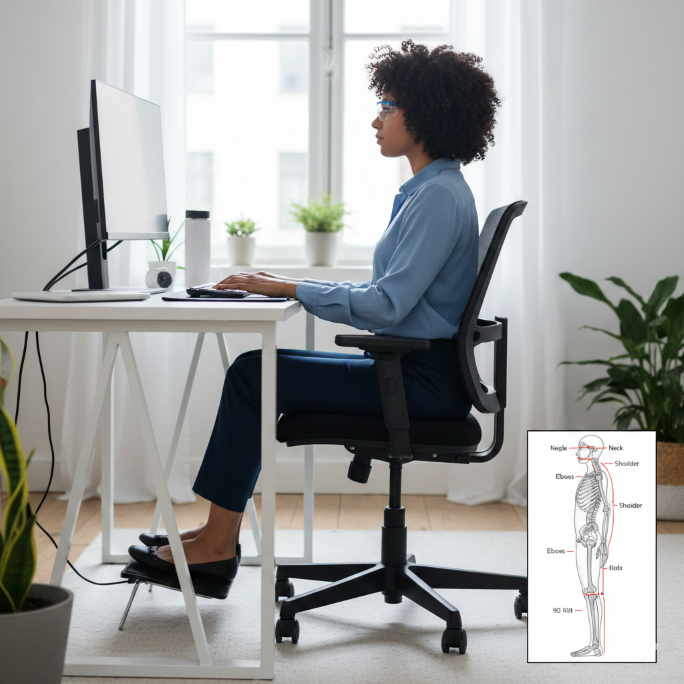
First, your screen should be at eye level or slightly below. Moreover, the top of your monitor should align with your eyes when looking straight ahead. Additionally, position your screen about arm’s length away.
Chair Setup
Furthermore, invest in a quality ergonomic chair that supports your natural spine curves. Moreover, your feet should rest flat on the floor with your knees at a 90-degree angle. Additionally, your chair should support your lower back’s natural curve.
Keyboard and Mouse Placement
Meanwhile, keep your keyboard and mouse at elbow height. Moreover, your wrists should remain in a neutral position while typing. Additionally, consider using an ergonomic keyboard and mouse pad with wrist support.
Desk Height and Organization
Similarly, your desk should allow your arms to rest comfortably at your sides. Furthermore, frequently used items should be within easy reach. Moreover, avoid twisting or reaching repeatedly throughout the day.
Effective Exercise and Stretching Solutions to Posture correction for IT professionals
Morning Routine
Start your day with gentle stretches to prepare your body for work. Moreover, a 10-minute morning routine can prevent stiffness and pain. Additionally, focus on opening up your chest and strengthening your back muscles.
Workday Breaks
Furthermore, take short movement breaks every hour. Additionally, simple desk stretches can counteract the effects of prolonged sitting. Moreover, even a quick walk around the office helps reset your posture.
Evening Recovery
Finally, end your workday with exercises that reverse the damage of poor posture. Moreover, focus on stretching tight muscles and strengthening weak ones. Additionally, consider yoga or pilates for overall body awareness and strength.
Weekend Activities
Meanwhile, use weekends for more intensive posture correction activities. Furthermore, swimming, hiking, or playing sports can help balance out weekday sitting. Moreover, these activities strengthen your entire body and improve overall health.
Professional Treatment at Chetna Hospital
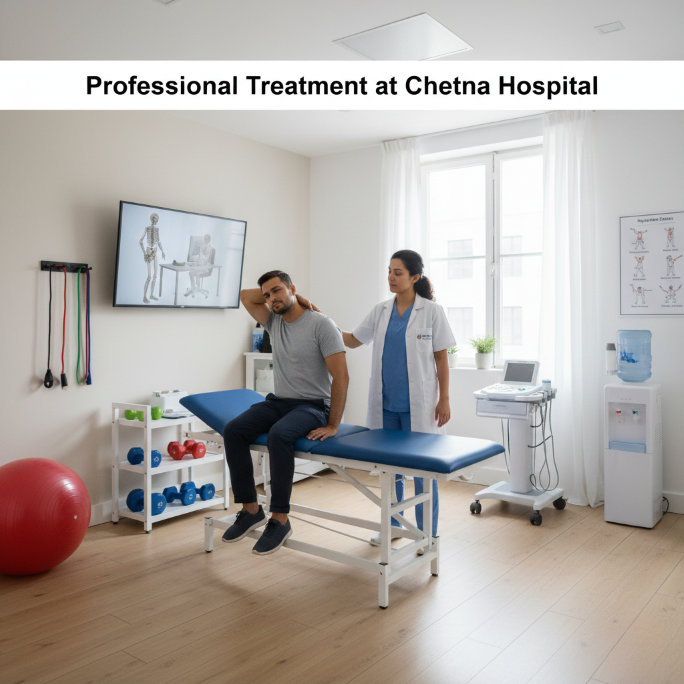
Next Gen Rehab & Physiotherapy Centre
Ready to take control of your posture and health? Chetna Hospital’s Next Gen Rehab & Physiotherapy Centre offers specialized treatment for IT professionals dealing with posture-related problems. Moreover, their team understands the unique challenges faced by tech workers.
Specialized Services for IT Professionals
Furthermore, Chetna Hospital provides comprehensive posture correction programs specifically designed for IT professionals:
Advanced Physiotherapy
- Manual therapy techniques to address muscle imbalances
- Postural re-education programs
- Ergonomic assessments and recommendations
- Exercise prescription tailored to your specific needs
Cutting-edge Technology
- Postural analysis systems for precise assessment
- Electrotherapy treatments for pain relief
- Biofeedback training for posture awareness
- Laser therapy for tissue healing
Holistic Approach
- Lifestyle counseling for sustainable changes
- Stress management techniques
- Nutrition guidance for overall health
- Follow-up programs to maintain progress
Why Choose Chetna Hospital?
Additionally, Chetna Hospital specializes in treating modern lifestyle-related health issues. Moreover, their physiotherapy team has extensive experience working with IT professionals. Furthermore, they offer flexible appointment schedules that work with demanding tech careers.
Unique Specialties Include:
- Corporate wellness programs for IT companies
- On-site ergonomic assessments
- Group therapy sessions for teams
- Preventive care programs
- Advanced postural correction techniques
Don’t let poor posture derail your career success! Contact Chetna Hospital Next Gen Rehab & Physiotherapy Centre today to schedule your posture assessment and start your journey to better health.
Creating Healthy Work Habits for better Posture correction for IT professionals
Time Management for Health
Moreover, incorporating health breaks into your work schedule is crucial. Additionally, use calendar reminders to prompt posture checks and stretching breaks. Furthermore, treat these health breaks as non-negotiable appointments with yourself.
Building Awareness
Similarly, developing body awareness throughout the day helps maintain good posture. Moreover, regular posture checks become automatic with practice. Additionally, asking colleagues to remind each other creates a supportive environment.
Gradual Implementation
Furthermore, don’t try to change everything at once. Moreover, start with one or two improvements and gradually add more. Additionally, small, consistent changes create lasting habits better than dramatic overhauls.
Technology Solutions for Posture Monitoring
Posture Apps and Reminders
Additionally, numerous smartphone apps can help monitor and improve your posture. Moreover, these tools provide regular reminders and track your progress over time. Furthermore, many apps offer personalized exercise routines and stretching programs.
Wearable Devices
Similarly, posture-monitoring devices can provide real-time feedback about your position. Moreover, these tools vibrate or alert you when you slouch or maintain poor posture for too long. Additionally, the data helps you understand your posture patterns throughout the day.
Smart Office Equipment for Posture Correction for IT professionals
Furthermore, adjustable desks and smart chairs can help maintain better posture. Moreover, these investments pay for themselves through improved health and productivity. Additionally, many companies now provide ergonomic equipment as standard workplace amenities.
Posture correction for IT professionals isn’t just about comfort – it’s about protecting your long-term health and career longevity. Moreover, the combination of proper ergonomics, regular exercise, professional treatment, and healthy habits creates a comprehensive approach to posture improvement. Furthermore, with resources like Chetna Hospital’s specialized programs and growing awareness in places like Chinchwad, IT professionals have more support than ever before.
Therefore, take action today to address your posture concerns. Additionally, remember that small changes can lead to significant improvements over time. Moreover, investing in your physical health is investing in your professional future. Start your posture correction journey now – your body and career will thank you!
Frequently Asked Questions (FAQs): Posture correction for IT professionals
1. How many sessions do I need for posture correction? While immediate relief can be felt in 1–3 sessions, structural changes usually take 6–8 weeks of consistent therapy and exercise.
2. Can physiotherapy help with headaches? Yes. Many “Tension Headaches” are actually cervicogenic, meaning they originate from neck stiffness and poor posture.
3. Is posture correction painful? No. While some manual release techniques may feel “intense,” the overall goal is to reduce pain and increase comfort.
4. Do I need to buy expensive ergonomic chairs? Not necessarily. Most existing setups can be optimized with simple adjustments like footrests or lumbar rolls.
5. Is this covered by insurance? Many corporate health policies in PCMC cover physiotherapy. We recommend checking with your provider for specific “Rehab” inclusions.