Your eyes may feel perfectly normal. There’s no redness, no pain, and your vision might be clear. Yet the pressure inside your eyes could be higher than normal without you noticing. This is called ocular hypertension. It raises the risk of glaucoma, an eye disease that can cause permanent sight loss.
Here is what ocular hypertension is, why it matters, and how it is checked and managed.
What is Ocular Hypertension?
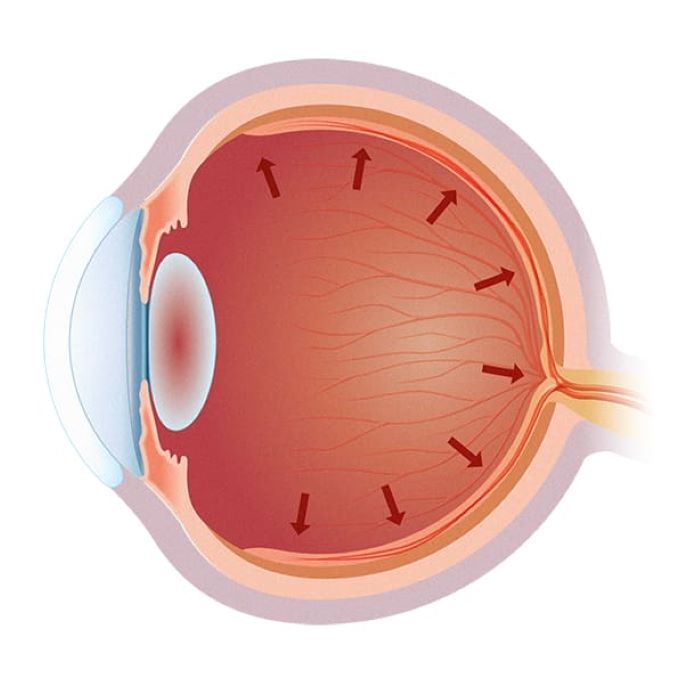
Ocular hypertension occurs when the pressure inside your eye (called intraocular pressure or IOP) is higher than normal. Normal eye pressure is usually about 11 to 21 mmHg. When it is above 21 mmHg at two or more visits, without any signs of optic nerve damage or vision loss, it is called ocular hypertension.
Ocular hypertension itself does not cause vision problems. Not everyone with it will develop glaucoma, but the risk is higher, which is why eye doctors keep a close watch on it.
Why Does It Matter?
Ocular hypertension usually has no symptoms: no pain, no change in vision and no discomfort. It is usually found only when eye pressure is measured during an eye test.
If raised pressure starts to damage the optic nerve, the condition becomes glaucoma, which can cause permanent vision loss. Vision lost to glaucoma cannot be restored, so regular checks help find and treat changes early.
Who is at Risk?
While anyone can develop ocular hypertension, certain people are more prone to it. Risk factors include:
- Age over 40
- Family history of glaucoma
- Diabetes or high blood pressure
- Thin corneas
- High short-sightedness (myopia)
- Long-term steroid use
- Previous eye injury or surgery
If you fall into any of these categories, regular eye exams are especially important.
How is it Diagnosed?
Ocular hypertension is diagnosed through a comprehensive eye check-up. Key tests include:
- Tonometry: Measures intraocular pressure.
- Pachymetry: Measures corneal thickness.
- Gonioscopy: Examines the drainage angle of the eye.
- Optic nerve imaging or OCT: To ensure there’s no nerve damage.
- Visual field test: Checks for peripheral vision loss.
Can It Be Treated?
Yes. If you’re diagnosed with ocular hypertension, your doctor may:
- Monitor you closely with regular follow-ups.
- Prescribe eye drops to lower eye pressure and reduce the risk of glaucoma. These must be used exactly as prescribed.
- Recommend laser treatment or, rarely, surgery in some cases.
The goal is to lower the risk of glaucoma. Treatment reduces the risk but does not remove it completely, so follow-up visits are still needed.
Regular Eye Check-ups
The only way to catch ocular hypertension early is through regular eye check-ups. If you are over 40 or have any risk factors, have your eyes checked regularly, as often as your eye doctor advises. Sudden severe eye pain with redness, headache, nausea or blurred vision is different: go to the nearest emergency department straight away or call 108 or 112.
Call 91686 90442 (eye department) or 9158681123 (main hospital line) to book a check-up.
Website – www.chetnahospital.co.in
Address – Chetna Hospital,
Sambhajinagar, MIDC, G Block, Near Rotary Club, Chinchwad 411019
General health information, not a diagnosis. Reviewed and updated by Chetna Hospital’s content team with the help of AI writing tools, November 2026.