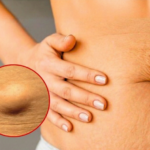
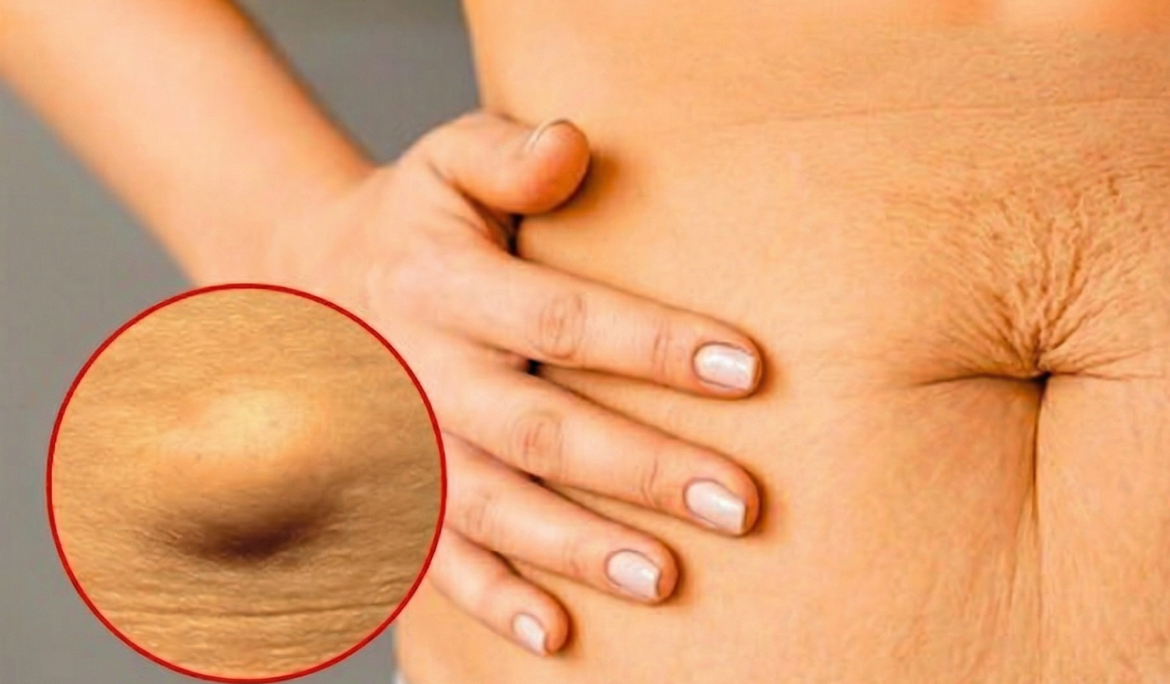
Finding a soft, movable lump under your skin can feel worrying at first. In many cases, though, it turns out to be a lipoma—a harmless fatty growth that affects millions of people worldwide. While most of these lumps don’t cause serious problems, understanding lipoma treatment options and knowing when to seek medical advice can help you make confident, informed decisions about your health.
Surgeon: Dr. Dhananjay Patil, MS (General Surgery), 44 Years Experience.
Location: Chetna Hospital, Sahakari Bank Road, Chinchwad (5 mins from Chaphekar Chowk).
Coverage: Serving Wakad, Nigdi, Ravet, Akurdi, and Pimpri.
Procedure: Same-day discharge (Daycare surgery available).
What Are Lipomas?
Understanding Lipomas
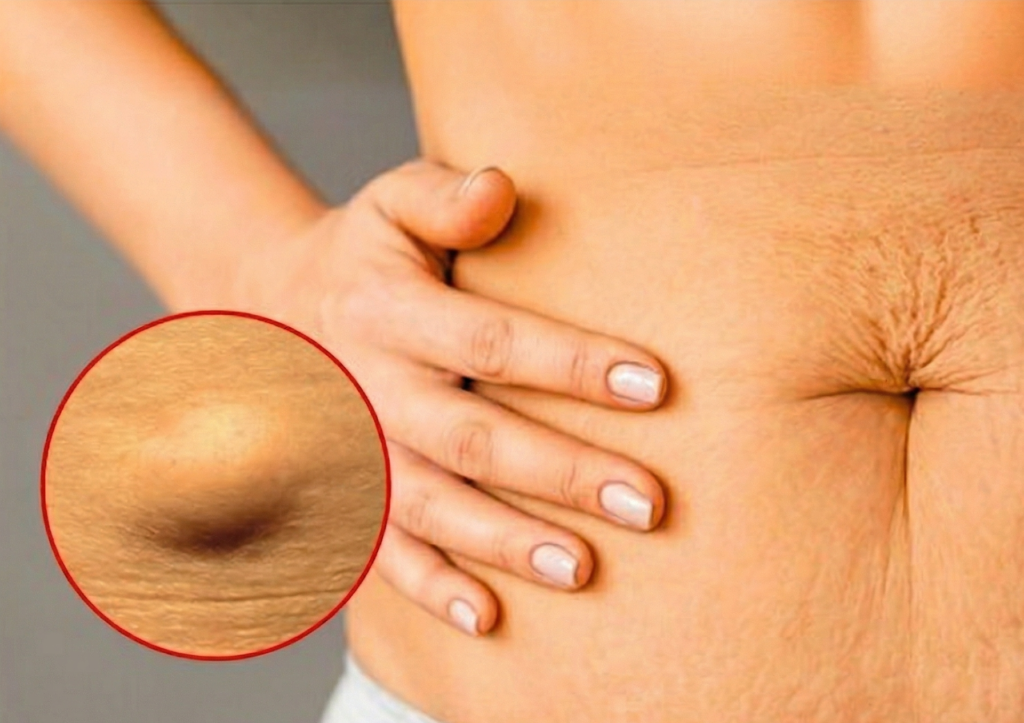
When people search for lipoma treatment, they usually start with one simple concern: “What exactly is this lump under my skin?” That question matters because understanding lipomas helps you decide whether you need treatment at all. A lipoma is a soft, non-cancerous growth made of fat cells that develops just beneath the skin. It often feels doughy and moves easily when touched, which makes it quite different from more serious lumps.
Most importantly, lipomas grow slowly and rarely cause harm. However, many people still explore lipoma treatment options because these growths can become noticeable or uncomfortable over time. While some remain small and harmless for years, others may gradually increase in size. Because of this, recognizing early signs and understanding available treatments can help you stay in control of your health.
Think of a lipoma like a small cushion of fat sitting under your skin. It doesn’t invade nearby tissues or spread elsewhere, which makes it benign. Still, ignoring changes completely isn’t wise. If you notice growth, discomfort, or unusual changes, you should consider a medical evaluation. That’s where proper lipoma treatment guidance becomes essential.
Lipoma vs. Liposarcoma: When is a Lump Serious?
While most fatty lumps are harmless, it is vital to distinguish a benign lipoma from a rare cancerous growth called Liposarcoma.
| Feature | Benign Lipoma | Potential Liposarcoma (Red Flags) |
| Growth Rate | Very slow (years) | Rapidly increasing in size |
| Texture | Soft, doughy, and moves easily | Firm, hard, or fixed in place |
| Pain | Usually painless | Often painful or tender |
| Size | Typically under 5cm | Often larger than 5cm (golf ball size+) |
| Location | Just under the skin | Can feel deeper in the muscle |
Pro Tip from Dr. Dhananjay Patil: If your lump is growing quickly or feels “stuck” to the underlying tissue, schedule an ultrasound or biopsy at Chetna Hospital immediately to rule out malignancy.
Specific Anesthesia Types for Removal
At Chetna Hospital, Chinchwad, we customize the numbing process based on the lipoma’s size and your comfort:
- Local Anesthesia: For small, superficial lipomas. You stay awake; only the area is numbed.
- Twilight Sedation (MAC): You are relaxed and drowsy but breathing on your own. Ideal for multiple lipomas.
- General Anesthesia: Reserved for very large or deep-seated lipomas (e.g., sub-muscular) to ensure total patient comfort.
Rare Conditions: Dercum’s & Madelung’s Disease
If you have dozens of painful lumps, you may not have “simple” lipomas.
- Dercum’s Disease: Multiple painful lipomas, often associated with fatigue.
- Madelung’s Disease: Large fat deposits around the neck and shoulders, often requiring specialized surgical contouring.
Questions to Ask Dr. Dhananjay Patil During Your Consult
To make the most of your visit to Chetna Hospital, consider asking:
- “Is this lump purely cosmetic, or is it pressing on a nerve?”
- “What is the risk of recurrence in this specific area?”
- “Will the incision be placed along natural skin tension lines to minimize scarring?”
- “Does my insurance cover this as a ‘medically necessary’ excision?”
Insurance & Cost Guidance
- Medical Necessity: If a lipoma causes pain, limits movement, or shows suspicious growth, most insurance providers (and TPA panels at Chetna Hospital) cover the surgery.
- Cosmetic Removal: If the removal is purely for appearance, it may be considered out-of-pocket. Our billing desk can provide a clear estimate for PCMC residents.
Where Do Lipomas Commonly Appear?
Lipomas can appear almost anywhere, but they tend to favor certain areas. You will often find them on the arms, shoulders, back, neck, and thighs. These areas contain more fatty tissue, which makes them ideal spots for lipoma development. Sometimes, they also show up on the abdomen or buttocks, where they may interfere with daily comfort.
Some people develop a single lipoma, while others notice multiple lumps over time. When several lipomas appear, genetics often plays a role. In fact, a condition called familial multiple lipomatosis explains why some families experience recurring cases. If your relatives have had similar lumps, your chances may increase.
Because of their location, lipomas can create practical inconveniences. For example, one on your back may press against a chair, while another on your shoulder might rub against clothing. These small irritations often push people to explore treatment options. So, while lipomas remain harmless in most cases, their placement can influence your decision to remove them.
Patients from Wakad and Ravet often visit Chetna Hospital for localized lipoma concerns on the neck and back…
| Feature | Surgical Excision | Liposuction / Non-Surgical |
| Best For | Permanent removal (Low recurrence) | Small, multiple lipomas |
| Scarring | Minimal (Fine line) | Almost none |
| Recovery | 3-5 Days | 1-2 Days |
| At Chetna | Recommended for complete cure | Recommended for a complete cure |
Causes and Risk Factors
Role of Genetics
Doctors still study the exact cause of lipomas, but genetics clearly plays a major role. If someone in your family has had lipomas, your likelihood of developing them increases. This pattern appears frequently in clinical observations, which suggests a strong hereditary link.
Researchers believe that specific gene mutations trigger abnormal fat cell growth in certain areas. These cells then cluster together and form a lipoma. Although scientists continue to investigate the exact mechanism, the genetic connection remains undeniable. That is why doctors often ask about family history during consultations.
Understanding this link helps you manage expectations. You cannot change your genetics, but you can stay vigilant. When you know your risk, you can monitor your body more carefully and seek advice when needed.
Lifestyle and Other Factors
While genetics drives most cases, lifestyle factors may still contribute. Some experts suggest that minor injuries might trigger lipoma formation in certain individuals. For example, a bump or repeated pressure on an area could stimulate fat cell growth. However, researchers have not confirmed this theory completely.
Body weight may also influence how noticeable lipomas become. People with higher body fat might detect these lumps more easily. Still, lipomas do not result directly from poor lifestyle choices. Even highly active individuals with balanced diets can develop them.
Instead of focusing on blame, you should focus on awareness. Healthy habits support overall well-being, even if they do not prevent lipomas entirely. Regular exercise, balanced nutrition, and routine check-ups help you stay in control of your health.
When Should You Worry About a Lipoma?
Warning Signs to Watch
Most lipomas remain harmless, but certain changes should grab your attention immediately. For instance, if a lump starts growing rapidly over a few weeks, you should not ignore it. Lipomas typically grow slowly, so fast changes may signal something else.
You should also watch for texture changes. A lipoma usually feels soft and movable. If it becomes hard, fixed, or irregular, you need a medical evaluation. Pain also serves as a warning sign. While most lipomas do not hurt, persistent or worsening discomfort deserves attention.
Skin changes can provide additional clues. Redness, warmth, or discoloration over the lump may indicate inflammation or another condition. When you notice any of these signs, you should act promptly. Early evaluation helps rule out serious issues and gives you peace of mind.
Size and Growth Concerns
Size matters when you evaluate a lipoma. Small lipomas—typically under 2 inches—rarely cause problems. However, larger ones can interfere with movement or press against nearby structures. As a result, they may create discomfort or functional limitations.
In addition, large lipomas may affect your appearance, especially if they appear in visible areas. This can influence your confidence and daily interactions. Therefore, many people choose treatment even when no medical risk exists. Monitoring growth over time helps you decide the right moment to act.
How Lipomas Are Diagnosed
Physical Examination
Doctors usually diagnose lipomas through a simple physical exam. They feel the lump, assess its texture, and check how easily it moves. Because lipomas have a distinct feel, experienced doctors often identify them quickly.
Imaging and Tests
If anything seems unusual, doctors may recommend imaging tests such as an ultrasound or an MRI scan. These tests provide a clearer view of the lump’s size and depth. In rare cases, doctors may perform a biopsy to confirm the diagnosis. This step ensures that no serious condition gets overlooked.
Non-Surgical Treatment
Observation and Monitoring
Many small and painless lipomas do not require immediate action. Doctors often recommend a “watch and wait” approach, where the lump is monitored over time for any noticeable changes. This method works well when the lipoma does not cause discomfort or cosmetic concerns. Regular check-ups help track its size and ensure that no unusual symptoms develop. As a result, patients can avoid unnecessary procedures while staying informed about their condition.
Steroid Injections
In some cases, doctors may suggest steroid injections as a non-surgical option. These injections aim to shrink the lipoma by reducing fat cell size. While this approach does not completely remove the lump, it can make it less noticeable. However, results vary from person to person, and multiple sessions may be required. Because of this, it is usually recommended for smaller lipomas rather than larger ones.
Liposuction Technique
Liposuction offers another minimally invasive option for managing lipomas. This technique removes fatty tissue through a small incision, which helps reduce scarring. It works best for soft and well-defined lipomas. However, since the capsule may remain, there is a chance the lipoma could return. Even so, many patients prefer this option due to its quicker recovery time.
| Treatment Type | Procedure | Best For | Pros | Cons |
|---|---|---|---|---|
| Observation | Regular monitoring without active treatment | Small, painless lipomas | No risk, no cost, no downtime | Lipoma remains, may grow over time |
| Steroid Injections | Injection to shrink fat cells | Small lipomas | Non-surgical, quick procedure | Lipoma remains and may grow over time |
| Liposuction | Fat removal through small incision | Soft, larger lipomas | Minimal scarring, faster recovery | Capsule may remain, risk of recurrence |
| Surgical Excision | Complete removal of lipoma and capsule | Large or painful lipomas | Permanent solution, low recurrence (<5%) | Minor surgery, small scar |
| Minimally Invasive Surgery | Small incision with advanced tools | Visible or sensitive areas | Less scarring, quicker healing | Partial results may require multiple sessions |
Advanced Lipoma Removal Surgery at Chetna Hospital, Chinchwad
Excision-Based Lipoma Treatment
Surgeons perform a complete excision to remove the lipoma entirely. They remove both the fatty tissue and its capsule, which reduces the risk of recurrence to less than 5%. This method provides a permanent solution for most patients.
Advanced Lipoma Treatment Techniques
Modern techniques focus on smaller incisions and quicker recovery. Surgeons may use endoscopic tools or laser assistance to improve precision. These approaches reduce scarring while maintaining effectiveness.
Do You Really Need Surgery?
Medical vs Cosmetic Reasons
You do not always need surgery for a lipoma. If it stays small and painless, you can leave it alone safely. However, surgery becomes necessary when the lipoma causes pain, limits movement, or raises diagnostic concerns.
Cosmetic reasons also influence decisions. Many people choose removal to improve appearance or comfort. Ultimately, your decision depends on how the lipoma affects your daily life.
Recovery and Post-Treatment Care
Recovery usually progresses quickly after lipoma removal. You can return to normal activities within a few days in most cases. Proper wound care, rest, and follow-up visits support smooth healing. Over time, the scar fades, and normal function returns بالكامل.
Cost Considerations for Lipoma Treatment
Treatment costs vary based on size, location, and procedure type. Insurance often covers medically necessary removal, but cosmetic procedures may require out-of-pocket payment. Discussing costs in advance helps you plan effectively.
Prevention and Lifestyle Factors
You cannot fully prevent lipomas, but healthy habits still matter. Regular exercise, balanced nutrition, and routine check-ups improve overall health. Early detection allows you to address any concerns quickly.
Conclusion
Lipomas may seem concerning at first, yet they rarely pose serious health risks. When you understand their behavior, you can respond with confidence instead of fear. Monitoring changes, recognizing warning signs, and exploring treatment options give you full control over your health decisions.
Why Choose Dr. Dhananjay Patil for Lipoma Treatment?
When it comes to lipoma treatment, choosing the right surgeon makes all the difference. While many clinics offer basic removal procedures, patients often look for a combination of experience, precision, and personalized care—and that’s exactly what Dr. Dhananjay Patil provides.
Dr. Dhananjay Patil is a highly experienced General Surgeon based in Pimpri Chinchwad, Pune, known for handling both simple and complex lipoma cases with confidence. Over the years, he has successfully treated numerous patients using both non-surgical and advanced surgical techniques, ensuring minimal discomfort and optimal results.
What truly sets him apart, however, is his patient-first approach. Instead of rushing into surgery, he carefully evaluates each case and recommends the most suitable lipoma treatment plan—whether that means observation, minimally invasive removal, or complete surgical excision. As a result, patients receive treatment that is tailored to their specific condition, not a one-size-fits-all solution.
In addition, Dr. Dhananjay Patil focuses on:
- Accurate diagnosis to rule out serious conditions
- Minimal scarring techniques for better cosmetic outcomes
- Safe and hygienic surgical practices
- Clear communication and post-treatment guidance
Because of this comprehensive care approach, many patients trust him not just for treatment, but also for long-term health guidance.
📞 Book Consultation for Lipoma Treatment
If you’ve noticed a lump or are considering lipoma treatment, early evaluation can help you avoid complications and choose the right care plan.
📞 Contact Number: 083908 61787
📍 Location: View on Google Maps
Located in Chinchwad, Chetna Hospital provides easy access for patients from Sambhajinagar, Akurdi, Nigdi, and Ravet looking for a General Surgeon.
Consult Dr. Dhananjay Patil, General Surgeon, for expert diagnosis and personalized treatment recommendations.
Take the next step toward safe and effective treatment—schedule your consultation today.
Ans: The most effective lipoma treatment is complete surgical excision, where the doctor removes the entire lipoma along with its capsule. This method offers a permanent solution and carries a very low risk of recurrence. However, not every lipoma requires surgery, especially if it remains small and painless. In such cases, doctors may suggest monitoring or non-surgical options like steroid injections or liposuction. The right approach depends on the size, location, and symptoms, so a professional consultation helps determine the best treatment plan.
Ans: In most situations, lipomas do not pose a serious health risk because they are benign (non-cancerous). Many individuals live with them for years without needing any lipoma treatment. However, you should not ignore warning signs such as rapid growth, pain, or changes in texture. These symptoms may indicate the need for further evaluation. Getting a proper diagnosis ensures peace of mind and helps rule out other conditions.
Ans: Although no specific foods directly cause lipomas, dietary habits can influence overall health and may indirectly affect the need for lipoma treatment. Diets high in processed foods, unhealthy fats, refined sugars, and excessive alcohol can contribute to poor metabolic health and fat accumulation. Because of this, reducing fast food, packaged snacks, sugary drinks, and alcohol intake can be beneficial. Instead, choosing a balanced diet with fruits, vegetables, lean proteins, and healthy fats supports better long-term health.
Ans: Many people look for natural lipoma treatment methods, but no scientifically proven way exists to completely dissolve lipomas at home. While herbal remedies and dietary changes may support general wellness, they do not remove the fatty tumor. If the lipoma becomes uncomfortable or grows, medical treatments such as liposuction or surgical removal provide more reliable results. Consulting a doctor ensures safe and effective care.
Ans: No specific vitamin deficiency directly causes lipomas. However, maintaining proper nutrition supports overall health and may reduce the likelihood of needing lipoma treatment. Some theories suggest fat metabolism imbalances could contribute, but research has not confirmed a direct link. A well-balanced diet with essential vitamins and minerals remains important for general well-being.
Ans: Lipomas rarely shrink or disappear without lipoma treatment. In most cases, they stay the same size or grow slowly over time. Some non-surgical methods, like steroid injections, may reduce their size slightly, but they do not eliminate the lipoma. If the lump does not cause discomfort, doctors may recommend observation instead of immediate treatment.
📞 Book your consultation today with Dr. Dhananjay Patil, General Surgeon, for expert evaluation and personalized lipoma treatment recommendations.
Location – Sahakari Bank, Chetna Hospital, OPD 1, Ground Floor, Sambhaji Nagar Rd, next to Pimpri Chinchwad, Sambhajinagar, Chinchwad, Pune, Maharashtra 411019