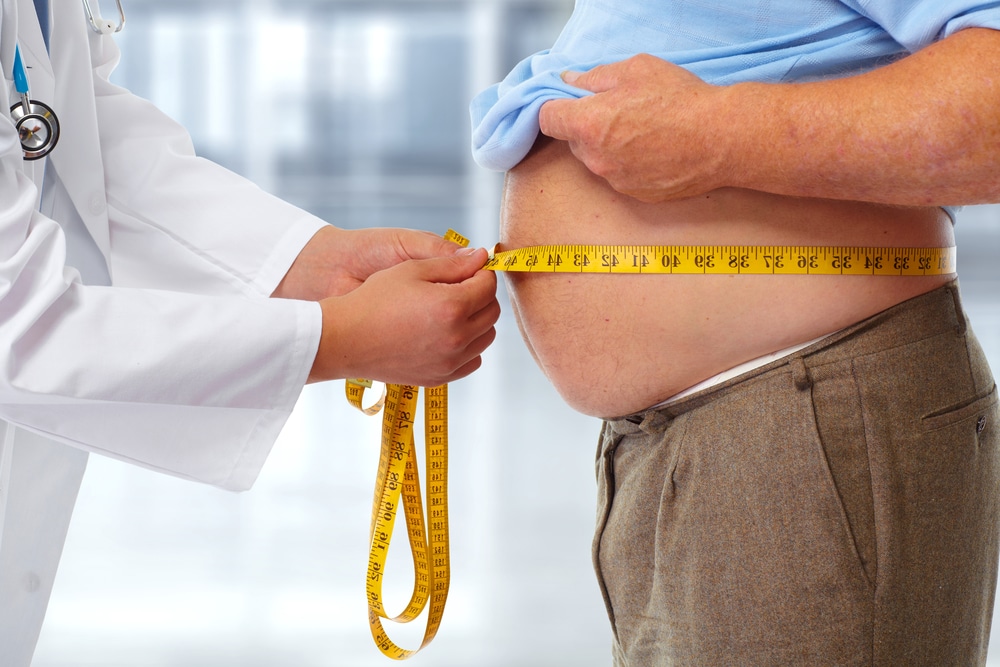
Obesity has become one of the most common health issues worldwide, and India—especially urban cities like Pune—is witnessing a sharp rise in weight-related medical problems. While most people associate obesity with diabetes, heart disease, or high cholesterol, one of the most overlooked consequences is its direct impact on spine health. Excess weight doesn’t just affect appearance—the spine, joints, nerves, and muscles bear a significant portion of the strain.
In this detailed article, we explore how obesity affects the spine, why back pain is more common in overweight individuals, and what steps can protect your spine from long-term damage.
This guide is especially helpful for people around Thergaon, Wakad, Hinjewadi, Ravet, and Pimpri-Chinchwad seeking expert advice from an Orthopaedic Spine Surgeon in Pune, such as Dr. Nirmal Patil.
What Is Obesity and Why Does It Affect the Spine?
Obesity is defined as excess accumulation of body fat that interferes with normal bodily functions. The human spine is designed to carry the body’s weight in a balanced proportion. When weight increases beyond healthy limits, the spine absorbs significantly more pressure.
Every additional kilogram of body weight increases the load on your spine multiple times. Over time, this causes the spinal structures to degenerate faster than usual, leading to chronic back pain and mobility problems.
How Extra Weight Damages the Spine
1. Increased Mechanical Load on the Spine
The lumbar (lower back) region is the foundation of the spinal column. It supports the entire upper body. When a person is overweight—especially around the abdomen—the spine must work harder to maintain posture and balance.
This excessive mechanical load leads to:
- Faster wear and tear of spinal discs
- Increased stress on spinal joints
- Reduced flexibility and endurance
As a result, many obese individuals in Pune report constant lower back pain and stiffness, particularly after long hours of sitting or standing.
2. Disc Degeneration and Herniation
The intervertebral discs act as cushions between the vertebrae. Extra body weight increases compression on these discs, leading to:
- Disc dehydration
- Bulging disc
- Herniated disc
- Early disc degeneration
A herniated disc can press against spinal nerves, causing radiating pain to the legs, numbness, tingling, or even weakness—a condition often called sciatica.
3. Poor Posture and Spinal Misalignment
Obesity often changes the center of gravity. Excess abdominal fat pulls the body forward, forcing the spine to adjust unnaturally.
This leads to:
- Increased lumbar lordosis (excessive inward curve)
- Sway-back posture
- Pelvic tilt
- Compensatory changes in the upper back and neck
Poor posture creates chronic muscle fatigue and strain, making even simple tasks like walking or climbing stairs uncomfortable.
4. Spinal Joint Degeneration (Facet Joint Arthritis)
Your spine contains small joints called facet joints that help with movement. Excess weight puts continuous pressure on these joints, causing:
- Inflammation
- Cartilage wear
- Stiffness
- Spinal osteoarthritis
Once damaged, facet joints cannot regenerate naturally, leading to long-term mobility issues.
5. Weak Core Muscles
A strong core is essential for a healthy spine. Obesity weakens abdominal and lower back muscles, reducing their ability to support the spine. As core strength decreases, spinal pressure increases, resulting in:
- Poor stability
- Frequent muscle spasms
- Difficulty maintaining proper posture
- Higher risk of injuries
6. Reduced Mobility and Physical Activity
Obesity often leads to a sedentary lifestyle due to low stamina and pain. This further weakens the spinal muscles, creating a vicious cycle:
Obesity → Back pain → Less movement → More weakness → More pain
Breaking this cycle requires a structured approach involving lifestyle changes, exercises, physiotherapy, and medical guidance.
Common Spine Problems Linked to Obesity
People with obesity are at higher risk for:
- Chronic low back pain
- Cervical (neck) pain due to poor posture
- Lumbar spondylosis
- Herniated disc (slipped disc)
- Sciatica
- Spinal stenosis
- Facet joint arthritis
- Degenerative disc disease
Many patients in Pune seek treatment only when the pain becomes unbearable. However, early diagnosis greatly improves outcomes.
Symptoms You Should Not Ignore
If you are overweight or obese and experience the following, consult a spine specialist:
- Persistent back or neck pain
- Stiffness after waking up
- Pain radiating to arms or legs
- Tingling or numbness in hands or feet
- Difficulty standing or walking for long
- Frequent muscle spasms
- Reduced flexibility
These symptoms may indicate underlying spinal degeneration.
How Losing Weight Helps Your Spine
Even a small reduction in body weight—just 5–10%—can dramatically improve spine health. Benefits include:
- Reduced pressure on discs
- Improved posture
- Decreased inflammation
- Better joint mobility
- Enhanced muscle function
- Increased energy and stamina
Patients often report significant improvement in back pain after adopting healthy lifestyle habits.
Tips to Protect Your Spine if You Are Overweight
1. Start With Low-Impact Exercises
- Walking
- Swimming
- Cycling
- Water aerobics
These activities burn calories without stressing the spine.
2. Strengthen Your Core
Simple exercises like:
- Planks
- Pelvic tilts
- Bird-dog
- Gentle yoga
help stabilize the spine.
3. Improve Your Posture
- Sit with your back straight
- Avoid long hours of sitting
- Keep screens at eye level
- Use chairs with lumbar support
4. Follow a Balanced Diet
Focus on:
- High-fiber foods
- Lean protein
- Healthy fats
- Controlled carbohydrates
Avoid crash diets—slow, sustainable weight loss is best.
5. Seek Professional Help
If pain persists, consulting an Orthopaedic Spine Surgeon in Pune, like Dr. Nirmal Patil, ensures proper assessment and treatment. Depending on the diagnosis, treatment may include physiotherapy, medications, injections, or minimally invasive procedures.
When to See a Spine Specialist
You should consult a specialist if:
- Pain lasts more than 2–4 weeks
- Pain affects mobility
- You experience tingling or weakness
- There is a suspected disc problem
- Pain worsens with walking or standing
Early evaluation prevents long-term complications.
Conclusion
Obesity is a major contributor to spine problems, but the good news is that most damage can be prevented—and even reversed—with timely lifestyle changes and proper medical care. Maintaining a healthy weight reduces back pain, improves posture, strengthens muscles, and protects your spine for the long term.
If you’re experiencing persistent back or neck pain, consulting a specialist like Dr. Nirmal Patil, Orthopaedic Spine Surgeon in Pune, can help you understand the cause and begin the right treatment plan.