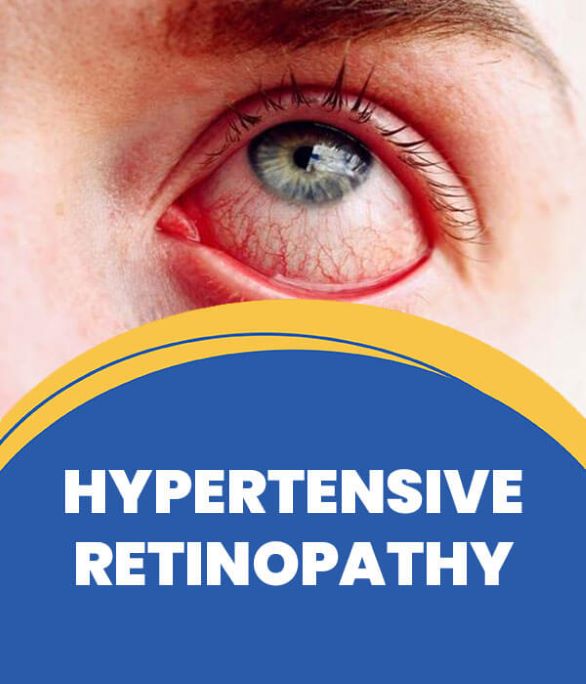
High blood pressure, also known as hypertension, is one of the most common lifestyle-related health problems worldwide. While most people are aware of its impact on the heart, kidneys, and brain, fewer people know that hypertension can also damage the eyes, often without any early symptoms. This eye condition is known as Hypertensive Retinopathy.
At Chetna Hospital, we believe that creating awareness about such conditions is the first step toward prevention and timely care. In this blog, let’s understand what hypertensive retinopathy is, how it develops, what symptoms to watch for, and why early diagnosis is so important.
What is Hypertensive Retinopathy?
The retina is a thin, light-sensitive layer of tissue located at the back of the eye. It captures images and sends them to the brain through the optic nerve, allowing us to see clearly.
When blood pressure remains high for a long time, it affects the tiny, delicate blood vessels of the retina. These vessels may become narrowed, twisted, hardened, or leaky. Over time, this damage can reduce the blood supply to the retina and harm vision. This condition is medically known as Hypertensive Retinopathy.
Most people with hypertensive retinopathy have no symptoms until the condition reaches a later stage, so it may not be noticed until vision is affected.
How Does High Blood Pressure Damage the Retina?
Blood pressure is the force of blood pushing against the walls of the arteries. When it remains consistently high, it places stress on the arteries, including those in the eyes.
Here are some of the ways hypertension affects the retina:
- Narrowing of blood vessels: Continuous pressure causes the vessels to shrink and thicken, reducing blood flow.
- Leakage of blood and fluid: Damaged vessels may leak blood or fluid into the retina, causing swelling and blurred vision.
- Cotton wool spots: These are fluffy white patches that appear on the retina due to damage to nerve fibers.
- Hard exudates: Yellowish deposits that collect on the retina due to leakage of proteins and lipids.
- Swelling of the optic nerve (papilledema): In severe, uncontrolled hypertension, the optic nerve at the back of the eye can swell. This can reduce vision and needs emergency care.
Stages of Hypertensive Retinopathy
Doctors often grade hypertensive retinopathy from 1 to 4, depending on how much damage is seen:
- Grade 1: General narrowing of the small retinal arteries. There are usually no symptoms.
- Grade 2: More marked narrowing and changes where arteries cross veins.
- Grade 3: Leakage from the vessels, with bleeding, cotton wool spots, hard exudates and swelling in parts of the retina.
- Grade 4: Swelling of the optic nerve (papilledema) and of the macula, the area for central vision. This happens with very high blood pressure, can reduce vision and needs emergency care.
Symptoms of Hypertensive Retinopathy
One of the challenges with hypertensive retinopathy is that early stages often have no symptoms. Many people only discover they have this condition when they undergo a routine eye examination.
When symptoms do appear, they may include:
- Blurred or dim vision
- Double vision
- Headaches
- Loss of vision in severe cases
Sudden vision changes or a severe headache with high blood pressure are a medical emergency. Go to an emergency department straight away or call 108 or 112.
Since symptoms are often absent in the beginning, regular eye check-ups help catch hypertensive retinopathy early.
Who is at Risk?
Hypertensive retinopathy can affect anyone with high blood pressure, but the risk is higher in certain groups:
- People with uncontrolled or long-standing hypertension
- Individuals with high blood sugar or diabetes
- Those with high cholesterol or obesity
- Smokers and tobacco users
- People with heart or blood vessel disease or kidney problems
How is Hypertensive Retinopathy Diagnosed?
An ophthalmologist can detect hypertensive retinopathy during a routine eye check-up. Some of the tests used include:
- Fundus examination: The doctor examines the back of the eye with an ophthalmoscope to look for signs of damaged blood vessels.
- Retinal photography: Images of the retina are captured for detailed analysis and comparison over time.
- Optical Coherence Tomography (OCT): A non-invasive imaging test that provides a cross-sectional view of the retina, revealing swelling or fluid leakage.
Interestingly, in some cases, the changes in the retina are the first indication that a person has high blood pressure. This makes eye check-ups an important tool for general health monitoring as well.
Why Early Detection Matters
Hypertensive retinopathy is not just about vision. It is often a sign of overall blood vessel damage throughout the body. Detecting this condition early can:
- Lower the chance of lasting vision damage
- Alert doctors about uncontrolled hypertension
- Help identify risks for stroke, heart attack, or kidney disease
- Encourage patients to take hypertension management more seriously
Living with Hypertension: Protecting Your Eyes
The main treatment for hypertensive retinopathy is controlling blood pressure. In many cases the retina heals once blood pressure is under control, though some people with severe disease keep lasting damage. Starting treatment early gives a better chance of recovery.
- Take blood pressure medicine as your doctor prescribes, and do not stop it without talking to them.
- Keep a healthy weight, eat less salt, exercise regularly, limit alcohol and avoid tobacco.
- If you have high blood pressure, have regular eye exams to check for retinal damage.
- Get medical help promptly for blurred vision or headaches with eye problems, and emergency care for sudden vision loss.
Conclusion
High blood pressure is a common condition, but its effects on the eyes are often underestimated. Hypertensive retinopathy is a clear reminder that the eyes are connected to the rest of the body’s health.
The eye care (ophthalmology) department at Chetna Hospital, Chinchwad checks for and manages eye problems linked to conditions like hypertension.
An eye check-up can show changes even before you notice symptoms. Call 91686 90442 to book a check-up.
General health information, not a diagnosis. Reviewed and updated by Chetna Hospital’s content team with the help of AI writing tools, November 2026.