Introduction
Glaucoma often has no symptoms in its early stages, so many people do not know they have it until some vision is lost. It is a major cause of blindness worldwide. Vision lost to glaucoma cannot be brought back, but early detection and treatment can slow or stop further damage.
But who is at risk for glaucoma? How do you know if you need an eye test? In this blog, we will explore the risk factors, symptoms, and importance of regular eye check-ups to help you protect your vision.
Understanding Glaucoma
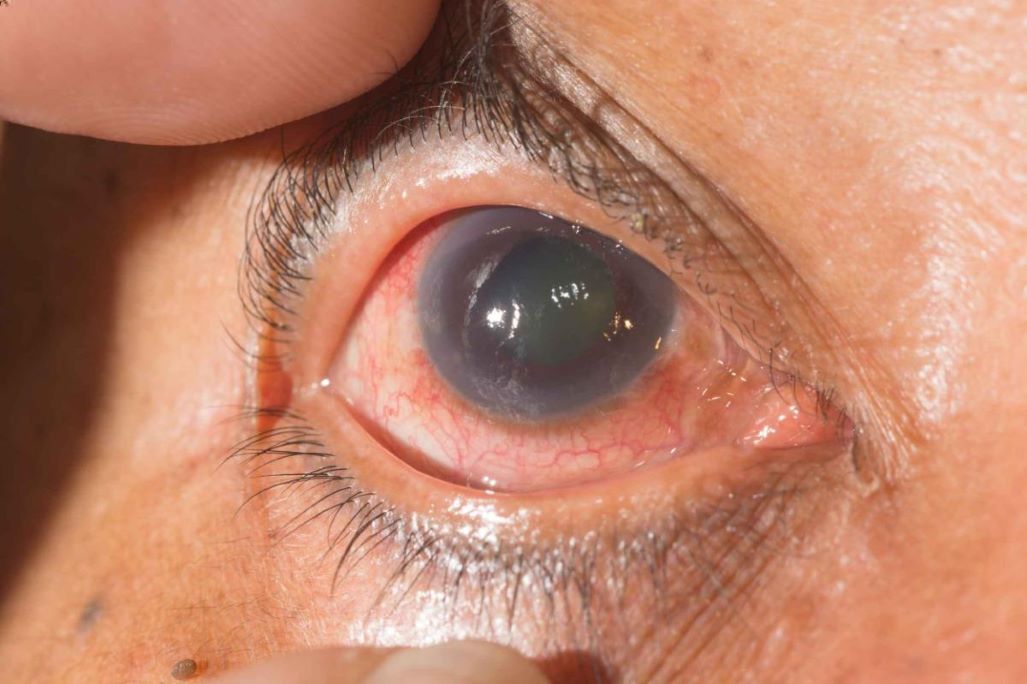
Glaucoma is a group of eye diseases that cause damage to the optic nerve, which is essential for vision. This damage is usually linked to increased pressure inside the eye, known as intraocular pressure (IOP). However, some people with normal eye pressure can also develop glaucoma.
There are several types of glaucoma, including:
- Primary Open-Angle Glaucoma (POAG): The most common type, which develops gradually without symptoms.
- Angle-Closure Glaucoma: A less common form. It can come on suddenly (acute angle-closure), which is an emergency.
- Normal-Tension Glaucoma: Occurs even when eye pressure is within the normal range.
- Congenital Glaucoma: Present at birth due to abnormal eye development.
Regardless of the type, glaucoma can cause irreversible vision loss if left untreated.
Who is at Risk for Glaucoma?
Certain factors increase the risk of developing glaucoma. If you fall into one or more of these categories, you should schedule regular eye exams to monitor your eye health.
1. Age Over 40
As you age, the risk of glaucoma increases. Adults should have a full eye examination by around age 40, and regular check-ups after that, especially if they have other risk factors.
2. Family History of Glaucoma
Glaucoma can run in families. If a close relative, such as a parent or sibling, has glaucoma, your risk is higher and you may need eye tests more often.
3. High Eye Pressure (Intraocular Pressure – IOP)
Raised eye pressure is a major risk factor for glaucoma. If your eye pressure is higher than normal, your risk of optic nerve damage increases.
4. Diabetes and Hypertension
Diabetes and high blood pressure are listed as risk factors for glaucoma.
5. Use of Steroid Medications
Long-term use of steroid medicines can raise eye pressure in some people. Do not stop any medicine on your own; talk to your doctor.
6. Eye Injuries and Surgeries
Past eye injuries or surgeries can cause damage to the eye’s drainage system, which can lead to an increased risk of glaucoma.
7. Severe Myopia (Nearsightedness) or Hyperopia (Farsightedness)
People who are nearsighted or farsighted have a higher risk of glaucoma.
8. Migraine or Poor Blood Circulation
Migraine and poor blood circulation are also listed as possible risk factors.
9. African, Hispanic, or Asian Descent
People of African, Hispanic or Asian heritage have a higher risk. People of Asian heritage, including people from India, have a higher risk of angle-closure glaucoma.
Early Symptoms of Glaucoma
Most glaucoma develops slowly and shows no early warning signs. Over time, it can cause:
- Gradual loss of side (peripheral) vision, which you may not notice
- Blurred or hazy vision in later stages
Acute angle-closure glaucoma is an emergency. It can cause sudden severe eye pain, a red eye, headache, rainbow-coloured halos around lights, blurred vision, and nausea or vomiting. If this happens, go to an emergency department straight away or call 108 or 112. Do not drive yourself.
Why You Should Get an Eye Test
Since glaucoma often has no symptoms in the early stages, regular eye tests are the main way to find it early and limit vision loss.
1. Detect Glaucoma Before Symptoms Appear
A comprehensive eye exam can detect high eye pressure and optic nerve damage before you notice vision changes.
2. Prevent Permanent Vision Loss
Once vision is lost due to glaucoma, it cannot be restored. Early detection allows treatment to slow or stop further damage.
3. Monitor Your Eye Health
Regular eye check-ups help identify other eye conditions like cataracts, macular degeneration, or diabetic retinopathy.
4. Get Personalized Treatment Options
If diagnosed with glaucoma, your doctor will discuss treatment such as eye drops, laser treatment or surgery. Keep all follow-up appointments.
How Often Should You Get an Eye Test?
The frequency of eye exams depends on your risk factors and age:
- Under 40, healthy eyes: Every 5-10 years (if no risk factors)
- Around age 40: A full baseline eye exam, then as your eye doctor advises
- Ages 65 and above: Every 1-2 years
- Higher risk (family history, diabetes, high eye pressure): Often yearly, or as your doctor recommends
What to Expect During an Eye Test for Glaucoma
A glaucoma screening typically includes:
- Tonometry: Measures eye pressure
- Ophthalmoscopy: Examines the optic nerve
- Perimetry: Tests peripheral vision
- Pachymetry: Measures corneal thickness
- Optical Coherence Tomography (OCT): Provides detailed images of the optic nerve
Treatment Options for Glaucoma
Glaucoma treatment aims to lower eye pressure and slow or stop further damage. Options include:
1. Prescription Eye Drops
Eye drops help reduce eye pressure by either decreasing fluid production or improving fluid drainage. They are usually used every day, and should not be stopped without talking to your eye doctor.
2. Laser Therapy
Laser procedures like Selective Laser Trabeculoplasty (SLT) or Laser Peripheral Iridotomy (LPI) help improve eye drainage.
3. Surgery
For severe cases, surgical procedures such as trabeculectomy or minimally invasive glaucoma surgery (MIGS) may be necessary to lower eye pressure.
Conclusion
Glaucoma is a serious eye condition that can cause permanent vision loss if it is not found and treated. Regular eye check-ups help find it early.
If you are over 40, have a family history of glaucoma, or have other risk factors, plan an eye test rather than waiting for symptoms. Call 91686 90442 to book with the eye care (ophthalmology) department at Chetna Multispeciality Hospital.
For Consultation Contact us on 91686 90442 / 9158681123
Website – www.chetnahospital.co.in
Address – Chetna Hospital, Sambhajinagar, MIDC, G Block, Near Rotary Club, Chinchwad 411019
General health information, not a diagnosis. Reviewed and updated by Chetna Hospital’s content team with the help of AI writing tools, November 2026.