Introduction
A constant feeling of pressure behind the eyes can be uncomfortable and sometimes concerning. Many people in Chinchwad, Pimpri-Chinchwad, and nearby Pune areas experience this sensation due to long screen hours, stress, or underlying eye conditions. While it is often harmless, in certain cases, it may indicate a more serious issue that requires evaluation by an eye doctor in Chinchwad, Pune.
Understanding the cause of eye pressure is essential for timely treatment. In this guide, we’ll explain the reasons, warning signs, and when you should visit an eye clinic near you in Pimpri-Chinchwad.
This guide is from the eye care (ophthalmology) department at Chetna Hospital, PCMC.
Normal Eye Pressure: 10–21 mmHg.
Often no symptoms: High eye pressure and early glaucoma usually cause no pain or warning signs. Many people only find out at a routine eye test.
Action: Have an eye test at least every 2 years, or more often if your eye doctor advises it (for example, if you are over 40 or glaucoma runs in your family).
What Is Eye Pressure?
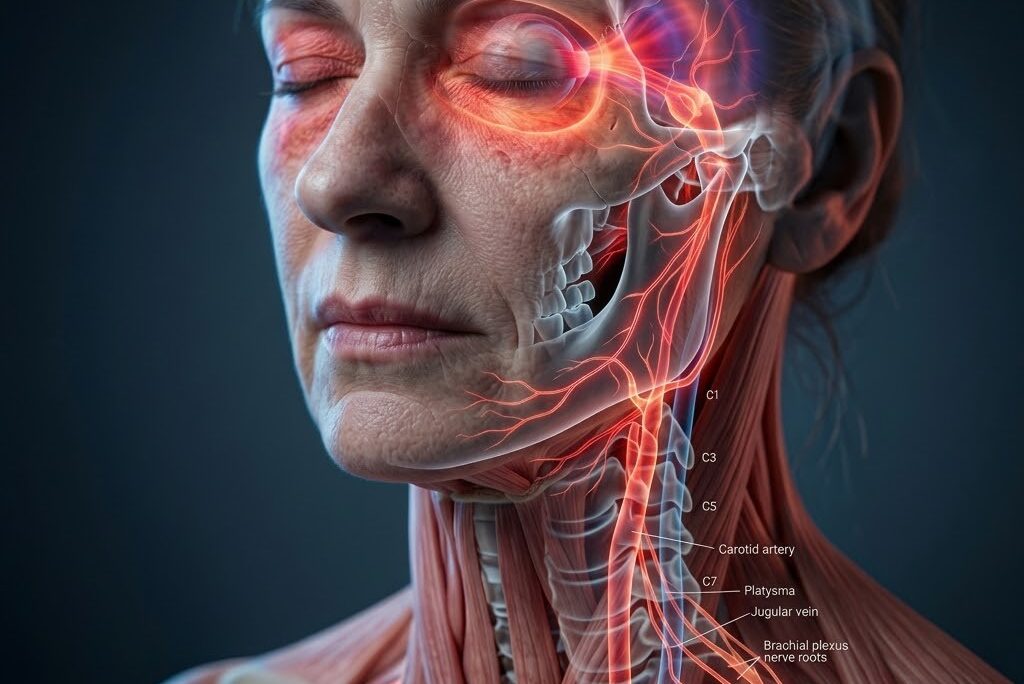
Eye pressure can refer to two different things. Firstly, it may describe a physical sensation—such as heaviness, tightness, or discomfort around the eyes. Secondly, it can indicate increased intraocular pressure (IOP), a medical condition that may damage the optic nerve if left untreated.
Importantly, these two are not always the same. Therefore, if symptoms persist, it is advisable to get your eyes checked at a vision clinic in Chinchwad, Pune, for an accurate diagnosis.
Common Causes of Eye Pressure
Eye pressure can develop for many different reasons. In some cases, it’s temporary and harmless; however, in others, it may require medical attention. Below is a clear breakdown of the most common causes:
1. Eye Strain (Digital Eye Fatigue)
To begin with, eye strain is a common cause of pressure behind the eyes, especially in today’s screen-heavy lifestyle. When you spend long hours looking at digital devices, your blink rate decreases significantly. As a result, your eyes become dry and overworked.
Common signs include:
- Burning or irritated eyes
- Temporary blurred vision
- A heavy or tight feeling after screen use
Over time, this strain can become persistent if not addressed. Therefore, if symptoms continue, it’s wise to consult an eye doctor near me for proper evaluation and relief strategies.
2. Dry Eyes
In addition, dry eyes are another frequent cause of discomfort and pressure. When your eyes don’t produce enough tears—or when the tears evaporate too quickly—the surface of the eye becomes irritated.
Typical symptoms include:
- A gritty or sandy sensation
- Mild pressure or discomfort
- Redness and irritation
Consequently, untreated dry eyes can worsen and affect your daily comfort. Using lubricating drops and seeking advice from a vision clinic near me can help manage the condition effectively.
3. Sinusitis
On the other hand, not all eye pressure originates from the eyes themselves. Sinusitis, which is the inflammation of the sinus cavities, can create a feeling of pressure behind the eyes.
Key indicators include:
- Facial pain or tenderness
- Nasal congestion
- Pressure that worsens when bending forward
Because the sinuses are located close to the eyes, the discomfort is often mistaken for an eye problem. In such cases, treating the sinus infection usually relieves the pressure.
4. Headaches (Especially Migraines)
Similarly, headaches—particularly migraines—can cause intense pressure around the eyes. Migraines often involve nerve-related pain that radiates to the eye area.
In many cases, this pressure is accompanied by:
- Sensitivity to light
- Nausea
- Throbbing pain on one side of the head
Therefore, identifying and managing migraine triggers is essential to reducing recurring eye pressure.
5. Glaucoma (Serious Condition)
Glaucoma is a condition in which the optic nerve gets damaged, usually linked to raised pressure inside the eye. The most common type develops slowly over many years. It often has no symptoms at first and is usually found at a routine eye test.
A less common type comes on suddenly (acute angle-closure glaucoma). Its warning signs include:
- Intense eye pain and a red eye
- Headache and tenderness around the eye
- Feeling sick or vomiting
- Rainbow-coloured rings (halos) around lights
- Blurred vision
Sudden symptoms like these are an emergency. Go to an emergency department straight away or call 108 or 112. Do not drive yourself.
6. Ocular Hypertension
Likewise, ocular hypertension refers to higher-than-normal eye pressure without immediate damage to the optic nerve. Although it may not cause noticeable symptoms initially, it can increase the risk of glaucoma over time.
Regular eye check-ups at an eye doctor near me are essential to monitor this condition and prevent complications.
7. Optic Neuritis
In contrast, optic neuritis involves inflammation of the optic nerve, which can lead to both pain and vision problems.
Common symptoms include:
- Pain during eye movement
- Sudden vision loss or dim vision
Sudden loss of vision needs emergency care the same day. Optic neuritis can also be linked to other conditions, such as multiple sclerosis, so early diagnosis is very important.
8. Uveitis
Another possible cause is uveitis, which is inflammation inside the eye. Although less common, it can be serious if not treated promptly.
Patients may experience:
- Eye redness
- Pain and pressure
- Blurred vision
Therefore, timely medical attention is necessary to prevent complications.
9. Allergies
Meanwhile, allergies can also contribute to eye pressure. When your body reacts to allergens like pollen or dust, it releases chemicals that cause inflammation around the eyes.
Symptoms often include:
- Itching
- Swelling
- Watery eyes
As a result, the swelling can create a sensation of pressure or heaviness.
10. Conjunctivitis (Pink Eye)
Furthermore, conjunctivitis is an infection or inflammation of the outer eye layer. It can be caused by bacteria, viruses, or allergens.
Typical signs include:
- Redness
- Discharge
- Mild discomfort or pressure
Although it is usually not serious, proper hygiene and treatment are important to prevent spreading.
11. Blepharitis
Similarly, blepharitis refers to inflammation of the eyelids, often due to bacterial buildup or skin conditions.
This condition can cause:
- Irritated eyelids
- Crusting around eyelashes
- A feeling of pressure or heaviness
With consistent eyelid hygiene, symptoms can usually be controlled.
12. Graves’ Disease
In some cases, systemic conditions like Graves’ disease can affect the eyes. This thyroid-related disorder can cause the eye muscles to swell.
As a result, patients may experience:
- Bulging eyes
- Pressure or tightness
- Difficulty moving the eyes
Because this condition affects both vision and appearance, medical management is essential.
13. Toothache
Surprisingly, dental issues can also lead to eye pressure. Infections in the upper teeth can radiate pain toward the eye area due to shared nerve pathways.
Therefore, if eye pressure is accompanied by tooth pain, a dental check-up may be necessary.
14. Facial or Eye Trauma
Additionally, any injury to the face or eye can cause swelling, inflammation, and internal pressure.
Symptoms may include:
- Bruising
- Pain
- Temporary vision changes
After an eye injury, go to an emergency department straight away or call 108 or 112 if your sight changes, the pain is severe, something hit the eye at high speed or pierced it, or there is blood or pus.
15. Chemicals or Foreign Objects
Finally, exposure to chemicals or foreign particles can cause sudden irritation and a strong pressure sensation in the eyes.
This may lead to:
- Burning sensation
- Redness
- Excessive tearing
If a chemical gets in your eye, rinse it straight away with plenty of clean, lukewarm running water for at least 20 minutes. Then go to an emergency department straight away or call 108 or 112, and take the chemical container with you. Keep rinsing while you wait. Do not drive yourself.
What Does Eye Pressure Feel Like?
People describe it differently:
- A dull ache behind the eyes
- Tightness around the eye sockets
- Heaviness in the eyelids
- Pain when moving the eyes
If this sensation is persistent, visiting an eye doctor near me is a smart next step.
How Do I Know If It’s Serious?
Red Flags for Eye Pressure
Get emergency help if you notice:
- Sudden vision loss or blurring
- Severe eye pain, especially with a red eye
- Nausea or vomiting with eye pain
- Halos around lights with eye pain
- A dark curtain or shadow over your vision, or new flashes and floaters
- An eye injury or a chemical in the eye
These can be signs of acute glaucoma or other serious eye problems. Go to an emergency department straight away or call 108 or 112. Do not drive yourself.
What Is Normal Eye Pressure by Age?
Normal intraocular pressure (IOP) ranges between:
- 10–21 mmHg (millimeters of mercury)
It doesn’t vary much by age, but risk increases as you get older. Regular check-ups at an eye doctor near me help monitor this.
What Is the Most Common Cause?
The most common causes are:
- Eye strain from screens
- Dry eyes
- Sinus-related pressure
Serious causes like glaucoma are less common, but they need prompt treatment.
Is Eye Pressure Related to Stress?
Yes—indirectly.
Stress can lead to:
- Eye strain
- Headaches
- Muscle tension around the eyes
While stress doesn’t directly increase eye pressure significantly, it can worsen symptoms.
When Is Eye Pressure Too High?
Understanding safe and unsafe eye pressure levels is essential for protecting your vision. Generally speaking, normal intraocular pressure (IOP) ranges between 10 and 21 mmHg.
- Above about 21 mmHg is higher than average. Your eye doctor will look at the pressure together with your optic nerve, side vision and corneal thickness to decide whether you need monitoring or treatment.
In other words, the higher the pressure, the greater the risk of damage to the optic nerve. If left untreated, this can eventually lead to conditions like glaucoma and permanent vision loss.
Therefore, accurate diagnosis is crucial. Since eye pressure cannot be measured at home, it requires specialized tools available at a vision eye care center nearby or a professional eye clinic.
How Do I Relieve Pressure from My Eyes?
Relieving eye pressure depends largely on the underlying cause. However, there are several immediate steps you can take to reduce discomfort.
Immediate Relief Tips
To begin with, simple lifestyle adjustments can make a noticeable difference:
- Follow the 20-20-20 rule (every 20 minutes, look 20 feet away for 20 seconds)
- Use artificial tears to keep your eyes lubricated
- Apply a warm compress to relax eye muscles
- Stay well hydrated throughout the day
- Reduce screen time, especially before bedtime
In many cases, these small changes can significantly ease mild symptoms caused by strain or dryness.
Medical Treatments
On the other hand, if the pressure is linked to a medical condition, professional treatment becomes necessary. Depending on the diagnosis, doctors may recommend:
- Prescription eye drops (for glaucoma or dry eyes)
- Antibiotics (if an infection is present)
- Anti-inflammatory medications
- Allergy treatments to reduce swelling and irritation
The eye care (ophthalmology) department at Chetna Hospital stresses that early diagnosis is key. Timely treatment can help prevent long-term problems, especially in glaucoma and uveitis.
How to Stop Pressure Build-Up in the Eyes?
Prevention is always better than treatment. Fortunately, there are several practical steps you can take to reduce the risk of developing eye pressure.
- First of all, schedule regular eye examinations to detect issues early
- In addition, maintain healthy blood pressure, as it can affect eye health
- Try to limit prolonged screen exposure and take frequent breaks
- At the same time, wear protective eyewear in environments with dust, chemicals, or bright light
- Finally, manage chronic conditions such as diabetes or thyroid disorders, which can affect the eyes
By following these steps consistently, you can significantly lower your risk and maintain long-term eye health.
Prevention Tips
- Blink frequently when using screens
- Use proper lighting
- Take breaks during work
- Keep your eyes clean
- Treat allergies early
Eye doctors stress that preventive eye care is just as important as treatment, especially for people who work long hours on digital devices.
When Should You See an Eye Doctor?
See an eye doctor if you have:
- Pressure or discomfort that keeps coming back
- Changes in your vision
- Eye pain that does not settle
Regular check-ups at an eye clinic can find problems early.
Book an Eye Check-Up
If you have eye pressure, discomfort or vision changes, get your eyes checked. Early diagnosis can help prevent serious problems and protect your sight.
Contact the eye care (ophthalmology) department at Chetna Hospital:
Chetna Hospital, Sambhaji Nagar, Chinchwad, Pune
Call 91686 90442 / 9158681123 to book a check-up.
The department provides eye pressure tests, glaucoma checks and treatment for people in Chinchwad and nearby areas.
Conclusion
Eye pressure deserves attention. It is often caused by minor issues like strain or dryness, but it can sometimes signal serious conditions that need prompt care.
The key takeaway?
If symptoms keep coming back, get worse or come with vision changes, see an eye doctor soon. If they come on suddenly, get emergency help.
Frequently Asked Questions
Chetna Hospital is on Sambhaji Nagar Road, Chinchwad, near the Rotary Club. It is easy to reach from Nigdi, Akurdi and Ravet.
Risk is higher if you are over 40, have a parent, brother or sister with glaucoma, have diabetes or high short-sightedness, have used steroid medicines for a long time, or have had an eye injury. Ask your eye doctor how often you need checks.
Yes. Chetna Hospital has cashless treatment through major TPAs and insurance providers.
The pressure test itself (tonometry) takes only a few seconds. Numbing drops may be used first. It is usually done as part of a full eye examination, which takes longer.
Stress can worsen eye strain and headaches, which can feel like pressure. It is not a known direct cause of high pressure inside the eye.
Eye pressure is usually between about 10 and 21 mmHg, but your eye doctor judges it together with the health of your optic nerve.
Take screen breaks, keep your eyelids clean, and have regular eye tests so problems like glaucoma are found early.
General health information, not a diagnosis. Reviewed and updated by Chetna Hospital’s content team with the help of AI writing tools, November 2026.