The monsoon season brings with it a refreshing change and beautiful scenery. However, it also ushers in a host of eye infections such as conjunctivitis and styes. These infections can be more common in the rainy season, with higher humidity and the easy spread of bacteria and viruses. The eye care (ophthalmology) department at Chetna Hospital shares these tips to help keep your eyes healthy during this time.
Common Monsoon Eye Infections
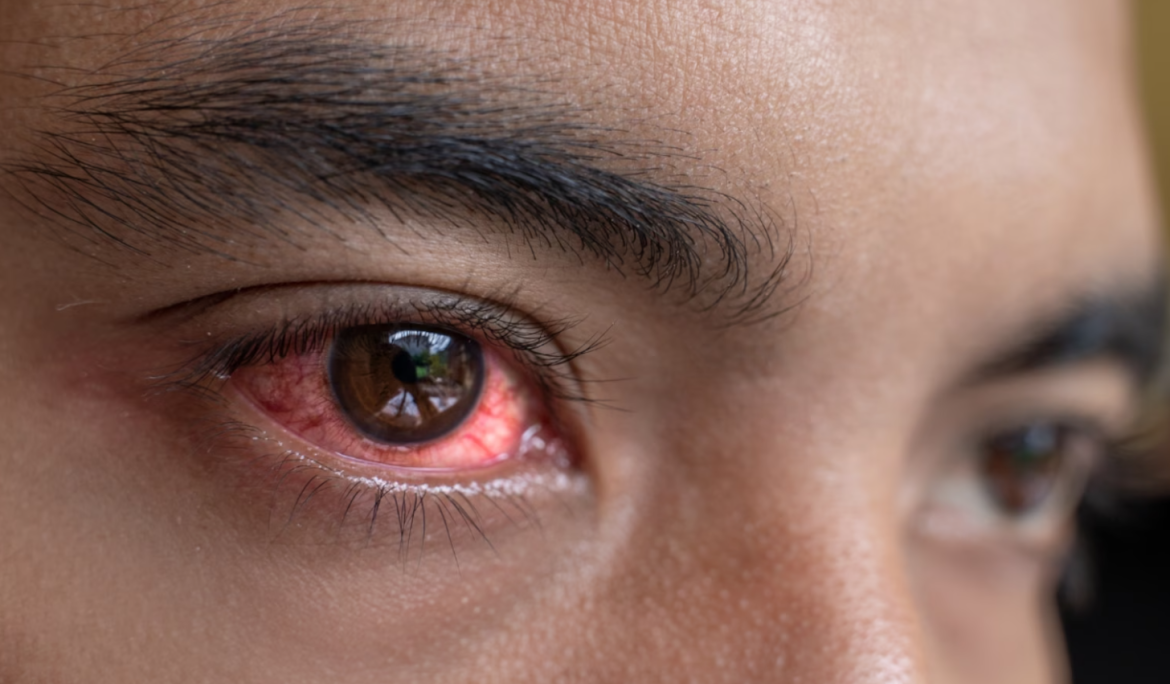
Conjunctivitis (Pink Eye): Infective (viral or bacterial) conjunctivitis spreads easily and causes red, gritty or itchy eyes with watering or sticky discharge. It spreads through contact with an infected person, shared towels or pillows, and unwashed hands or surfaces. Allergic conjunctivitis is not contagious.
Styes: These are painful, red lumps that form on the edge of the eyelids, often caused by bacterial infection. They can be quite uncomfortable and may cause swelling and irritation. Do not squeeze them; a warm, clean compress can help.
Tips to Protect Your Eyes
- Avoid Touching Your Eyes with Dirty Hands:
Your hands come into contact with countless surfaces throughout the day, picking up germs and bacteria. Touching your eyes with unclean hands can transfer these pathogens, increasing the risk of infections. Always wash your hands thoroughly with soap and water before touching your eyes. - Resist the Urge to Rub Your Eyes:
Rubbing your eyes can cause irritation and potentially introduce harmful microorganisms. If your eyes feel itchy or uncomfortable, use a clean tissue or cloth to gently dab around the eyes instead of rubbing. - Use Protective Glasses Against Wind and Dust:
Wind and dust are common during the monsoon and can carry irritants that may lead to infections. Wearing protective glasses when outdoors helps shield your eyes from these elements, reducing the risk of eye irritation and infections. - Don’t Forget Your Goggles While Swimming:
Swimming pools can harbor a variety of bacteria and chemicals that may irritate or infect your eyes. Always wear swimming goggles to protect your eyes from exposure to harmful substances and maintain eye hygiene.
Additional Precautions
- Maintain Proper Hygiene: Regularly clean your eyewear and avoid sharing personal items like towels, eye drops or cosmetics that come into contact with your eyes.
- Stay Hydrated: Drinking enough water is good for your overall health.
- Consult an Ophthalmologist: If you have persistent eye discomfort, redness or any symptoms of infection, seek medical advice. See an eye doctor promptly if you have eye pain, sensitivity to light, changes in vision or a very red eye. For sudden vision loss or an eye injury, go to the nearest emergency department straight away or call 108 or 112.
Monsoon eye care is crucial to avoid infections and keep your vision clear. By following these simple tips, you can enjoy the beauty of the monsoon without compromising your eye health.
General health information, not a diagnosis. Reviewed and updated by Chetna Hospital’s content team with the help of AI writing tools, November 2026.