Diwali, the festival of lights, brings joy, celebration, and togetherness. Amidst the sparkle of diyas and the colorful glow of fireworks, it’s essential to remember the importance of eye care. Smoke, air pollution and firecrackers mean our eyes face more risks during Diwali. Simple eye care can help prevent discomfort and injuries, so everyone can enjoy the festival safely.
Here is a guide to looking after your eyes this Diwali and keeping them safe from common hazards.
1. The Importance of Eye Protection During Diwali
Smoke from firecrackers adds to air pollution, which can make eyes red, itchy, watery and dry. Firecrackers can also cause serious eye injuries. A little mindfulness and preparation can make a big difference in keeping our eyes safe and healthy.
2. Common Eye Hazards During Diwali
Understanding the potential risks to your eyes can help you prepare better:
- Smoke and Dust: Firecrackers release a significant amount of smoke and dust, which can cause discomfort and dryness in the eyes.
- Bright Flashes: Bright flashes can be uncomfortable for people who are sensitive to light.
- Accidental Injuries: Firecracker accidents can cause burns, cuts and other serious eye injuries, some of which can lead to permanent loss of sight. Many people hurt by fireworks are onlookers, not the person lighting them.
3. Eye Care Tips to Protect Your Eyes This Diwali
Taking simple precautions can go a long way in protecting your eyes. Here are some useful eye care tips to help you safeguard your vision:
a) Wear Protective Eyewear
Protective glasses or goggles provide a shield against firecracker debris and sudden sparks. Even if you are only watching, protective eyewear is a good idea, especially for children.
b) Avoid Rubbing Your Eyes
Smoke and dust can irritate the eyes, causing itching and watering. Rubbing the eyes makes it worse. Instead, gently rinse your eyes with clean water to wash away smoke or dust irritants.
c) Use Eye Drops for Dryness
Pollution can make eyes feel dry. Lubricating eye drops (artificial tears) can help. If you already have dry eyes or another eye condition, ask your eye doctor which drops suit you.
d) Maintain a Safe Distance from Fireworks
Light firecrackers at arm’s length, step well back, and never lean over them. Never go back to a firecracker that has not gone off. Watch from a safe distance.
e) Avoid Contact Lenses
If you wear contact lenses, consider switching to glasses during the celebrations. Lenses can attract pollutants and trap irritants, making your eyes more vulnerable. Glasses provide an added layer of protection and reduce exposure to direct particles in the air.
4. Healthy Eye Practices for Overall Eye Health
Diwali is also a good reminder to look after your eye health. Incorporate these tips into your daily routine to keep your eyes healthy year-round.
a) Eat an Eye-Healthy Diet
A balanced diet with fruit, green leafy vegetables, nuts and fish supports your general and eye health.
b) Practice the 20-20-20 Rule
If you spend long hours on screens, take a break every 20 minutes, look at something 20 feet away for at least 20 seconds. This practice helps reduce digital eye strain and keeps your eyes relaxed.
c) Stay Hydrated
Drinking enough water is good for your general health and may help your eyes feel less dry.
5. First Aid Tips for Eye Injuries
Accidents can still happen. Knowing what to do after an eye injury can help prevent further harm.
a) If a Foreign Object Enters the Eye
- Do not rub the eye, as this can cause scratches.
- Rinse the eye with clean water or a saline solution.
- If something is stuck in the eye, do not try to remove it. Go to an emergency department straight away or call 108 or 112.
- See a doctor the same day if pain, redness or blurred vision does not settle after rinsing.
b) In Case of Chemical Burns
- Rinse the eye straight away with plenty of clean, lukewarm water, holding the eye open, for at least 20 minutes.
- Do not put any drops or ointment in the eye unless a doctor tells you to.
- Go to an emergency department straight away or call 108 or 112. Keep rinsing on the way if you can, and take the product container with you.
c) Burns and Injuries from Firecrackers
- Do not rub, press on or rinse the eye. Loosely shield it, for example with the bottom of a paper cup, without pressing.
- Do not try to remove anything stuck in the eye, and do not put any ointment in it.
- Go to an emergency department straight away or call 108 or 112. Do not drive yourself.
6. Stay Indoors During Peak Pollution Hours
Pollution levels peak after the main celebrations. Staying indoors at these times can reduce exposure to smoke particles that irritate the eyes. Keeping windows closed and using an air purifier can help maintain a cleaner indoor environment.
7. Encourage Children to Follow Safety Measures
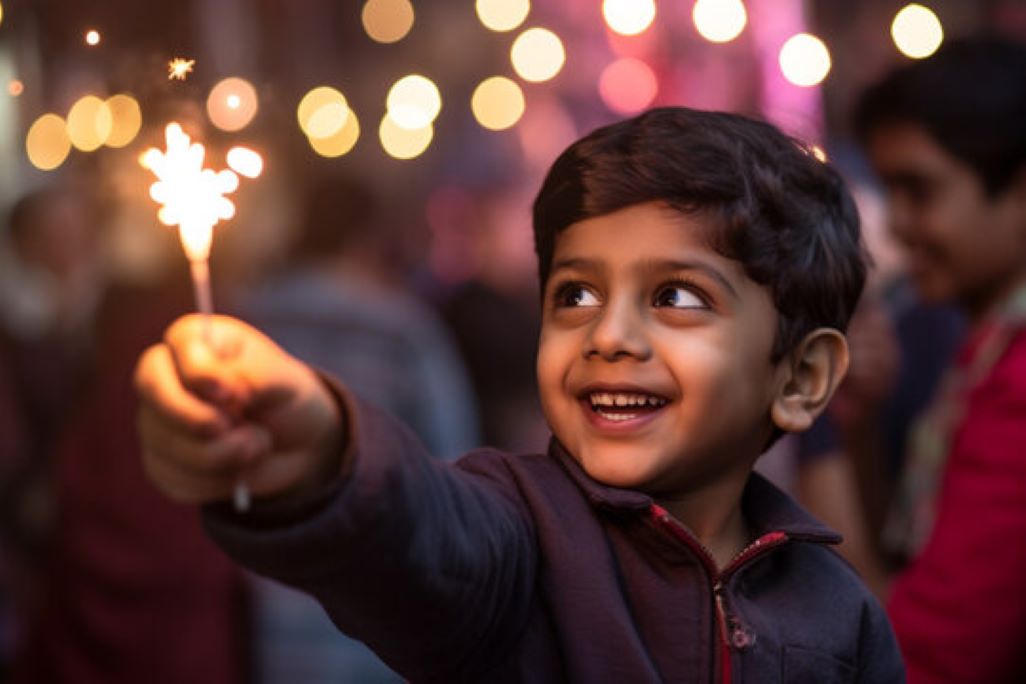
Children are often hurt by firecrackers. Always supervise children near firecrackers. Sparklers burn very hot, so young children should not hold them. Educating them on basic eye safety can make a big difference in preventing injuries.
8. Follow Green Diwali Practices
Green Diwali choices reduce smoke and the risk of injury. Low-emission firecrackers, or celebrating with diyas, lights and flowers, can bring the same joy.
9. When to Seek Professional Help
If redness, discomfort or swelling does not settle, see an eye doctor. Go to an emergency department straight away or call 108 or 112 if you have a firecracker injury, a chemical in the eye, something stuck in the eye, severe eye pain, or any change in your sight.
10. Celebrate Mindfully
Diwali is a time to celebrate happiness, and safety plays an integral role in preserving it. These simple steps can help keep the celebration joyful and safe for the whole family.
For a consultation, call the eye care (ophthalmology) department at Chetna Hospital on 91686 90442.
Website – www.chetnahospital.co.in
Address – Chetna Hospital, Sambhajinagar, MIDC, G Block, Near Rotary Club, Chinchwad 411019
General health information, not a diagnosis. Reviewed and updated by Chetna Hospital’s content team with the help of AI writing tools, November 2026.