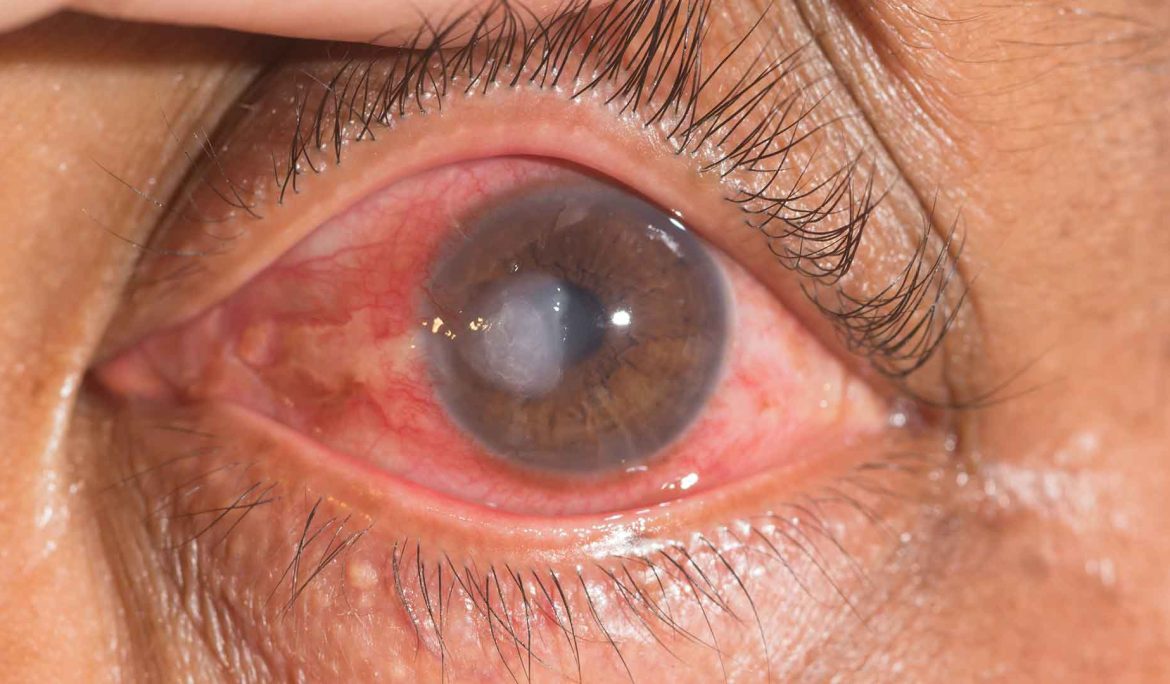
The human eye is one of the most delicate and vital organs, allowing us to perceive the world around us. Any damage to the cornea—the clear, dome-shaped surface at the front of the eye—can significantly affect vision. A corneal ulcer is a serious eye condition that needs treatment the same day to protect vision.
What is a Corneal Ulcer?
A corneal ulcer is an open sore or lesion on the cornea, usually resulting from an infection. The cornea acts as a protective barrier for the eye, but when its surface is damaged—due to injury, dryness, or contact lens misuse—it becomes vulnerable to bacteria, fungi, or viruses.
If left untreated, a corneal ulcer can lead to scarring, severe vision impairment, and in extreme cases, blindness.
Common Causes of Corneal Ulcers
Corneal ulcers can occur for various reasons. Some of the most common causes include:
1. Bacterial Infections
Bacterial infections are a common cause of corneal ulcers, especially in people who wear contact lenses. Poor lens hygiene—such as sleeping in lenses, not cleaning them properly, or using contaminated solutions—can allow bacteria to grow and cause infection.
2. Viral Infections
Viruses like the Herpes Simplex Virus (HSV) can infect the cornea, causing painful ulcers. Recurring viral infections can damage the cornea over time.
3. Fungal Infections
Fungal corneal ulcers are most likely after eye injuries from plants or soil (for example in farming or gardening). Using steroid eye drops without medical advice also raises the risk.
4. Eye Trauma
Any scratch, foreign body, or injury to the eye can create an entry point for infections.
5. Dry Eyes
Severe dry eye conditions reduce the protective tear film, increasing the risk of corneal damage.
6. Underlying Medical Conditions
Diseases like Bell’s palsy, which affect eyelid closure, or autoimmune disorders can also increase the risk of corneal ulcers.
Symptoms to Look Out For
A corneal ulcer is a medical emergency, and getting help early protects your vision. Symptoms include:
- Severe eye pain
- Redness in the eye
- Feeling of something in the eye (foreign body sensation)
- Blurred or decreased vision
- Sensitivity to light (photophobia)
- Tearing or discharge from the eye
- Swelling of the eyelids
- Sometimes a white or grey spot on the clear front of the eye
If you have these symptoms, especially if you wear contact lenses, take your lenses out and see an eye doctor the same day.
Why Urgent Care is Needed
A corneal ulcer can get worse quickly and cause permanent damage to the cornea. Early treatment can prevent:
- Corneal Scarring: Once scar tissue forms, it can cause permanent blurry vision.
- Perforation of the Cornea: Severe ulcers can create a hole in the cornea, causing loss of the eye’s structural integrity.
- Spread of Infection: Untreated infections can spread deeper into the eye, causing conditions like endophthalmitis, which can cause blindness.
- Vision Loss: The most serious complication, especially if the ulcer is in the central cornea.
Diagnosis
An ophthalmologist will perform a detailed eye examination using specialized equipment such as a slit lamp. The doctor may also take a small sample from the ulcer to find the cause and choose the right treatment.
Treatment Options
Treatment depends on the cause and is prescribed by an eye doctor after an examination. Do not use leftover or borrowed eye drops.
1. Bacterial Ulcers
- Treated with eye drops that kill bacteria.
- The drops often need to be used very often at first, exactly as the eye doctor says.
2. Viral Ulcers
- Treated with medicines against the virus, as drops or tablets.
- Long-term antiviral therapy may be necessary for recurrent infections.
3. Fungal Ulcers
- Treated with anti-fungal eye drops.
- These ulcers may require longer treatment periods.
4. Pain & Inflammation Control
- Lubricating drops to ease discomfort.
- Pain relief. Steroid drops are used only if an eye doctor advises them.
5. Severe Cases
- In severe cases, surgery or a corneal transplant may be needed.
Prevention Tips
You can significantly reduce your risk of corneal ulcers by:
- Practicing good contact lens hygiene (cleaning lenses, replacing cases regularly, and avoiding overnight wear).
- Wearing protective eyewear during risky activities like sports, gardening, or construction work.
- Treating dry eyes with lubricating drops.
- Avoiding self-medication with steroid eye drops unless prescribed.
- Getting prompt treatment for any eye injury or infection.
When to See a Doctor Immediately
See an eye doctor the same day if you have any of the signs below. Go to the nearest emergency department straight away, or call 108 or 112, for severe eye pain, sudden loss of vision, or an eye injury:
- Sudden or severe eye pain
- Sudden loss or blurring of vision
- Increased sensitivity to light
- Redness with discharge
- History of injury followed by worsening eye symptoms
Conclusion
A corneal ulcer is not something to “wait and watch.” Getting it checked by an eye doctor the same day helps prevent lasting damage. With timely treatment, many corneal ulcers heal well, though some leave a scar that affects vision.
Call 91686 90442 (eye department) or 9158681123 (main hospital line) to book a check-up.
Website – www.chetnahospital.co.in
Address – Chetna Hospital,
Sambhajinagar, MIDC, G Block, Near Rotary Club, Chinchwad 411019
General health information, not a diagnosis. Reviewed and updated by Chetna Hospital’s content team with the help of AI writing tools, November 2026.