
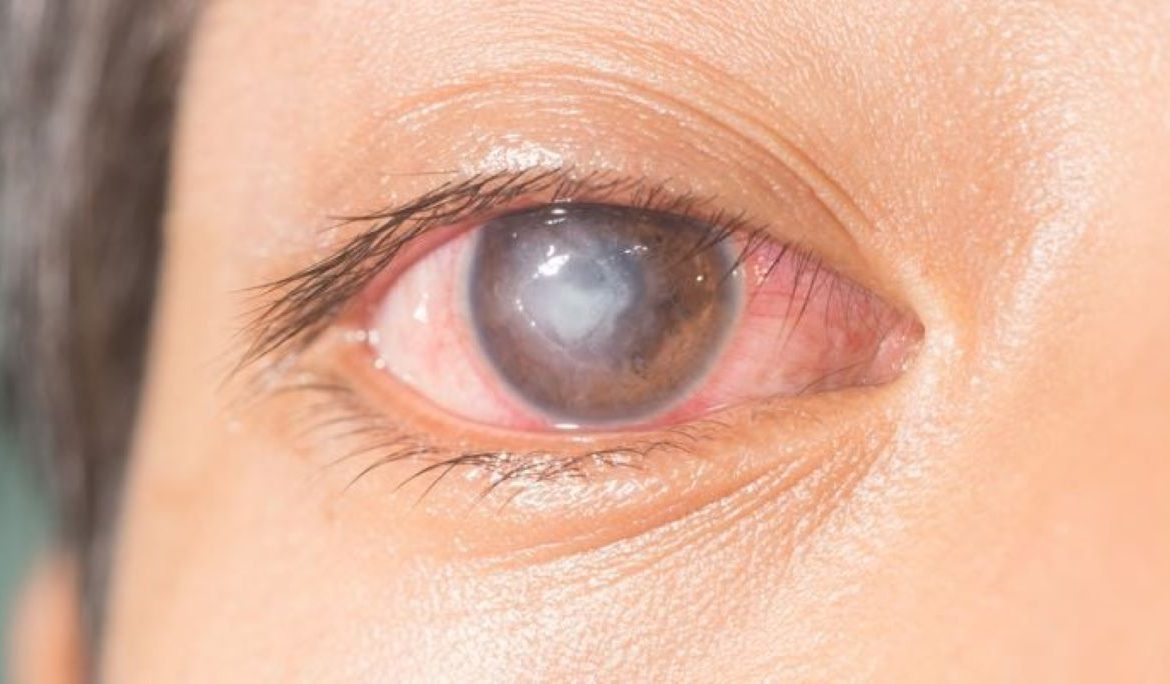
Eye pain or redness that gets worse quickly needs prompt attention. One such condition is a corneal ulcer, a painful problem that can threaten sight and needs treatment the same day.
What is a Corneal Ulcer?
A corneal ulcer is an open sore or wound on the cornea, the clear, dome-shaped surface that covers the front of the eye. This condition is most commonly caused by an infection, but injuries, dry eyes, or poor contact lens hygiene can also lead to ulcers.
Without treatment, a corneal ulcer can cause corneal scarring, vision loss, or even permanent blindness.
What Causes Corneal Ulcers?
Corneal ulcers usually develop due to:
- Bacterial infections (common in contact lens wearers)
- Fungal infections (especially after eye injuries involving plant material)
- Viral infections like herpes simplex
- Dry eye syndrome or eyelid disorders
- Scratches or injury to the eye
- Contaminated contact lenses or lens solution, or rinsing lenses or cases in tap water
Sleeping in contact lenses is one of the biggest risks for a serious ulcer. Not cleaning lenses properly also raises the risk. Recent use of steroid eye drops is another risk factor.
Symptoms to Watch Out For
Some of the common signs and symptoms of a corneal ulcer include:
- Redness and swelling of the eye
- Severe eye pain or discomfort
- Blurred or decreased vision
- Sensitivity to light (photophobia)
- Tearing or eye discharge
- A white or grayish spot on the cornea
- Feeling like something is stuck in the eye (foreign body sensation)
These symptoms may start mildly but can worsen within a short time.
When to See a Doctor
If you have these symptoms, especially if you wear contact lenses, see an eye doctor the same day. A corneal ulcer can worsen quickly, and an ophthalmologist diagnoses it with a slit-lamp examination and other tests. Take out your contact lenses and do not put them back in. Go to the nearest emergency department straight away, or call 108 or 112, if you have severe eye pain, a sudden loss of vision, or an eye injury.
The eye care (ophthalmology) department at Chetna Hospital diagnoses and treats corneal infections and other corneal conditions.
How is it Treated?
Treatment depends on the cause and is prescribed by an eye doctor after an examination. Do not use leftover or borrowed eye drops, especially steroid drops. Treatment may include:
- Eye drops that treat the infection (for bacteria, fungi or viruses), often used very often at first
- Treatment for dry eyes if dryness is part of the cause
- Pain relief
- In some cases, corneal transplantation may be needed if the ulcer causes permanent damage
Timely treatment helps avoid long-term complications.
How to Prevent Corneal Ulcers
- Never sleep while wearing contact lenses
- Wash your hands before handling lenses
- Clean and store lenses as instructed
- Avoid using expired or shared lens solution
- Use protective eyewear while working outdoors
- Get eye pain or redness checked promptly, especially if you wear lenses
Call 91686 90442 (eye department) or 9158681123 (main hospital line) to book a check-up.
Website – www.chetnahospital.co.in
Address – Chetna Hospital,
Sambhajinagar, MIDC, G Block, Near Rotary Club, Chinchwad 411019
General health information, not a diagnosis. Reviewed and updated by Chetna Hospital’s content team with the help of AI writing tools, November 2026.