Good vision is essential for a child’s overall development, learning, and confidence. Yet, many parents don’t realize that vision problems in children are surprisingly common and often go unnoticed. A simple eye check-up can find these problems early, when they are easier to treat.
Why Vision Matters in Childhood
From reading textbooks and copying from the blackboard to participating in sports and outdoor play, vision plays a central role in their daily activities. If a child cannot see clearly, they may fall behind in studies, lose confidence, or struggle with social interaction.
The challenge is that children often don’t complain about their eyesight. They assume that what they see is “normal” because they have no other reference. This makes regular eye screening important, especially during the school years.
Common Causes of Vision Problems in School Kids
1. Refractive Errors (Most Common)
- Myopia (Nearsightedness): The child sees nearby objects clearly but struggles with distant vision.
- Hyperopia (Farsightedness): Near work like reading can be blurry or tiring. Young children can often focus through mild long-sightedness, so it may not be noticed without a test.
- Astigmatism: Blurred or distorted vision due to irregular curvature of the cornea.
Refractive errors are often hereditary, but they may worsen with excessive near work, lack of outdoor play, and prolonged screen time.
2. Amblyopia (Lazy Eye)
Amblyopia develops when one eye does not see as clearly as the other in early childhood. The brain starts relying on the stronger eye, causing permanent vision problems if not treated early. Causes include squint, uncorrected refractive errors, or childhood cataracts.
3. Strabismus (Squint)
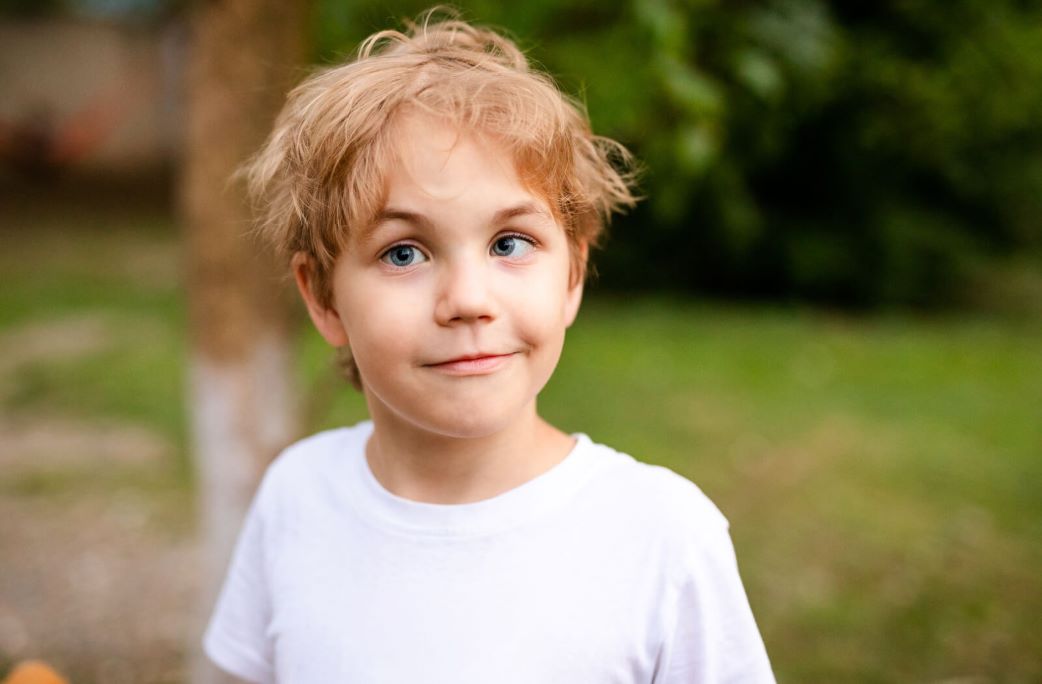
In this condition, the eyes are misaligned — one may turn inward, outward, upward, or downward. Strabismus can affect depth perception and may lead to amblyopia if untreated.
4. Congenital or Developmental Conditions
Some children are born with conditions like congenital cataracts or glaucoma. Early detection through screening allows timely treatment, which can help protect vision.
5. Lifestyle-Related Problems
In today’s digital era, children spend hours on smartphones, tablets, and television. Long hours of close-up work and too little time outdoors are linked to digital eye strain and to myopia starting earlier.
Warning Signs Parents Should Watch For
Since kids may not always communicate their vision difficulties, parents and teachers should stay alert for signs like:
- Squinting or tilting the head to see better
- Sitting too close to the TV or holding books very near
- Frequent rubbing of eyes or watery eyes
- Complaints of headaches or eye pain
- Difficulty reading from the board in class
- Avoiding reading or losing interest in studies
- Poor performance in school despite good effort
If you notice these signs, arrange an eye check-up. A red, painful eye, a sudden change in vision or an eye injury needs a same-day check; for a serious eye injury or a chemical in the eye, go to the nearest emergency department straight away or call 108 or 112.
Why Early Vision Screening is Important
- Learning: Clear vision helps children read comfortably and follow lessons.
- Prevention of Long-Term Problems: Conditions like amblyopia or squint, if untreated, can lead to permanent vision loss.
- Boosts Confidence: Children who can see clearly are more confident in studies, sports, and social interactions.
- Easier Treatment: Many eye problems in children can be treated with glasses, patching or other treatment, and treatment usually works better when started early.
When Should Children Get Eye Screenings?
The American Academy of Ophthalmology suggests vision and eye checks at these stages:
- As a newborn, with a basic eye health check
- At 6 to 12 months
- Between 1 and 3 years
- Between 3 and 5 years, including an eye chart test once the child can do it
- From 5 years onwards, at regular intervals through the school years, as your eye doctor advises
Children born early (premature), with signs of an eye problem, or with a family history of childhood eye disease should have a full eye examination by an eye doctor.
The Role of Schools & Parents
Schools:
Many vision problems go unnoticed until they affect academic performance. Regular school eye screenings can help detect issues early.
Parents:
Parents should encourage:
- Regular eye check-ups
- Balanced screen time with more outdoor play
- A healthy, balanced diet
- Use of protective eyewear when needed (sports, lab activities, etc.)
What a Full Eye Check Includes
At Chetna Hospital, a full eye check for a child goes beyond the basic eye chart. Tests may include:
- Visual acuity tests
- Refraction assessments
- Squint and lazy eye detection
- Retina and optic nerve evaluation
- Eye scans when needed
This helps find vision problems that a basic chart test can miss.
How Parents Can Help Maintain Eye Health
- Take Screen Breaks: Encourage kids to follow the “20-20-20 rule” — every 20 minutes, look at something 20 feet away for 20 seconds.
- Encourage Outdoor Activities: Natural light and outdoor play help reduce the risk of early myopia.
- Balanced Diet: Include vegetables, fruit, fish or nuts as part of a healthy diet.
- Ensure Good Lighting: Reading and study areas should have adequate lighting.
- Regular Check-ups: Keep up regular eye checks, as often as your eye doctor advises.
Conclusion
A child’s future should never be blurred by poor vision. Unfortunately, vision problems often remain hidden because children cannot explain their difficulties. Regular vision screening is a simple way to find these issues early so they can be treated.
The eye care (ophthalmology) department at Chetna Hospital provides eye check-ups and treatment for children’s eye problems.
Call 91686 90442 to book an eye check-up for your child.
Eye department: 91686 90442. Main hospital line: 9158681123.
Website – www.chetnahospital.co.in
Address – Chetna Hospital,
Sambhajinagar, MIDC, G Block, Near Rotary Club, Chinchwad 411019
General health information, not a diagnosis. Reviewed and updated by Chetna Hospital’s content team with the help of AI writing tools, November 2026.