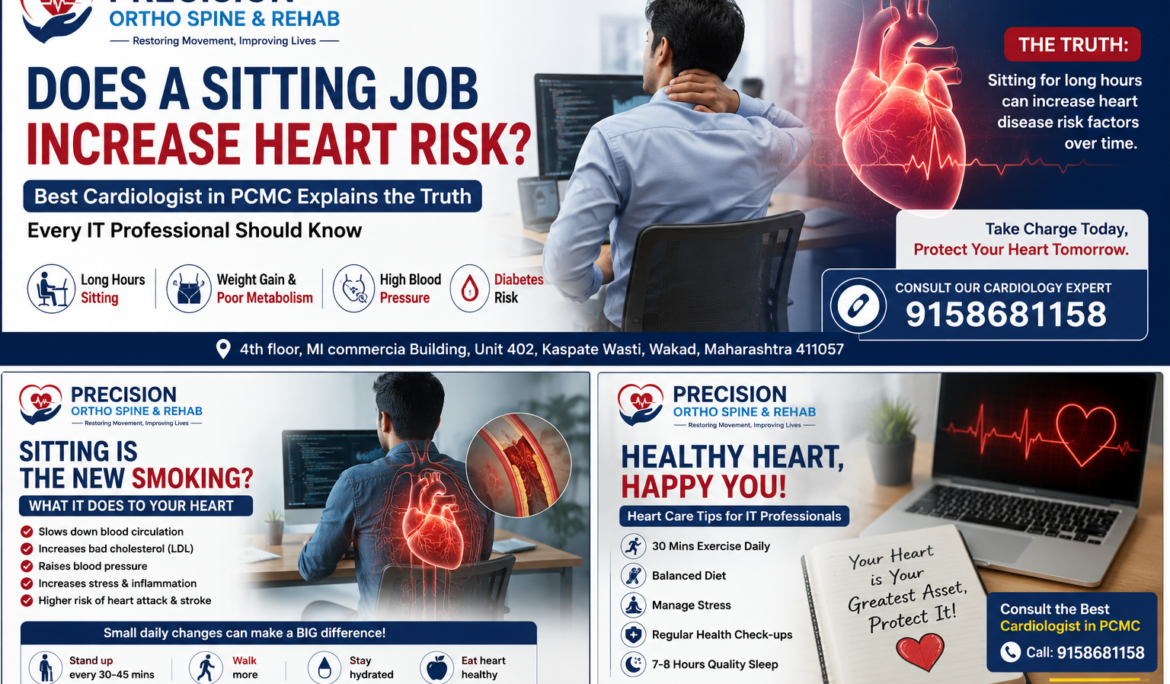
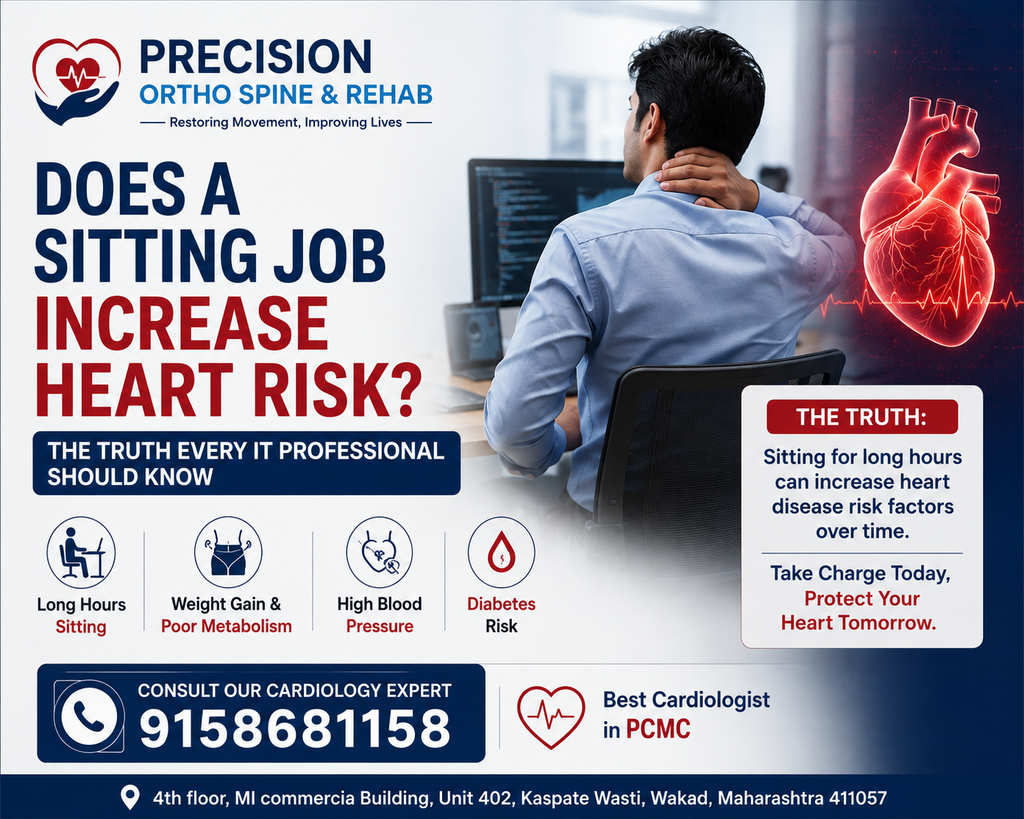
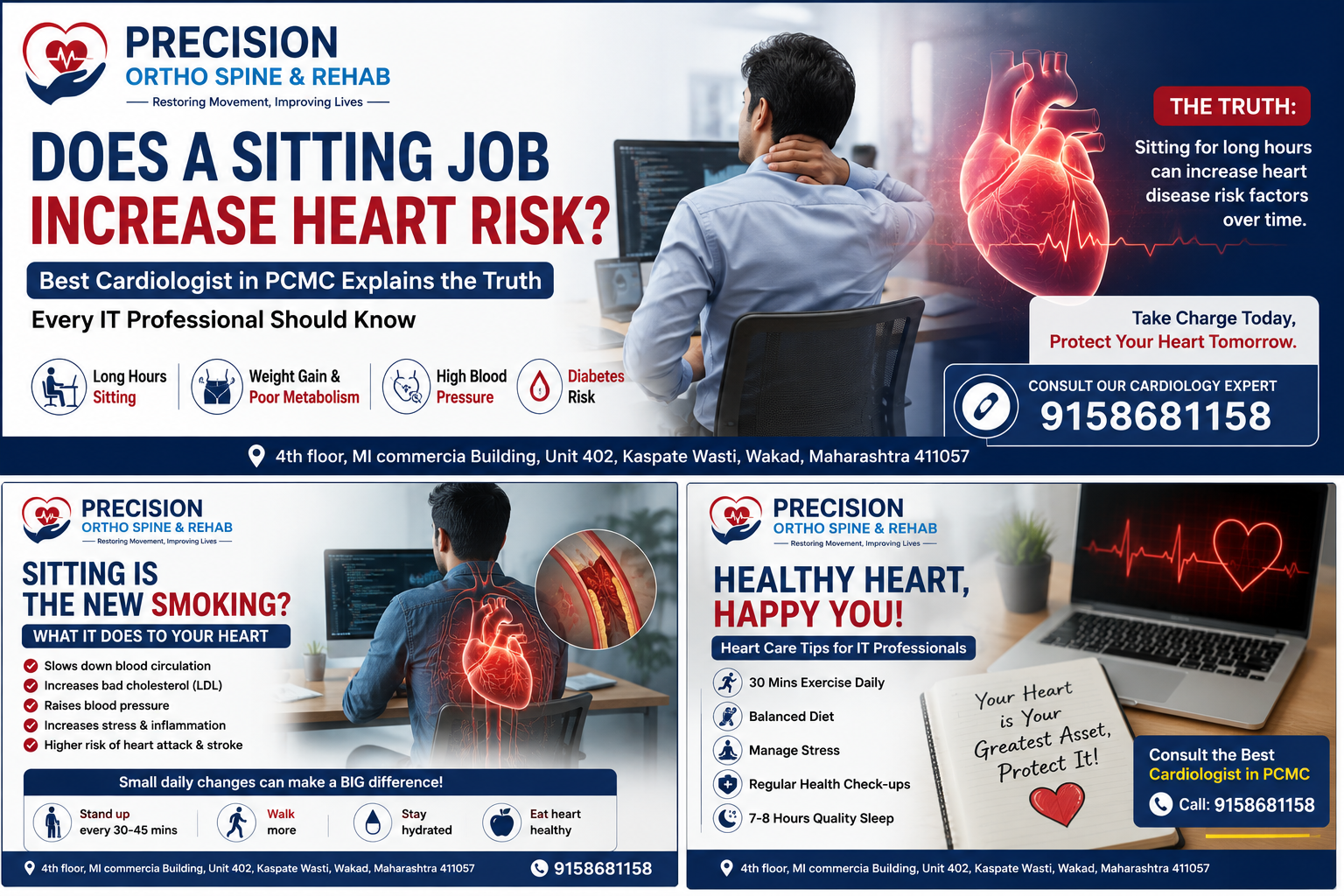
Best Cardiologist in PCMC explains that prolonged sitting and low physical activity can contribute to several cardiovascular risk factors, particularly when combined with obesity, high blood pressure, unhealthy cholesterol levels, diabetes, smoking, poor sleep and chronic stress. For professionals who spend several hours at a desk, understanding the relationship between sedentary behaviour and heart health can support better prevention and appropriate medical evaluation.
In today’s digital world, sitting for long periods has become a normal part of working life for many professionals. Employees in IT companies, corporate offices, banks and startups may spend much of their working day at a desk with limited movement.
According to Dr. Pritam R. Titar, an Interventional & Consultant Cardiologist in Pune, a sedentary lifestyle can contribute to cardiovascular risk factors such as obesity, high blood pressure, unhealthy cholesterol levels and diabetes.
At Chetna Hospital, preventive cardiac evaluation can help identify cardiovascular risk factors early. For professionals with desk-based routines, regular movement, healthy lifestyle habits and appropriate medical screening can support long-term heart health.
Quick Answer: Can Sitting Jobs Affect Heart Health?
Yes. Prolonged sitting and low physical activity are associated with higher cardiovascular risk. Sedentary behaviour can contribute to obesity and other risk factors such as high blood pressure, unhealthy cholesterol levels and type 2 diabetes. Desk workers can support heart health by sitting less, moving regularly, exercising consistently, eating a balanced diet and monitoring important cardiovascular risk factors.
The World Health Organization (WHO) recommends limiting sedentary time and replacing it with physical activity of any intensity where possible.
Introduction to Sedentary Lifestyle and Heart Health
A sedentary lifestyle involves spending substantial amounts of waking time sitting, reclining or otherwise engaging in very little physical activity. Desk-based work, driving and prolonged screen time are common examples.
Modern routines may involve:
- Working on computers for several hours
- Attending long meetings
- Using vehicles for daily travel
- Spending leisure time on phones, televisions or other screens
- Taking fewer opportunities to walk or use stairs
Physical activity supports cardiovascular fitness, metabolic health and overall well-being. In contrast, higher amounts of sedentary behaviour are associated with poorer health outcomes, including cardiovascular disease and type 2 diabetes.
Why Desk Jobs Are Becoming a Heart Health Concern
Modern Work Culture and Reduced Physical Activity
Many office employees spend much of their working day seated while using computers, attending meetings or completing administrative tasks.
Even people who exercise regularly can benefit from reducing prolonged uninterrupted sitting. The American Heart Association advises adults to spend less time sitting and to include regular physical activity throughout the week.
How Stress and Poor Habits Add to Cardiovascular Risk
Desk workers may also experience:
- Work-related stress
- Irregular meals
- Inadequate sleep
- Excessive intake of highly caffeinated or sugary beverages
- Low physical activity
- Prolonged screen time
When these habits persist, they may contribute to cardiovascular risk factors such as high blood pressure, unhealthy blood sugar levels, excess body weight and abnormal cholesterol.
What Happens to Your Body During Long Sitting Hours?
When people remain inactive for extended periods, they use less energy and may accumulate more total sedentary time throughout the day. Low physical activity can also make it harder to maintain cardiovascular fitness and a healthy body weight.
Reduced Physical Activity and Weight Gain
Low physical activity reduces daily energy expenditure and may contribute to excess body weight, particularly when calorie intake consistently exceeds energy needs.
Excess body weight and abdominal obesity are associated with higher cardiovascular risk and may occur alongside:
- High blood pressure
- Insulin resistance
- Type 2 diabetes
- Unhealthy cholesterol levels
- Metabolic syndrome
Maintaining a healthy body weight through regular physical activity and balanced nutrition can support cardiovascular health.
How Prolonged Sitting Affects Blood Circulation
Remaining seated for long periods reduces opportunities for muscle movement, particularly in the legs.
Long periods of immobility can be associated with leg discomfort, stiffness and swelling. During prolonged travel or other periods of immobility, the risk of deep vein thrombosis (DVT) can also increase.
People with persistent swelling, unexplained leg pain or symptoms suggesting a blood clot should seek appropriate medical evaluation.
How Sedentary Habits Can Affect Blood Pressure
Low physical activity is associated with a higher risk of high blood pressure and other cardiovascular risk factors.
Uncontrolled hypertension can damage blood vessels and increase the risk of serious complications, including:
- Heart disease
- Heart attack
- Stroke
- Kidney disease
Regular blood pressure monitoring is particularly important for people with additional risk factors such as obesity, diabetes, high cholesterol or a family history of cardiovascular disease.
How Sitting Jobs Can Increase Cardiovascular Risk
Abdominal Fat and Obesity
Prolonged sedentary routines can make it harder to maintain a healthy body weight, especially when combined with unhealthy eating patterns.
Visceral fat around internal organs is associated with:
- Cardiovascular disease
- Type 2 diabetes
- High blood pressure
- Abnormal cholesterol
- Metabolic syndrome
Regular physical activity and a balanced diet can help support healthy body weight and reduce cardiovascular risk.
High Blood Pressure
High blood pressure may develop without obvious symptoms and can gradually damage blood vessels and other organs.
Desk workers can consider regular blood pressure checks, particularly if they have risk factors such as:
- Family history of hypertension
- Obesity
- Diabetes
- High cholesterol
- Smoking
- Low physical activity
Cholesterol Imbalance
A sedentary lifestyle may occur alongside dietary and metabolic factors that contribute to unhealthy cholesterol levels.
| Cholesterol Type | Heart Health Impact |
|---|---|
| LDL cholesterol | Higher levels can contribute to plaque buildup in arteries |
| HDL cholesterol | Helps transport cholesterol away from arteries |
High cholesterol can contribute to plaque formation in arteries, which may reduce blood flow and increase cardiovascular risk.
Diabetes Risk in Desk Workers
Low physical activity can contribute to insulin resistance and make blood sugar management more difficult.
Type 2 diabetes is an important cardiovascular risk factor and is associated with increased risk of:
- Heart disease
- Stroke
- Kidney complications
- Nerve damage
Regular blood sugar and cholesterol testing can help identify cardiovascular risk factors early, particularly in people with diabetes, obesity or a family history of heart disease.
Reduced Cardiovascular Fitness
Regular physical activity helps maintain cardiovascular fitness and exercise tolerance. Low activity levels may contribute to reduced stamina and difficulty performing physical activities.
Possible symptoms such as:
- Unusual shortness of breath
- Reduced exercise tolerance
- Fatigue during physical activity
- Dizziness
should not automatically be attributed to a sedentary lifestyle. Persistent or concerning symptoms should be evaluated by a healthcare professional.
Increased Risk of Blood Clots
Extended immobility, particularly during long-distance travel, can increase the risk of DVT in some people.
A blood clot can become dangerous if it travels to the lungs and causes a pulmonary embolism.
Breaking up prolonged periods of immobility with appropriate movement is generally encouraged, particularly during long periods of travel.
How Workplace Stress Can Affect Heart Health
Chronic stress can affect cardiovascular health and may contribute to increased heart rate and blood pressure.
Helpful strategies include:
- Taking short breaks during work
- Practising relaxation techniques
- Getting adequate sleep
- Staying physically active
- Maintaining social and recreational activities
Stress management should be considered alongside other cardiovascular risk-reduction measures.
Why Heart Health Matters for Young Professionals
Heart disease is not exclusively a problem of older adults. Cardiovascular risk factors can also occur in younger adults, particularly when several lifestyle and metabolic risk factors are present.
Early Warning Signs That Should Not Be Ignored
Lifestyle factors that may contribute to cardiovascular risk include:
- Prolonged sitting
- Low physical activity
- Unhealthy dietary patterns
- Poor sleep
- Smoking
- Chronic stress
- Excess body weight
However, symptoms should not be assumed to be caused by a sedentary lifestyle alone.
When Should Desk Workers Consider Heart Screening?
Many people dismiss symptoms such as tiredness or breathlessness as work-related stress.
Seek medical evaluation if you experience:
- Chest discomfort or pressure
- Palpitations
- Unexplained breathlessness
- Dizziness or fainting
- Unusual fatigue
- Reduced exercise tolerance
The appropriate cardiac evaluation depends on symptoms, age and individual risk factors.
Lifestyle Changes That Support Better Heart Health
Preventing cardiovascular disease does not necessarily require dramatic lifestyle changes. Consistent, sustainable habits can make a meaningful difference.
Stay Physically Active Throughout the Day
Instead of remaining seated for long uninterrupted periods, try to include more movement in your workday.
Practical options include:
- Standing and moving regularly during the workday
- Walking during suitable phone calls
- Taking short walking breaks
- Using stairs when appropriate
- Stretching after prolonged desk work
- Walking for short errands instead of using a vehicle when practical
The goal is to reduce sedentary time and increase overall physical activity.
Exercise Recommendations for Desk Workers
The WHO recommends that adults aim for at least 150–300 minutes of moderate-intensity aerobic physical activity per week, or an equivalent amount of vigorous activity. Adults should also limit sedentary time and include muscle-strengthening activities.
The American Heart Association similarly recommends at least 150 minutes of moderate aerobic activity per week or 75 minutes of vigorous activity, preferably spread throughout the week, along with muscle-strengthening activity on at least two days per week.
Suitable activities may include:
- Walking
- Cycling
- Swimming
- Jogging, depending on fitness level
- Yoga
- Strength training
- Stretching
People with existing heart conditions or other medical concerns should discuss appropriate exercise intensity with their healthcare provider.
Benefits of Regular Physical Activity
| Activity | Potential Health Benefit |
|---|---|
| Walking | Supports cardiovascular fitness |
| Cycling | Improves aerobic endurance |
| Swimming | Provides whole-body aerobic exercise |
| Yoga | Can support flexibility and stress management |
| Strength training | Helps maintain muscle strength and metabolic health |
Heart-Healthy Diet Tips for Desk Workers
Nutrition plays an important role in cardiovascular health.
Foods to Include
- Fresh fruits
- Vegetables
- Whole grains
- Nuts and seeds
- Legumes
- Lean protein sources
- Healthy unsaturated fats
Foods to Limit
- Sugary beverages
- Highly processed snacks
- Excess fried foods
- Foods high in added salt
- Foods high in saturated and trans fats
A balanced eating pattern can support healthy cholesterol, blood pressure and body weight.
Stress Management for Better Heart Health
Managing chronic stress is an important part of a healthy lifestyle.
Helpful strategies include:
- Meditation
- Deep breathing
- Regular physical activity
- Adequate sleep
- Short breaks during work
- Hobbies and relaxation
- Maintaining social connections
If stress is persistent or significantly affects daily life, consider speaking with an appropriate healthcare professional.
Importance of Hydration
Adequate fluid intake supports normal body functions and overall well-being.
Desk workers may forget to drink fluids during busy workdays. Maintaining regular hydration can help prevent dehydration-related symptoms such as:
- Fatigue
- Headaches
- Reduced concentration
- General discomfort
Individual fluid requirements vary depending on factors such as climate, activity level, diet and medical conditions.
Preventive Cardiac Check-Ups for Desk Workers
Routine health assessments can help identify cardiovascular risk factors early.
Depending on individual risk, a healthcare professional may recommend:
- Blood pressure measurement
- Lipid profile
- Blood glucose or HbA1c testing
- ECG
- Echocardiography when clinically indicated
- Exercise stress testing when clinically appropriate
Not every person requires every cardiac test. Screening should be based on symptoms, medical history, age and individual cardiovascular risk.
At Chetna Hospital, patients can discuss their cardiovascular concerns and appropriate evaluation with a qualified cardiologist.
Lifestyle Changes That Protect Your Heart Long-Term
Sustainable lifestyle habits can support long-term cardiovascular health.
Key habits include:
- Staying physically active
- Reducing prolonged sitting
- Maintaining a healthy body weight
- Eating a balanced diet
- Getting adequate sleep
- Avoiding tobacco
- Limiting harmful alcohol use
- Managing stress
- Monitoring blood pressure, blood sugar and cholesterol when appropriate
- Seeking medical evaluation for concerning symptoms
The World Health Organization identifies physical inactivity, unhealthy diet, tobacco use and harmful alcohol use among important behavioural cardiovascular risk factors.
FAQs About Sitting Jobs and Heart Health
1. Can sitting for long hours really affect heart health?
Yes. Higher amounts of sedentary behaviour are associated with increased cardiovascular risk. The risk may be greater when prolonged sitting occurs alongside obesity, high blood pressure, unhealthy cholesterol, diabetes, smoking or other risk factors.
2. How many hours of sitting is considered unhealthy?
There is no single universal number of sitting hours that defines an unhealthy level for every person. However, adults are advised to limit sedentary time and replace some sedentary time with physical activity whenever possible.
3. Can exercise reduce the harmful effects of desk jobs?
Regular physical activity can improve cardiovascular fitness and help manage body weight, blood pressure and blood sugar. It is also beneficial to interrupt long periods of sitting with movement throughout the day.
4. Why may IT professionals have higher cardiovascular risk?
IT professionals may spend long periods sitting and may also experience work-related stress, irregular meals, inadequate sleep and low physical activity. These factors can contribute to cardiovascular risk when they persist over time.
5. What are the warning signs of possible heart problems?
Possible warning signs include chest discomfort, unusual breathlessness, palpitations, dizziness, fainting and unexplained fatigue. These symptoms can have several causes, so medical evaluation is important when symptoms are persistent, severe or unusual.
6. How often should desk workers get heart check-ups?
There is no single screening schedule for every desk worker. The need for evaluation depends on age, symptoms and risk factors such as high blood pressure, diabetes, high cholesterol, smoking and family history. A cardiologist can recommend an appropriate screening plan.
7. Can workplace stress affect the heart?
Chronic stress can affect heart rate and blood pressure and may contribute to cardiovascular risk when combined with other unhealthy lifestyle factors. Regular physical activity, adequate sleep and stress-management strategies can support overall cardiovascular health.
Conclusion: Protect Your Heart From Prolonged Sitting
A desk job does not automatically mean that a person will develop heart disease. However, prolonged sedentary behaviour combined with low physical activity and other risk factors can contribute to cardiovascular risk.
The good news is that many lifestyle factors can be improved. Sitting less, moving regularly, meeting recommended physical activity levels, eating a balanced diet, getting adequate sleep, avoiding tobacco and managing stress can all support better heart health.
If you experience chest discomfort, palpitations, unusual breathlessness, dizziness or unexplained fatigue, seek appropriate medical evaluation.
Dr. Pritam R. Titar, Interventional & Consultant Cardiologist at Chetna Hospital, can evaluate cardiovascular symptoms and risk factors and advise on appropriate cardiac care.
Medical Expert
Dr. Pritam R. Titar is an Interventional & Consultant Cardiologist in Pune. Patients with cardiovascular symptoms or risk factors can consult a qualified cardiologist for appropriate evaluation and personalized medical advice.
Contact Details
Dr. Pritam R. Titar
Interventional & Consultant Cardiologist
Chetna Hospital, Sambhaji Nagar, Chinchwad
📞 9158681123
🌐 Chetna Hospital Website
🔗 Dr. Pritam R. Titar – Doctor Profile
Find a Cardiologist Near You in PCMC
Chetna Hospital provides access to cardiac consultation for patients from Pimpri-Chinchwad and nearby areas, including:
- Chinchwad & Sambhajinagar: Convenient for residents of nearby neighbourhoods.
- Nigdi, Akurdi & Ravet: Accessible from several parts of Pimpri-Chinchwad.
- Wakad, Hinjewadi & Bhosari: Patients from these areas can also access specialist cardiac consultation at Chetna Hospital.
Book a consultation with Dr. Pritam R. Titar for cardiac evaluation and personalized medical advice.
Trusted External References
American Heart Association – Physical Activity Recommendations
World Health Organization – Physical Activity